Introduction
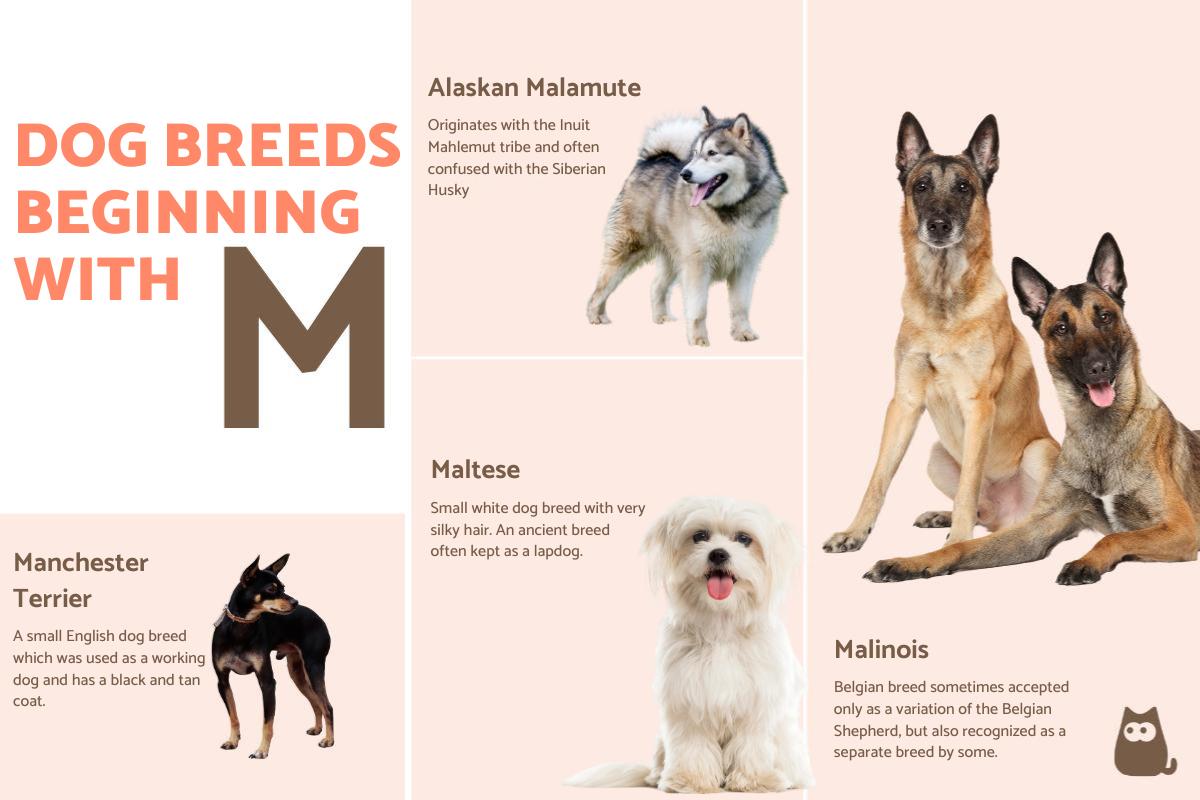
Dog breeds beginning with m encompass a diverse taxonomic classification of canine companions ranging from the massive, guardian-focused Mastiff to the high-endurance, working-class Mudi and Miniature American Shepherd. According to the International Association of Animal Behavior Consultants (IAABC), understanding the precise behavioral phenotypes and genetic predispositions of distinct canine lineages is foundational for preventing stress-related maladaptive behaviors in domestic settings. Exploring these specific animal classifications within Dog Breeds helps professional handlers and companion animal caregivers align husbandry standards with distinct physiological needs. Comprehensive veterinary oversight, targeted socialization paradigms, and species-appropriate management protocols dictate long-term health outcomes for these distinct lineages.
Pet Wellness & Behavior Snapshot:
- Core Focus: Comprehensive evaluation of physical maintenance and behavioral traits inherent to canine lineages starting with the letter M.
- Target Scope: Clinical and behavioral management for pet parents, veterinary technicians, and professional caregivers.
- Key Recommendation: Implement structured, early-onset socialization and balanced dietary frameworks tailored to individual metabolic rates.
Core Principles and Detailed Overview
Managing dog breeds beginning with m requires a thorough grasp of their specific genetic drives, ranging from guarding instincts in large Molosser types to intense herding energy in smaller pastoral variants. Establishing an optimal environment demands balancing mental enrichment with physical conditioning, concepts frequently explored in advanced Dog Training frameworks. Caregivers must observe subtle canine communicative cues, such as displacement behaviors and stress signals, to preemptively address reactivity or resource guarding. Nutritional planning must similarly reflect these animals’ varying energy requirements, preventing obesity in lower-energy guardian types while fueling the high-output metabolism of active herding dogs.
Key Specifications and Breakdown
| Observed Indicator / Factor | Veterinary & Behavioral Explanation | Actionable Management Protocol |
|---|---|---|
| High Protective Drive | Guardian lineages exhibit territorial responses driven by selective breeding for property defense and site security. | Provide controlled exposure to novel visitors under positive reinforcement and structured obedience parameters. |
| Rapid Skeletal Growth | Giant breeds experience fast bone elongation phases requiring strict nutrient balance to prevent developmental orthopedic disorders. | Feed precisely formulated large-breed puppy diets with controlled calcium-to-phosphorus ratios until skeletal maturity. |
| Intense Herding Fixation | Pastoral dogs display strong eye-stalk-chase motor patterns directed toward moving objects, children, or other household pets. | Channel predatory motor patterns into structured agility tasks, interactive puzzle toys, and directional obedience cues. |
Routine preventive veterinary care and proactive behavioral enrichment significantly mitigate hereditary risks in large and specialized working canine lineages. — American Veterinary Medical Association (AVMA)
Step-by-Step Practical Application and Guidelines
Implementing an effective daily routine for dog breeds beginning with m necessitates structured consistency across feeding, physical exercise, and obedience conditioning. Maintaining optimal physiological vitality relies heavily on foundational principles outlined within Dog Nutrition resources to support joint health and metabolic equilibrium. Caregivers should initiate daily preventive veterinary health checks, examining ears, skin folds, and weight metrics to catch emerging health anomalies early. Establishing clear spatial boundaries within the home prevents the escalation of guarding behaviors, while daily obedience sessions reinforce human leadership and mental stimulation.
Common Challenges and How to Avoid Them
Overlooking the unique exercise and socialization thresholds of specialized working dogs frequently leads to destructive behavior, separation anxiety, and physical injury. Maintaining comprehensive Dog Health standards requires avoiding sudden shifts in exercise intensity, especially in growing giant breeds prone to orthopedic strain. Caregivers must also avoid punitive training methods, which escalate fear and defensive aggression in guarding breeds, and instead prioritize positive reinforcement strategies that foster trust and emotional stability.
💬 Frequently Asked Questions
Explore More Pet Care and Animal Health Guides on PetsAnimalsWorld
Enhance companion animal care standards by exploring additional expert-backed resources covering Dog Behavior and general Dog Care. Continuous education empowers pet parents and professional animal health caregivers to provide optimal welfare. Discover more comprehensive insights across the entire collection at Pets Animals World.
Visual Reference Gallery