Introduction
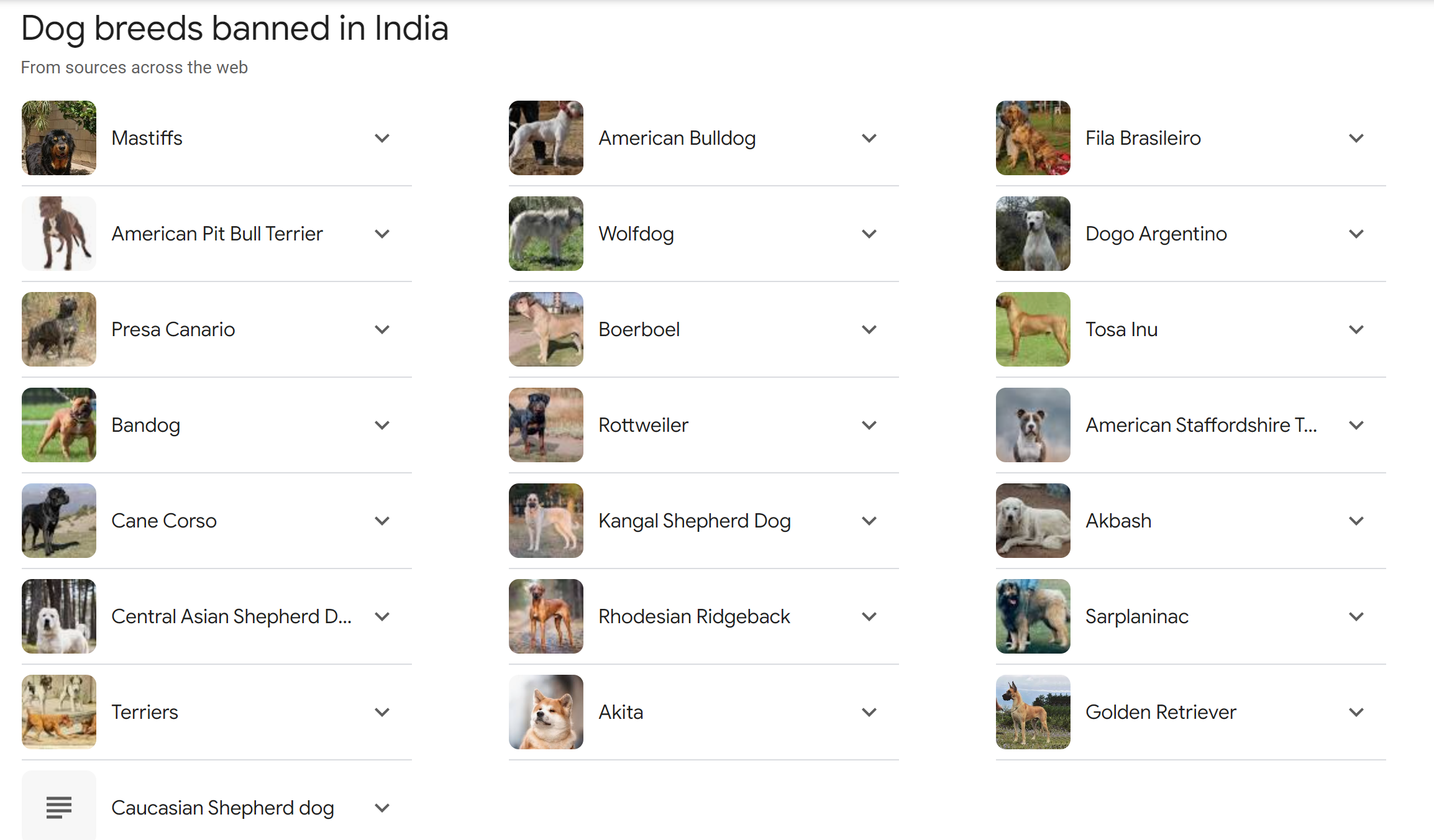
Dog breeds banned in India comprise specific foreign and mixed-lineage canines restricted from importation, breeding, and commercial sale due to documented public safety risks. According to the American Animal Hospital Association (AAHA), strict regulatory oversight of high-arousal companion animal species directly mitigates community welfare risks and severe bite incidents. Recognizing these legal parameters is essential for responsible caregivers evaluating canine importation, urban housing compliance, and municipal licensing. Understanding these restrictions ensures that caretakers maintain legal alignment while implementing appropriate Dog Health monitoring protocols.
Pet Wellness & Behavior Snapshot:
- Core Focus: Statutory prohibitions and regulatory restrictions governing high-risk canine lineages across municipal jurisdictions in India.
- Target Scope: Urban pet guardians, imported animal caretakers, and municipal veterinary compliance officers.
- Key Recommendation: Prioritize comprehensive socialization, secure structural containment, and strict adherence to local animal control legislation.
Core Principles and Detailed Overview
Regulatory frameworks restricting specific dog breeds banned in India are established to protect public safety by targeting canine lines historically bred for high-intensity guarding, gameness, or powerful bite-hold mechanics. Direct enforcement actions by local municipal corporations and animal husbandry departments prohibit the sale, breeding, and keeping of designated power-breeds. Certified companion animal behaviorists emphasize that legislative bans often stem from statistical data regarding severe bite trauma, inadequate physical conditioning, and severe behavioral volatility when raised in dense urban environments without expert handling. Caregivers must understand that restricted classification applies equally to purebred animals and identifiable crossbreeds carrying dominant morphological traits of the prohibited list.
Key Specifications and Breakdown
| Observed Indicator / Factor | Veterinary & Behavioral Explanation | Actionable Management Protocol |
|---|---|---|
| High Predatory Drive | Genetic selection for explosive chase-and-catch sequences increases environmental reactivity. | Implement strict leash laws, muzzle training, and secure perimeter fencing. |
| Territorial Agression | Heightened protective instincts can trigger defensive biting if unfamiliar stimuli are introduced. | Consult a certified behaviorist to establish structured desensitization protocols. |
| Regulatory Non-Compliance | Possession of prohibited types violates municipal animal control statutes and incurs legal penalties. | Review local Dog Care statutes and register lawful pets immediately. |
Canine behavioral health and public safety standards require continuous risk assessment, appropriate physical enrichment, and strict adherence to municipal animal control ordinances. — American Veterinary Medical Association (AVMA)
Step-by-Step Practical Application and Guidelines
Managing canine safety and legal compliance regarding dog breeds banned in India demands structured operational steps for every pet guardian. First, verify local municipal notifications and central government directives regarding permitted versus restricted canine classifications in the specific residential district. Second, schedule a comprehensive wellness evaluation with a licensed veterinarian to update vaccinations, microchip identification, and health documentation. Third, implement positive reinforcement Dog Training strategies focusing on impulse control, reliable recall, and neutral muzzle acceptance. Fourth, design balanced meal plans rich in essential nutrients by consulting specialized Dog Nutrition guidelines to support optimal neurological and metabolic functioning. Finally, maintain durable physical barriers and secure enclosures to prevent accidental escapes that compromise community safety.
Common Challenges and How to Avoid Them
Misidentifying mixed-lineage puppies and underestimating behavioral triggers represent the primary challenges encountered by pet parents navigating restricted canine legislation. Direct observational errors occur when crossbreeds display physical characteristics resembling banned power-breeds, triggering unwarranted regulatory scrutiny or municipal confiscation. Caregivers must avoid relying on informal visual identification alone; genetic breed-identification testing provides verifiable data regarding ancestry. Furthermore, ignoring early signs of resource guarding or fear-based reactivity can escalate into severe aggression. Mitigate these risks by engaging credentialed animal behaviorists early, maintaining meticulous veterinary records, and reviewing evolving updates within the Dog Behavior sector.
💬 Frequently Asked Questions
Explore More Pet Care and Animal Health Guides on PetsAnimalsWorld
Navigating complex canine legislation requires access to reliable, science-based educational resources designed for dedicated animal caregivers and pet enthusiasts. Expand guardian knowledge by browsing comprehensive manuals covering preventative medicine, nutritional science, and positive reinforcement methods available across the complete library at Pets Animals World.
Visual Reference Gallery