Introduction
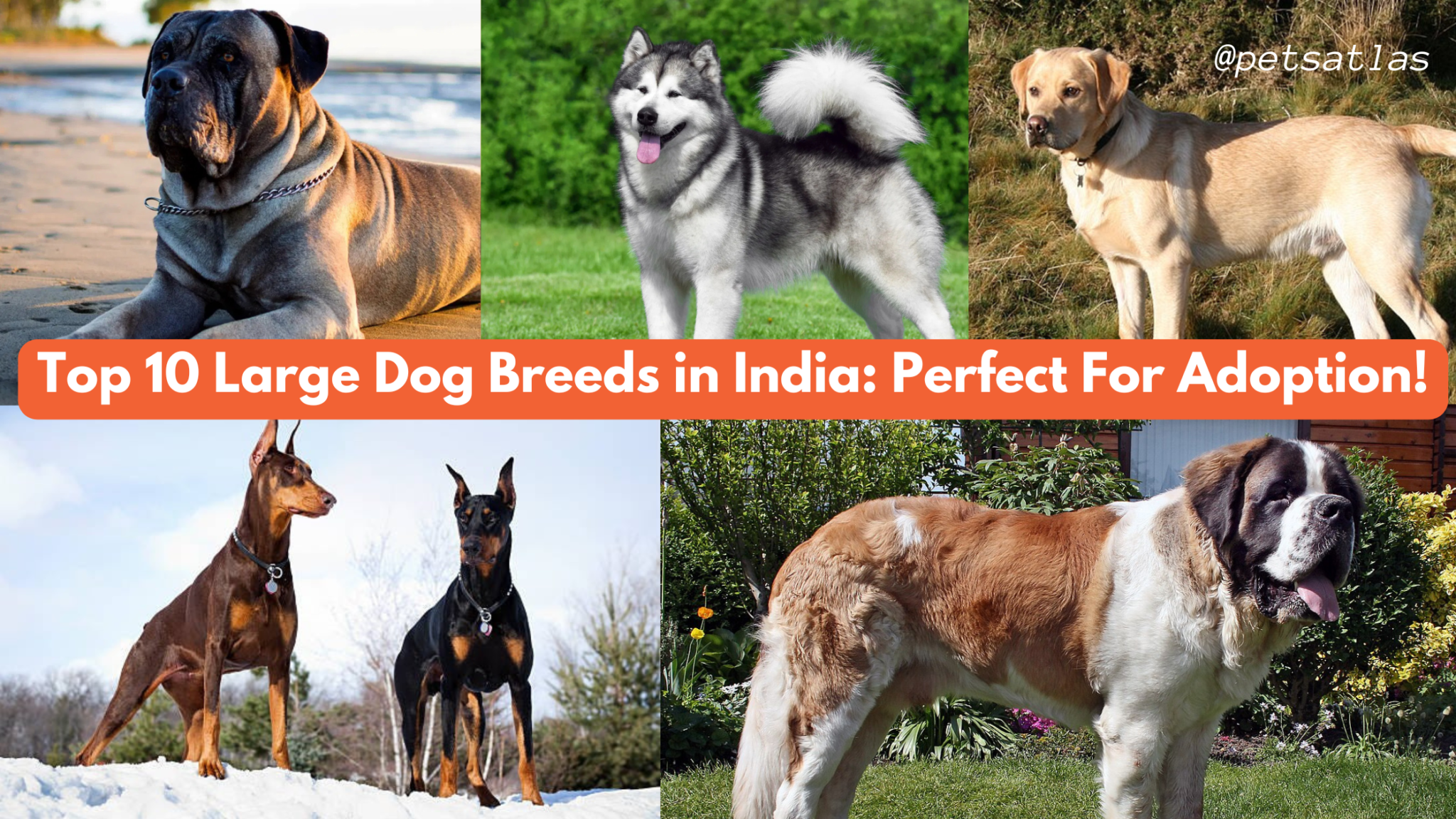
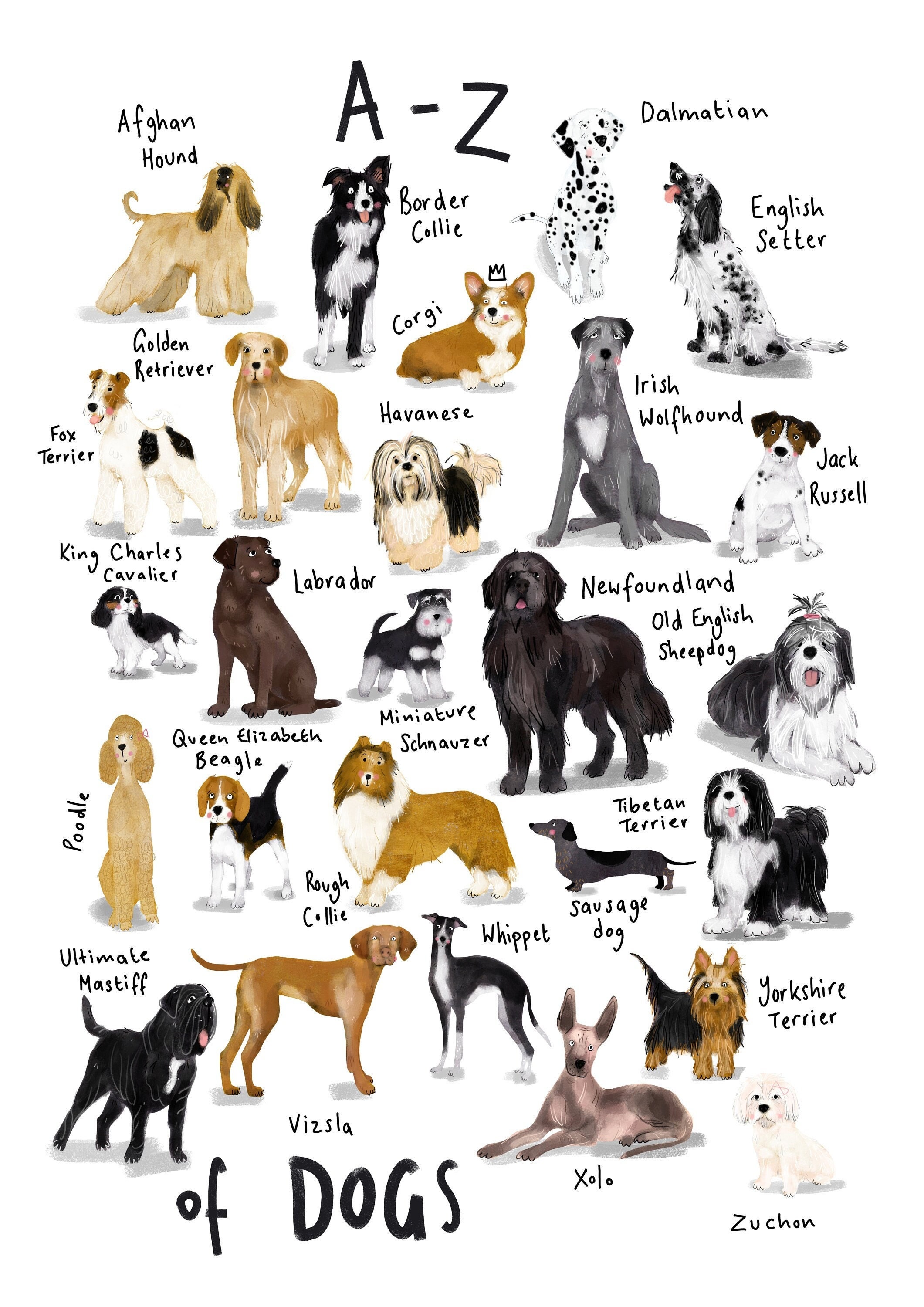
Dog breeds available in india span a diverse mix of native working lines, tropical-adapted Molossers, and popular imported companion groups that require specialized regional management. According to the American Animal Hospital Association (AAHA), proactive health monitoring and breed-specific environmental adjustments remain critical for optimal companion animal longevity across varied global climates. Evaluating physiological thresholds, behavioral predispositions, and localized veterinary care infrastructure ensures that domestic canines thrive regardless of geographical habitat constraints. Careful selection within these categories directly influences long-term welfare, dietary efficacy, and preventable veterinary interventions for pet parents navigating Dog Breeds.
Pet Wellness & Behavior Snapshot:
- Core Focus: Physiological and behavioral profiles of dog breeds available in india under tropical conditions.
- Target Scope: Urban and rural companion animal care, canine behavioral cues, and regional veterinary medicine.
- Key Recommendation: Match thermal tolerance and exercise quotas strictly to individual breed capacities to prevent heat stress.
Core Principles and Detailed Overview
Dog breeds available in india require distinct physical maintenance, targeted behavioral socialization, and strict nutritional oversight to mitigate heat-related illnesses and environmental pathogens. Native landraces such as the Indian Pariah Dog and Mudhol Hound demonstrate exceptional natural immunity and heat tolerance, whereas brachycephalic or heavy-coated imported breeds demand rigorous climate control and continuous monitoring for respiratory distress. Clinical assessments consistently highlight that understanding canine behavioral cues prevents territorial escalation and fear-based aggression during high-stimulus urban integration. Integrating evidence-based frameworks found within Dog Health protocols ensures that metabolic rates, coat maintenance routines, and parasitic prevention align with regional disease vectors.
Key Specifications and Breakdown
| Observed Indicator / Factor | Veterinary & Behavioral Explanation | Actionable Management Protocol |
|---|---|---|
| Thermal Stress & Panting | Thick-coated imports struggle with high ambient temperatures, leading to rapid electrolyte depletion and hyperthermia. | Provide constant air conditioning, limit outdoor exposure to early mornings, and maintain deep hydration bowls. |
| Tick-Borne Pathogen Susceptibility | Tropical climates accelerate ectoparasite proliferation, increasing the risk of hemoparasitic infections and anaplasmosis. | Administer strict monthly veterinary-approved systemic parasiticides alongside routine environmental yard treatments. |
| Urban Overstimulation Reactivity | High-density traffic and street noise trigger chronic cortisol spikes in sensitive guard or companion lineages. | Implement controlled desensitization training protocols and safe retreat zones inside the primary living quarters. |
Comprehensive parasite control and environmental thermal management are mandatory clinical standards for maintaining companion animal safety in tropical ecosystems. — American Veterinary Medical Association (AVMA)
Step-by-Step Practical Application and Guidelines
Selecting and managing dog breeds available in india necessitates a systematic evaluation of housing capacity, daily exercise output, and professional veterinary accessibility. Caregivers must first assess ambient thermal profiles within the living space, ensuring that imported or double-coated dogs possess adequate cooling options before introduction. Next, nutritional formulations must be balanced using high-quality commercial proteins or regulated home-prepared diets that account for lower caloric burn during peak heat waves. Finally, establishing a behavioral baseline through structured Dog Training regimens allows handlers to preemptively identify stress indicators, resource guarding, or reactivity before escalation occurs.
Common Challenges and How to Avoid Them
Misjudging the exercise and dietary requirements of working versus companion groups remains a primary driver of canine obesity, joint degeneration, and behavioral displacement in domestic settings. Pet parents frequently overlook subtle physical indicators of dehydration or skin dermatitis caused by high humidity and secondary fungal infections. Avoiding these clinical pitfalls requires scheduling biannual veterinary wellness exams, maintaining rigorous grooming schedules to inspect the undercoat for parasites, and adhering strictly to veterinarian-approved Dog Nutrition standards. Proactive monitoring prevents acute medical emergencies and fosters long-term emotional stability across all regional canine populations.
💬 Frequently Asked Questions
Explore More Pet Care and Animal Health Guides on PetsAnimalsWorld
Maintaining an optimal standard of living for domestic companions involves continuous education regarding behavior modification, preventive medicine, and species-appropriate husbandry. Caregivers can expand their knowledge base by exploring specialized resources dedicated to Dog Care and Dog Behavior. Visit Pets Animals World to discover expert-backed articles designed to support lifelong canine wellness and enrich the human-animal bond.
Visual Reference Gallery