Introduction
Dog care dog collar instructions dictate the precise selection, daily sizing, and safety monitoring required to prevent physical trauma and manage canine behavioral compliance effectively. According to the American Animal Hospital Association (AAHA), proper daily equipment management is essential for safeguarding canine anatomical structures from chronic pressure injuries while maintaining reliable control during routine outings. Adhering to professional sizing guidelines ensures that medical identification tags, leash attachments, and specialized training tools function without compromising respiratory health or restricting natural movement. Implementing correct usage protocols directly supports comprehensive Dog Care frameworks, bridging physical safety with behavioral predictability in domestic settings.
Pet Wellness & Behavior Snapshot:
- Core Focus: Safe selection, anatomical fitting, and maintenance protocols for canine neckwear.
- Target Scope: Everyday pet health management, behavioral handling, and injury prevention.
- Key Recommendation: Maintain a standard two-finger clearance and regularly inspect hardware integrity.
Core Principles and Detailed Overview
Dog care dog collar instructions center on the intersection of biomechanics, dermatological health, and behavioral communication. Selecting the appropriate model requires evaluating the individual animal’s Dog Breeds anatomy, fur density, and cervical sensitivity to avoid localized alopecia, tracheal bruising, or skin friction dermatitis. Flat collars suit daily identification and light leash guidance, whereas harness alternatives prove necessary for brachycephalic variants prone to respiratory compromise. Furthermore, nutritional status heavily influences physical fit; sudden weight fluctuations resulting from specialized Dog Nutrition plans necessitate frequent perimeter re-evaluations to maintain optimal tightness. Caregivers must balance secure restraint with absolute comfort, ensuring that hardware never pinches loose skin or interferes with normal swallowing mechanics.
Key Specifications and Breakdown
| Observed Indicator / Factor | Veterinary & Behavioral Explanation | Actionable Management Protocol |
|---|---|---|
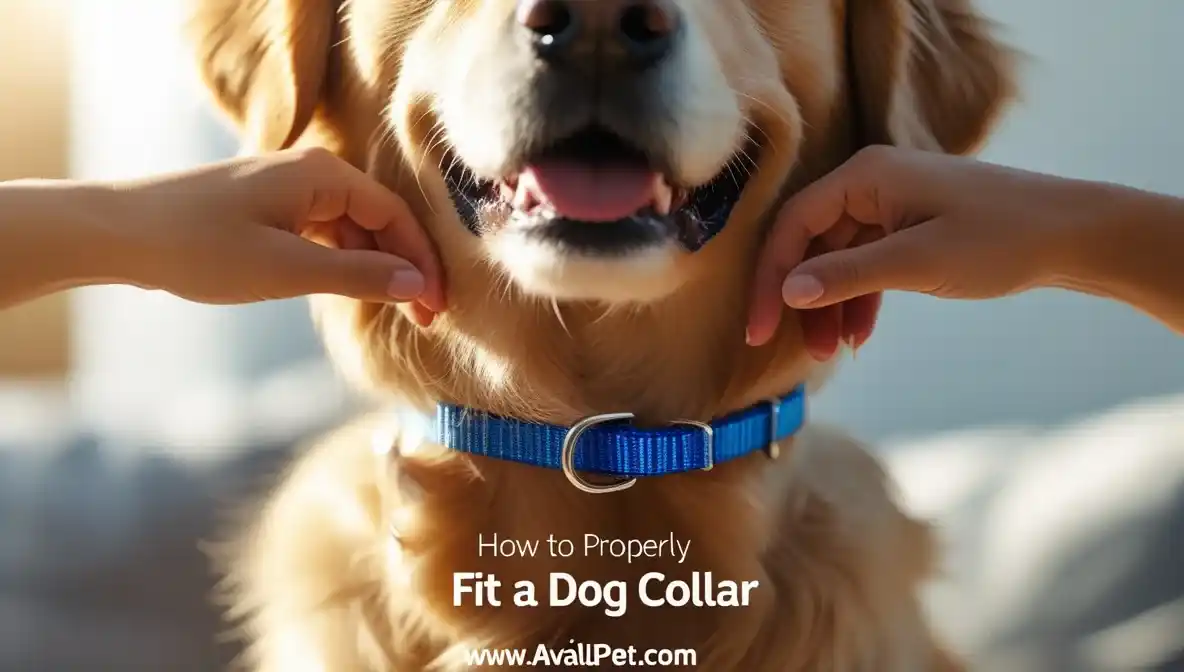
| Two-Finger Clearance | Prevents excessive tracheal compression while stopping the device from slipping over the ears. | Slide two flat fingers vertically beneath the band; adjust slider if resistance feels too tight or loose. |
| Skin Redness or Hair Loss | Indicates chronic friction, moisture entrapment, or an allergic reaction to metallic components. | Remove immediately, cleanse the affected area, and transition to a hypoallergenic fabric alternative. |
| Sudden Pulling Behavior | Triggers acute cervical strain and potential damage to the thyroid gland and carotid structures. | Consult structured Dog Training methods and integrate a front-clip body harness. |
Proper equipment fit requires continuous evaluation of neck circumference and skin integrity to prevent structural soft-tissue damage during routine handling. — American Veterinary Medical Association (AVMA). Related guide: Boarding For Unneutered Male Dogs.
Step-by-Step Practical Application and Guidelines
Dog care dog collar instructions require a systematic approach to sizing, continuous wear management, and periodic hardware evaluation. Caregivers must measure the widest part of the neck using a flexible tape measure, adding adequate allowance to satisfy the standard finger-spacing rule. Once fitted, the equipment should undergo weekly checks to verify that buckles lock securely and nylon webbing shows no signs of fraying or UV degradation. Dogs experiencing sudden behavioral reactivity should be evaluated through dedicated Dog Behavior modification programs rather than relying on a tight correction device, which exacerbates fear responses. Additionally, all wearable items must be removed during crating, indoor rough play, or unsupervised kennel time to eliminate severe snagging and strangulation hazards.
Common Challenges and How to Avoid Them
Dog care dog collar instructions frequently fail when owners misjudge growth rates in puppies or overlook moisture accumulation underneath wide leather bands. Trapped moisture from swimming or bathing rapidly promotes bacterial and fungal skin infections, requiring thorough drying of both the animal’s neck and the fabric strap after water exposure. Monitoring internal Dog Health markers ensures that sudden lethargy or coughing is not mistakenly attributed to harness fatigue when it actually stems from underlying respiratory pathology. Caregivers must establish a strict routine of replacing worn hardware annually, regardless of apparent cosmetic durability, to guarantee that emergency restraint mechanisms never fail unexpectedly.
💬 Frequently Asked Questions
Explore More Pet Care and Animal Health Guides on PetsAnimalsWorld
Mastering canine maintenance requires continuous education across all facets of companion animal husbandry. Expand your knowledge base by exploring specialized resources, professional health protocols, and expert handling strategies available throughout the comprehensive library at Pets Animals World.
Visual Reference Gallery