Introduction
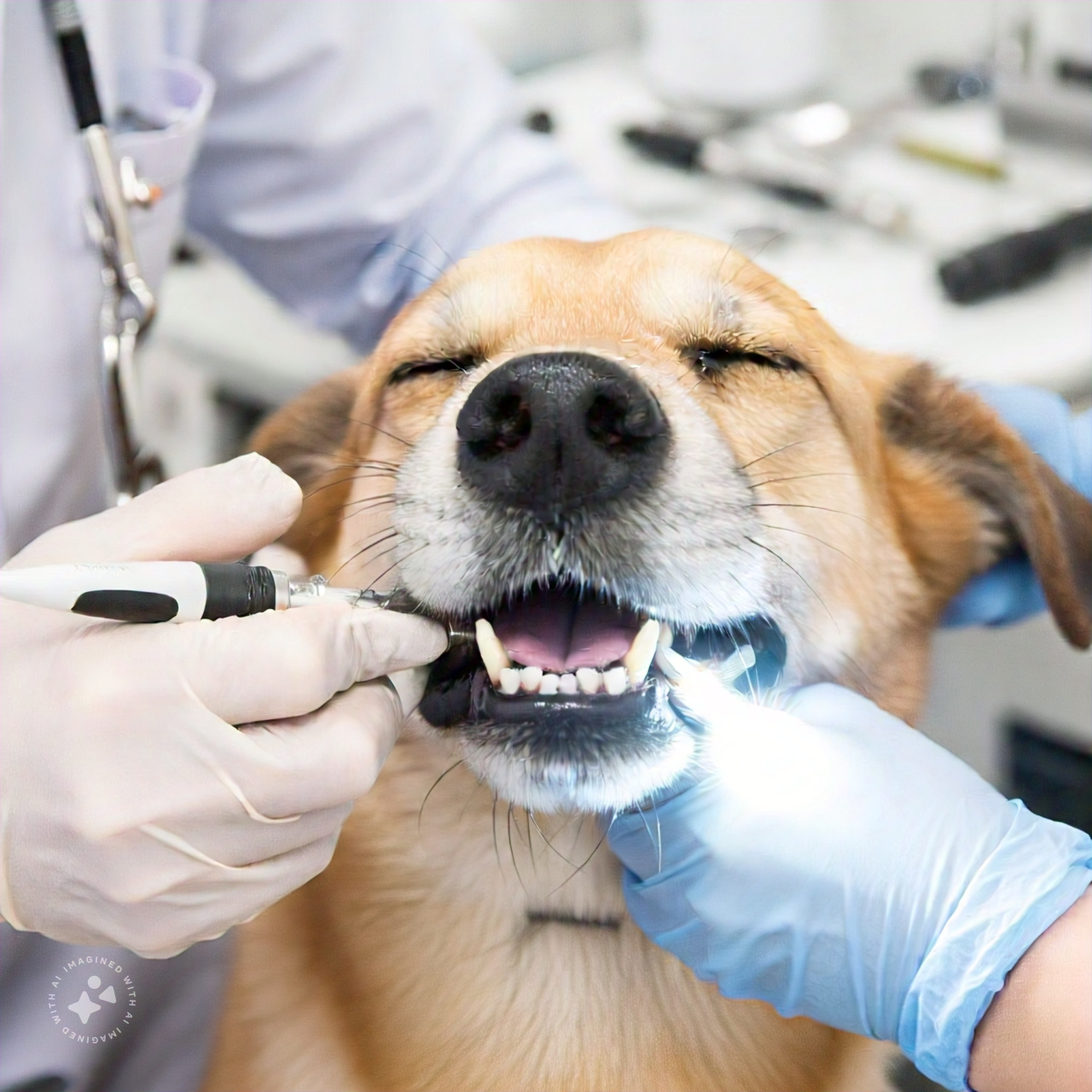
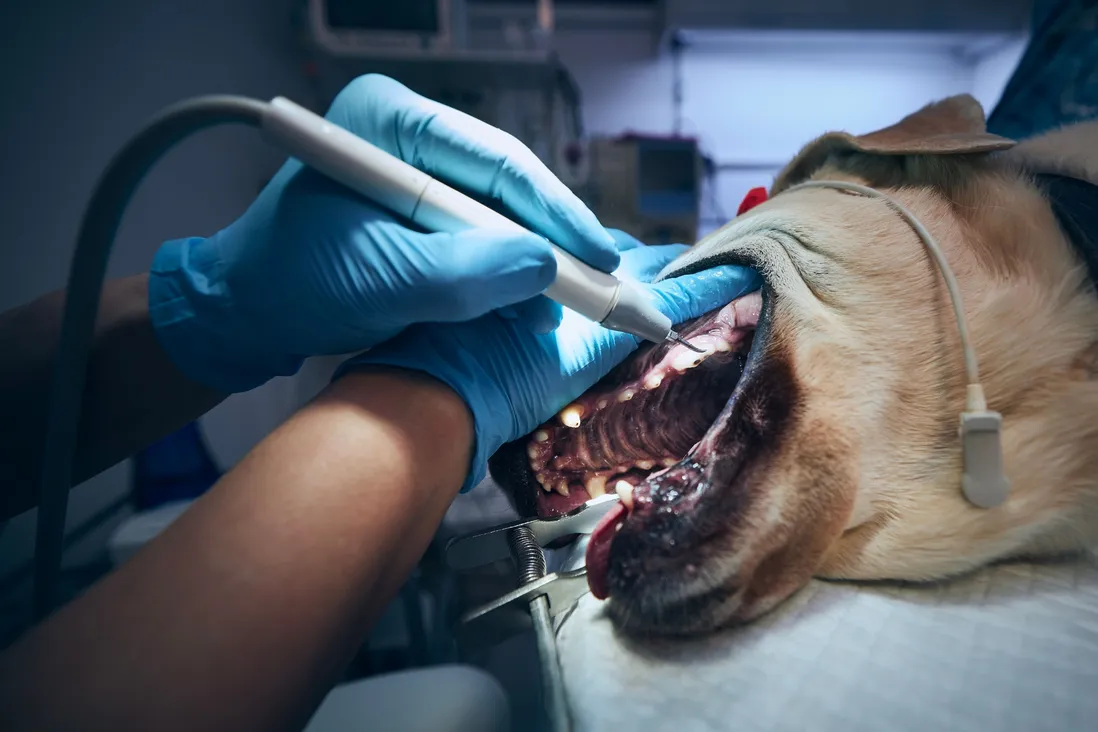
Comprehensive dog dental care involves daily preventative hygiene, professional veterinary cleanings, and appropriate nutritional management to maintain canine oral health and systemic well-being. According to the American Animal Hospital Association (AAHA), periodontal disease affects the vast majority of adult dogs by three years of age, necessitating proactive clinical intervention. Maintaining pristine oral health requires addressing both anatomical maintenance and associated Dog Behavior patterns to ensure safe handling during daily routines. Implementing structural health measures prevents secondary cardiac, hepatic, and renal complications stemming from subgingival bacterial translocation. Integrating oral hygiene into regular Dog Health protocols secures long-term vitality for companion animals.
Pet Wellness & Behavior Snapshot:
- Core Focus: Systematic elimination of plaque, calculus, and periodontal inflammation via veterinary and at-home interventions.
- Target Scope: All canine life stages, with special emphasis on brachycephalic and toy Dog Breeds prone to crowding.
- Key Recommendation: Combine daily mechanical tooth brushing with Veterinary Oral Health Council (VOHC) accepted chews.
Core Principles and Detailed Overview
Periodontal disease management centers on disrupting bacterial biofilm before mineralization converts soft plaque into hard dental calculus. Direct answer: Routine mechanical abrasion combined with enzymatic toothpaste application remains the absolute gold standard for halting gingival attachment loss. Plaque accumulation triggers localized inflammatory responses, resulting in gingivitis, bone resorption, and eventual tooth loss. Behavioral conditioning is often required to acclimate sensitive canines to oral manipulation, connecting toothbrushing with positive reinforcement protocols found in structured Dog Training plans. Furthermore, evaluating Dog Nutrition ensures diets do not inadvertently promote excessive carbohydrate residue retention on tooth crowns.
Key Specifications and Breakdown
| Observed Indicator / Factor | Veterinary & Behavioral Explanation | Actionable Management Protocol |
|---|---|---|
| Halitosis | Volatile sulfur compounds produced by anaerobic bacteria indicate active subgingival infection and decay. | Schedule a comprehensive veterinary oral assessment and initiate daily plaque removal. |
| Jaw Hesitancy | Pain from resorptive lesions or fractured teeth causes reluctance to chew hard items or dry kibble. | Transition to softened diets temporarily and consult a veterinarian for intraoral radiographs. |
| Gingival Bleeding | Inflamed mucosal tissue bleeds easily upon contact due to vascular engorgement from bacterial endotoxins. | Cease aggressive brushing temporarily, introduce enzymatic gels, and seek professional scaling. |
Periodontal disease represents the most common clinical condition occurring in adult dogs, with prevention requiring a multi-modal approach combining home maintenance and professional veterinary oversight. — American Veterinary Medical Association (AVMA). Related guide: Boarding For Unneutered Male Dogs.
Step-by-Step Practical Application and Guidelines
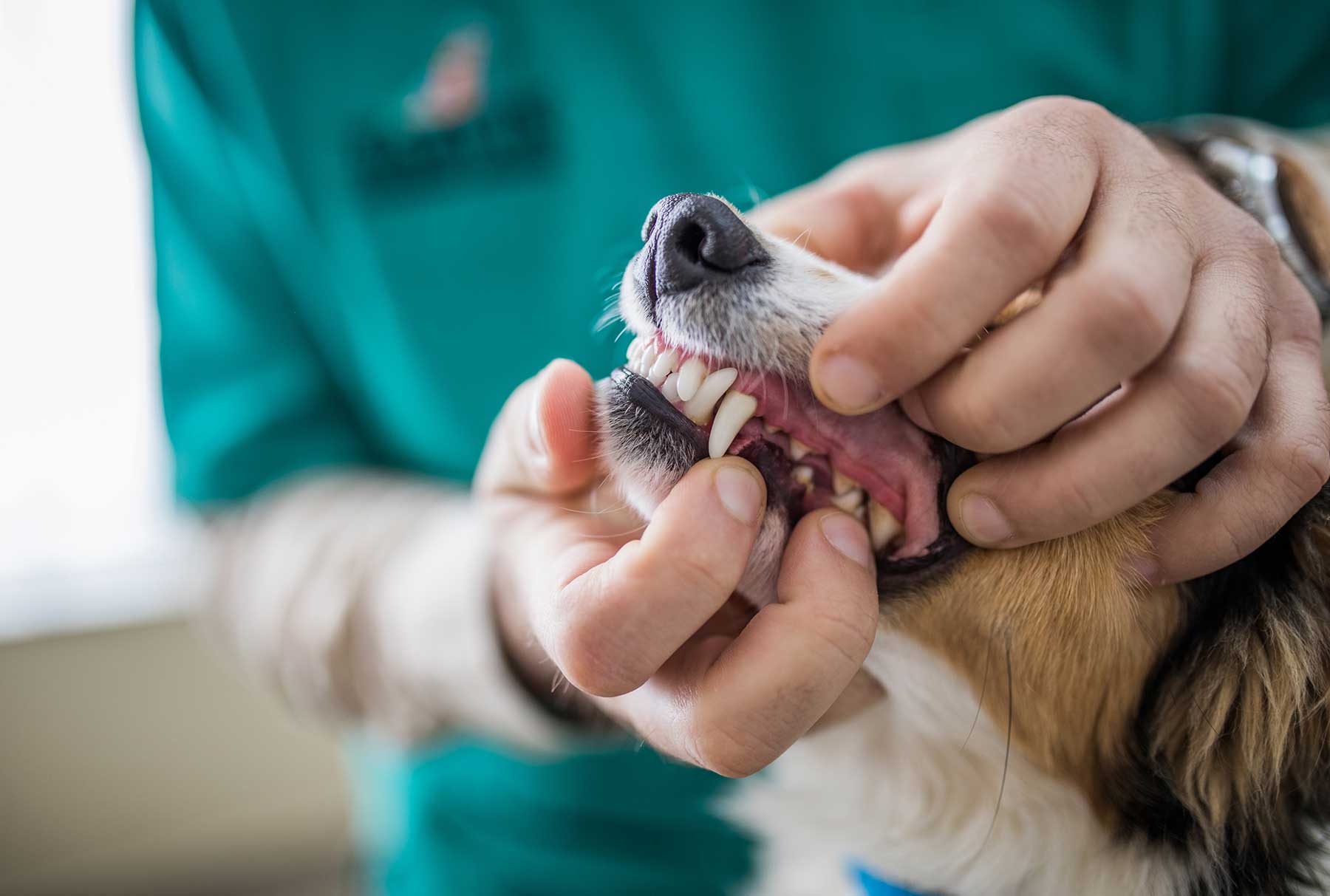
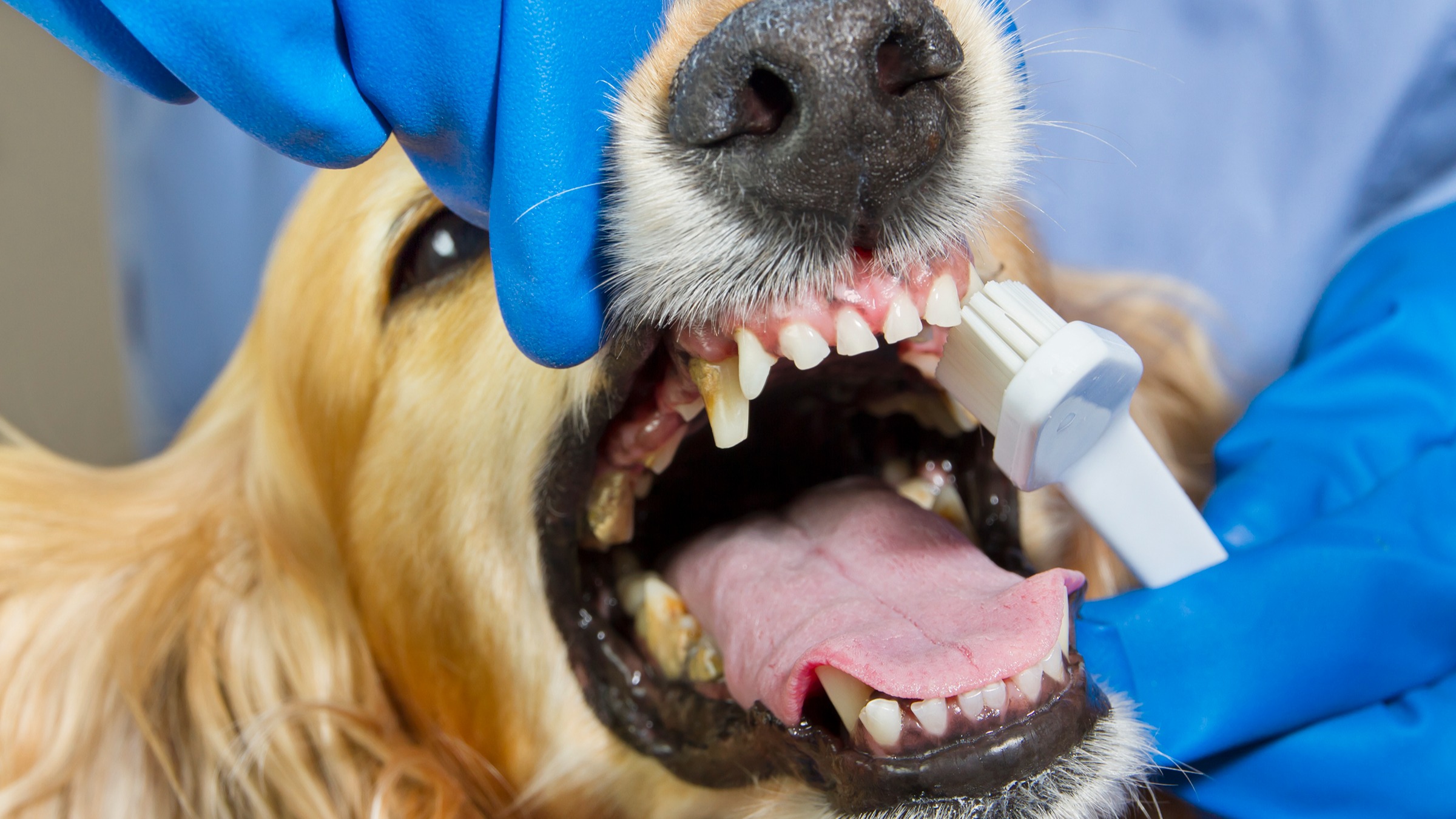
Establishing a successful home dental routine requires gradual desensitization paired with safe, palatable enzymatic pastes specifically formulated for canines. Direct answer: Caregivers should begin by introducing the paste flavor on a finger, progressing slowly to gauze-wrapped fingers, and finally utilizing a soft-bristled canine toothbrush at a 45-degree angle to the gumline. Incorporating balanced Dog Care habits ensures consistency, making daily brushing a stress-free experience. Regular monitoring of oral structures allows early detection of fractured carnassial teeth, subgingival swelling, or abnormal mucosal masses that require immediate veterinary intervention.
Common Challenges and How to Avoid Them
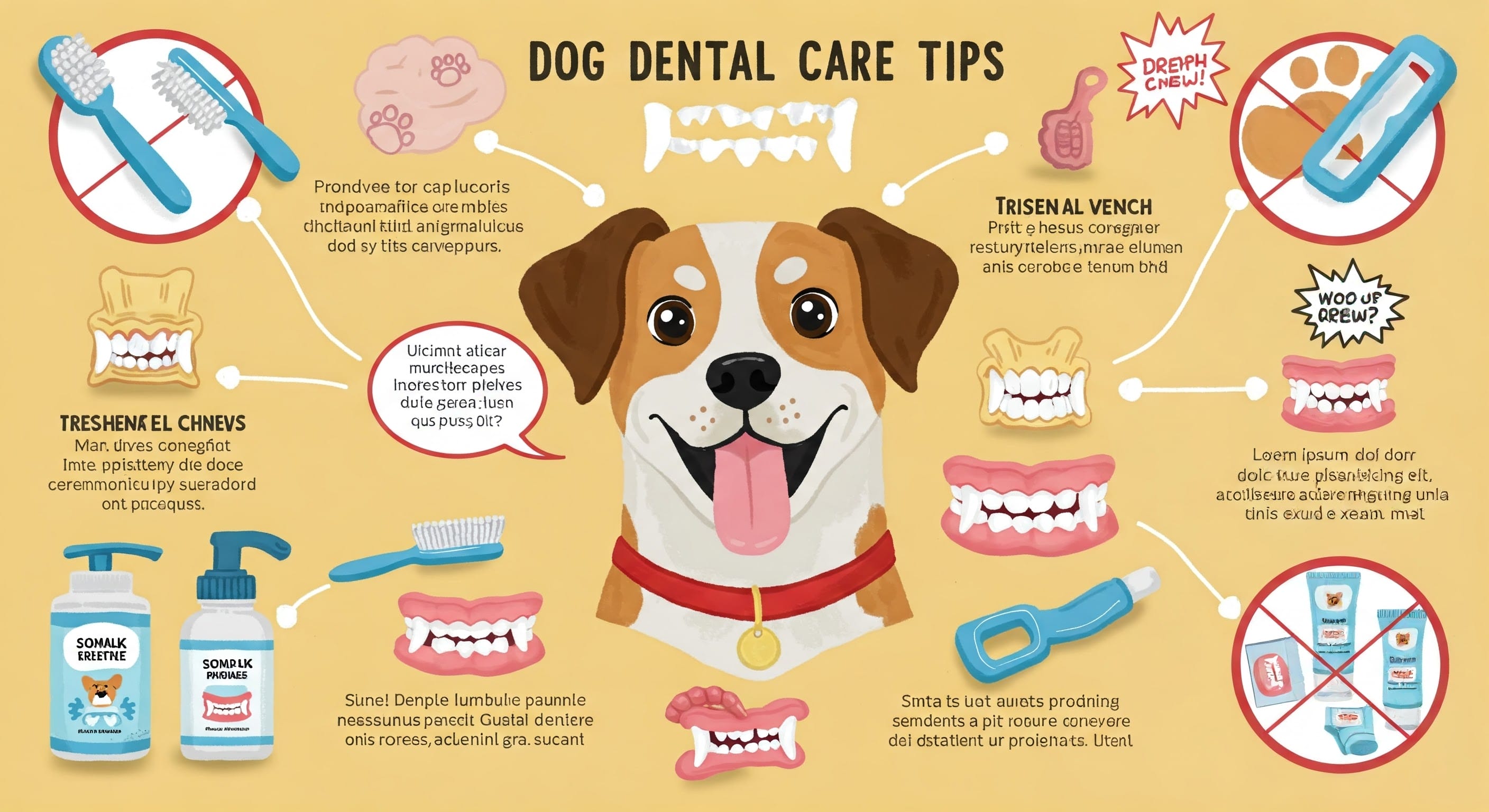
Resistance to oral handling and the use of human dental products represent the most frequent pitfalls encountered during home dental regimens. Direct answer: Human toothpastes containing xylitol or high levels of foaming agents are highly toxic and must be strictly avoided in favor of pet-safe enzymatic alternatives. For animals displaying defensive behavioral cues during handling, desensitization must proceed at a measured pace without forcing compliance, which could precipitate fear-based aggression. Utilizing VOHC-accepted dental diets and chew treats provides a reliable adjunct when mechanical brushing proves temporarily unmanageable.
💬 Frequently Asked Questions
Explore More Pet Care and Animal Health Guides on PetsAnimalsWorld
Optimizing canine wellness extends far beyond oral hygiene, encompassing holistic lifestyle management and preventative medicine. Caregivers seeking further educational resources on companion animal health, behavioral development, and species-appropriate husbandry can discover extensive expert guides across the library at Pets Animals World.
Visual Reference Gallery