

Understanding the sharp-toothed reality of doberman puppy playful biting reasons
According to the American Kennel Club, early puppyhood is defined by intense oral exploration, making mouthing a standard part of development. When welcoming a young Doberman Pinscher into a household, families frequently encounter needle-sharp teeth making contact with hands, clothing, and ankles. This behavior can feel overwhelming, especially given the athletic build and intelligence of this working breed. Recognizing why these juveniles nip and chew helps caregivers respond with patience rather than frustration. By exploring the root causes behind this mouthing behavior, owners can better navigate the early months of development while laying a strong foundation for future Dog Training.
💡 Pet Care Key Takeaways:
- Core Focus: Practical health, nutrition, and wellness guidelines for Doberman Puppy Playful Biting Reasons.
- Target Scope: Pet owners, animal caregivers, and veterinary support staff.
- Best Recommendation: Maintain consistent daily routines and consult an accredited veterinarian before introducing major diet or medical changes.
Exploring the primary doberman puppy playful biting reasons during early development
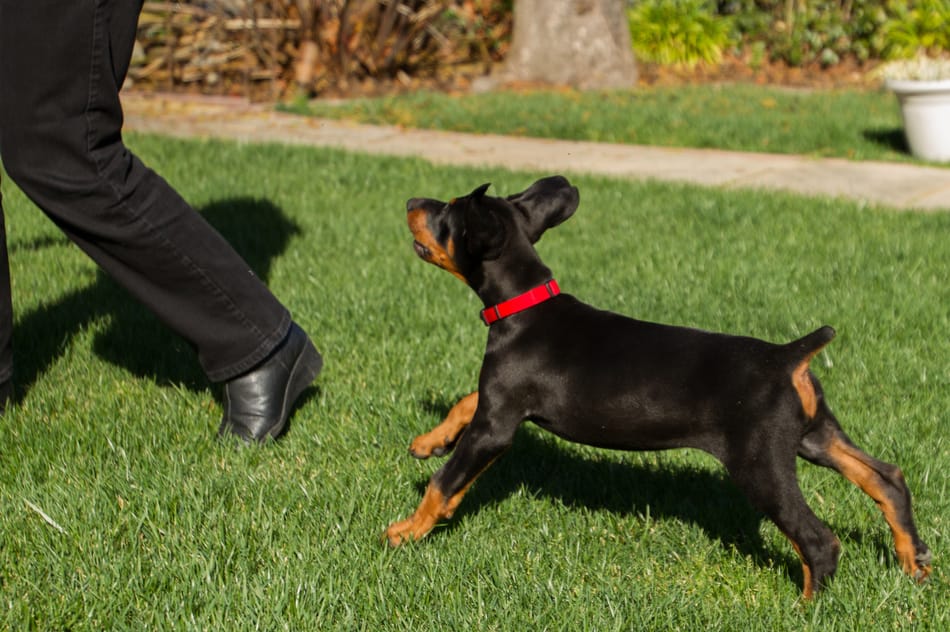
Doberman puppy playful biting reasons stem primarily from normal canine communication, physical teething discomfort, and high genetic drive. Canines lack hands, meaning they use their mouths to interact with, test, and understand their environment. During the first few months of life, littermates teach each other bite inhibition through vocal feedback when a nip becomes too hard. Furthermore, the arrival of adult teeth causes significant gum inflammation, prompting a strong desire to chew on objects and warm skin alike. Beyond teething, the Doberman heritage as an alert guardian breed means these youngsters possess high energy and a natural inclination toward active physical engagement.
Managing the behavioral impact of sharp teeth on household dynamics
Unchecked mouthing can quickly strain the bond between a growing canine and human family members if proper boundaries are not established early on. Canine behaviorists note that failing to redirect this youthful energy can inadvertently reinforce the behavior, teaching youngsters that teeth-on-skin gets attention. In clinical settings, practitioners frequently observe young dogs becoming over-aroused during play sessions, turning a simple game of fetch into an unintentional wrestling match. Establishing clear, consistent rules helps mitigate these risks, ensuring that the household remains a safe and harmonious environment for both humans and animals alike. For more related activities, check out our Dog Uti Behavior Change.
Puppies explore the world primarily through tactile and oral investigation, making mouthing a natural developmental milestone rather than an act of aggression. — American Kennel Club
Implementing effective strategies to handle doberman puppy playful biting reasons
Consistency and positive reinforcement serve as the most effective tools for redirecting unwanted teeth away from human skin. Whenever a young Doberman makes contact with hands during play, caregivers should immediately freeze, avoid high-pitched vocalizations that mimic prey, and redirect the puppy’s attention to an appropriate chew toy. If the behavior persists, calmly stepping away for a brief timeout removes the reward of human interaction. This teaches the juvenile that gentle behavior keeps the fun going, while sharp teeth bring playtime to an abrupt halt.
Avoiding common pitfalls while training your young Doberman
Physical punishments, shouting, or alpha-rolling should always be avoided, as these outdated methods can induce fear, damage trust, and escalate defensive aggression. Another frequent mistake involves using bare hands to wrestle or play tug-of-war, which inadvertently confuses the animal regarding what is acceptable to bite. Instead, always keep a sturdy toy between hands and paws during active play sessions. Maintaining this clear boundary prevents mixed signals and accelerates the learning process for an intelligent working breed.
Positive reinforcement and structured redirection are proven to build reliable bite inhibition without harming the animal’s developing confidence. — Association of Professional Dog Trainers
Pet Care & Wellness Overview Table
| Life Stage | Daily Activity Level | Key Nutrition / Care Focus |
|---|---|---|
| Puppy / Kitten | High (frequent short bursts) | High-protein growth diet & early socialization |
| Adult Companion | Moderate (30–60 mins daily) | Balanced maintenance nutrition & dental hygiene |
| Senior Pets | Low to Gentle (mindful walks) | Joint support (Glucosamine) & routine vet checks |
Images References


Breed-specific traits and temperament considerations for the growing Doberman
Dobermans are renowned for their high intelligence, loyalty, and sensitivity, meaning they thrive under structured mental and physical stimulation. Because these dogs mature relatively slowly—often retaining puppy-like exuberance well past their first year—patience is required throughout adolescence. Their sharp focus and athletic nature mean that boredom can quickly manifest as destructive chewing or nuisance nipping. Providing appropriate outlets, such as puzzle toys, obedience games, and regular aerobic exercise, channels their natural drive in a constructive direction.
When to consult a veterinary professional or certified behaviorist
While normal mouthing decreases significantly as adult teeth settle in, persistent hard biting accompanied by stiff body posture, growling, or snapping requires professional intervention. General education cannot replace an individualized assessment by a qualified expert when safety is a concern. Caregivers should reach out to a certified professional dog trainer or veterinary behaviorist if biting fails to improve with standard redirection techniques, or if the behavior appears rooted in fear or true aggression rather than playful exploration.
Building a lifelong bond through understanding and gentle guidance
Navigating the early months with a spirited canine companion requires a balance of firm consistency, empathy, and deep breed knowledge. By addressing the root motivations behind these actions, families can guide their dogs toward becoming well-mannered, confident adult companions. For more expert insights on keeping your canine healthy and happy, explore additional resources across Dog Behavior, Dog Breeds, and Dog Care available right here at PetsAnimalsWorld.com.




