

Recognizing American bully bumps on skin early helps protect canine well-being and prevents minor irritations from escalating into severe dermatological concerns.
According to the American Kennel Club, skin conditions consistently rank among the most frequent reasons dog owners seek veterinary care for their companion animals. Within the veterinary clinic, examining a muscular, short-haired companion with unexpected cutaneous anomalies is a daily occurrence. Daily hands-on examinations reveal that these muscular dogs often present with various dermal irregularities due to their short coats and sensitive dermis. As professionals dedicated to canine medicine, veterinarians observe that spotting these physical changes promptly makes a tremendous difference in treatment outcomes. Owners frequently notice unusual textures while petting their companions during evening relaxation. Furthermore, understanding what these dermal blemishes signify brings immense peace of mind to dedicated pet parents striving to provide optimal Dog Health support.
💡 Pet Care Key Takeaways:
- Core Focus: Practical health, nutrition, and wellness guidelines for American Bully Bumps On Skin.
- Target Scope: Pet owners, animal caregivers, and veterinary support staff.
- Best Recommendation: Maintain consistent daily routines and consult an accredited veterinarian before introducing major diet or medical changes.
American bully bumps on skin refer to any localized swelling, lump, pustule, or raised lesion appearing on the outer cutaneous layer of this specific muscular breed.
These cutaneous anomalies can range from tiny, pimple-like follicles to larger, soft masses hidden beneath a smooth, glossy coat. The term encompasses a wide variety of underlying medical diagnoses, meaning two dogs presenting with identical-looking spots might require completely different medical interventions. Short-haired breeds like the American Bully lack the thick fur barrier that protects other dogs from environmental allergens, insect bites, and direct friction. Consequently, their skin reacts visibly to external triggers, resulting in localized inflammation. Establishing a proper diagnosis requires looking beyond the surface appearance, as benign folliculitis (inflammation of hair follicles) can sometimes mimic more serious neoplastic growths.
Unchecked skin lesions can significantly impact a dog’s daily comfort, leading to chronic itching, secondary bacterial infections, and behavioral distress.
When canine companions experience persistent irritation, their quality of life diminishes rapidly as they spend hours scratching, licking, or chewing at the affected areas. Constant trauma to the epidermis breaks the natural protective barrier, inviting opportunistic bacteria to invade and create painful hot spots or deep pyoderma (bacterial skin infection). Beyond physical discomfort, chronic skin trouble alters canine demeanor, often causing restlessness, irritability, and sleeplessness during the night. Clinical practice frequently demonstrates that dogs suffering from untreated pruritus (severe itching) exhibit stress-related behaviors that confuse owners unfamiliar with medical causes of anxiety. Addressing these physical irritants promptly restores both physical comfort and emotional stability.
Skin allergies and dermatological flare-ups account for millions of veterinary visits annually — American Kennel Club
Managing American bully bumps on skin requires a systematic approach involving accurate diagnosis, targeted medical treatments, and consistent environmental adjustments.
Veterinarians typically begin the diagnostic process by performing a cytology test, which involves pressing a glass slide against an oozing lesion or taking a gentle skin scrape to examine cells under a microscope. Depending on the laboratory findings, treatment plans may include medicated shampoos, topical antimicrobial mousses, targeted elimination diets, or systemic medications. It remains vital to confirm specific dosages and treatment regimens with a qualified veterinarian, as self-treating without a professional diagnosis frequently worsens the condition. Alongside medical protocols, maintaining a clean living space and washing bedding frequently in hypoallergenic detergents minimizes recurring environmental triggers.
Avoiding common grooming mistakes and improper home remedies prevents minor skin flare-ups from escalating into complicated veterinary emergencies.
One frequent misstep involves applying human over-the-counter hydrocortisone creams or harsh antiseptic liquids to canine lesions without professional guidance. Many human formulations contain ingredients that can be toxic or excessively drying when absorbed through a dog’s thin dermal layer. Additionally, scrubbing raw lesions with abrasive brushes during baths only intensifies inflammation and spreads localized bacteria across the body. Instead, gentle cleansing with vet-approved hypoallergenic products preserves the skin barrier while healing takes place. Careful observation during routine grooming sessions remains the cornerstone of effective preventative management.
Environmental allergens and food sensitivities are among the leading triggers for recurring canine dermatological lesions — American Veterinary Medical Association
Pet Care & Wellness Overview Table
| Life Stage | Daily Activity Level | Key Nutrition / Care Focus |
|---|---|---|
| Puppy / Kitten | High (frequent short bursts) | High-protein growth diet & early socialization |
| Adult Companion | Moderate (30–60 mins daily) | Balanced maintenance nutrition & dental hygiene |
| Senior Pets | Low to Gentle (mindful walks) | Joint support (Glucosamine) & routine vet checks |
Images References


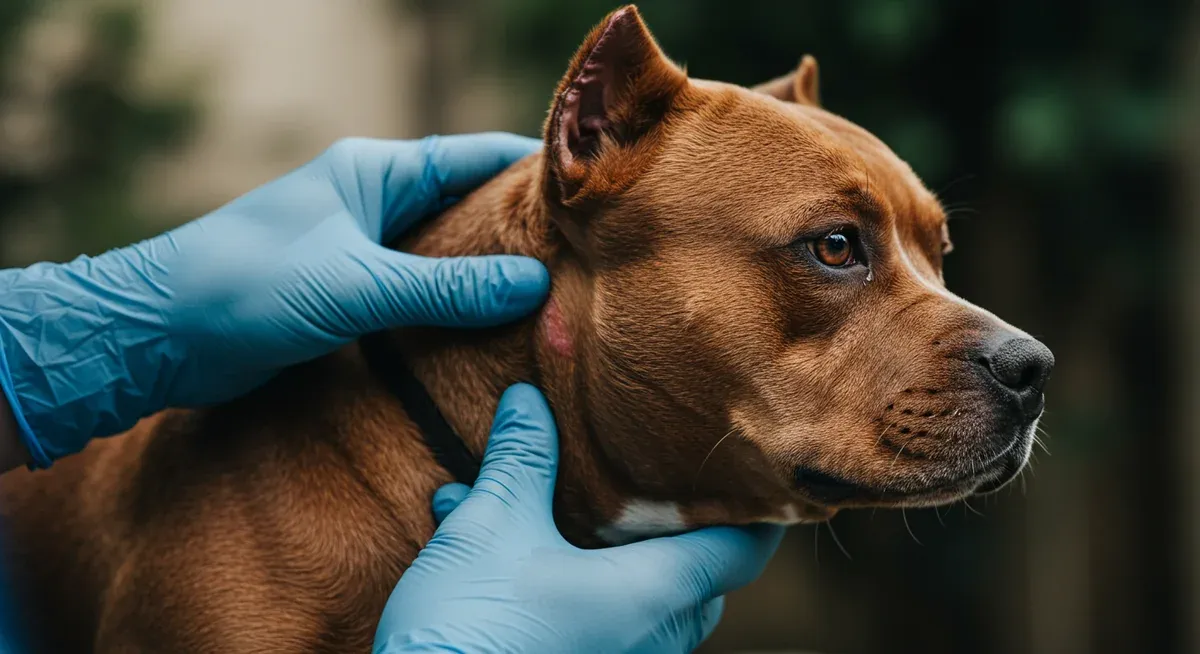


Breed-specific genetic predispositions and physical characteristics heavily influence how American Bullies develop and react to various dermal conditions.
Breeding lines selected for heavy muscling and short, single coats often possess heightened cutaneous sensitivity compared to heavily insulated double-coated dogs. Environmental factors such as grass pollens, dust mites, and contact with synthetic fabrics trigger immune-mediated responses more readily in these athletic dogs. Furthermore, skin folds around the muzzle or tail pocket trap moisture and bacteria, creating prime breeding grounds for yeast and bacterial dermatitis. Recognizing these inherent structural traits helps caregivers implement proactive hygiene routines tailored specifically to the unique needs outlined in proper Dog Care guidelines.
Professional veterinary evaluation is always necessary when skin lesions persist, grow rapidly, bleed, cause severe distress, or fail to respond to initial home care.
Attempting to diagnose complex dermal masses visually without diagnostic testing can lead to dangerous delays in treating serious conditions like mast cell tumors or autoimmune disorders. A veterinarian possesses the specialized tools, such as fine-needle aspirates and skin biopsies, required to differentiate between harmless cysts and aggressive malignancies. If a companion displays signs of distress, lethargy, or widespread hair loss alongside dermal changes, immediate clinical attention is warranted. Partnering with a licensed veterinary professional ensures that every treatment plan safely aligns with the specific health status and medical history of the individual dog.
Supporting long-term wellness for muscular canine companions involves combining proactive veterinary partnerships with attentive daily maintenance routines.
By staying vigilant and addressing minor cutaneous changes before they develop into widespread infections, caregivers ensure their companions live comfortable, vibrant lives. Exploring valuable resources across PetsAnimalsWorld.com, including dedicated guides on Dog Nutrition and specific insights into various Dog Breeds, empowers owners with comprehensive knowledge. Every small step taken toward better health education translates into a happier, healthier life for cherished animal companions.




