
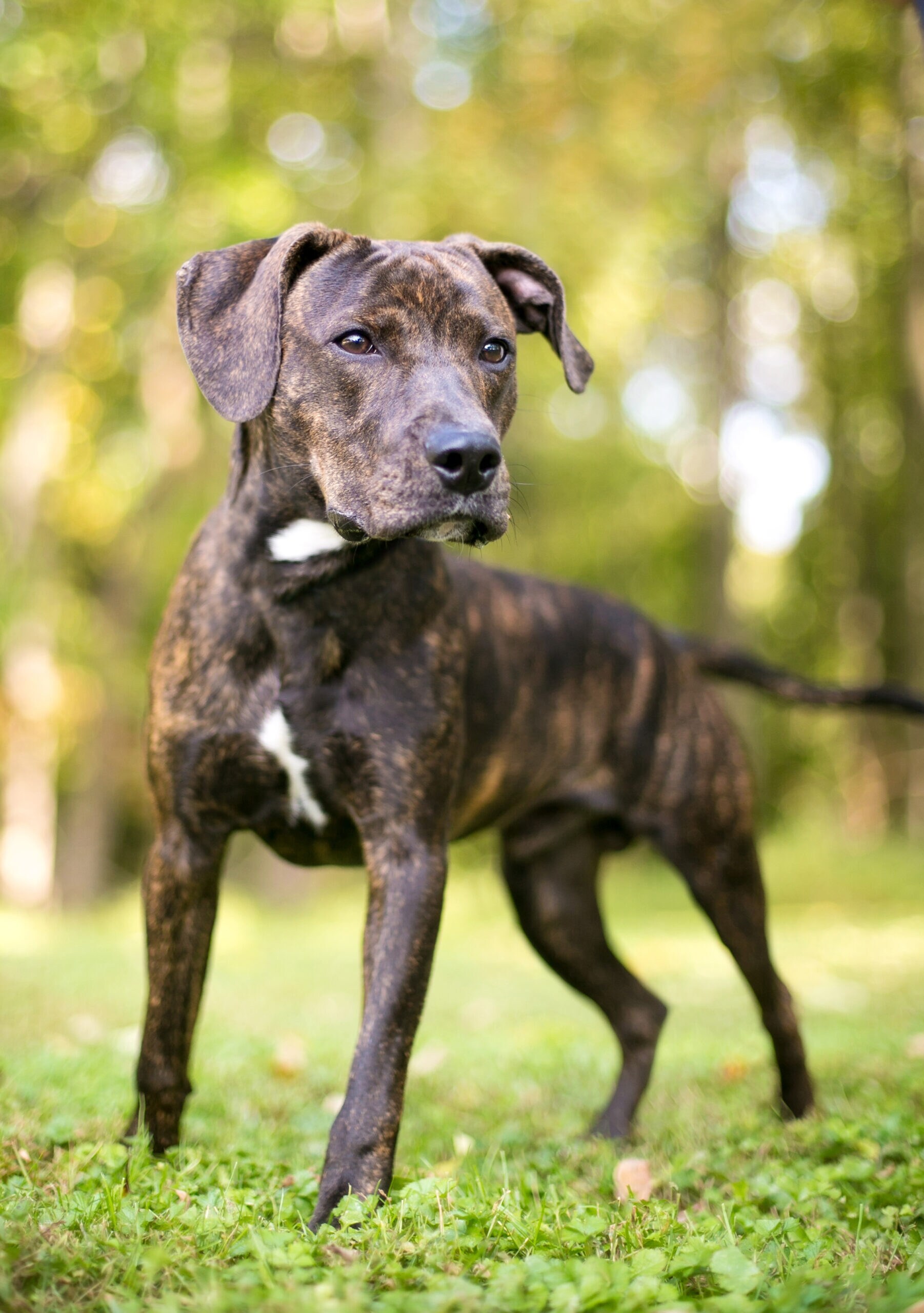
Decoding the Fascinating History and Genetics Behind Brindle Coats
According to the American Kennel Club, coat color patterns in domestic canines have historically served utilitarian purposes ranging from camouflage to breed identification, with the striking brindle coat being one of the most visually distinctive variations observed across numerous distinct lineages. Walking through a bustling veterinary clinic or a community dog park, one cannot help but notice the captivating “tiger stripe” pattern gleaming across various canine coats. This mesmerizing appearance immediately draws the eye, prompting many curious guardians to wonder how such a unique aesthetic came to be. Understanding the genetic roots and historical lineage behind this patterned coat offers profound insight into the diverse world of Dog Breeds.
💡 Pet Care Key Takeaways:
- Core Focus: Practical health, nutrition, and wellness guidelines for Brindle Dog Lineage.
- Target Scope: Pet owners, animal caregivers, and veterinary support staff.
- Best Recommendation: Maintain consistent daily routines and consult an accredited veterinarian before introducing major diet or medical changes.
Brindle dog lineage refers to a distinct genetic expression characterized by dark, vertical tiger-like stripes overlaid on a base coat of fawn, brown, or gray.
Delving into the science of coat genetics reveals that the brindle pattern is governed by the K locus, specifically the recessive allele known scientifically as $k^{br}$. When a puppy inherits this specific genetic combination alongside a suitable base color, pigment-producing cells called melanocytes distribute eumelanin—the dark pigment—in distinct bands across a lighter phaeomelanin background. Rather than belonging to a single, isolated breed, this ancestral coat pattern spans a vast array of working, herding, and sporting lineages. Historically, working dogs required practical traits like stealthy camouflage in wooded or grassy environments, making these natural shadow stripes an evolutionary advantage for canines working alongside humans.
Coat genetics in brindle lineages do not inherently dictate specific health outcomes, though certain underlying parent breeds carry distinct predispositions worth monitoring.
Medical misconceptions occasionally circulate suggesting that distinctive coat patterns carry hidden physical vulnerabilities, but veterinary science confirms that pigmentation genes alone rarely determine overall wellness. In clinical practice, physical examinations of striped dogs reveal the exact same physiological baselines as their solid-colored counterparts. Nevertheless, because these coats appear across robust lineages such as Boxers, Greyhounds, and Pit Bull Terriers, monitoring breed-specific health parameters remains essential. Routine preventative care, proper nutrition, and regular veterinary check-ups safeguard long-term vitality regardless of external markings. Careful observation during hands-on physical exams frequently highlights how resilient these coated canines truly are, thriving under mindful guardianship. For more related activities, check out our Fo Pugs Growl Once In Awhile.
Canine coat color genetics demonstrate that the brindle pattern is controlled by the recessive allele at the K locus, interacting with base pigments to create distinctive dark stripes. — American Kennel Club (AKC)
Proper care for dogs with this heritage involves standard grooming practices tailored to coat length rather than unique color-specific maintenance routines.
Maintaining the striking luster of a tiger-striped coat requires a straightforward regimen consisting of balanced nutrition, hydration, and periodic brushing to remove loose hair. Because these distinctive patterns appear on both short-haired and long-haired varieties, grooming techniques must adapt to the specific fur texture of the individual animal. During routine consultations, pet owners often inquire whether special shampoos are necessary to maintain vibrant stripes, though standard high-quality cleansing products suffice beautifully. Consistent nutritional support rich in essential fatty acids enhances the natural sheen of the coat, making those dark bands stand out brilliantly against the lighter background.
Avoiding common misconceptions about brindle genetics ensures that pet owners focus on proven husbandry practices rather than outdated old wives’ tales.
One frequent pitfall involves assuming that dogs sharing this striking aesthetic possess identical temperaments, whereas behavioral traits correlate much more strongly with breed ancestry and socialization than with pigment distribution. Overlooking regular veterinary evaluations under the erroneous belief that patterned coats indicate superior hardiness represents another risk to avoid. Establishing a proactive partnership with a qualified practitioner guarantees that preventative medicine takes precedence over aesthetic assumptions. Observing these animals interact in clinical environments consistently proves that personality and health stem from comprehensive care rather than superficial exterior traits.
Responsible canine guardianship requires evaluating health, nutrition, and behavior based on individual breed lineage and wellness metrics rather than external coat patterns. — American Veterinary Medical Association (AVMA)
Pet Care & Wellness Overview Table
| Life Stage | Daily Activity Level | Key Nutrition / Care Focus |
|---|---|---|
| Puppy / Kitten | High (frequent short bursts) | High-protein growth diet & early socialization |
| Adult Companion | Moderate (30–60 mins daily) | Balanced maintenance nutrition & dental hygiene |
| Senior Pets | Low to Gentle (mindful walks) | Joint support (Glucosamine) & routine vet checks |
Images References
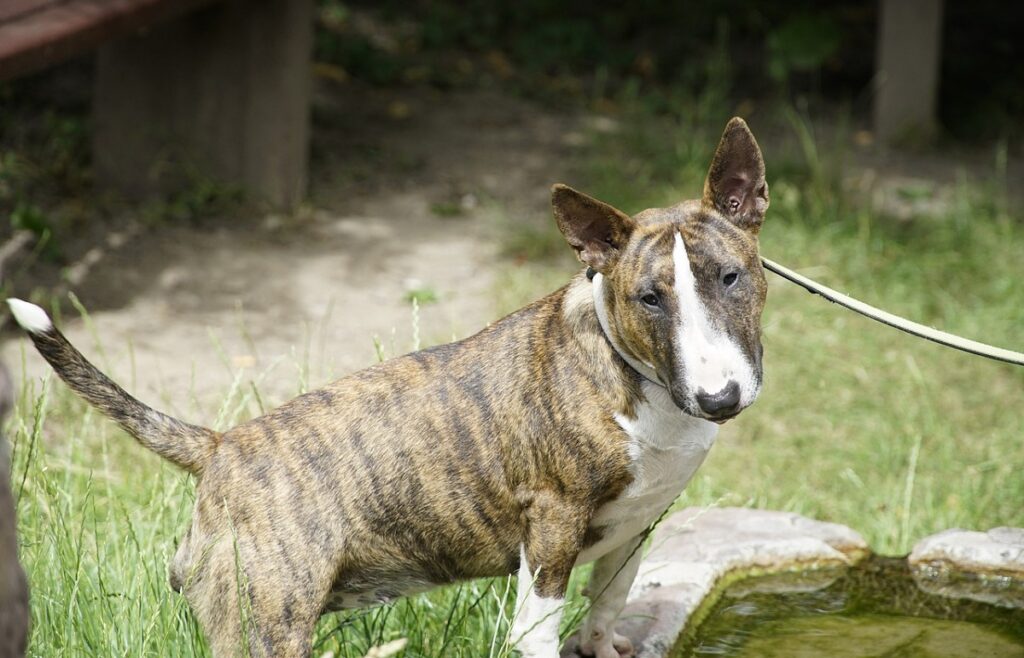


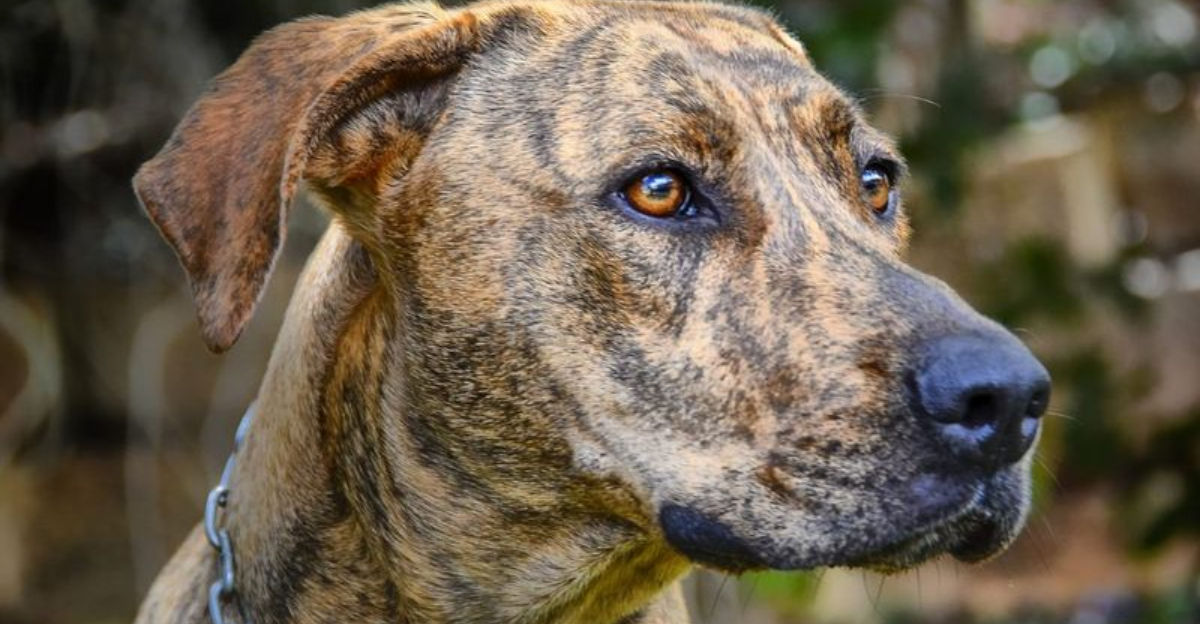


Breed, age, and size considerations heavily influence the everyday management and physical needs of dogs originating from brindle lineages.
Since this remarkable coat spans everything from compact French Bulldogs to towering Mastiffs, understanding the specific physical stature and energy levels of the underlying breed is paramount. Senior dogs within these diverse lineages may require joint support and tailored exercise modifications as they age, regardless of how vibrant their stripes remain. Younger animals often display boundless enthusiasm, necessitating structured outlets for physical and mental energy. Recognizing these developmental stages allows guardians to tailor their daily routines effectively, promoting lifelong wellness and contentment for their beloved animal companions.
Consulting a veterinarian or professional animal expert becomes necessary when unexpected health or behavioral changes arise in patterned canines.
Professional guidance should always be sought if a dog displays persistent lethargy, unexplained skin abnormalities, or sudden shifts in temperament that standard home management cannot resolve. Veterinarians possess the diagnostic tools necessary to uncover underlying medical concerns that may manifest subtly beneath a striking coat. Similarly, certified behaviorists can assist with complex training challenges using positive reinforcement methodologies. Maintaining open communication with trusted animal care professionals ensures that any emerging issues receive prompt, evidence-based attention tailored specifically to the individual animal.
Closing thoughts on appreciating the rich heritage and diverse beauty found within brindle dog lineage across the globe.
Exploring the intricate genetics and storied history behind these stunning tiger-striped canines deepens the appreciation shared by devoted pet lovers everywhere. By prioritizing comprehensive wellness, breed-specific care, and informed guardianship, owners honor the remarkable evolutionary journey of these unique animals. To discover further insights into keeping animal companions healthy and happy, explore the valuable resources available across Dog Care, Dog Health, and Dog Training. Visit PetsAnimalsWorld.com today to continue expanding your knowledge and providing the absolute highest standard of life for your furry family members.




