

Introduction
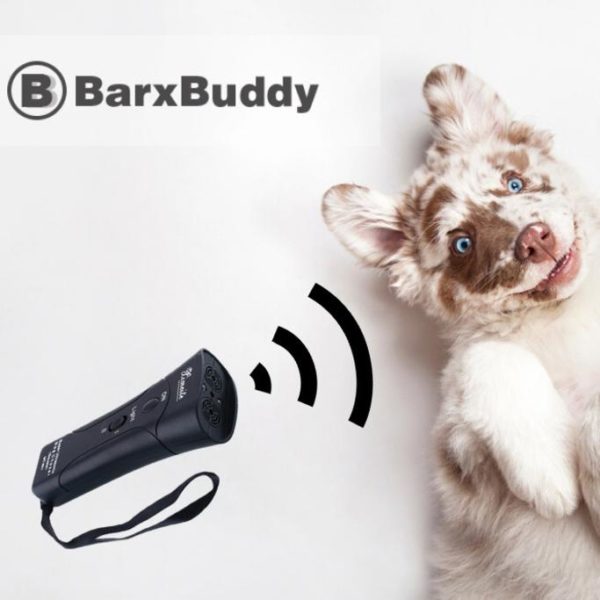
For many dog owners, maintaining a peaceful home environment while ensuring a pet’s well-being is a top priority. Excessive barking can be a common challenge, leading some owners to explore various training aids. One such device that has garnered attention is the BarxBuddy. This tool is often marketed as an ultrasonic training device designed to help manage unwanted behaviors, particularly barking. Understanding how such tools function, their potential benefits, and their limitations is crucial for responsible pet ownership, as it allows for informed decisions that can significantly impact a dogs behavior and overall quality of life.
💡 Pet Care Key Takeaways:
- Core Focus: Practical health, nutrition, and wellness guidelines for Barxbuddy.
- Target Scope: Pet owners, animal caregivers, and veterinary support staff.
- Best Recommendation: Maintain consistent daily routines and consult an accredited veterinarian before introducing major diet or medical changes.
Common Reasons for Considering BarxBuddy
Dog owners often seek out devices like the BarxBuddy when confronted with persistent behavioral issues that disrupt household harmony or become a nuisance to neighbors. The primary reason for considering such a tool typically revolves around excessive barking. This barking can stem from various causes, including territoriality, separation anxiety, boredom, attention-seeking, or alert barking. When traditional training methods have not yielded desired results, or when an immediate interruption of an unwanted behavior is sought, an ultrasonic device like the BarxBuddy may be considered. The theoretical premise behind these devices is to emit a high-frequency sound, inaudible to humans but startling or irritating to dogs, to interrupt undesirable actions without causing physical harm. For more related activities, check out our Kikkopupbiting.
Observing a Dog’s Response to Training Aids
When introducing any new training tool, it is essential to observe a dog’s reactions closely. With devices such as the BarxBuddy, signs of effectiveness might include an immediate cessation of barking, a shift in focus, or a brief pause in the undesirable behavior. However, it is equally important to monitor for signs of distress or negative reactions. These could manifest as a dog cowering, whimpering, trying to escape, or exhibiting increased anxiety. Changes in body language such as flattened ears, a tucked tail, lip licking, or yawning (when not tired) can indicate discomfort or stress. Individual responses can vary greatly depending on a dog’s temperament, age, breed, and past experiences with sound or aversion training. Consistent, careful observation ensures the training method is not counterproductive or causing undue fear.
Practical Approaches to Using BarxBuddy and Integrated Training
If considering a BarxBuddy, responsible application is paramount. The device is typically used as an interruptive tool rather than a standalone solution. When a dog exhibits an unwanted behavior, the device is activated briefly to create an interruption. This brief distraction should then be immediately followed by positive reinforcement of a desired behavior. For instance, if a dog barks excessively at the doorbell, activating the device when the barking begins, and then rewarding silence or a calm response, can help reinforce appropriate behavior.
It is crucial to avoid overuse or continuous activation, which can desensitize a dog to the sound or cause undue stress. Integrating the BarxBuddy with established positive reinforcement training techniques, consistent command practice, and providing adequate mental and physical stimulation often yields the most favorable results. Addressing underlying causes of barking, such as providing more exercise for an energetic dog or enrichment toys for a bored one, remains a foundational aspect of effective behavior management. Ensuring the device is used at an appropriate distance and duration, as per manufacturer guidelines, also contributes to responsible usage.
When Professional Intervention Becomes Necessary
While tools like the BarxBuddy can serve as aids in specific training scenarios, they are not a substitute for professional guidance in all cases. If a dog’s excessive barking or other problematic behaviors persist despite consistent use of training devices and positive reinforcement, or if the dog displays signs of anxiety, fear, or aggression, professional help is strongly recommended. A certified professional dog trainer or a veterinary behaviorist can help identify underlying causes of behavior issues, such as separation anxiety, medical conditions, or deep-seated fears, and develop a comprehensive, humane training plan. These experts possess the knowledge to address complex behavioral challenges, ensuring the long-term well-being and happiness of the dog.
Conclusion
The BarxBuddy represents one type of tool available to dog owners for managing specific behavioral challenges, primarily excessive barking. While such devices can offer a temporary interruption for unwanted actions, their effectiveness is often maximized when integrated into a broader, humane training regimen centered on positive reinforcement and understanding a dog’s individual needs. Awareness of a dog’s reactions, consistent observation, and a willingness to adapt training methods are critical components of responsible pet care. Ultimately, the goal is to foster a positive relationship built on trust and clear communication, ensuring a dogs well-being and a harmonious household, often requiring a multifaceted approach that prioritizes professional guidance when standard methods fall short.
Pet Care & Wellness Overview Table
| Life Stage | Daily Activity Level | Key Nutrition / Care Focus |
|---|---|---|
| Puppy / Kitten | High (frequent short bursts) | High-protein growth diet & early socialization |
| Adult Companion | Moderate (30–60 mins daily) | Balanced maintenance nutrition & dental hygiene |
| Senior Pets | Low to Gentle (mindful walks) | Joint support (Glucosamine) & routine vet checks |
Images References






For more expert pet care tips and advice, check out our dedicated Dog Training guides to keep your companions healthy and happy.




