
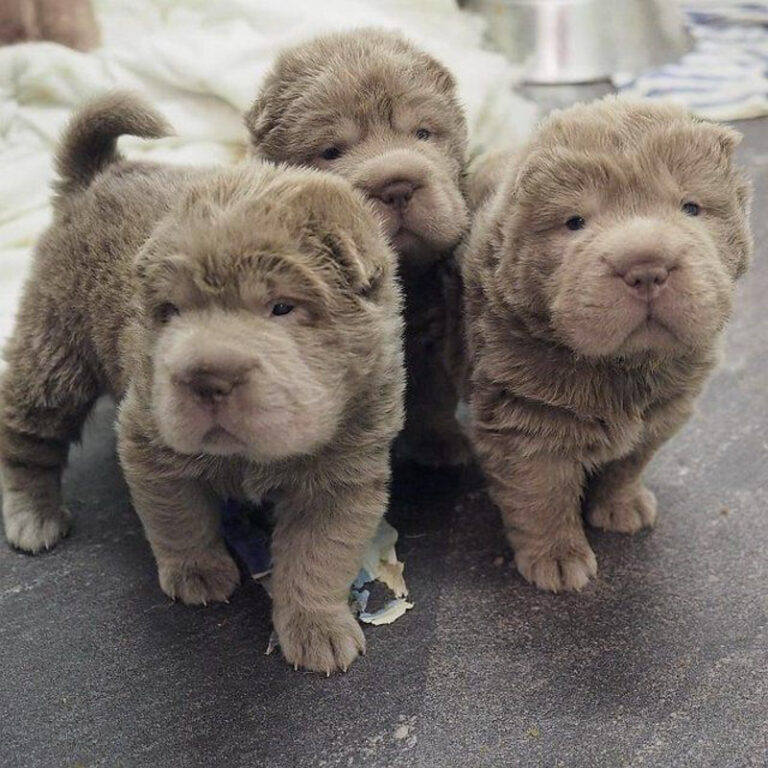
Unraveling the unique charm of the plush Chinese fighting dog descendant
According to the American Kennel Club, specialized breed variants often emerge from ancient lineages, bringing distinct structural traits that require specialized understanding from dedicated pet owners. Stepping into a clinic or training facility with an unusual canine morph always commands attention, particularly when a dog possesses an extraordinary coat mutation. Among these distinctive variations, the bearcoat shar pei stands out instantly due to its profuse, teddy-bear-like plush fur that completely transforms the iconic traditional appearance of the breed. Over years of hands-on practice in professional canine care settings, observing these plush companions reveals that beneath the abundant fluff lies the resilient, dignified spirit characteristic of ancient Chinese guard dogs. Recognizing how this exceptional coat impacts daily comfort is essential for anyone considering welcoming one of these gentle giants into a household. Therefore, understanding the nuances of the bearcoat variant bridges the gap between aesthetic appreciation and exceptional, lifelong animal husbandry. Explore more in our Dog Breeds collection.
💡 Pet Care Key Takeaways:
- Core Focus: Practical health, nutrition, and wellness guidelines for Bearcoat Shar Pei.
- Target Scope: Pet owners, animal caregivers, and veterinary support staff.
- Best Recommendation: Maintain consistent daily routines and consult an accredited veterinarian before introducing major diet or medical changes.
Bearcoat shar pei describes a recessive genetic mutation producing long, plush fur
Bearcoat shar pei refers to a specific genetic variation where the dog expresses a recessive gene resulting in a coat significantly longer and fluffier than the standard “horse” or “brush” coat types recognized in traditional breed conformations. Instead of the bristly, sandpaper-like texture typical of standard lineage, bearcoats feature soft, standing fur that hides much of the signature facial wrinkling while retaining the characteristic heavy bone structure, broad muzzle, and deep-set eyes. This plush hair length stems from a dual-coat combination that fails to shed out into the short, tight profile mandated by historical breed standards, though it remains non-standard for competitive conformation showing. Consequently, while kennel clubs generally penalize this long coat in the show ring, pet enthusiasts heavily seek out the teddy-bear aesthetic for companionship. Through careful observation on the examination table, professionals note that this plush variant shares the exact same stoic temperament and familial loyalty found in standard-coated relatives, just wrapped in a much softer package. For more related activities, check out our Dahwund Golden.
The heavy plush coat significantly increases grooming demands and thermal sensitivity
The dense, insulating nature of long fur requires intensive grooming routines to prevent painful matting and moisture retention against sensitive skin folds. Unlike their short-haired counterparts, bearcoats trap dead undercoat and environmental debris within the thick layers, making weekly brushing sessions a non-negotiable requirement for optimal dermatological health. Furthermore, the combination of profound skin folding—a condition known as mucinosis, where excess mucin protein accumulates within the dermal layers—and thick fur creates an ideal microclimate for yeast and bacterial proliferation. In clinical practice, overlooking the hidden creases beneath that heavy coat frequently leads to localized dermatitis, moist eczema, or severe skin infections requiring veterinary intervention. Thermal regulation also poses a notable challenge during warmer months, as the plush insulation traps body heat efficiently, elevating the risk of heat exhaustion during vigorous outdoor exercise. Diligent owners must therefore balance aesthetic appeal with rigorous preventative care regimens to maintain skin integrity and overall physical well-being.
Canine skin folds and dense coats require meticulous daily inspection and drying to prevent moisture-trapping bacterial and fungal infections — American Veterinary Medical Association
Managing a long-haired variant of a primitive breed demands a proactive approach to both hygiene and behavioral development from puppyhood onward. Establishing a positive desensitization protocol for handling sensitive areas—such as paws, ears, and deep facial folds—ensures that routine grooming sessions remain safe and stress-free for both the animal and the caregiver. Additionally, because the heavy fur can obstruct peripheral vision or muffle auditory cues slightly, gentle tactile communication helps build trust during training exercises. Utilizing high-value rewards during brushing reinforces cooperative habits, transforming potential power struggles into bonding opportunities. Professional canine behaviorists consistently emphasize that integrating these maintenance rituals into everyday life prevents the onset of defensive reactions when veterinarians or groomers must examine the skin underneath.
Essential maintenance practices and common pitfalls to avoid with heavy-coated breeds
Skipping regular line-brushing stands out as the most frequent mistake novice owners make, quickly resulting in pelted fur that necessitates professional shaving down to the skin. When bathing these plush dogs, ensuring absolute thoroughness during the drying process is critical; damp undercoats left untreated act as incubators for opportunistic pathogens. It is equally important to avoid harsh chemical shampoos that strip natural skin lipids, opting instead for hypoallergenic, vet-recommended formulations designed for sensitive dermal barriers. Furthermore, neglecting dental hygiene and ear cleaning while focusing exclusively on the impressive outer coat leaves the animal vulnerable to concurrent systemic infections. Maintaining a balanced schedule of coat checks, nutritional support rich in omega fatty acids, and environmental management guarantees a thriving, comfortable companion.
Omega-3 and omega-6 fatty acid supplementation supports epidermal barrier function and helps manage chronic inflammatory skin conditions in susceptible dog breeds — American Kennel Club
Pet Care & Wellness Overview Table
| Life Stage | Daily Activity Level | Key Nutrition / Care Focus |
|---|---|---|
| Puppy / Kitten | High (frequent short bursts) | High-protein growth diet & early socialization |
| Adult Companion | Moderate (30–60 mins daily) | Balanced maintenance nutrition & dental hygiene |
| Senior Pets | Low to Gentle (mindful walks) | Joint support (Glucosamine) & routine vet checks |
Images References


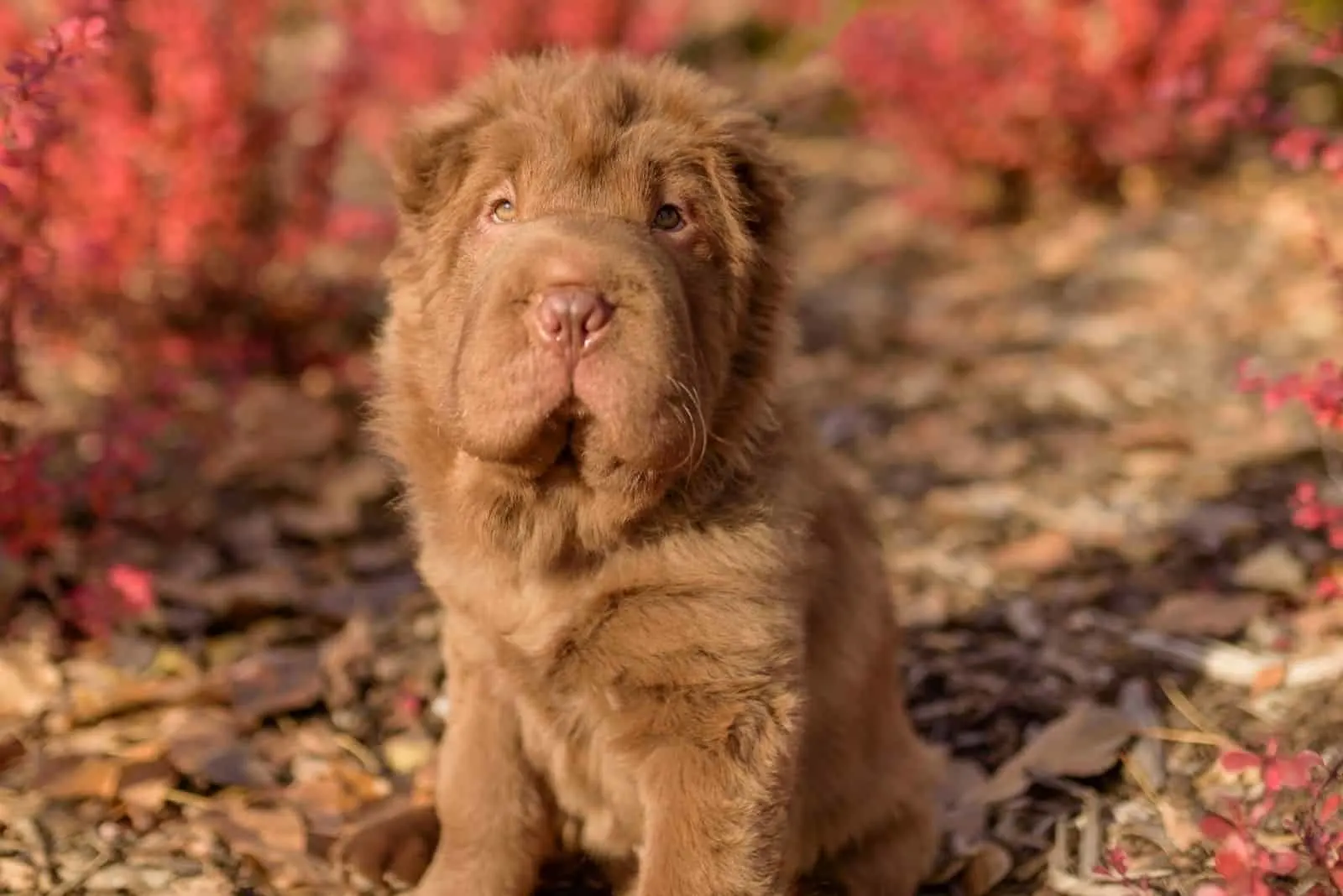


Sturdy bone structure and loyal temperament define this unique canine companion
Physical maturation in this breed involves heavy bone density, a broad head, and a calm, fiercely loyal disposition toward designated family members. Historically bred for guarding, hunting, and fighting in ancient China, the underlying instincts remain present, necessitating structured boundaries and mindful supervision around unfamiliar people or animals. Despite their intimidating historical background, modern pets often display a surprisingly affectionate, couch-potato demeanor indoors while maintaining a watchful eye on their territory. Joint health warrants careful monitoring throughout their lifespan, as their heavy frame places continuous stress on the hips and elbows, making weight management a vital preventative measure. Recognizing these inherent physiological and psychological traits allows owners to provide an environment where physical safety and mental enrichment go hand in hand.
Professional veterinary guidance ensures optimal management of unique breed-specific health conditions
Consulting a licensed veterinarian is indispensable for diagnosing and treating genetic predispositions such as familial shar pei fever, entropion—where the eyelid rolls inward—and chronic skin fold dermatitis. Early veterinary screening helps catch structural eye anomalies before corneal ulceration occurs, preserving vision and preventing chronic pain. When behavioral challenges related to territorial guarding or stranger wariness arise, seeking support from a certified professional trainer prevents minor hesitations from escalating into reactive displays. Professional intervention ensures that handling protocols align with the dog’s emotional threshold, fostering confidence without resorting to punitive measures. Embracing a collaborative care team empowers owners to navigate the complex needs of this remarkable breed with total confidence and clarity.
Nurturing a lifelong bond through informed ownership and dedicated daily care
Embracing the responsibilities of caring for an exceptional plush canine opens the door to a deeply rewarding partnership built on mutual respect and attentive husbandry. By staying educated on proper grooming techniques, recognizing subtle signs of skin discomfort, and maintaining proactive veterinary oversight, owners ensure their companions live long, vibrant lives. Exploring trusted resources across PetsAnimalsWorld.com provides further insights into specialized Dog Care, preventative Dog Health strategies, and evidence-based Dog Training methods. Ultimately, the bearcoat shar pei rewards diligent stewardship with unwavering loyalty, offering a heartwarming blend of ancient guardianship and modern cuddly companionship that enriches the human-animal bond immeasurably.




