
Unveiling the unique genetic traits behind the rottweiler long hair variation
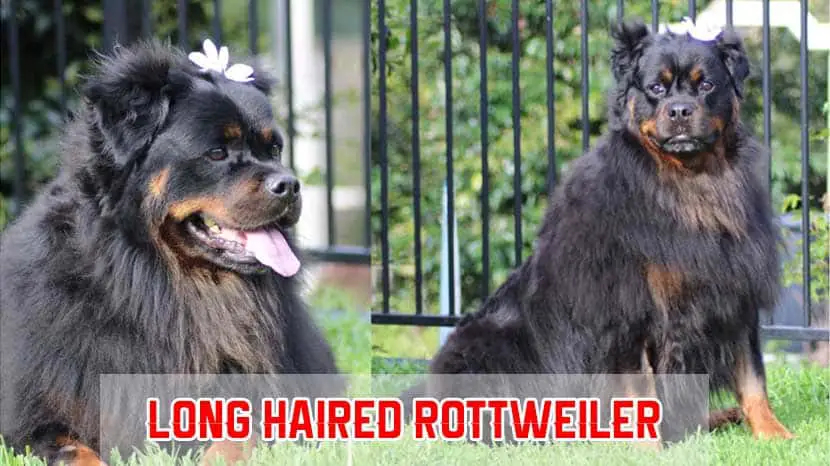
According to the American Kennel Club (AKC), standard Rottweilers possess a short, dense, and black coat with distinct rust-to-mahogany markings. Yet, every so often, a litter produces a puppy with a strikingly different appearance—an unusually plush, flowing coat that immediately sets it apart from its smooth-coated siblings. This distinct coat variety, often referred to by enthusiasts as the fluff or long-haired Rottweiler, captures considerable curiosity within the canine community. Understanding this uncommon presentation requires looking beyond standard aesthetics into the fascinating realm of canine genetics, inheritance patterns, and breed preservation history.
💡 Pet Care Key Takeaways:
- Core Focus: Practical health, nutrition, and wellness guidelines for Rottweiler Long Hair.
- Target Scope: Pet owners, animal caregivers, and veterinary support staff.
- Best Recommendation: Maintain consistent daily routines and consult an accredited veterinarian before introducing major diet or medical changes.
Rottweiler long hair is an accepted yet non-standard coat expression governed by recessive genetics.
The long-haired phenotype (the observable physical traits of an organism) is caused by a recessive gene mutation affecting hair length. For a dog to display this flowing coat, it must inherit two copies of the long-hair allele—one from each parent. Because standard breeding practices prioritize the traditional short coat defined by official breed standards, these fluffy puppies are born infrequently to parents who carry the hidden gene without displaying it themselves. Working with various purebred dogs in clinical settings often reveals how recessive traits remain quietly embedded in bloodlines for generations before making a surprise appearance in a new litter.
Coat maintenance and thermal regulation are key factors influenced by rottweiler long hair.
Managing a longer, denser coat requires a dedicated grooming routine to prevent painful matting and skin irritation beneath the topcoat. Unlike the standard double coat that sheds efficiently with minimal human intervention, the longer variant tends to trap loose undercoat fur, which can quickly tangle around the ears, chest, and featherings on the legs. In practice, running a metal comb through a long-haired dog reveals an underlayer that demands weekly attention to avoid moisture retention and subsequent hot spots (moist dermatitis of the skin).
Canine dermatological studies indicate that double-coated breeds with altered hair length variants frequently require increased mechanical brushing to prevent follicular trapping and localized skin infections. — American Kennel Club Canine Health Foundation
Grooming and environmental management strategies effectively preserve the health of a long-haired rottweiler coat.
Establishing a proactive grooming schedule is essential for keeping the plush coat clean, tangle-free, and healthy. Owners should utilize a combination of slicker brushes and undercoat rakes to reach down to the skin, gently removing trapped debris after outdoor excursions in wooded areas. Furthermore, bathing frequency should remain balanced; over-bathing strips natural oils, while under-bathing allows dirt and allergens to accumulate. Ensuring proper drying techniques after baths prevents moisture from lingering near the skin, which is a common precursor to bacterial growth.
Avoiding harsh clipping and ignoring early mat formation are critical mistakes in coat upkeep.
A frequent error among owners is shaving a long-haired dog during warmer months under the assumption that it provides relief from heat. In reality, a dog’s double coat acts as natural insulation against both cold and heat, and shaving can disrupt the coat’s ability to regrow properly, sometimes resulting in a condition known as coat funk. Instead of trimming or shaving, focus on meticulous line brushing. When tiny tangles begin to form behind the elbows or under the collar, address them immediately with a detangling spray rather than waiting for them to transform into dense felted mats.
Veterinary dermatology data shows that improper shaving of double-coated dog breeds significantly increases the risk of sunburn, insect bites, and permanent disruption of normal hair growth cycles. — American Veterinary Medical Association
Pet Care & Wellness Overview Table
| Life Stage | Daily Activity Level | Key Nutrition / Care Focus |
|---|---|---|
| Puppy / Kitten | High (frequent short bursts) | High-protein growth diet & early socialization |
| Adult Companion | Moderate (30–60 mins daily) | Balanced maintenance nutrition & dental hygiene |
| Senior Pets | Low to Gentle (mindful walks) | Joint support (Glucosamine) & routine vet checks |
Images References



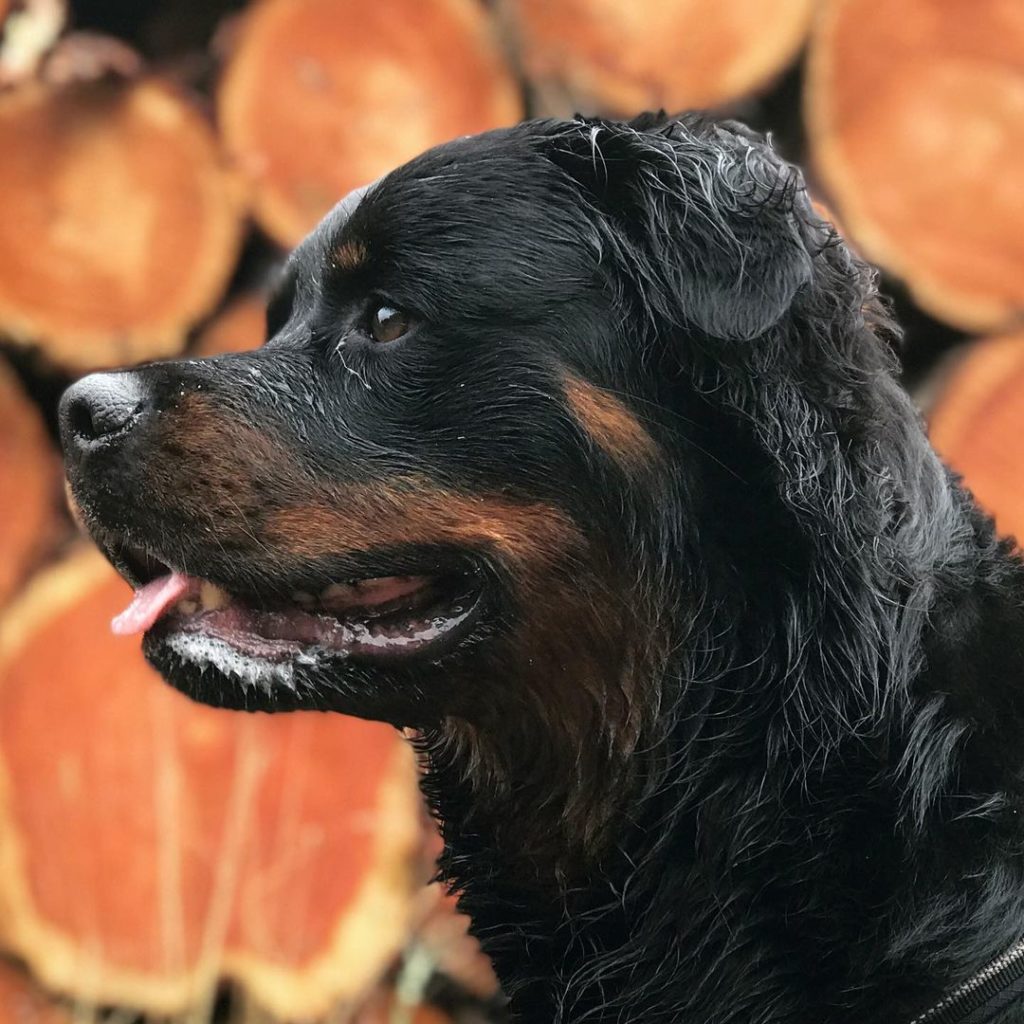
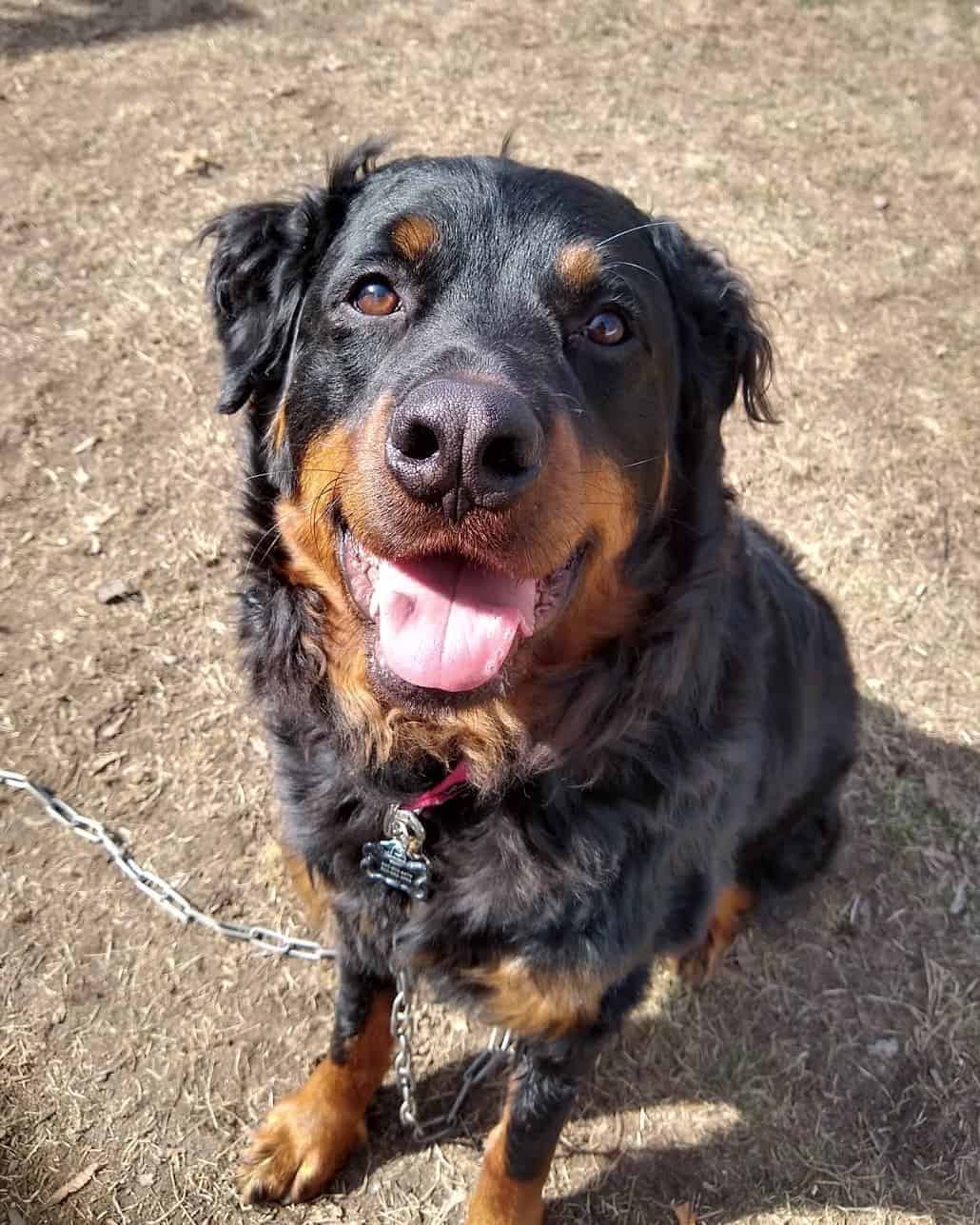

Temperament, working capability, and physical structure remain unchanged by the presence of rottweiler long hair.
Despite the dramatic difference in outward appearance, a long-haired Rottweiler possesses the exact same inherent temperament, intelligence, and loyalty as its short-coated counterparts. The structural build, powerful musculature, and protective instincts dictated by the official Dog Breeds standards are fully intact, as coat length does not alter core canine psychology or skeletal conformation. Observing these dogs in obedience settings highlights their steady nerves, eagerness to please, and deep devotion to their human companions, proving that true breed character goes far beyond surface-level aesthetics.
Professional veterinary guidance should be sought when coat texture changes or skin anomalies arise.
While a fluffy coat is usually a harmless genetic variation, any sudden shift in hair loss patterns, excessive scratching, or localized skin redness warrants a professional evaluation by a licensed veterinarian. Dermatological concerns can stem from underlying hormonal imbalances, nutritional deficiencies, or external parasites that require diagnostic testing rather than home remedies. Consulting experts in Dog Health ensures that any medical root causes are accurately identified and safely managed through appropriate therapeutic protocols.
Closing thoughts on appreciating the unique charm of non-standard canine variations.
Embracing the distinct beauty of a long-haired Rottweiler enriches the bond between canine and caretaker through shared routine and attentive maintenance. Whether exploring specialized Dog Care techniques or expanding general knowledge through PetsAnimalsWorld.com, understanding these unique traits fosters responsible and compassionate pet ownership. Every dog brings its own special character into a home, reminding everyone that true companionship transcends standard appearances.




