Introduction
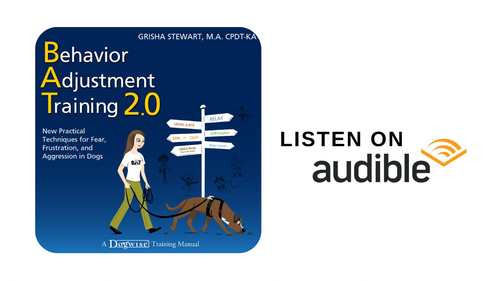
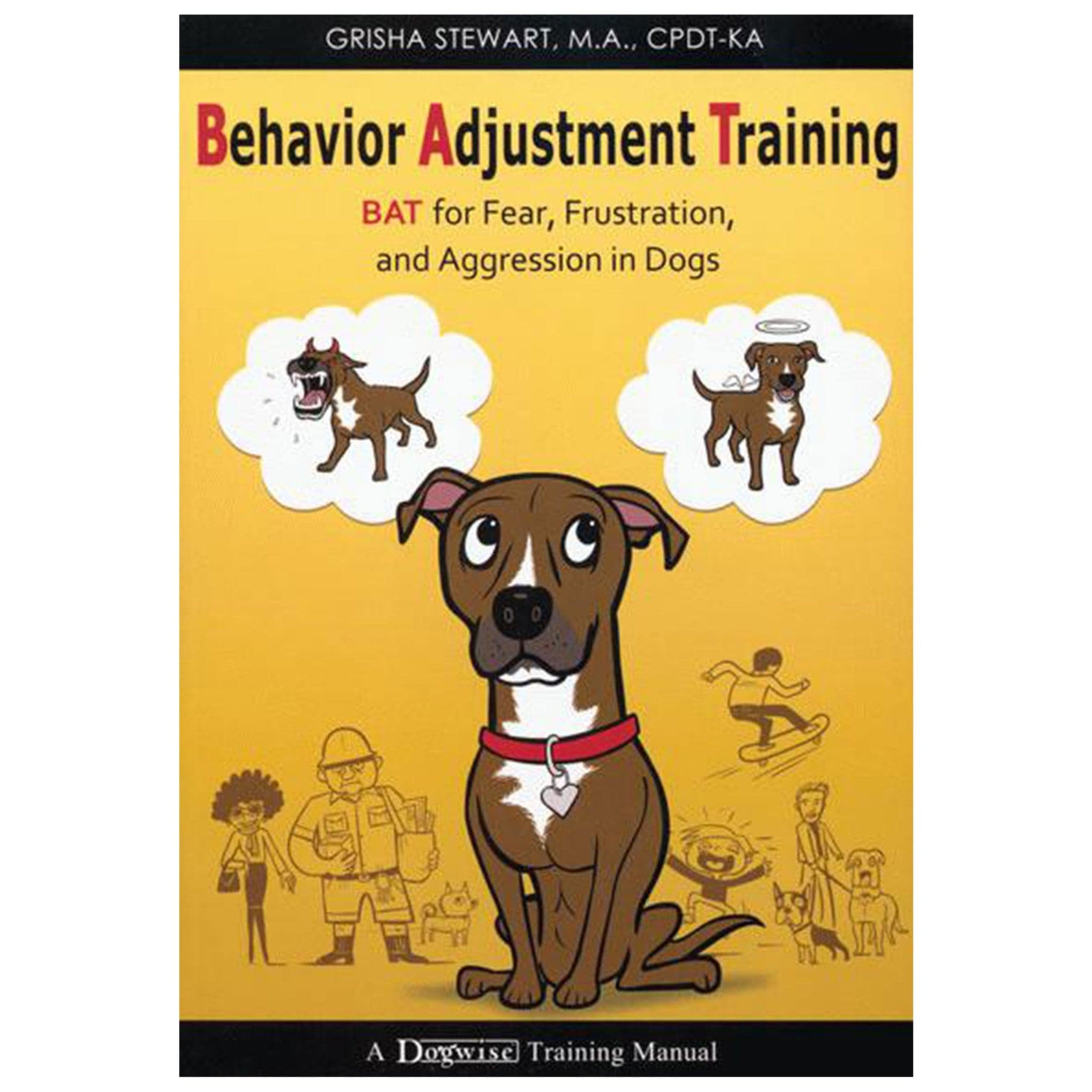
Understanding and addressing challenging canine behaviors is a cornerstone of responsible dog ownership. Among the most effective and humane approaches is behavior adjustment training, often referred to as BAT. This specialized training methodology focuses on helping dogs overcome fear, frustration, and aggression by changing their emotional responses to specific triggers. Rather than suppressing unwanted behaviors, behavior adjustment training empowers dogs to feel safe and calm in situations that previously caused distress. It is crucial for dog owners to comprehend this approach, particularly when a dog displays reactivity on leash, fear of strangers, or discomfort in new environments. By understanding and applying the principles of behavior adjustment training, a dogs well-being, social interactions, and overall quality of life can be significantly improved, fostering a stronger, more harmonious relationship with its human companions. Explore more in our Dog Behavior collection.
💡 Pet Care Key Takeaways:
- Core Focus: Practical health, nutrition, and wellness guidelines for Behavior Adjustment Training.
- Target Scope: Pet owners, animal caregivers, and veterinary support staff.
- Best Recommendation: Maintain consistent daily routines and consult an accredited veterinarian before introducing major diet or medical changes.
Common Causes and Key Factors
The behaviors addressed by behavior adjustment training often stem from deep-seated emotional responses. A primary driver for many reactive behaviors is fear. Dogs may develop fears due to a lack of proper socialization during critical developmental periods, which leaves them unprepared for the diverse sights, sounds, and experiences of the world. Traumatic past experiences, such as being attacked by another dog or experiencing harsh training methods, can also create lasting fear associations. For more related activities, check out our Dog Care Electric Collar.
Frustration is another significant factor. This often manifests when a dog is prevented from accessing something it desires, such as another dog to play with or an interesting scent to explore, particularly when restrained by a leash. Genetic predisposition can also play a role; certain breeds or individual dogs may be naturally more sensitive or predisposed to anxiety and reactivity. Environmental triggers, which can be anything from busy streets to specific types of people or sounds, serve as catalysts for these learned emotional responses. Furthermore, it is always important to consider the possibility of pain or underlying medical conditions, as physical discomfort can significantly exacerbate or even cause behavioral changes, making a dog more irritable or defensive. Discover more free resources across our collection library.
Signs and Symptoms to Observe
Recognizing the subtle and overt signs that a dog is struggling with fear or frustration is key to successful behavior adjustment training. The most common indicators involve various forms of reactivity. This can include barking, lunging, growling, snapping, or pulling aggressively towards specific triggers such as other dogs, unfamiliar people, bicycles, or even inanimate objects. These reactions often occur when the dog feels threatened or overwhelmed by the presence of the trigger.
Beyond outward displays of aggression, dogs may also exhibit avoidance behaviors. These include hiding behind a handler, retreating, freezing in place, or refusing to move forward on a walk. Subtle displacement behaviors can also signal stress, such as excessive yawning, lip-licking, sniffing the ground intently, or scratching without an itch, especially when a trigger is present. Observing the dogs body language is paramount: a stiff posture, a tucked tail, ears pinned back, wide “whale eyes,” or raised hackles (piloerection) all indicate discomfort or alarm. The manifestation of these signs can vary significantly depending on the dog’s age, breed, and prior experiences, as well as the intensity and proximity of the trigger. A consistent pattern of these behaviors suggests that the dog is struggling and could benefit from behavior adjustment training.
Practical Solutions and Management Strategies
Implementing behavior adjustment training involves a structured, positive approach focused on changing a dog’s emotional response. A fundamental step is understanding a dogs threshold. This refers to the maximum level of exposure to a trigger a dog can handle without reacting negatively. Training begins well below this threshold, ensuring the dog remains calm and comfortable.
Controlled exposure and desensitization are core components. This involves gradually introducing the dog to its triggers at a distance where it remains relaxed. As the dog consistently shows calmness, the distance can be incrementally reduced over many sessions. Simultaneously, positive reinforcement is utilized to reward calm and relaxed behavior in the presence of the trigger. When the dog observes the trigger without reacting, a high-value treat or praise is immediately provided, creating a positive association. This process is known as counter-conditioning, where the dog learns to associate the previously feared or frustrating stimulus with something positive.
Environmental management is also crucial. This means strategically avoiding known triggers during casual walks, choosing quieter routes, or creating safe spaces at home. Proper leash skills and appropriate equipment, such as a comfortable, well-fitting harness, provide better control and comfort during training sessions. Consistency and patience are indispensable; behavior adjustment training is a gradual process that requires regular, short training sessions rather than infrequent, lengthy ones. Each successful, calm interaction builds confidence and helps reshape the dogs emotional response.
When Professional Help May Be Needed
While behavior adjustment training offers a clear framework for many owners, there are situations where professional guidance becomes invaluable. If a dog’s challenging behaviors are persistent, seem to be escalating, or do not show improvement despite consistent application of basic training principles, it indicates a need for expert intervention. Any instance where a dog exhibits aggression, such as snapping, biting, or prolonged, intense growling, especially if directed at people or other animals, warrants immediate professional assessment to ensure safety for all involved.
When owners feel overwhelmed, frustrated, or simply unable to make meaningful progress, engaging a professional is a responsible decision. Before embarking on any behavior modification plan, a veterinary consultation is highly recommended. A veterinarian can rule out any underlying medical conditions or pain that might be contributing to behavioral changes, ensuring the dog’s physical health is not a factor. Subsequently, consulting a certified professional dog trainer (CPDT-KA) or a certified applied animal behaviorist (CAAB) / veterinary behaviorist (DACVB) is advisable. These professionals possess the expertise to accurately assess complex behavioral issues, develop tailored behavior adjustment training plans, and provide hands-on guidance using ethical, positive reinforcement methods, ensuring the most effective and humane outcome for the dog.
Conclusion
Behavior adjustment training represents a powerful and compassionate approach to resolving challenging canine behaviors rooted in fear, frustration, or reactivity. By focusing on changing a dog’s emotional state rather than merely suppressing symptoms, this methodology fosters genuine confidence and calm. The journey requires a blend of keen observation, unwavering patience, and consistent application of positive reinforcement techniques. Understanding a dog’s thresholds, practicing controlled exposure, and managing the environment are all integral steps towards helping a dog navigate the world with greater ease. Embracing behavior adjustment training not only leads to significant improvements in a dogs welfare and behavior but also deepens the bond between a dog and its human companion. Continual learning and proactive engagement with a dog’s behavioral needs empower owners to provide a stable, loving, and safe environment, reinforcing the educational mission of petsanimalsworld.com to promote happy, healthy lives for all pets.
Pet Care & Wellness Overview Table
| Life Stage | Daily Activity Level | Key Nutrition / Care Focus |
|---|---|---|
| Puppy / Kitten | High (frequent short bursts) | High-protein growth diet & early socialization |
| Adult Companion | Moderate (30–60 mins daily) | Balanced maintenance nutrition & dental hygiene |
| Senior Pets | Low to Gentle (mindful walks) | Joint support (Glucosamine) & routine vet checks |
Images References