Understanding blue buffalo dog food nutrition label in Everyday Pet Care
Navigating the aisles for your canine companion can feel overwhelming, especially when trying to decode the exact nutritional makeup of their daily meals. As veterinary nurses and behaviorists, we often see well-meaning owners struggle to translate commercial pet food packaging into practical feeding strategies. According to clinical guidelines from the American Veterinary Medical Association (AVMA) and the American Animal Hospital Association (AAHA), evaluating a diet goes far beyond simply reading marketing claims on the front of the bag. When you carefully examine the blue buffalo dog food nutrition label, you unlock vital data regarding protein sources, caloric density, and essential micronutrients that directly support your dog’s physiological health, metabolic stability, and overall vitality. Related guide: Keyvnutrients For Homemade Meals For Pitbulls.
💡 Pet Care Key Takeaways:
- Core Focus: Practical health, nutrition, and wellness guidelines for Blue Buffalo Dog Food Nutrition Label.
- Target Scope: Pet owners, animal caregivers, and veterinary support staff.
- Best Recommendation: Maintain consistent daily routines and consult an accredited veterinarian before introducing major diet or medical changes.
Signals & Patterns Owners Should Watch
Interpreting how your dog responds to their diet requires a holistic approach that connects nutritional intake with observable physical and behavioral patterns. While canine nutritional science provides a baseline for energy requirements, every dog metabolizes food differently based on age, activity level, and underlying genetic predispositions. Monitoring subtle shifts in coat condition, stool quality, and daily enthusiasm for mealtime offers immediate feedback on how well your dog is utilizing their food. Utilizing insights inspired by International Association of Animal Behavior Consultants (IAABC) principles, we know that sudden changes in eating habits or food-related stress can also manifest when dietary transitions are handled too quickly without monitoring proper macronutrient ratios.
| Observed Sign | Likely Underlying Trigger | Best Owner Response |
|---|---|---|
| Mild gas or soft stool during a diet transition | Normal gastrointestinal adaptation to new protein sources or fiber levels | Slow down the transition over 7 to 10 days by mixing old and new foods gradually. |
| Begging excessively or hovering near the bowl | Behavioral habit reinforced by table scraps or insufficient calorie satiety | Incorporate puzzle feeders and consult our Dog Nutrition guides for portion management. |
| Persistent lethargy, vomiting, or sudden food refusal | Potential food intolerance, gastrointestinal upset, or underlying illness requiring professional care | Withhold food temporarily if advised by a vet, log exact symptoms, and schedule a clinical examination. |
Daily Routine Adjustments & Supportive Care
Maximizing the benefits found within the blue buffalo dog food nutrition label involves more than just dumping kibble into a bowl twice a day. Transforming routine feeding times into mental enrichment opportunities helps prevent cognitive boredom and manages eating speed, which naturally supports healthy digestion. If your dog tends to gulp their meals, consider spreading their measured portion across slow-feeder bowls or interactive foraging toys. Pairing these dietary management steps with structured daily exercise aligns with foundational recommendations found in our Dog Care archives, ensuring that your pet maintains a lean body mass index and robust cardiovascular health.
When Home Observation Is Not Enough
While monitoring stool quality and body condition at home is a powerful preventive tool, pet owners must recognize when dietary management requires professional veterinary intervention. Persistent digestive disturbances that last longer than forty-eight hours, unexplained weight loss despite proper caloric intake, or acute lethargy are clear red flags that go beyond simple food adjustments. When you visit your veterinarian, bring a clear photograph of the blue buffalo dog food nutrition label along with a detailed log of your dog’s daily intake, treat consumption, and exact symptom timeline. This data empowers your clinical team to make accurate diagnostic assessments and tailor a safe recovery plan.
Pet Parent Q&A
What is the most important part of the blue buffalo dog food nutrition label to read first?
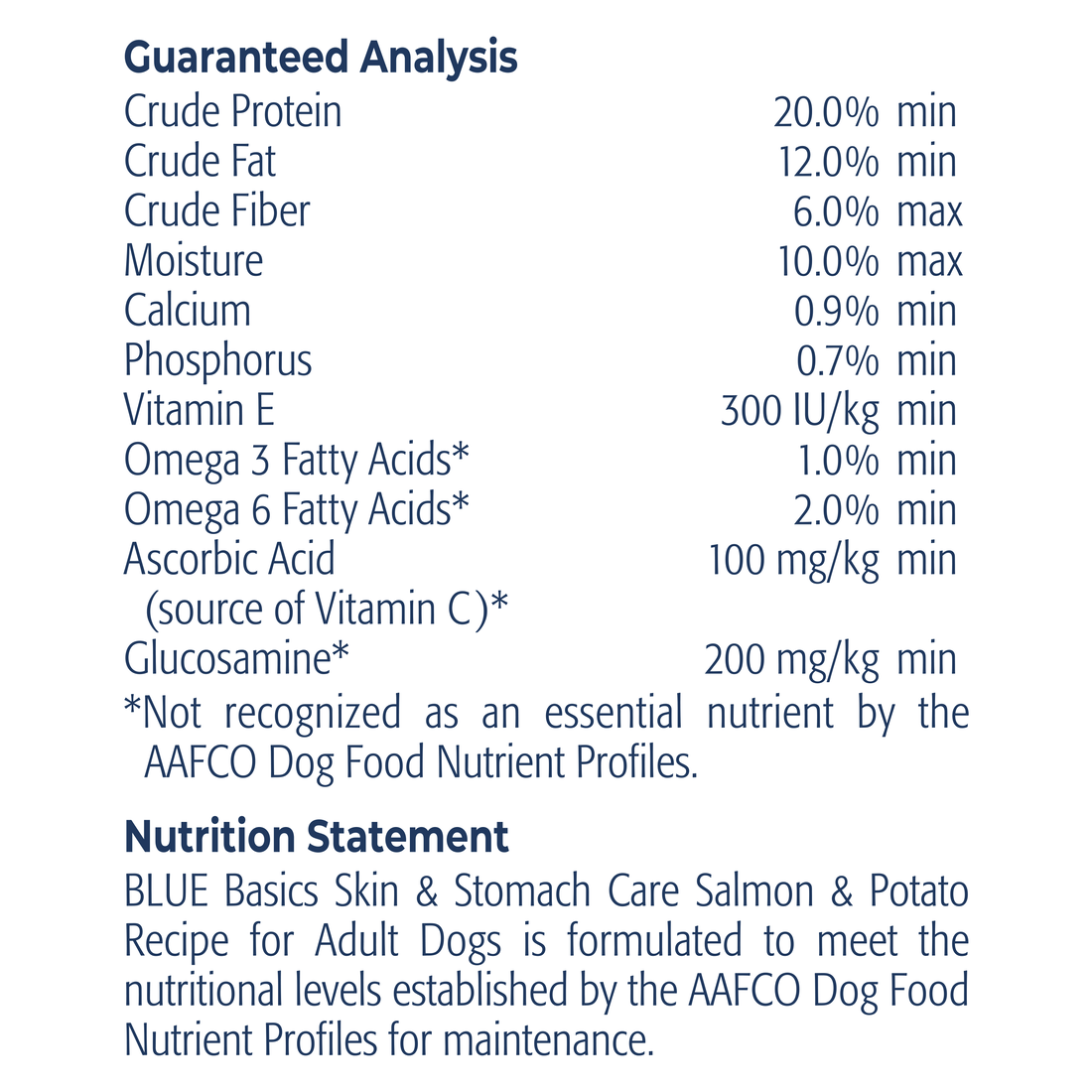
The guaranteed analysis and the ingredient list are the two most critical components to review. The ingredient list orders components by weight, while the guaranteed analysis details minimum percentages for crude protein and fat alongside maximum limits for moisture and fiber.
How do I calculate how many cups of food my dog needs based on the package guidelines?
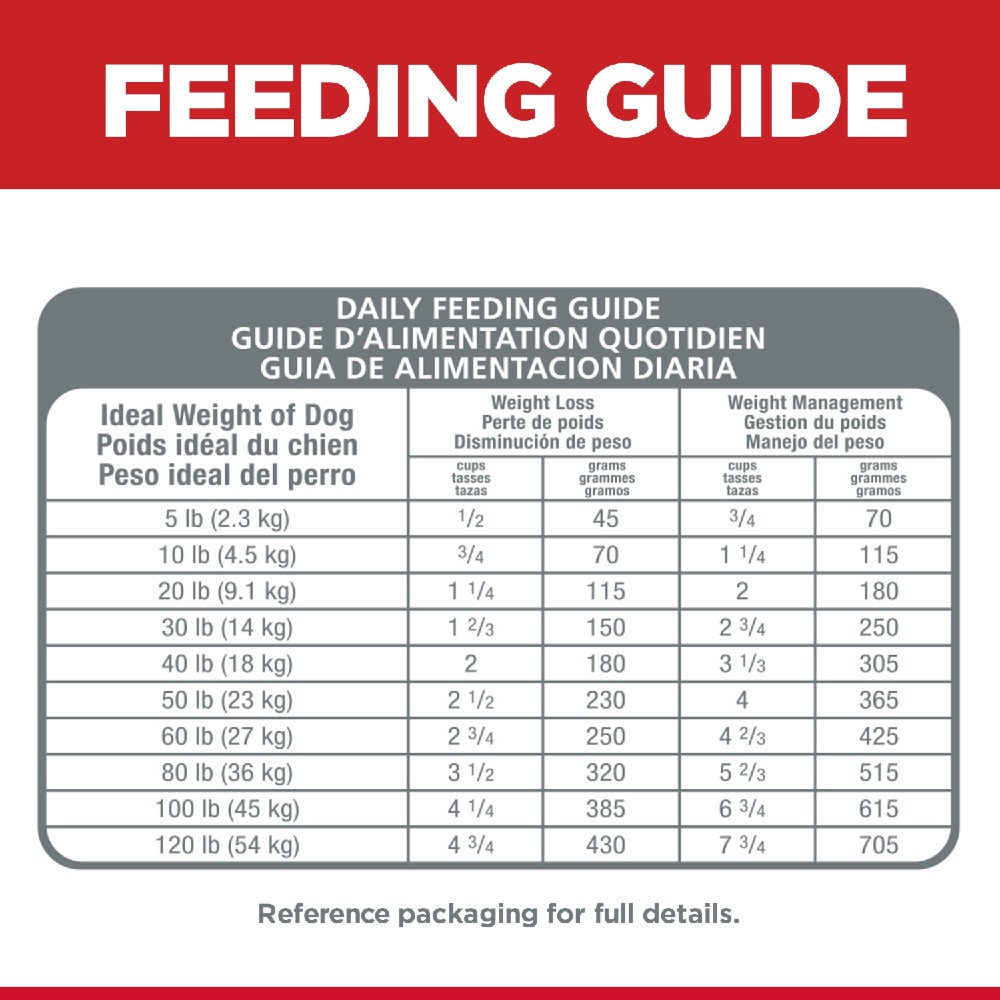
Feeding charts provide a general starting range based on your dog’s target adult weight. To refine these portions accurately, consult your veterinarian to factor in your dog’s specific metabolic rate, neutered status, and daily exercise routines.
Are the added vitamins and minerals listed on the package enough for every dog?
Yes, recipes that meet AAFCO nutrient profiles are formulated to be complete and balanced for specific life stages. However, working dogs, seniors, or dogs with medical conditions managed through specialized Dog Health protocols may require individualized veterinary dietary supplements.
More Pet Health & Behavior Guides on PetsAnimalsWorld
Navigating canine wellness becomes much simpler when you have access to expert-backed resources tailored to your daily life. Explore our comprehensive collection of training tips, nutritional breakdowns, and breed insights by visiting PetsAnimalsWorld.com today.
Visual Reference Gallery