

Understanding the Purpose of a Dog Behaviour Improvement Center
According to the American Society for Prevention of Cruelty to Animals (ASPCA), behavioral issues are among the primary reasons dogs are relinquished to shelters, making early and effective intervention vital for keeping animals in loving homes. When navigating persistent behavioral challenges, finding the right structured environment can change the trajectory of a domestic animal’s life. A dedicated dog behaviour improvement center provides a specialized setting where underlying causes of stress, fear, and reactivity are assessed through evidence-informed methods. Rather than relying on outdated disciplinary models, modern behavior facilities focus on changing emotional responses through positive reinforcement and systematic desensitization. Dogs often arrive with complex histories, environmental triggers, or socialization deficits that overwhelm everyday owners. Professional centers offer a bridge between confusion and clarity, ensuring that both human and canine family members learn how to communicate effectively.
💡 Pet Care Key Takeaways:
- Core Focus: Practical health, nutrition, and wellness guidelines for Dog Behaviour Improvement Center.
- Target Scope: Pet owners, animal caregivers, and veterinary support staff.
- Best Recommendation: Maintain consistent daily routines and consult an accredited veterinarian before introducing major diet or medical changes.
Defining the Scope and Function of Behavior Improvement Facilities
A dog behaviour improvement center is a specialized facility staffed by certified trainers, veterinary behaviorists, and animal care professionals dedicated to modifying undesirable habits through humane science. These centers differ from standard boarding kennels by integrating structured cognitive exercises, controlled socialization, and individualized training plans into daily routines. Desensitization, the process of gradually exposing a dog to a triggering stimulus at a low intensity to prevent a fear or aggression response, forms the cornerstone of most rehabilitation protocols. Alongside desensitization, counterconditioning is frequently employed to alter the emotional response associated with a specific trigger, pairing a stressful stimulus with a highly valued reward. Structured programs also evaluate environmental factors, diet, and physical health, recognizing that sudden behavioral shifts can stem from underlying medical discomfort. By addressing the root causes rather than merely suppressing symptoms, these centers help animals develop coping mechanisms for everyday stressors.
The Impact of Behavioral Health on Overall Canine Well-Being
Addressing behavioral concerns through a structured program significantly enhances a dog’s mental wellness, physical health, and bond with human companions. Chronic fear and anxiety release stress hormones like cortisol, which over time can compromise immune function and overall physiological stability. When dogs learn appropriate responses to environmental triggers, daily life becomes predictable and far less terrifying. This emotional equilibrium reduces destructive habits, compulsive behaviors, and stress-related vocalizations. Furthermore, comprehensive behavior improvement supports safe community integration, reducing the risk of accidental bites or leash reactivity during routine neighborhood walks.
Behavioral problems in dogs, including aggression and severe anxiety, are frequently manageable when addressed early through positive reinforcement and professional guidance. — American Veterinary Medical Association
Owners frequently notice that as behavioral tension dissolves, their dogs display improved sleep quality, enhanced appetite regulation, and greater willingness to engage in relaxed play. The psychological relief experienced by the canine translates directly into a more harmonious household, lowering human caregiver fatigue and fostering a deeper, more trusting relationship built on clear communication and mutual respect.
Implementing Humane Strategies for Behavioral Progress
Progress within a dog behaviour improvement center relies on consistent, science-backed methodologies that prioritize the animal’s emotional safety and voluntary cooperation. Trainers and behaviorists avoid punitive, intimidation-based, or dominance-based techniques, as research demonstrates that aversive methods increase fear and can escalate aggressive responses. Instead, management strategies focus on preventing exposure to known triggers while building alternative, desirable behaviors through rewards such as high-value treats, toys, and praise. Establishing predictable routines helps anxious dogs feel secure, lowering baseline stress levels and making learning more attainable. Owners play a crucial role by replicating these positive reinforcement techniques at home, ensuring that progress achieved in a specialized facility translates into everyday domestic life. Patience remains essential, as neurological pathways associated with fear or ingrained habits require consistent, gentle repetition to rewire over time.
Best Practices and Common Pitfalls in Behavior Modification
Successful behavior modification requires realistic expectations, absolute consistency among all household members, and careful management of environmental triggers. A frequent mistake involves rushing exposure to difficult stimuli before the dog has established foundational coping skills, which can trigger a setback in training. Another common error is relying on quick-fix tools or electronic deterrents that suppress symptoms without addressing the underlying emotional driver, such as fear or resource guarding. Best practices dictate keeping training sessions short, positive, and engaging to prevent mental fatigue and frustration. Documenting progress through journals or video recordings helps identify subtle improvements that might otherwise go unnoticed during daily routines.
Positive reinforcement training builds trust and effective communication between dogs and their handlers without relying on physical corrections or intimidation. — Association of Professional Dog Trainers
Pet Care & Wellness Overview Table
| Life Stage | Daily Activity Level | Key Nutrition / Care Focus |
|---|---|---|
| Puppy / Kitten | High (frequent short bursts) | High-protein growth diet & early socialization |
| Adult Companion | Moderate (30–60 mins daily) | Balanced maintenance nutrition & dental hygiene |
| Senior Pets | Low to Gentle (mindful walks) | Joint support (Glucosamine) & routine vet checks |
Images References


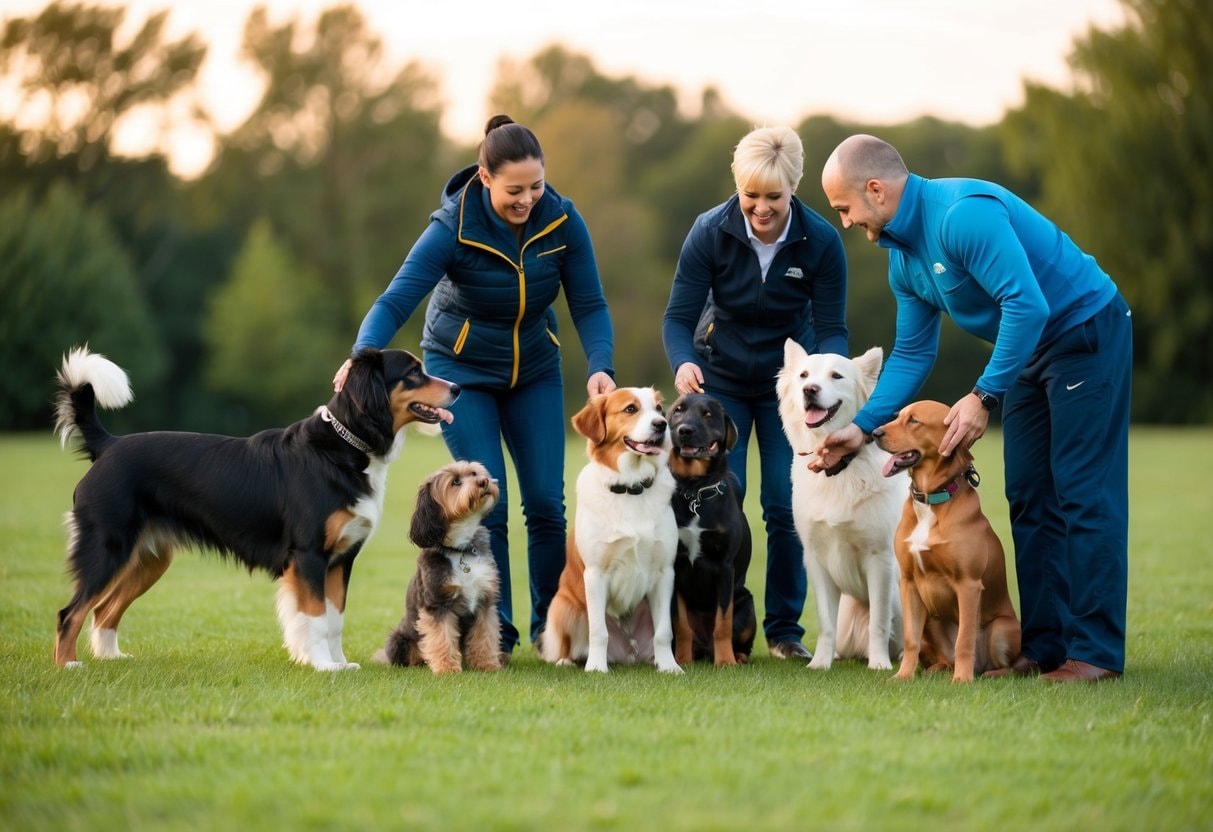


Collaborating closely with certified professionals ensures that management protocols evolve safely as the dog gains confidence and demonstrates readiness for new challenges.
Breed, Age, and Temperament Considerations in Behavior Work
Every dog processes the world through a unique lens shaped by genetic heritage, developmental history, individual temperament, and life stage. Working-line herding breeds, for instance, may channel intense instincts into pacing or nipping if their mental and physical energy lacks an appropriate outlet. Conversely, guardian breeds might display heightened wariness toward unfamiliar people or animals, requiring specialized socialization protocols that respect their natural boundaries. Age also dictates the approach; adolescent dogs often test boundaries and experience hormonal shifts, whereas senior dogs may exhibit confusion or irritability stemming from cognitive decline or sensory loss. Recognizing these intrinsic factors prevents unrealistic expectations and allows behavior specialists to tailor intervention strategies to the specific animal. Exploring resources on Dog Breeds and Dog Behavior can deepen an owner’s understanding of how innate tendencies influence daily actions.
Recognizing When to Consult a Veterinarian or Professional Trainer
Persistent behavioral challenges that compromise safety, disrupt household harmony, or cause visible distress require timely intervention from qualified professionals. For sudden behavioral shifts, such as uncharacteristic aggression, lethargy, or extreme clinginess, scheduling a veterinary examination is essential to rule out underlying pain, neurological illness, or endocrine imbalances. For entrenched fears, separation anxiety, or reactive outbursts, partnering with a certified dog trainer or a board-certified veterinary behaviorist ensures access to safe, scientifically validated rehabilitation plans. Never attempt to use home remedies or punitive measures for severe aggression or bite risks, as these can escalate danger. Timely collaboration with specialists safeguards everyone involved and sets the foundation for lasting behavioral health. For further guidance on maintaining optimal canine wellness, explore resources dedicated to Dog Health and Dog Training.
Closing Insights on Supporting Your Dog’s Behavioral Journey
Navigating the complexities of canine rehabilitation requires dedication, empathy, and access to reliable educational tools and professional networks. While visiting a dog behaviour improvement center provides an invaluable foundation, true transformation happens through daily consistency, patience, and a commitment to understanding canine communication. Owners who embrace positive reinforcement and respect their dog’s emotional boundaries foster resilience and lifelong trust. To continue expanding knowledge on canine wellness, daily routines, and specialized care strategies, visit PetsAnimalsWorld.com and explore comprehensive guides on Dog Care.




