
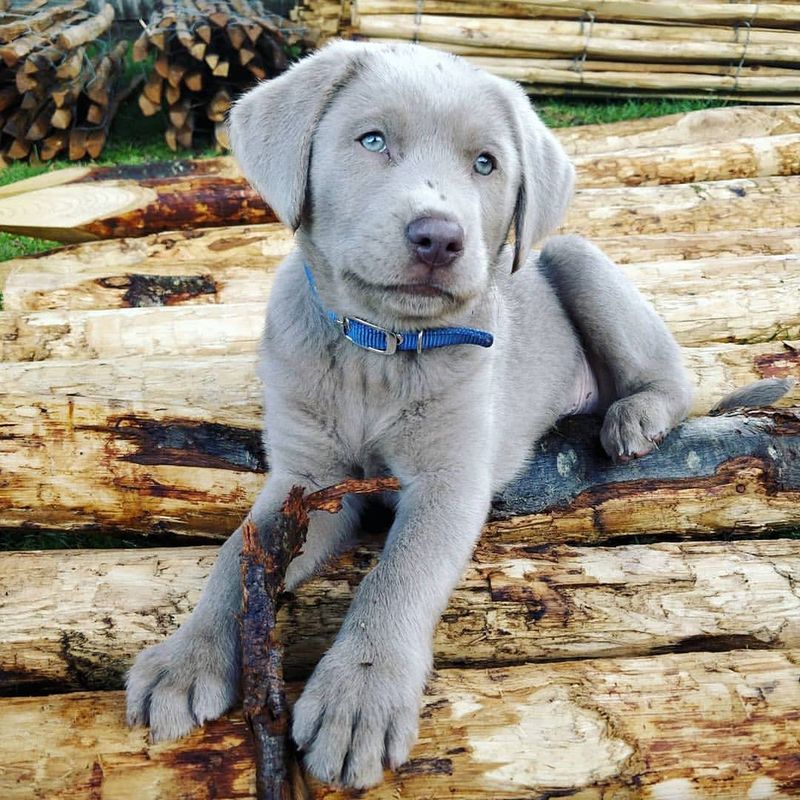
Understanding the Unique Appeal and Care Realities of the Blue Labrador Retriever
According to the American Kennel Club, coat color variations often generate significant public interest while maintaining the fundamental temperament that makes the breed a beloved household companion. The blue labrador retriever commands attention across dog parks and online platforms due to its striking, silvery-charcoal appearance. Behind this unique aesthetic lies a specific genetic makeup that every prospective guardian should understand before bringing one of these dogs home. Experience in clinical practice shows that unusual coat colors frequently prompt questions regarding health, longevity, and purity of lineage. Consequently, educating oneself beyond the surface-level appearance ensures a harmonious life shared between humans and their canine counterparts.
💡 Pet Care Key Takeaways:
- Core Focus: Practical health, nutrition, and wellness guidelines for Blue Labrador Retriever.
- Target Scope: Pet owners, animal caregivers, and veterinary support staff.
- Best Recommendation: Maintain consistent daily routines and consult an accredited veterinarian before introducing major diet or medical changes.
Unpacking the Genetics Behind the Silver and Charcoal Labrador Coat
The blue labrador retriever is a Labrador Retriever exhibiting a diluted black coat caused by the recessive dilute gene, which alters the standard black pigmentation into a metallic, slate-gray hue. This genetic modification, often referred to by geneticists as the d locus, lightens the eumelanin pigment found in both the hair shafts and the skin. While traditional Labrador colors recognized in formal breed standards are strictly black, yellow, and chocolate, these dilute variants share identical structural anatomy, joyful intelligence, and working drive. Canine coat genetics dictate that both parents must carry the recessive dilute gene to produce a silver, charcoal, or blue puppy. Recognizing that this hue is simply a variation of the traditional black Labrador helps demystify myths surrounding rare coloration.
A blue labrador retriever may occasionally be predisposed to Color Dilution Alopecia, a hereditary condition that causes hair thinning and dry skin due to pigment clumping within the hair follicles. Veterinary dermatologists frequently observe that dogs with diluted coats require more attentive skin management to prevent secondary bacterial infections or chronic flaking. Routine grooming practices for these unique dogs involve using gentle, moisturizing shampoos and incorporating omega fatty acids into the daily diet after confirming appropriate amounts with a veterinarian. Furthermore, regular physical examinations help catch early signs of dermatological distress before they escalate into uncomfortable conditions.
Color Dilution Alopecia affects a subset of dogs with dilute coat genetics, requiring proactive veterinary oversight for optimal skin health. — American Veterinary Medical Association
Implementing Proper Care, Grooming, and Socialization Strategies
Proper care for a blue labrador retriever requires combining standard retriever maintenance with targeted attention to sensitive skin and high physical energy levels. Daily brushing with a soft-bristle brush distributes natural oils evenly across the coat while keeping shedding under control. Mental stimulation remains just as crucial as physical exercise; puzzle toys and obedience drills prevent the boredom that often leads to destructive chewing. In professional handling environments, these dogs respond exceptionally well to positive reinforcement techniques that channel their eager-to-please nature into productive tasks. Establishing a predictable daily routine fosters emotional stability and strengthens the bond between the dog and the household.
Essential Best Practices and Common Pitfalls to Avoid in Daily Upkeep
Avoiding harsh chemical shampoos and skipping professional skin checks are critical missteps when maintaining the health of a blue labrador retriever. Over-bathing can strip the skin of protective oils, exacerbating dryness associated with coat dilution. Instead, maintain a consistent bathing schedule utilizing veterinarian-approved hypoallergenic products. When introducing new foods or supplements, always introduce changes gradually to monitor for allergic responses or digestive upset. Practicing patience during grooming sessions turns a necessary chore into a soothing bonding ritual.
Consistent positive reinforcement training combined with early socialization significantly reduces behavioral anxiety in active sporting breeds. — Association of Professional Dog Trainers
Pet Care & Wellness Overview Table
| Life Stage | Daily Activity Level | Key Nutrition / Care Focus |
|---|---|---|
| Puppy / Kitten | High (frequent short bursts) | High-protein growth diet & early socialization |
| Adult Companion | Moderate (30–60 mins daily) | Balanced maintenance nutrition & dental hygiene |
| Senior Pets | Low to Gentle (mindful walks) | Joint support (Glucosamine) & routine vet checks |
Images References




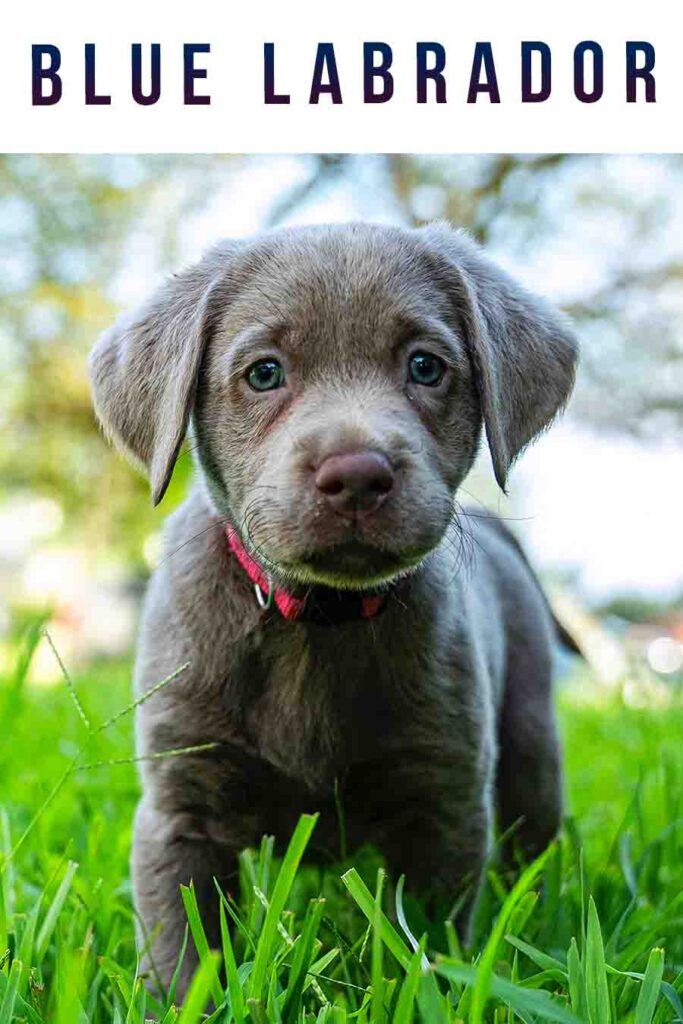


Evaluating Temperament, Energy Levels, and Family Compatibility
The blue labrador retriever possesses the quintessential friendly, outgoing, and loyal temperament that defines the broader Dog Breeds category. These dogs thrive in active households where running, swimming, and interactive play form part of the daily schedule. Due to their high sociability, they generally integrate well with children and other household pets when properly socialized from an early age. Experienced handlers often note that despite their distinct color, their working instincts and retrieval drive remain fully intact, requiring ample outlets for their boundless energy.
Knowing When to Consult a Veterinary Professional or Behaviorist
Consulting a qualified professional is essential whenever a blue labrador retriever displays persistent scratching, unexplained hair loss, or sudden behavioral shifts. Early intervention by a licensed veterinarian ensures that minor skin irritations do not develop into chronic dermatological challenges. For guidance regarding physical well-being, exploring resources on Dog Health provides valuable preventative insights. Additionally, partnering with a certified trainer helps address stubborn habits safely, ensuring a long and joyful companionship.
Cultivating a Lifelong Partnership Built on Knowledge and Care
Embracing the responsibilities of owning a blue labrador retriever means appreciating both its stunning appearance and its specific wellness needs. By staying informed on coat genetics, skin maintenance, and behavioral enrichment, guardians set the stage for a thriving life together. Continued learning through trusted channels such as Dog Care and Dog Training empowers owners to make confident decisions at every life stage. Welcome this remarkable companion into the family with dedication, and explore more expert guidance right here at PetsAnimalsWorld.com.




