Introduction
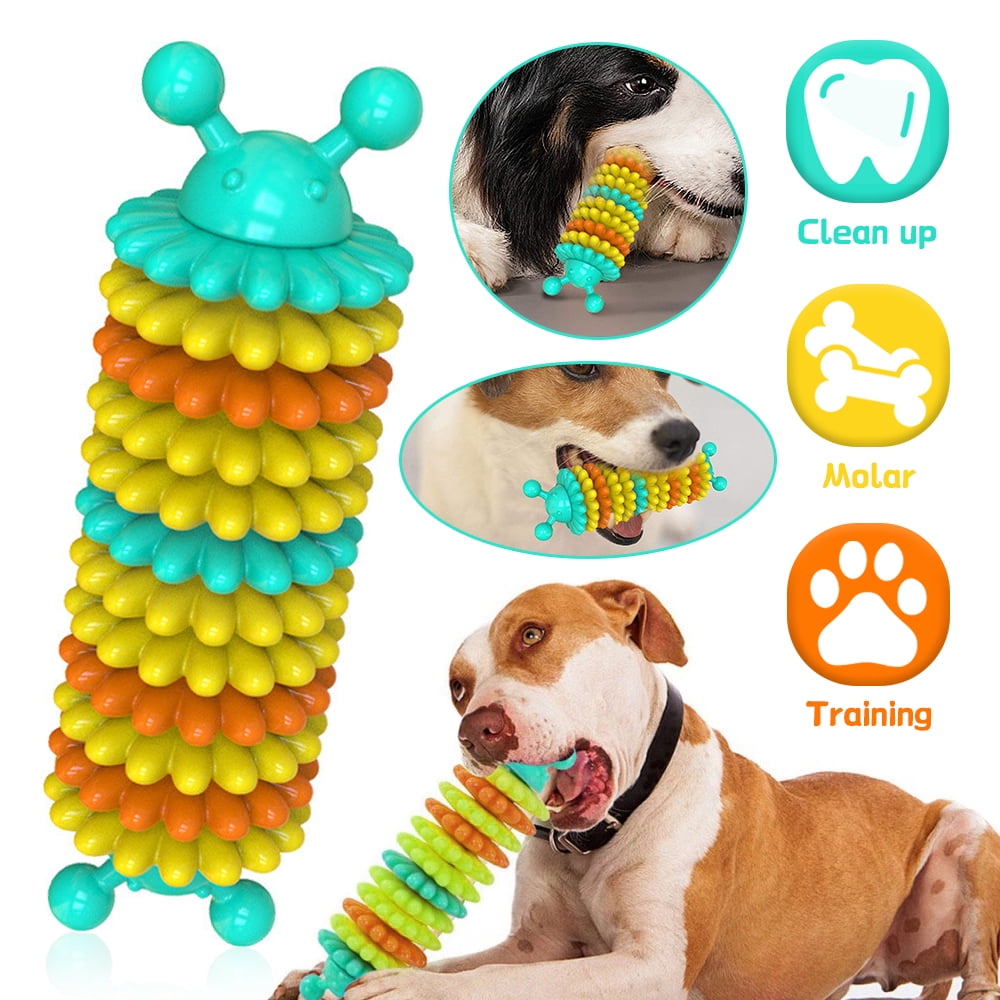
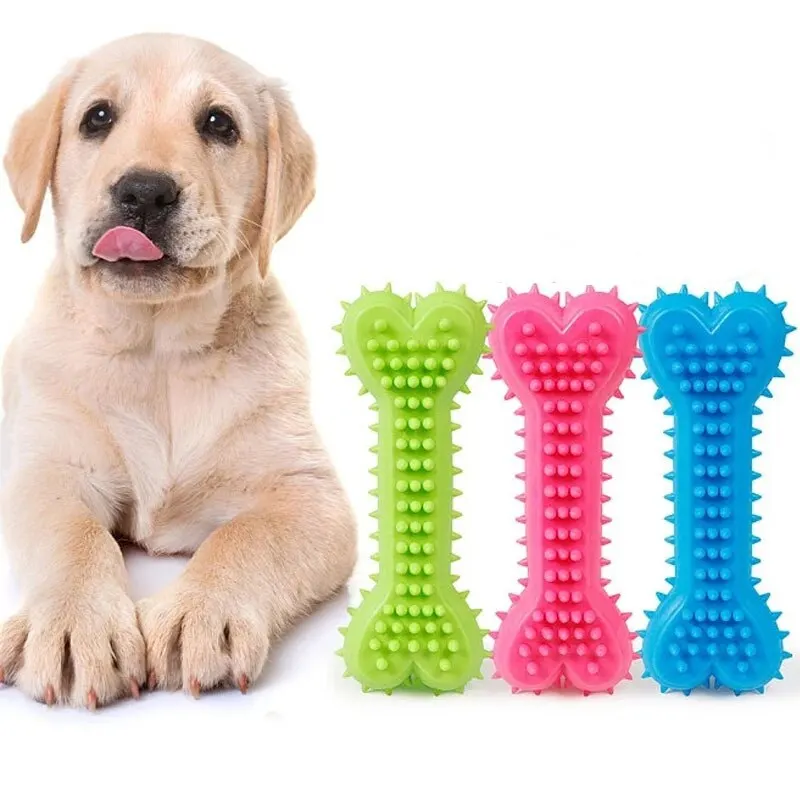
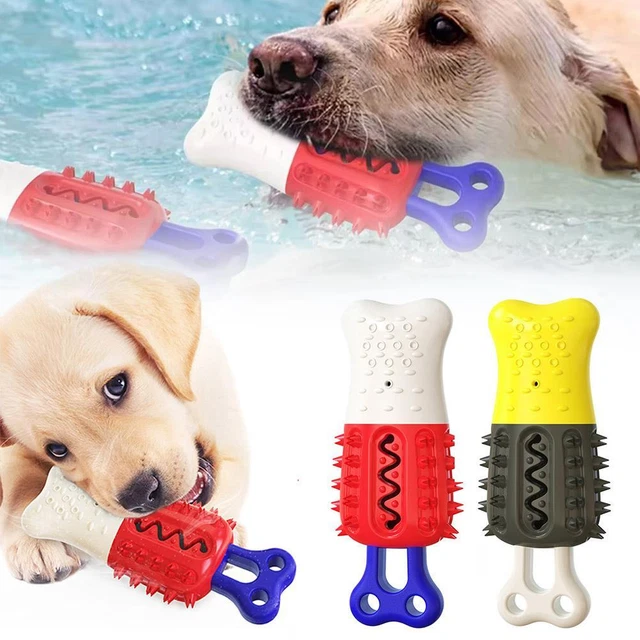
Maintaining a dog’s oral health is a crucial aspect of responsible pet ownership, significantly impacting overall well-being. Among the various tools available for canine dental care, dental chew toys for dogs stand out as a popular and often effective option. These specialized toys are designed not merely for recreation, but with the primary purpose of helping to clean teeth, reduce plaque and tartar buildup, and massage gums as a dog chews. Understanding the function and appropriate use of dental chew toys for dogs is vital, as they can play a significant role in preventing common dental issues such as gingivitis, periodontal disease, and bad breath. Incorporating these chews into a dog’s routine can contribute to a healthier mouth, greater comfort, and an improved quality of life for canine companions. Explore more in our Dog Health collection.
💡 Pet Care Key Takeaways:
- Core Focus: Practical health, nutrition, and wellness guidelines for Dental Chew Toys For Dogs.
- Target Scope: Pet owners, animal caregivers, and veterinary support staff.
- Best Recommendation: Maintain consistent daily routines and consult an accredited veterinarian before introducing major diet or medical changes.
Common Causes and Key Factors
The need for effective dental chew toys for dogs stems from several common factors contributing to canine dental health challenges. Plaque and tartar buildup represent the most prevalent issue. Plaque, a sticky film of bacteria, forms on teeth after eating. If not removed, it hardens into tartar, a calcified deposit that adheres firmly to the tooth surface, creating a rough environment conducive to further bacterial growth. For more related activities, check out our Home Remedy For Dog With Struvite Crystals.
A lack of consistent oral hygiene practices, such as regular tooth brushing or professional dental cleanings, accelerates this process. While some dogs receive regular brushing, many do not, making supplemental methods like dental chews particularly important. Dietary choices can also influence dental health; softer diets may adhere more easily to teeth, while harder kibble can offer some abrasive action. Discover more free resources across our collection library.
Furthermore, breed predispositions play a significant role. Smaller breeds, especially those with crowded teeth or brachycephalic (flat-faced) breeds, are often more susceptible to dental disease due to the alignment and spacing of their teeth. Age is another critical factor, with older dogs generally exhibiting a higher incidence and severity of dental conditions. Finally, a dog’s natural instinct to chew, when redirected towards appropriate dental chew toys for dogs, can be harnessed as a proactive measure against these common oral health issues.
Signs and Symptoms to Observe
Recognizing the signs of dental problems is paramount for timely intervention and maintaining a dog’s health. The most commonly observed symptom indicating a need for improved dental care, often where dental chew toys for dogs can assist, is persistent bad breath, or halitosis. This is frequently one of the earliest indicators of bacterial proliferation and dental disease.
Owners should also observe the condition of a dog’s gums. Red, swollen, or bleeding gums are classic signs of gingivitis, an inflammation that can progress to more serious periodontal disease if left unaddressed. Changes in eating habits, such as difficulty chewing, reluctance to eat hard food, or dropping food from the mouth, can signal pain or discomfort associated with dental issues.
Excessive drooling, sometimes accompanied by blood, warrants attention, as it can indicate oral irritation or infection. A dog pawing at its mouth or exhibiting increased irritability when its face or mouth is touched also points to potential discomfort. Visually inspecting the teeth can reveal brownish-yellow tartar buildup, particularly along the gum line. In advanced cases, loose or missing teeth may be apparent, requiring immediate veterinary assessment. These signs can manifest differently depending on a dog’s age, breed, and the severity of the underlying dental condition.
Practical Solutions and Management Strategies
Implementing effective strategies for canine dental care involves a multi-faceted approach, with dental chew toys for dogs serving as a valuable component. The first step involves selecting the appropriate type of chew. Owners should choose dental chew toys that are specifically designed for dental health, considering factors such as size, material, and hardness. Chews should be firm enough to provide abrasive action against plaque but not so hard that they risk fracturing teeth. Options range from edible dental treats with enzyme formulations to durable rubber or nylon toys with textured surfaces.
Consistent and regular use of dental chew toys for dogs is key. Incorporating them into a daily routine helps maintain the abrasive action necessary to prevent plaque accumulation. Supervision during chewing sessions is always recommended, especially when introducing new toys, to ensure safety and prevent choking hazards or excessive ingestion of non-edible materials.
Rotating different types of dental chews can help maintain a dog’s interest and provide varied stimulation to different parts of the mouth. While dental chew toys are beneficial, they are most effective when combined with other dental care practices. This includes regular tooth brushing with veterinary-approved toothpaste, incorporating dental diets designed to reduce plaque, and using water additives formulated for oral health. Introducing chews early in a dog’s life can help establish positive chewing habits and contribute to long-term dental wellness.
When Professional Help May Be Needed
While dental chew toys for dogs are excellent for preventive care and mild plaque management, there are specific situations where professional veterinary intervention becomes essential. Owners should seek professional advice if a dog exhibits persistent bad breath despite consistent home care, as this can indicate underlying infections or advanced dental disease.
Significant inflammation, redness, or bleeding of the gums, particularly if it extends beyond the early stages of gingivitis, warrants veterinary attention. Visible signs of tooth damage, such as fractured, chipped, or severely worn teeth, require professional assessment to prevent pain and further complications. The presence of loose or missing teeth is a clear indicator of advanced periodontal disease that demands immediate veterinary care.
Any noticeable difficulty in eating, chewing, or a sudden change in appetite should prompt a visit to the veterinarian, as these can be signs of severe oral pain or systemic illness. Behavioral changes, such as increased irritability, lethargy, or reluctance to allow examination of the mouth, can also signal significant discomfort. Furthermore, annual veterinary check-ups are crucial for comprehensive dental examinations and professional cleaning recommendations. These visits allow veterinarians to assess the overall oral health, identify problems early, and recommend appropriate treatment plans, which may include professional dental scaling and polishing under anesthesia.
Conclusion
Dental chew toys for dogs represent a vital component in a comprehensive strategy for maintaining canine oral health. Their ability to assist in reducing plaque and tartar, stimulating gums, and satisfying a dog’s natural chewing instinct offers significant benefits. Consistent use of appropriate dental chew toys, integrated with other preventive measures like regular brushing and quality nutrition, forms the foundation of proactive dental care. Owners play a crucial role in observing their dog’s oral health, making informed choices about dental products, and understanding when to seek professional veterinary assistance. Prioritizing dental care through awareness, consistent effort, and timely intervention ensures that canine companions enjoy comfort, better health, and an enhanced quality of life, aligning perfectly with the educational mission of petsanimalsworld.com.
Pet Care & Wellness Overview Table
| Life Stage | Daily Activity Level | Key Nutrition / Care Focus |
|---|---|---|
| Puppy / Kitten | High (frequent short bursts) | High-protein growth diet & early socialization |
| Adult Companion | Moderate (30–60 mins daily) | Balanced maintenance nutrition & dental hygiene |
| Senior Pets | Low to Gentle (mindful walks) | Joint support (Glucosamine) & routine vet checks |
Images References