Understanding Severe Constipation and Why Digestive Relief Matters for Dogs
According to the American Veterinary Medical Association, gastrointestinal disorders account for a significant portion of routine veterinary visits, with issues ranging from mild dietary indiscretion to severe bowel obstructions. Canine digestive health forms the cornerstone of overall vitality, yet many owners overlook the subtle signs of elimination trouble until the situation escalates. In clinical practice, watching a canine patient strain unsuccessfully outdoors reveals an immediate picture of physical distress that requires prompt, compassionate intervention. Recognizing the underlying mechanics of canine digestion allows caregivers to act before minor irregularities transform into complex medical crises. Maintaining regular bowel movements is essential for toxin elimination and systemic comfort, making intestinal wellness a top priority for responsible pet guardianship.
💡 Pet Care Key Takeaways:
- Core Focus: Practical health, nutrition, and wellness guidelines for +Deobstibation In Dogs.
- Target Scope: Pet owners, animal caregivers, and veterinary support staff.
- Best Recommendation: Maintain consistent daily routines and consult an accredited veterinarian before introducing major diet or medical changes.
Deobstibation in dogs refers to the medical removal of impacted, hardened feces from the large intestine.
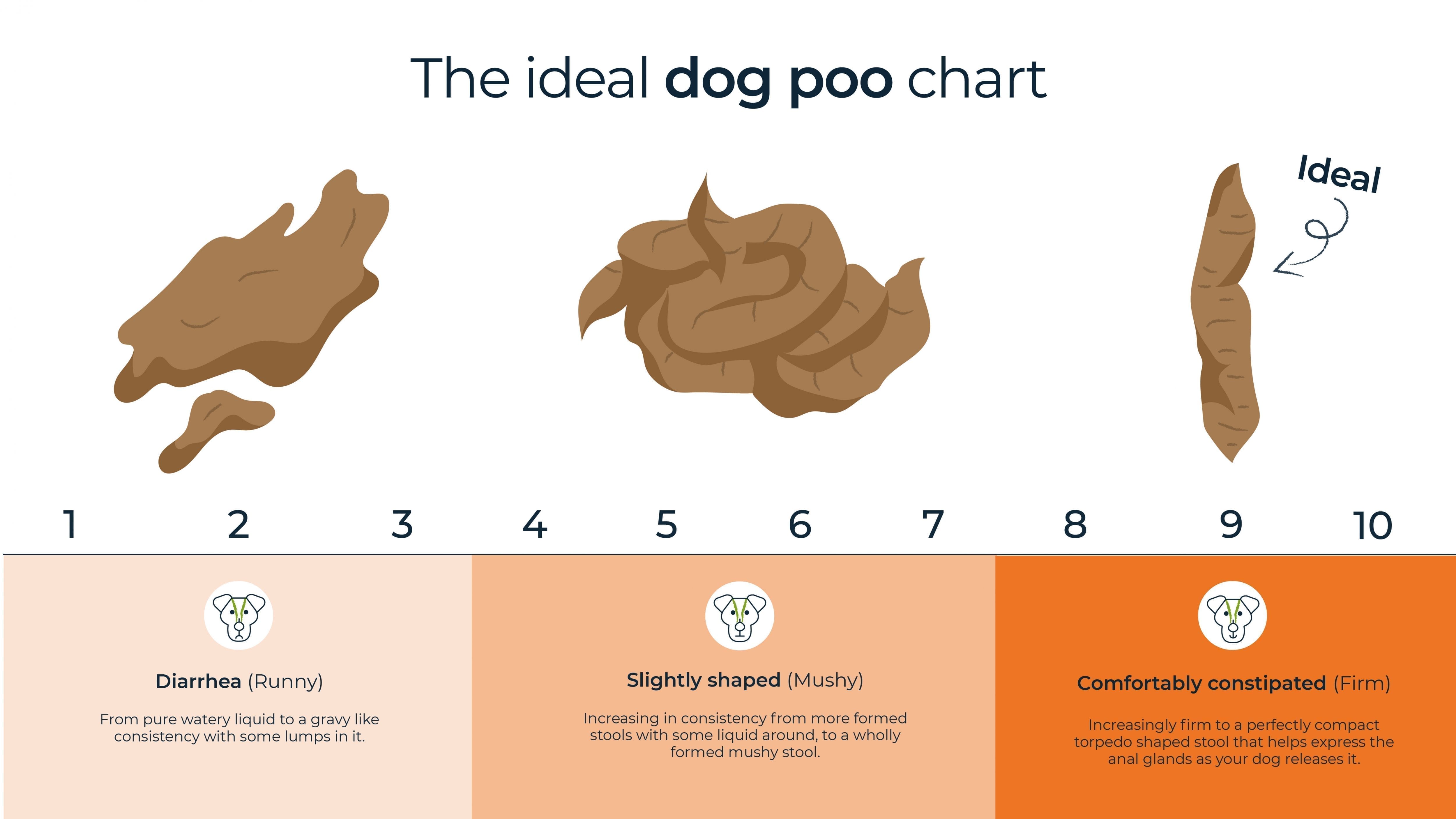
Deobstibation in dogs is a clinical procedure designed to clear severe, obstinate fecal accumulations that the animal cannot expel naturally through standard defecation. When constipation progresses past simple dietary adjustments, fecal matter dries out within the colon, creating a dense blockage known as a fecalith. Veterinary professionals often perform this manual or medically assisted evacuation under sedation or general anesthesia to ensure the canine patient remains comfortable and pain-free. Beyond simple relief, this veterinary procedure prevents the colon from stretching permanently, a dangerous condition called megacolon that permanently impairs large bowel motility. Understanding this medical intervention highlights why chronic straining should never be ignored as a passing inconvenience.
Severe fecal impaction profoundly impacts a dog’s overall health, causing systemic distress and behavioral changes.
Left untreated, severe bowel stagnation triggers a cascade of negative physiological consequences that affect the animal’s mood, appetite, and energy levels. Dogs experiencing acute impaction frequently display lethargy, hunched posture, loss of appetite, and occasional vomiting due to the immense abdominal pressure building up inside the system. During examination rooms encounters, patients with impacted colons often whimper softly when touched near the lower back or tail base, showcasing deep discomfort. Furthermore, chronic straining can lead to painful secondary conditions such as perineal hernias, where pelvic muscles weaken and bulge under the intense pressure of repeated pushing. Addressing these intestinal roadblocks promptly preserves quality of life and prevents emergency surgical interventions down the line.
Chronic gastrointestinal straining in dogs can lead to permanent structural damage of the large intestine, such as megacolon, if left unmanaged by veterinary professionals. — American Veterinary Medical Association
Professional management of severe constipation requires a combination of veterinary intervention and targeted nutritional adjustments.
Managing advanced fecal retention safely involves clinical stabilization followed by careful dietary restructuring to prevent recurrence. Veterinarians typically begin by rehydrating the patient with intravenous fluids and administering specialized enemas or softening agents designed specifically for canine physiology. Never attempt home enemas using human products, as many contain ingredients like sodium phosphate that are highly toxic to dogs and can cause fatal electrolyte imbalances. Once the immediate blockage is resolved, shifting the focus to Dog Nutrition becomes paramount for long-term digestive regularity. Incorporating appropriate fiber sources and ensuring constant access to fresh water helps maintain optimal stool consistency day after day.
Safe practices and crucial mistakes to avoid when handling canine digestive blockages.
Navigating canine digestive health safely demands vigilance regarding what goes into the food bowl and avoiding harmful home remedies. A common mistake among well-meaning owners is administering over-the-counter human laxatives or unprescribed oils, which can trigger severe dehydration, electrolyte toxicity, or dangerous abdominal cramping. Instead, focus on preventive daily care through measured feeding schedules, appropriate hydration, and regular exercise that stimulates natural peristalsis—the wave-like muscle contractions moving food through the gut. When managing any aspect of Dog Care, always consult a licensed veterinarian before introducing novel supplements, pumpkin purees, or commercial fiber boosters into the daily routine. Ensuring safe, guided care protects the delicate balance of the canine gastrointestinal tract.
Human laxatives and certain household oils can cause severe toxicity and fatal electrolyte imbalances when administered to dogs without professional veterinary oversight. — American Society for the Prevention of Cruelty to Animals
Pet Care & Wellness Overview Table
| Life Stage | Daily Activity Level | Key Nutrition / Care Focus |
|---|---|---|
| Puppy / Kitten | High (frequent short bursts) | High-protein growth diet & early socialization |
| Adult Companion | Moderate (30–60 mins daily) | Balanced maintenance nutrition & dental hygiene |
| Senior Pets | Low to Gentle (mindful walks) | Joint support (Glucosamine) & routine vet checks |
Images References




Breed, age, and lifestyle factors heavily influence a dog’s susceptibility to severe constipation.
Certain canine populations face a statistically higher risk of developing stubborn bowel obstructions due to anatomical predispositions or underlying medical conditions. Senior dogs, for instance, often experience reduced intestinal motility and weakened pelvic floor muscles, making them prime candidates for impaction issues. Additionally, long-haired breeds frequently ingest significant amounts of fur during self-grooming, which can bind with feces inside the colon to form dense mats. Exploring specific traits within various Dog Breeds reveals how pelvic conformation and activity levels directly correlate with lower gastrointestinal efficiency. Recognizing these inherent risk factors enables proactive owners to tailor preventive strategies to their individual companion’s unique profile.
Consulting a veterinary professional is essential whenever a dog displays persistent signs of elimination distress.
Recognizing the exact moment to seek professional medical help can save a beloved companion from immense suffering and life-threatening complications. If a dog strains unsuccessfully for more than twenty-four hours, passes hard pebble-like stool with mucus or blood, or shows signs of abdominal pain, a veterinary visit is immediately required. Furthermore, any underlying systemic illnesses contributing to the digestive sluggishness must be diagnosed and treated by a qualified clinician rather than managed with guesswork. Prioritizing timely veterinary evaluation ensures that the root cause of the blockage is addressed safely, restoring comfort and vitality to the animal.
Supporting long-term canine wellness requires informed choices and dedicated daily attention.
Maintaining optimal digestive health is an ongoing journey that rewards attentive guardianship and proactive veterinary partnership. By staying informed about gastrointestinal mechanics and recognizing early warning signs, caregivers can protect their companions from severe complications like chronic impaction. Exploring valuable resources across Dog Health helps deepen understanding of canine physiology and preventative medicine. Ultimately, visiting PetsAnimalsWorld.com provides access to a wealth of expert guidance dedicated to keeping every four-legged family member happy, healthy, and thriving for years to come.