According to the American Kennel Club (AKC), adolescent dogs undergo significant physical and psychological changes around eight months of age, which frequently alters their daily energy expenditure and outward expression of vitality. When a young Labrador Retriever spends hours lying quietly on the living room rug, observers often wonder whether the animal has suddenly turned into a low-energy pet or simply lacks mental stimulation. Distinguishing between a relaxed temperament and under-stimulated apathy requires a careful look at daily routines, physiological development, and environmental enrichment. Explore more in our Pets collection.
💡 Pet Care Key Takeaways:
- Core Focus: Practical health, nutrition, and wellness guidelines for Is My 8Th Month Old Lab Bored Or Lazy.
- Target Scope: Pet owners, animal caregivers, and veterinary support staff.
- Best Recommendation: Maintain consistent daily routines and consult an accredited veterinarian before introducing major diet or medical changes.
An eight-month-old Labrador Retriever showing low-activity signs is typically experiencing either behavioral exhaustion from poor engagement or a normal developmental pause in rapid growth.
At eight months old, a Labrador is deep into adolescence, a stage characterized by shifting hormone levels and intense skeletal development. Canine behaviorists often evaluate canine lethargy by observing how the animal responds to high-value triggers, such as a squeaky toy or the rustle of a treat bag. A truly lazy dog or one content with its environment will acknowledge the stimulus and remain calm, whereas a bored dog might display displaced behaviors like excessive licking, destruction, or sudden bursts of erratic hyperactivity known as zoomies after long periods of stillness.
Misinterpreting adolescent fatigue can lead to inadequate physical conditioning or, conversely, over-exercising a developing skeletal system that requires protection.
Labrador Retrievers are a large breed prone to orthopedic conditions like hip dysplasia, meaning that forcing an eight-month-old dog into repetitive, high-impact running under the assumption that it is just bored can damage delicate growth plates. On the other hand, leaving a bright retriever without sufficient problem-solving tasks often results in destructive chewing and chronic frustration. During physical examinations in professional practice, veterinarians frequently observe that dogs labeled as lazy are actually quietly suffering from chronic under-stimulation, which suppresses their natural desire to explore and learn.
Adolescent large-breed dogs require carefully managed exercise routines to protect fusing growth plates while still meeting their high baseline mental needs — American Kennel Club (AKC)
Addressing this duality involves pairing structured physical outlets with targeted cognitive challenges that satisfy a retriever’s working heritage.
Resolving whether an adolescent retriever needs more action or simply better rest starts with evaluating the daily schedule. Introducing puzzle toys, scent work games, and obedience sessions taps into the dog’s natural drive to retrieve and search, burning mental energy far more efficiently than a simple walk around the block. Establishing predictable routines helps anxious or confused youngsters understand when it is time to work and when it is time to settle down peacefully.
Avoiding common pitfalls regarding adolescent canine energy levels ensures long-term physical health and behavioral stability.
One frequent mistake is assuming that a quiet dog never needs mental enrichment, leading to neglected cognitive health that manifests as behavioral issues later in life. Conversely, forcing an unenthusiastic dog to endure marathon fetch sessions can strain developing joints and create a negative association with physical activity. Guardians should observe body language closely, watching for heavy panting, lagging behind during walks, or stiffness upon rising, all of which indicate physical fatigue rather than behavioral laziness.
Mental enrichment through scenting and problem-solving games significantly reduces destructive adolescent behaviors in high-drive sporting breeds — Association of Professional Dog Trainers (APDT)
Pet Care & Wellness Overview Table
| Life Stage | Daily Activity Level | Key Nutrition / Care Focus |
|---|---|---|
| Puppy / Kitten | High (frequent short bursts) | High-protein growth diet & early socialization |
| Adult Companion | Moderate (30–60 mins daily) | Balanced maintenance nutrition & dental hygiene |
| Senior Pets | Low to Gentle (mindful walks) | Joint support (Glucosamine) & routine vet checks |
Images References


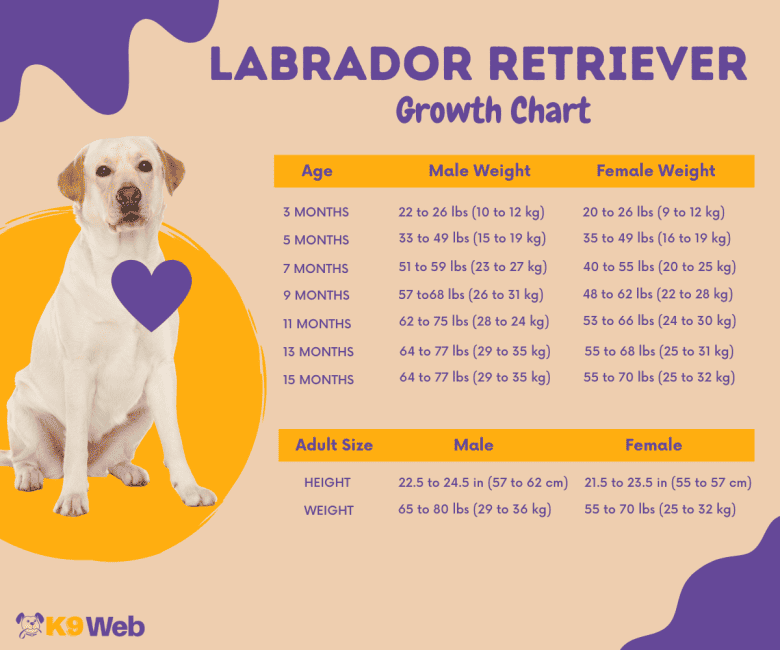
Breed heritage and adolescent physiology heavily influence how a young Labrador displays tiredness or restlessness.
As a classic sporting breed bred for endurance and retrieval work, a healthy young Labrador possesses deep reserves of stamina, yet growth spurts at eight months old routinely drain their physical battery faster than expected. This biological reality means that a dog might look lazy for a few days simply because its body is directing all available resources toward bone and muscle lengthening. Recognizing these natural ebbs and flows prevents owners from panicking over temporary dips in activity while keeping expectations realistic for a maturing canine companion.
Consulting a qualified veterinarian or professional trainer becomes necessary if sudden lethargy is accompanied by physical symptoms, loss of appetite, or persistent behavioral withdrawal.
While normal adolescent fatigue comes and goes, sudden or profound inactivity can signal underlying medical concerns such as infections, nutritional imbalances, or pain from developing orthopedic issues. Any persistent change in baseline demeanor warrants a thorough physical examination by a veterinary professional to rule out illness before adjusting a training or exercise regimen. For severe behavioral apathy or uncharacteristic withdrawal, guidance from a certified professional specializing in Dog Behavior can help pinpoint environmental stressors.
Understanding an adolescent retriever’s daily rhythms ensures a harmonious household where physical vitality and restful downtime balance each other out.
Careful observation of daily habits reveals whether a young Labrador is simply resting comfortably after a stimulating day or quietly struggling with boredom in disguise. By maintaining proper health checks and engaging the dog’s natural intelligence, owners can foster a well-adjusted companion that thrives through every stage of development. Explore further guidance on Dog Training and general Dog Care to support your growing companion at PetsAnimalsWorld.com.