
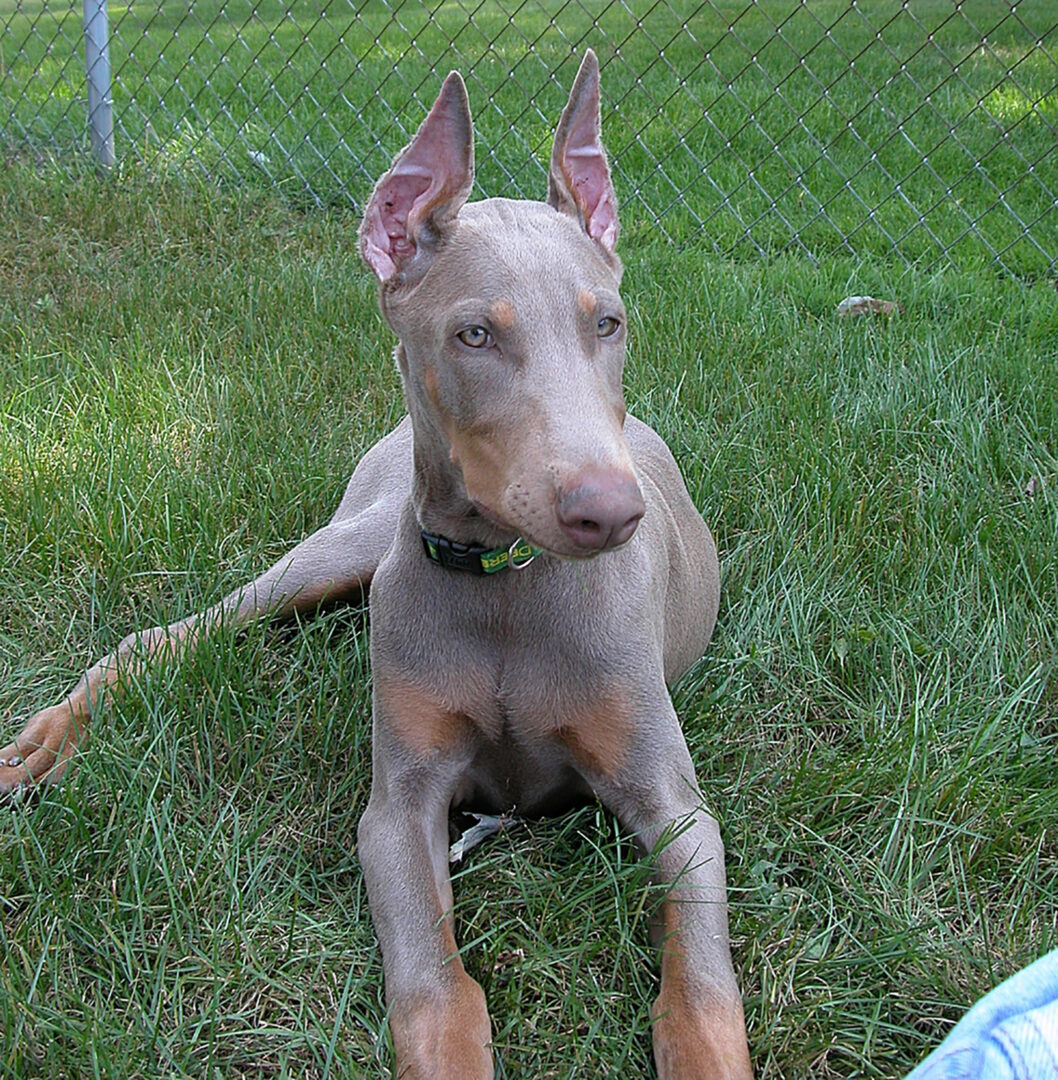
Understanding the striking presence and distinct genetics of the dobermann fawn
According to the American Kennel Club, coat color genetics in purebred dogs are governed by specific pigment loci that determine the visible shade, with dilution genes playing a significant role in creating rare variations. Within the canine community, the elegant silhouette of a powerful guardian paired with an unusual, soft coat shade naturally draws significant attention. Observing these dogs in clinical and training settings reveals that their physical appearance carries a rich background of genetic science. Canine enthusiasts often find themselves captivated by the dilute shades appearing in litters that traditionally feature dark, striking markings. Delving into the origins and physiological makeup of this coat variety illuminates why these animals require a thoughtful, informed approach from those who welcome them into households. Explore more in our Dog Breeds collection.
💡 Pet Care Key Takeaways:
- Core Focus: Practical health, nutrition, and wellness guidelines for Dobermann Fawn.
- Target Scope: Pet owners, animal caregivers, and veterinary support staff.
- Best Recommendation: Maintain consistent daily routines and consult an accredited veterinarian before introducing major diet or medical changes.
The fawn dobermann is a dilute expression of the standard red coat
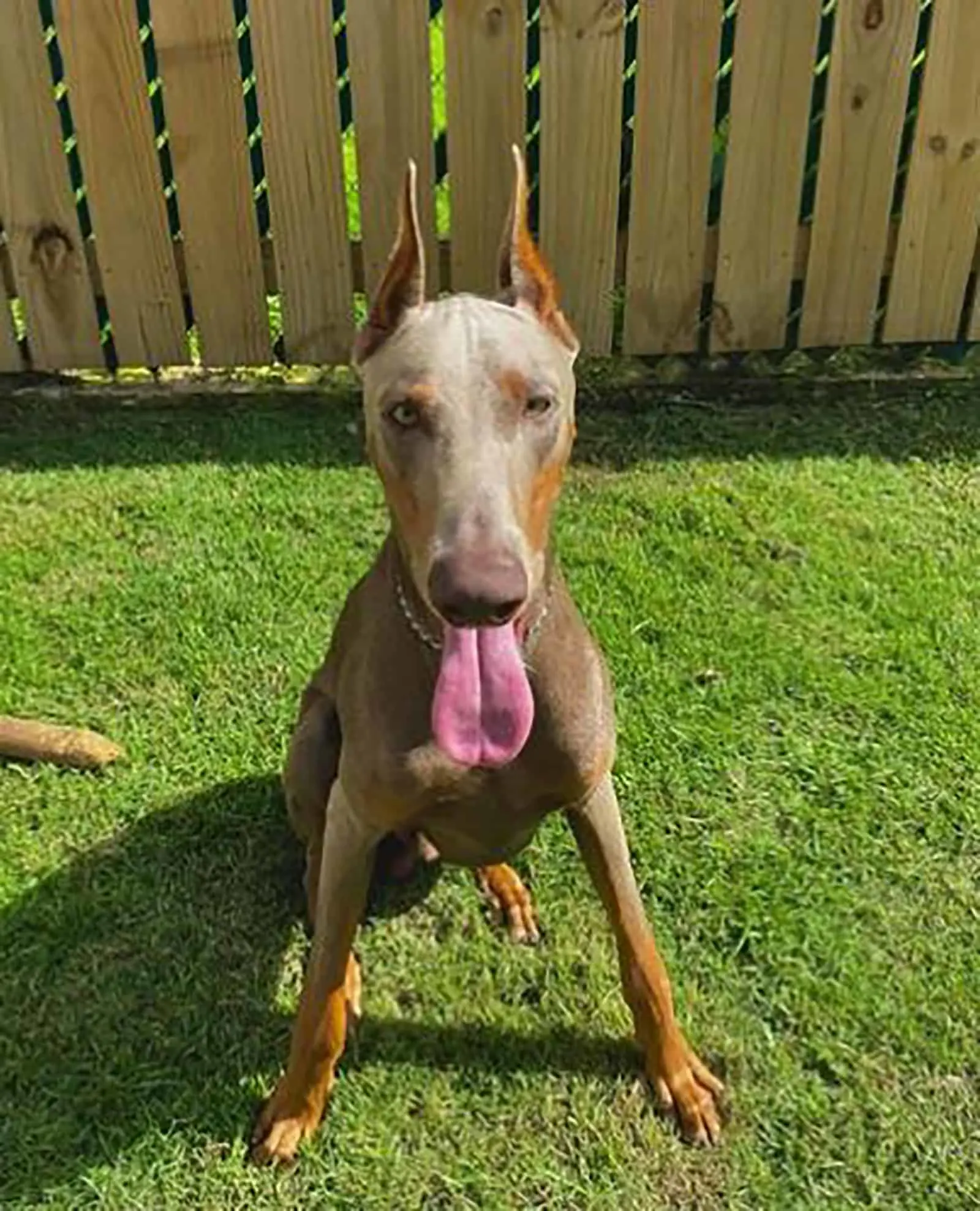
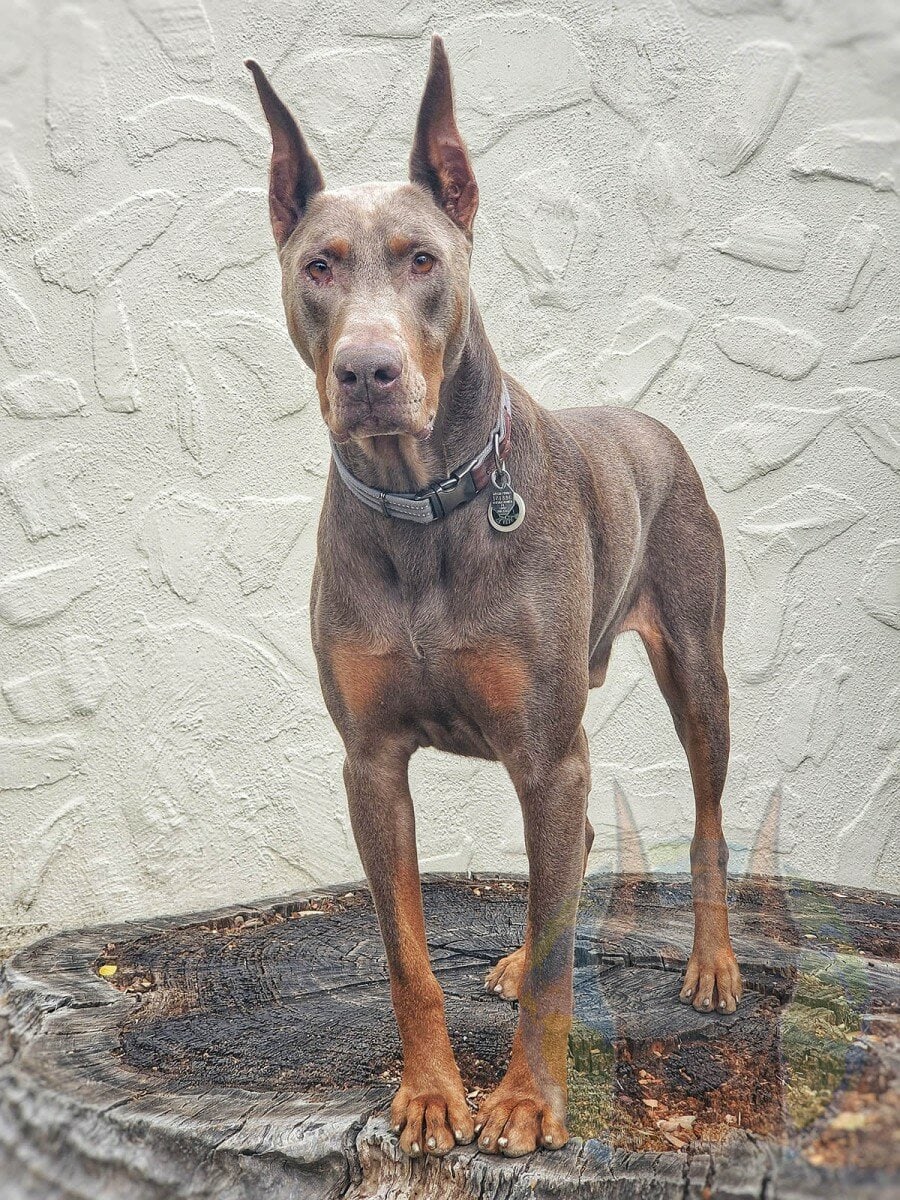
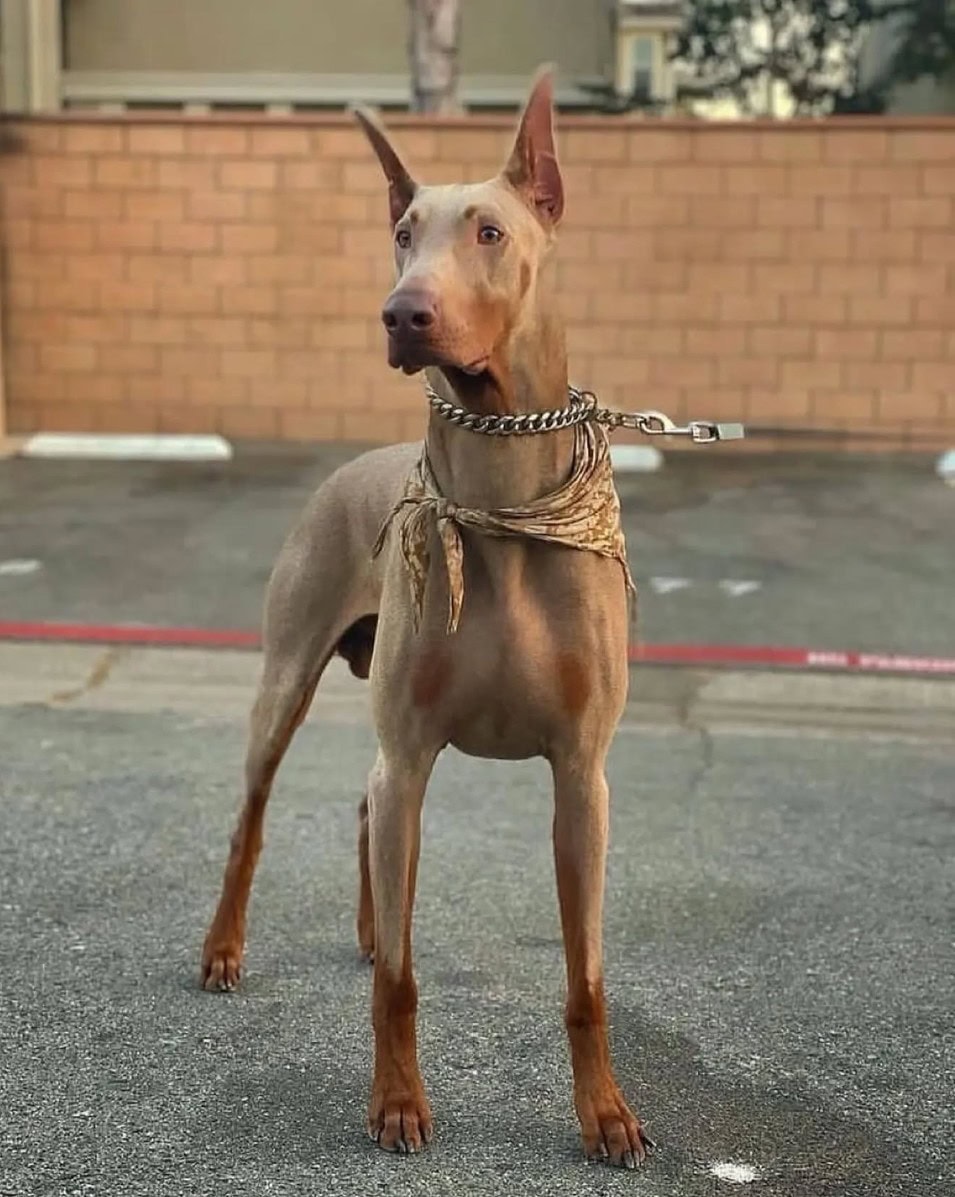
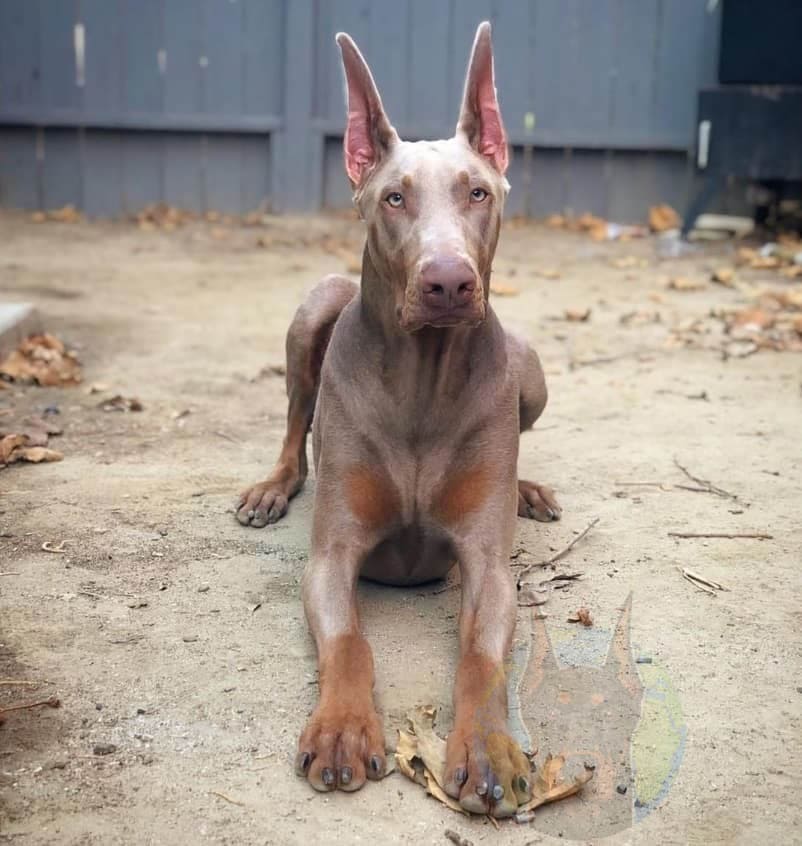
A dobermann fawn is officially recognized as an Isabella coat color, representing a genetic dilution of the standard red or brown phenotype. This rare coloration occurs through the interaction of the recessive dilution gene, which alters the eumelanin pigment to produce a pale, silvery-brown or fawn appearance. Standard classification systems group this shade alongside the blue variation, which stems from the black coat gene under the influence of the same dilution factor. While the American Kennel Club and other major registries accept this hue for conformation events, the underlying biological mechanism demands specialized attention regarding dermatological health. Recognizing this dilute expression allows owners to appreciate that beneath the unique coat lies the classic, athletic conformation expected from the working group. For more related activities, check out our Fo Pugs Growl Once In Awhile.
Color dilution alopecia presents distinct skincare challenges for dilute coats
Color dilution alopecia is a hereditary skin condition frequently associated with dilute-colored coats like the dobermann fawn, leading to progressive hair loss and dry skin. This dermatological concern arises because the abnormal clumping of pigment melanin granules damages the hair shafts, causing them to fracture easily and fail to regenerate properly. Routine veterinary evaluations in practice frequently highlight that these individuals are more prone to secondary bacterial infections and dry, flaky dermis compared to their traditionally colored counterparts. Maintaining a robust skincare routine involves utilizing gentle, hypoallergenic shampoos and incorporating omega-3 fatty acids into daily nutrition after veterinary consultation. Protecting the delicate skin from harsh environmental factors remains a primary daily responsibility for guardians managing this genetic predisposition.
Color dilution alopecia affects up to eighty percent of blue and fawn Doberman Pinschers, presenting as progressive hair loss and follicular dysplasia on dilute-colored areas of the coat. — American Kennel Club Canine Health Foundation
Proactive grooming and targeted dermatological care preserve skin integrity
Managing coat health for a dobermann fawn requires a dedicated regimen focused on moisture retention and gentle friction reduction. Daily observations in professional handling settings indicate that dogs with fragile hair shafts benefit significantly from soft-bristle grooming tools that stimulate blood flow without abrading the epidermis. Regular bathing schedules must strike a balance between removing environmental debris and preserving the natural protective oils of the skin. Furthermore, shielding the sensitive skin from prolonged sun exposure prevents sunburn on areas with sparse hair coverage. Establishing these consistent maintenance habits ensures that the coat remains as comfortable and healthy as possible throughout every life stage.
Avoiding common mistakes in the management of dilute canine coats
Over-bathing with harsh medicated cleansers is a frequent misstep that strips essential lipids from the delicate skin of a dobermann fawn. Another common error involves neglecting early signs of follicular plugging or minor scaling, which can rapidly escalate into painful pyoderma if left unaddressed. Guardians should also avoid heavy, pore-clogging topical ointments unless specifically prescribed by a licensed veterinary dermatologist. Implementing a preventive healthcare strategy centered on gentle hydration and prompt professional intervention prevents minor dermatological issues from compounding.
Dermatological disorders require a tailored diagnostic approach, as secondary infections frequently complicate primary genetic conditions like follicular dysplasia in dilute dogs. — American Veterinary Medical Association
Pet Care & Wellness Overview Table
| Life Stage | Daily Activity Level | Key Nutrition / Care Focus |
|---|---|---|
| Puppy / Kitten | High (frequent short bursts) | High-protein growth diet & early socialization |
| Adult Companion | Moderate (30–60 mins daily) | Balanced maintenance nutrition & dental hygiene |
| Senior Pets | Low to Gentle (mindful walks) | Joint support (Glucosamine) & routine vet checks |
Images References



Temperament, physical conformation, and exercise needs remain true to the standard
Coat color does not alter the innate intelligence, loyalty, and high energy drive characteristic of the broader breed standard. Behavioral assessments consistently demonstrate that these dogs possess the same keen alertness and protective instincts found in standard black-and-rust counterparts. Providing adequate mental stimulation through obedience tasks, puzzle toys, and structured agility work prevents the development of boredom-related destructive behaviors. Socialization during puppyhood helps channel their natural guard tendencies into balanced, confident responses toward strangers and unfamiliar environments. Ultimately, their psychological profile demands an active, engaged household capable of meeting high physical and mental thresholds.
Consulting a veterinarian ensures optimal long-term health management
Professional veterinary guidance is indispensable when monitoring the specialized health markers associated with a dobermann fawn. Routine wellness exams should include comprehensive dermatological checks, cardiac screenings, and thyroid evaluations, as the breed carries predispositions to conditions such as dilated cardiomyopathy. Working closely with a qualified professional allows for the early detection of subtle changes in skin health or systemic well-being. Proactive medical oversight ensures that any developing health concerns receive prompt, evidence-based intervention tailored to the specific physiological needs of the individual.
Nurturing a healthy bond through informed guardianship and dedicated care
Embracing the unique qualities of a dobermann fawn enriches the lives of both the animal and the household through deep companionship and mutual understanding. By addressing genetic predispositions with proactive veterinary care and mindful daily management, owners create a safe and thriving environment. Exploring resources across Dog Care and Dog Health provides additional insights into maintaining optimal canine well-being. Discover more expert guidance and educational articles across the broader canine categories by visiting PetsAnimalsWorld.com to support a long, vibrant life for cherished Pets.




