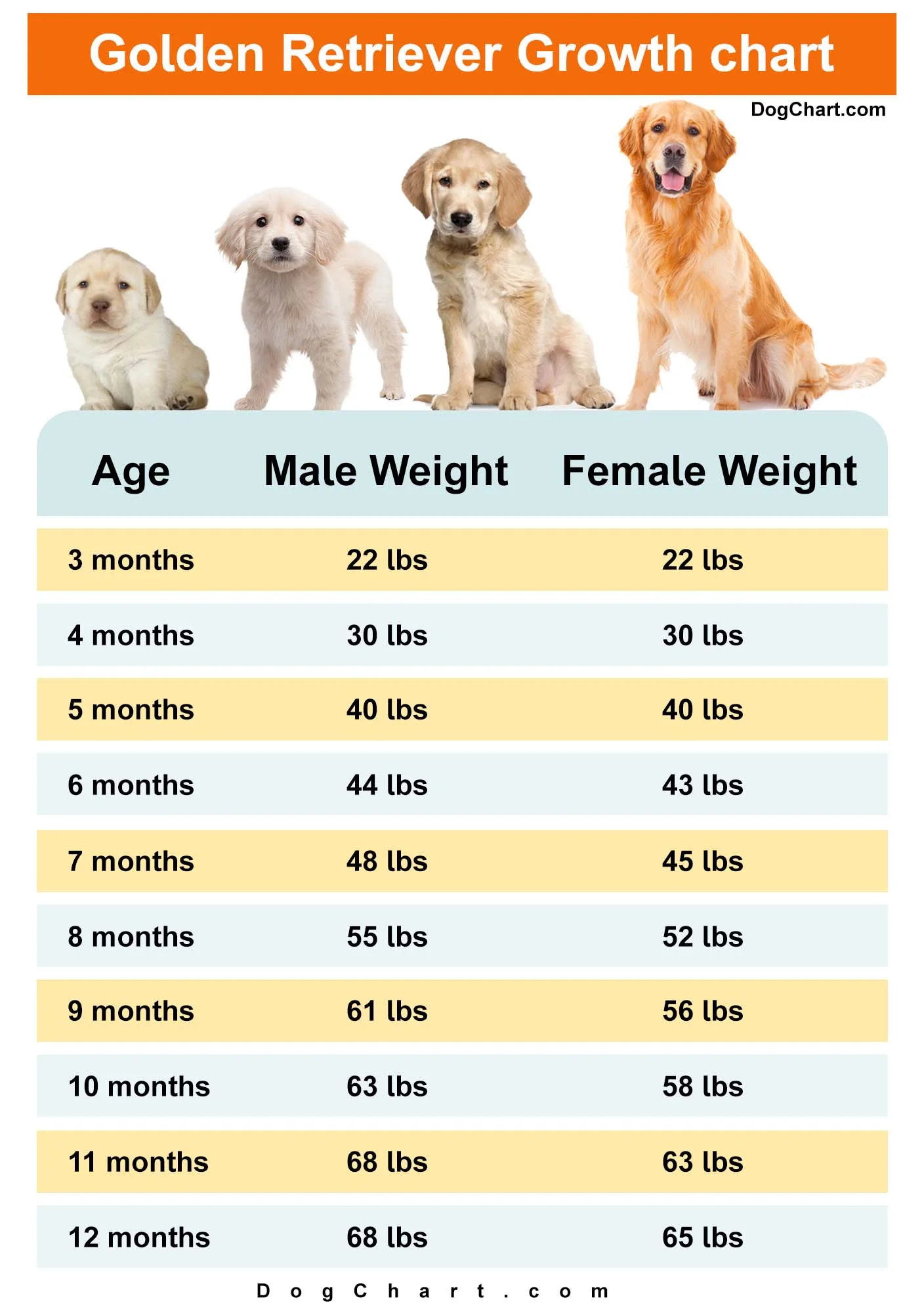
According to the American Kennel Club, this iconic sporting breed ranks among the most popular family companions globally, bringing immense joy alongside unique developmental hurdles during late puppyhood. Stepping into the adolescent phase, these dogs often resemble fully grown adults while retaining the emotional maturity of a much younger puppy. Experienced handlers frequently observe a sudden surge in independence paired with boundless physical energy, catching unprepared households off guard. Recognizing the physiological and psychological shifts happening beneath that golden coat helps transform daily challenges into rewarding bonding opportunities.
💡 Pet Care Key Takeaways:
- Core Focus: Practical health, nutrition, and wellness guidelines for Golden Retriever 8 Months Old.
- Target Scope: Pet owners, animal caregivers, and veterinary support staff.
- Best Recommendation: Maintain consistent daily routines and consult an accredited veterinarian before introducing major diet or medical changes.
During this specific life stage, juvenile dogs experience significant hormonal fluctuations as their bodies approach adult size and skeletal conformation. Epiphyseal plates, which are the specialized areas of growing tissue near the ends of long bones, remain open and vulnerable to high-impact stress during this period. Meanwhile, the canine brain undergoes intensive neural rewiring, frequently leading to selective hearing, boundary testing, and an intense curiosity about the surrounding environment. Navigating this golden retriever 8 months old milestone successfully means balancing physical exercise requirements with joint safety protocols and consistent positive reinforcement. For more related activities, check out our Golden Spanial.
Managing skeletal development and behavioral testing forms the cornerstone of proper care during this critical phase of rapid growth.
High-impact activities such as repetitive jumping, jogging on hard pavement, or rough ball-playing can permanently damage still-forming joints, increasing the long-term risk of hip dysplasia, a genetic and environmental malformation of the hip socket. Instead, low-impact mental stimulation, scent games, and controlled leash walks support healthy muscular development without overworking growing limbs. On the behavioral front, adolescent rebellion often manifests as forgotten house manners or over-arousal when greeting human visitors. Establishing predictable routines prevents these temporary behavioral lapses from cementing into permanent habits.
Large-breed puppies require controlled exercise regimens with minimized jumping until growth plates fully close around twelve to eighteen months of age — American Kennel Club
Implementing structured daily routines and consistent positive reinforcement is essential for guiding an adolescent dog through this transitional age.
Positive reinforcement training relies on rewarding desired actions with high-value treats, praise, or play, which builds a strong motivational bridge between the learner and the handler. Because an adolescent retriever possesses an exceptional sense of smell and a natural desire to retrieve, channeling these instincts into structured games like tracking or fetch provides an appropriate outlet for excess drive. Socialization must also continue proactively, exposing the dog to novel environments, gentle handling, and well-mannered canine peers to ensure a confident, stable adult temperament. Consistency across all household members prevents confusion and accelerates impulse control.
Avoiding common mistakes regarding nutrition, exercise limits, and punishment preserves both physical health and trust.
One frequent pitfall involves overfeeding or switching to adult dog food prematurely, which can accelerate bone growth and compromise joint stability. Feeding a specially formulated large-breed puppy diet ensures the correct calcium-to-phosphorus ratio required for steady, safe maturation. Furthermore, trainers strongly advise against punitive or dominance-based correction methods, as fear-based corrections can trigger defensive aggression or severe anxiety in a sensitive adolescent dog. Maintaining clear, gentle boundaries yields far superior long-term results while safeguarding the trusting bond between animal and human.
Adolescent dogs experience a temporary second fear period where novel stimuli may provoke exaggerated defensive responses requiring gentle, positive exposure — American Society for the Prevention of Cruelty to Animals
Breed-specific traits and coat development require attentive daily maintenance as the puppy coat transitions into the weather-resistant adult mantle.
The signature dense double coat, consisting of a soft insulating undercoat and a water-repellent outer layer, begins shedding heavily around this age as seasonal changes and maturation occur. Regular brushing with a slicker brush and undercoat rake prevents painful matting behind the ears, in the armpits, and along the feathered tail. Additionally, the inherent soft mouth of the breed often leads to excessive chewing as adult teeth settle firmly in the jaw. Providing durable, vet-approved chew toys satisfies this natural compulsion and protects household furniture from accidental destruction.
When to consult a veterinary professional or certified behaviorist depends on recognizing red flags that extend beyond typical adolescent mischief.
While normal puppy curiosity and boundary testing resolve with consistent guidance, sudden lethargy, persistent lameness, or unexpected digestive issues warrant immediate veterinary evaluation. If behavioral challenges escalate into unprovoked aggression, severe separation anxiety, or intense fear responses that disrupt daily functioning, seeking support from a certified professional behaviorist is crucial. Early intervention by qualified experts ensures that minor behavioral quirks do not develop into deeply ingrained phobias or dangerous reactivity.
Understanding this vibrant life stage opens the door to a lifelong partnership built on mutual respect, proper health management, and continuous education through PetsAnimalsWorld.com.
Guiding your growing companion through adolescence demands immense dedication, yet the patience invested today yields a loyal, well-adjusted adult family member tomorrow. Deepen your knowledge further by exploring specialized resources on Dog Training, understanding specific Dog Breeds, optimizing daily Dog Care, monitoring vital Dog Health indicators, and refining optimal Dog Nutrition strategies. Embrace every milestone of this remarkable journey with confidence and warmth.
Pet Care & Wellness Overview Table
| Life Stage | Daily Activity Level | Key Nutrition / Care Focus |
|---|---|---|
| Puppy / Kitten | High (frequent short bursts) | High-protein growth diet & early socialization |
| Adult Companion | Moderate (30–60 mins daily) | Balanced maintenance nutrition & dental hygiene |
| Senior Pets | Low to Gentle (mindful walks) | Joint support (Glucosamine) & routine vet checks |
Images References