

Understanding the Role of a Dog Behavior Analyst
The bond between humans and their canine companions is rooted in communication, yet interpreting the nuances of canine signaling often presents a significant challenge for owners. According to the American Society for the Prevention of Cruelty to Animals (ASPCA), understanding a dog’s body language is fundamental to addressing behavioral concerns effectively and fostering a secure environment. When a dog displays persistent anxiety, aggression, or repetitive compulsions, the situation often requires more than basic dog training; it necessitates the expertise of a professional who can conduct a detailed behavioral assessment. A dog behavior analyst serves as a bridge between the animal’s internal experience and the owner’s observations, helping to identify the root causes of complex actions that may otherwise seem inexplicable or unmanageable.
💡 Pet Care Key Takeaways:
- Core Focus: Practical health, nutrition, and wellness guidelines for Dog Behavior Analyst.
- Target Scope: Pet owners, animal caregivers, and veterinary support staff.
- Best Recommendation: Maintain consistent daily routines and consult an accredited veterinarian before introducing major diet or medical changes.
Defining the Scope of a Dog Behavior Analyst
A dog behavior analyst is a professional trained to evaluate, analyze, and modify canine behavioral patterns through evidence-based methodologies. Unlike general obedience instructors who focus primarily on teaching commands like “sit” or “stay,” a behavior analyst examines the underlying motivations—such as fear, frustration, or territoriality—that drive a dog’s response to its environment. These professionals utilize principles of ethology, which is the scientific study of animal behavior, to decode how a dog perceives external stimuli. By systematically observing the dog’s reactions to specific triggers, the analyst creates a structured plan designed to change the animal’s emotional response rather than merely suppressing the outward behavior. This work is highly individualized, as every dog possesses a unique history, temperament, and threshold for stress.
The Interplay Between Health and Behavioral Expression
Behavioral changes in dogs frequently serve as the first outward sign of an underlying medical condition, making the intersection of health and behavior a critical area of focus. Before behavioral intervention can be deemed appropriate, it is essential to rule out physical discomfort, pain, or neurological issues that might be manifesting as reactivity or withdrawal. For instance, a dog experiencing joint pain may react aggressively when approached because it anticipates physical contact, while a dog with sensory deficits may startle easily and exhibit defensive behaviors. A comprehensive analysis must always consider the dog’s physical state, as behavioral modifications will prove ineffective if the animal is suffering from an undiagnosed ailment. Recognizing that behavior and dog health are intrinsically linked ensures that the intervention remains humane and scientifically sound.
Medical conditions, such as dental disease or orthopedic issues, can often manifest as sudden changes in a dog’s temperament or behavioral responsiveness. — American Veterinary Medical Association (AVMA)
Implementing Effective Behavioral Management
Addressing complex behavioral issues requires a systematic approach that prioritizes positive reinforcement and the systematic desensitization of the dog to its triggers. Desensitization involves exposing the dog to a stimulus at a low enough intensity that it does not trigger a fear or aggressive response, gradually increasing the intensity over time as the dog learns to remain calm. This process is paired with counter-conditioning, which seeks to change the dog’s emotional association with a stimulus—for example, teaching a dog that the presence of a stranger predicts a rewarding experience rather than a threat. Throughout this process, the analyst observes the dog’s “calming signals,” such as lip licking, yawning, or turning the head, which serve as early indicators of mounting stress. By managing the environment to prevent the dog from reaching its threshold, owners can provide the necessary stability for long-term behavioral adjustment.
Best Practices for Behavioral Success
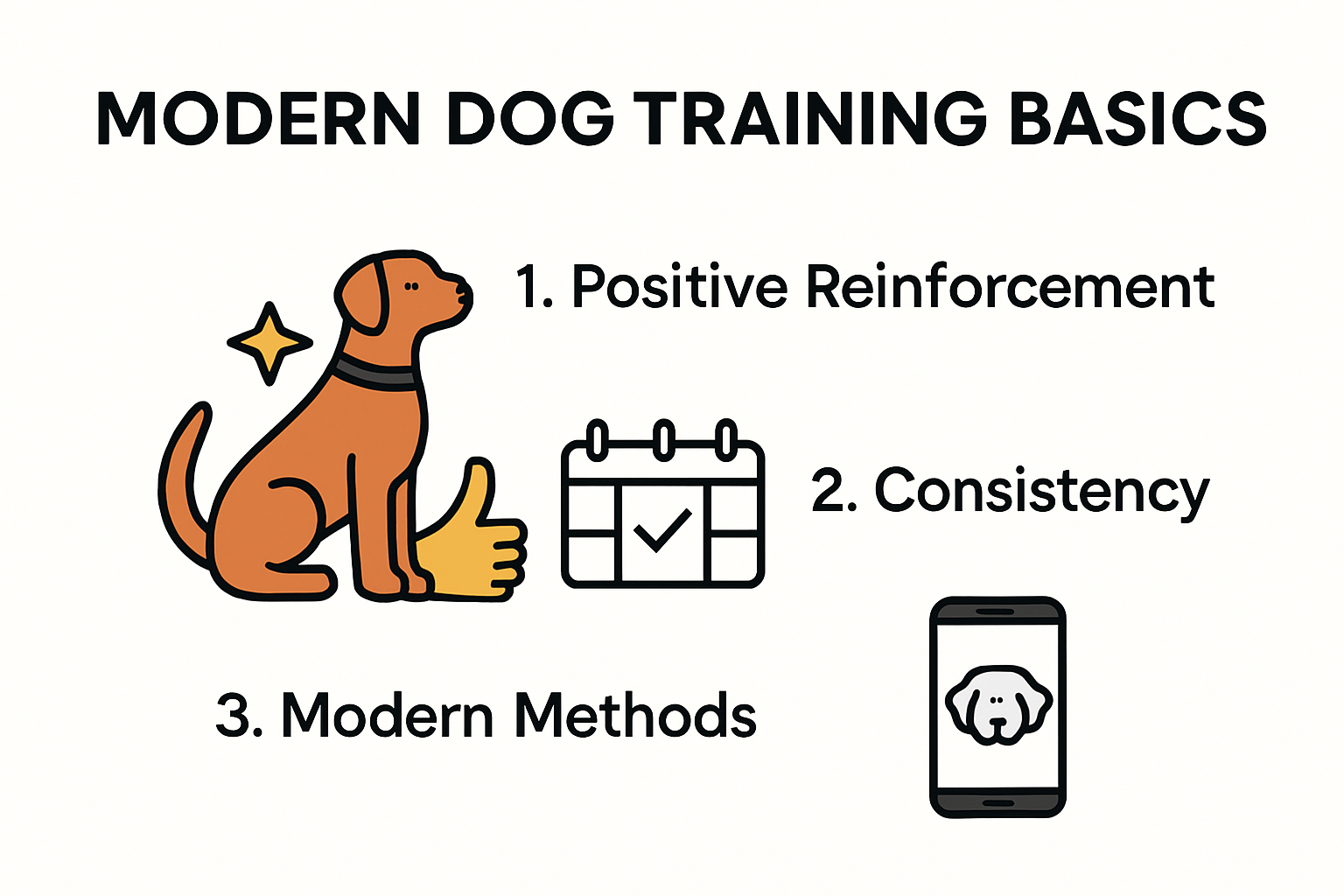
Consistency and patience represent the cornerstones of successful behavior modification. One common mistake involves rushing the process, which can lead to “flooding,” a state where the dog is overwhelmed by a stimulus and unable to process the experience constructively. Instead, owners should focus on incremental progress, celebrating small victories in the dog’s ability to remain composed in previously challenging situations. Maintaining a detailed log of behavioral episodes—including the time, location, specific triggers, and the dog’s reaction—can provide invaluable data for a professional analyst. Furthermore, ensuring that all family members adhere to the same guidelines prevents confusion for the dog, as inconsistent expectations can significantly impede the progress of any dog behavior plan.
Positive reinforcement techniques, which focus on rewarding desired behaviors, are widely considered the most effective and humane methods for long-term behavioral change in dogs. — American Kennel Club (AKC)
Pet Care & Wellness Overview Table
| Life Stage | Daily Activity Level | Key Nutrition / Care Focus |
|---|---|---|
| Puppy / Kitten | High (frequent short bursts) | High-protein growth diet & early socialization |
| Adult Companion | Moderate (30–60 mins daily) | Balanced maintenance nutrition & dental hygiene |
| Senior Pets | Low to Gentle (mindful walks) | Joint support (Glucosamine) & routine vet checks |
Images References




Considering Breed, Age, and Individual Temperament
Behavioral analysis must be tailored to the specific needs of the dog, taking into account breed-typical traits, life stage, and individual personality. While certain breeds may have been selectively bred for high energy or protective instincts, these characteristics do not dictate an inevitable behavioral outcome. A puppy, for example, requires socialization during critical developmental windows, whereas an older dog may exhibit behavioral shifts due to cognitive decline or sensory loss. A professional analyst evaluates these variables to ensure that the management strategy aligns with the dog’s natural predispositions and current physical capabilities. Understanding that a dog’s behavior is the product of both genetics and environment allows for a more empathetic and effective approach to care.
When to Seek Professional Guidance
Consulting a professional is imperative when behaviors become dangerous, unmanageable, or significantly diminish the quality of life for the dog or the household. If a dog exhibits signs of severe aggression, such as snapping, lunging, or biting, or if it displays extreme separation anxiety, the assistance of a veterinary behaviorist or a certified behavior consultant is necessary. These professionals possess the advanced training required to manage high-risk cases safely and can collaborate with a veterinarian to determine if medication is a viable component of the treatment plan. Attempting to manage severe behavioral issues without professional oversight can lead to increased stress for the dog and safety risks for everyone involved. Always prioritize the expertise of credentialed professionals who utilize force-free and science-based methods.
Commitment to Understanding Your Canine Companion
The journey toward improving a dog’s behavior is a process of learning to listen to what the animal is communicating through its actions. By observing closely, ruling out medical concerns, and employing compassionate, evidence-based techniques, owners can resolve many behavioral challenges and strengthen their bond with their pets. For further guidance on maintaining a healthy and happy lifestyle for your companion, explore the resources available at PetsAnimalsWorld.com, including our comprehensive sections on dog care and dog nutrition. A well-informed owner is the most powerful advocate for a dog’s behavioral and emotional well-being.




