
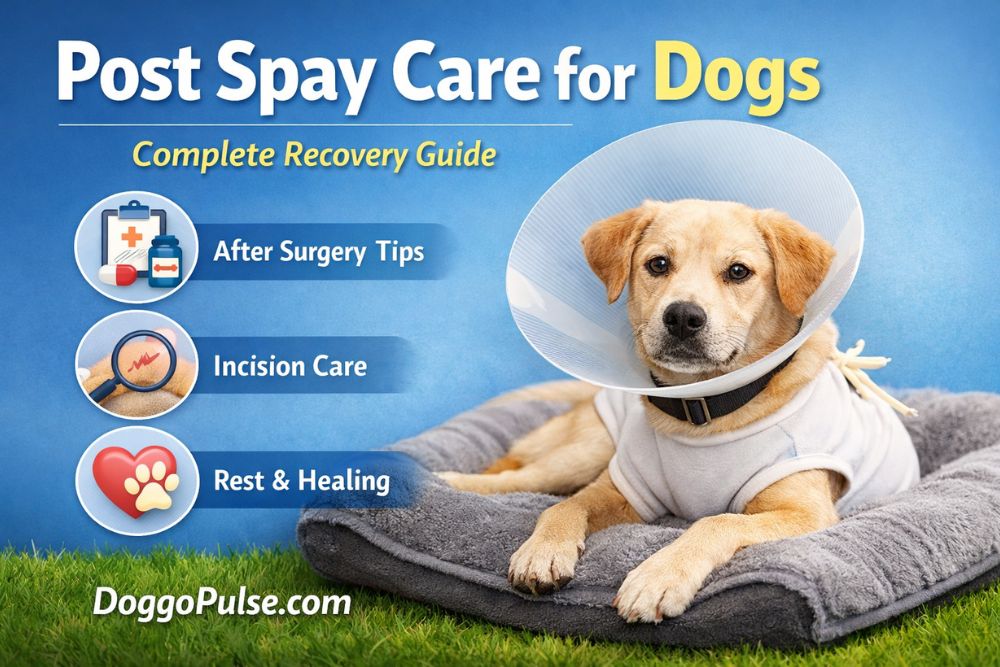
Understanding the shifts in dog behavior after spay procedures helps pet guardians provide a supportive recovery environment. According to the American Veterinary Medical Association, routine surgical sterilizations are among the most common veterinary procedures performed on companion animals, yet the temporary shifts in postoperative temperament often surprise households. When an animal returns from the veterinary clinic, the combined effects of surgical stress, residual anesthesia, and pain management medications frequently alter normal routines. Recognizing these temporary shifts allows caregivers to distinguish between standard recovery patterns and signs requiring medical intervention, ensuring a smooth transition back to daily life.
💡 Pet Care Key Takeaways:
- Core Focus: Practical health, nutrition, and wellness guidelines for Dog Behavior After Spay.
- Target Scope: Pet owners, animal caregivers, and veterinary support staff.
- Best Recommendation: Maintain consistent daily routines and consult an accredited veterinarian before introducing major diet or medical changes.
Understanding Postoperative Behavioral Shifts
Changes in dog behavior after spay procedures typically encompass temporary lethargy, grogginess, clinginess, or mild irritability as the body processes anesthesia and heals from an ovariohysterectomy, the clinical term for surgically removing the ovaries and uterus. Anesthesia can linger in the canine system for twenty-four to forty-eight hours, leaving animals feeling disoriented, unusually quiet, or occasionally vocal and restless as the drugs wear off. Furthermore, the unfamiliar scents of the veterinary hospital combined with post-surgical discomfort can heighten protective instincts or cause temporary withdrawal, prompting animals to seek quiet, secluded spaces away from household commotion.
Managing Physical Recovery and Rest
Physical restrictions directly influence psychological wellbeing during the recovery phase, making structured confinement essential for preventing complications. Veterinarians universally recommend strict activity restriction—avoiding running, jumping, and rough play—for ten to fourteen days to protect internal and external sutures. This sudden curtailment of physical exercise can lead to cabin fever, pent-up energy, and mild behavioral frustration in otherwise active dogs. Caregivers must balance the physiological healing process with mental stimulation to prevent destructive chewing or pacing without triggering physical exertion that might compromise the surgical incision.
Veterinary guidelines emphasize strict cage rest or leash walks exclusively for elimination purposes during the initial ten to fourteen days following an ovariohysterectomy to ensure proper tissue healing. — American Veterinary Medical Association
Practical Strategies for Post-Surgical Support
Supporting canine mental health during recovery relies on calm environments, gentle handling, and low-impact cognitive engagement. Establishing a designated, quiet recovery zone equipped with familiar bedding helps reduce anxiety and discourages movement. Instead of traditional physical exercise, guardians can utilize food-puzzles, lick mats, or simple obedience reinforcement that requires stationary focus, satisfying the canine mind without taxing the healing body. Consistency in feeding schedules and gentle, reassuring interactions further stabilize the emotional state of the recovering animal.
Best Practices and Common Recovery Mistakes
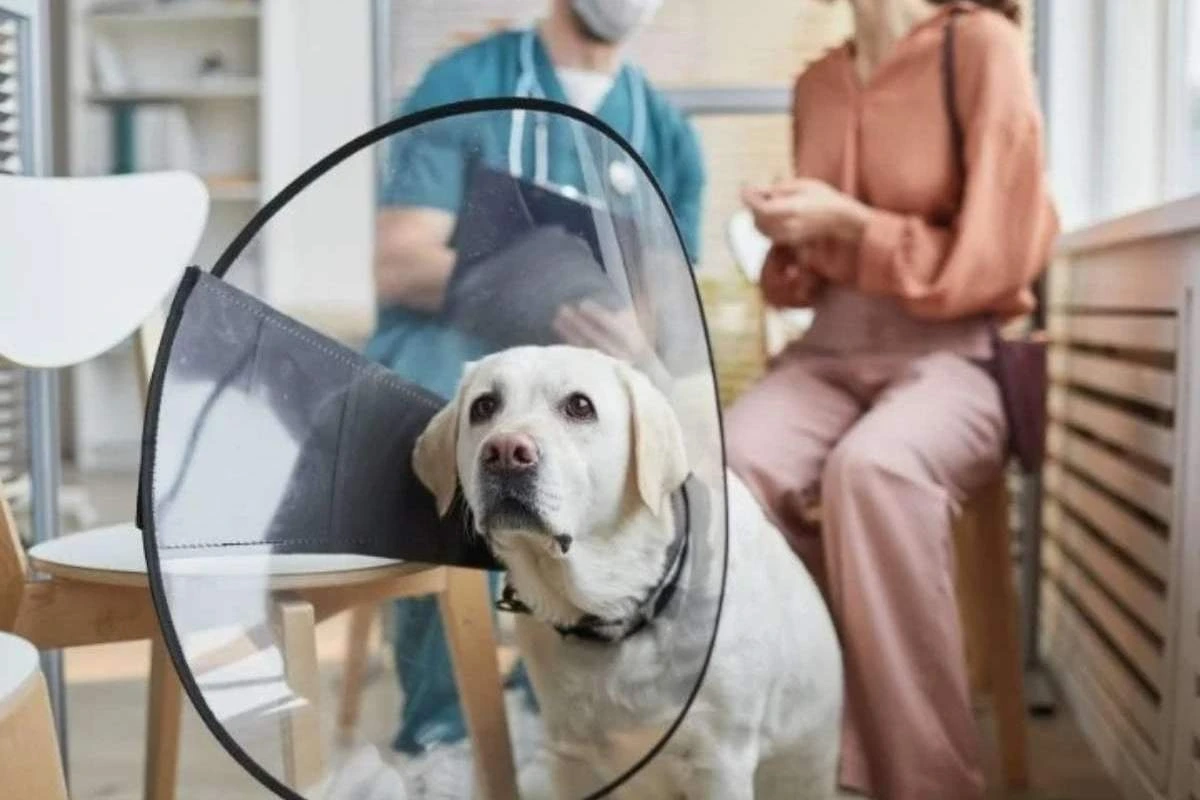
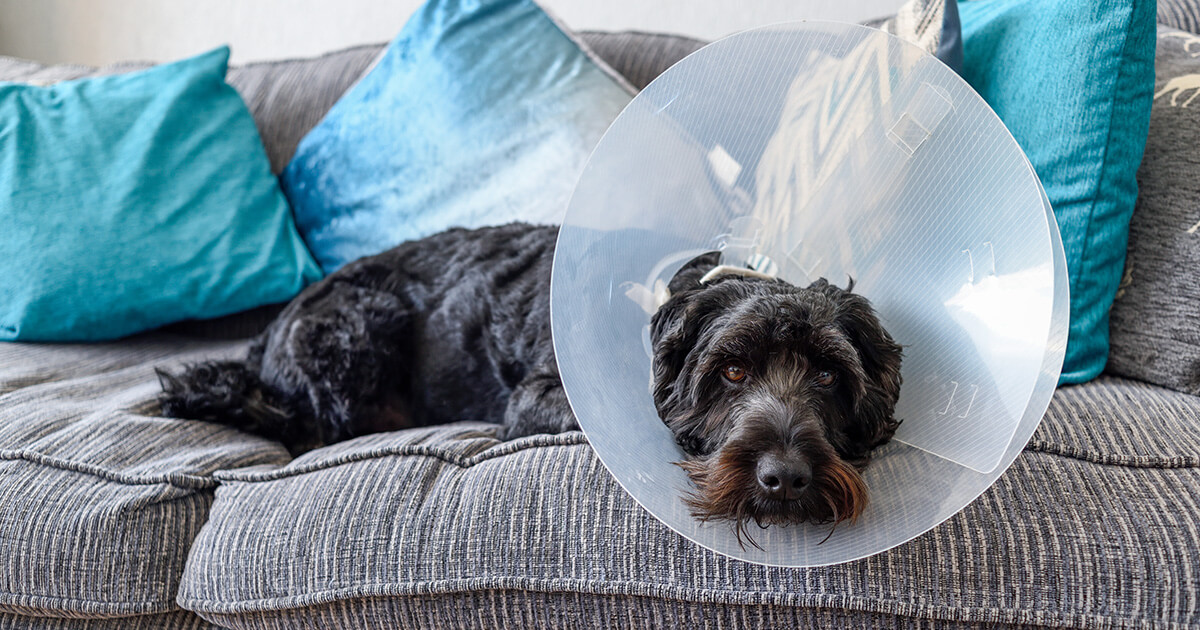
Avoiding common pitfalls during the recuperation window ensures both physical safety and emotional stability. One frequent mistake involves removing Elizabethan collars, often called cone collars, prematurely, which can lead to incision licking and subsequent infection or behavioral regression driven by pain. Another error is resuming high-intensity exercise too quickly simply because the animal appears energetic after a few days of rest. Guardians should maintain prescribed medication schedules precisely, as untreated pain often manifests as sudden aggression, trembling, or persistent whining.
Behavioral changes such as sudden vocalization or restlessness within the first twenty-four hours are frequently linked to residual anesthetic agents or post-operative discomfort rather than permanent personality shifts. — American Animal Hospital Association
Pet Care & Wellness Overview Table
| Life Stage | Daily Activity Level | Key Nutrition / Care Focus |
|---|---|---|
| Puppy / Kitten | High (frequent short bursts) | High-protein growth diet & early socialization |
| Adult Companion | Moderate (30–60 mins daily) | Balanced maintenance nutrition & dental hygiene |
| Senior Pets | Low to Gentle (mindful walks) | Joint support (Glucosamine) & routine vet checks |
Images References




Age, Breed, and Individual Temperament Factors
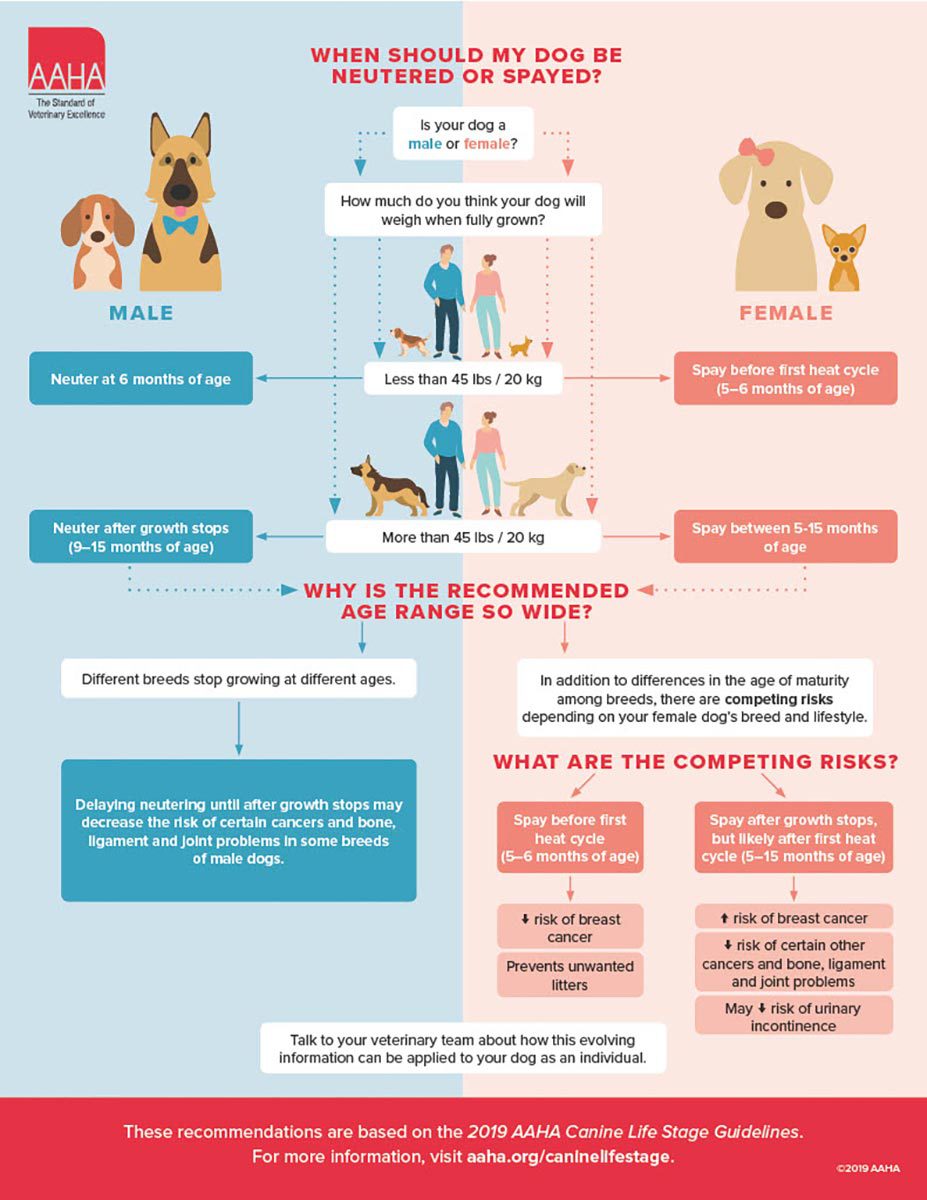
Individual responses to the sterilization process vary significantly depending on developmental stage, genetic predispositions, and baseline personality traits. Juvenile puppies often bounce back with exuberant energy almost immediately, requiring diligent supervision to prevent suture damage, whereas mature adults or senior dogs may experience a more prolonged, subdued recovery period. High-energy working breeds and guardian-oriented Dog Breeds often struggle more acutely with mandatory confinement, displaying heightened frustration. Tailoring the recovery approach to the specific age and temperament of the individual animal ensures a safer and less stressful healing timeline.
When to Consult a Veterinary Professional
Persistent or severe behavioral extremes require prompt veterinary evaluation to rule out medical complications such as infection, internal bleeding, or inadequate pain management. While mild grogginess and decreased appetite are expected initially, complete refusal to eat or drink for more than twenty-four hours, continuous whimpering indicative of severe pain, or sudden overt aggression when touched near the surgical site demand professional clinical assessment. Guardians should maintain open communication with their veterinary clinic regarding any unexpected changes in Dog Behavior observed during the healing window.
Supporting Long-Term Wellness and Care
Monitoring a dog’s long-term wellness after a surgical procedure involves ongoing attention to balanced Dog Nutrition and appropriate weight management, as metabolic shifts can follow hormonal changes. By integrating proper Dog Care principles with patience during the immediate recovery phase, owners foster a trusting relationship with their pets. Explore additional resources on Dog Health and positive reinforcement strategies across PetsAnimalsWorld.com to ensure a vibrant, healthy lifestyle for canine companions.




