
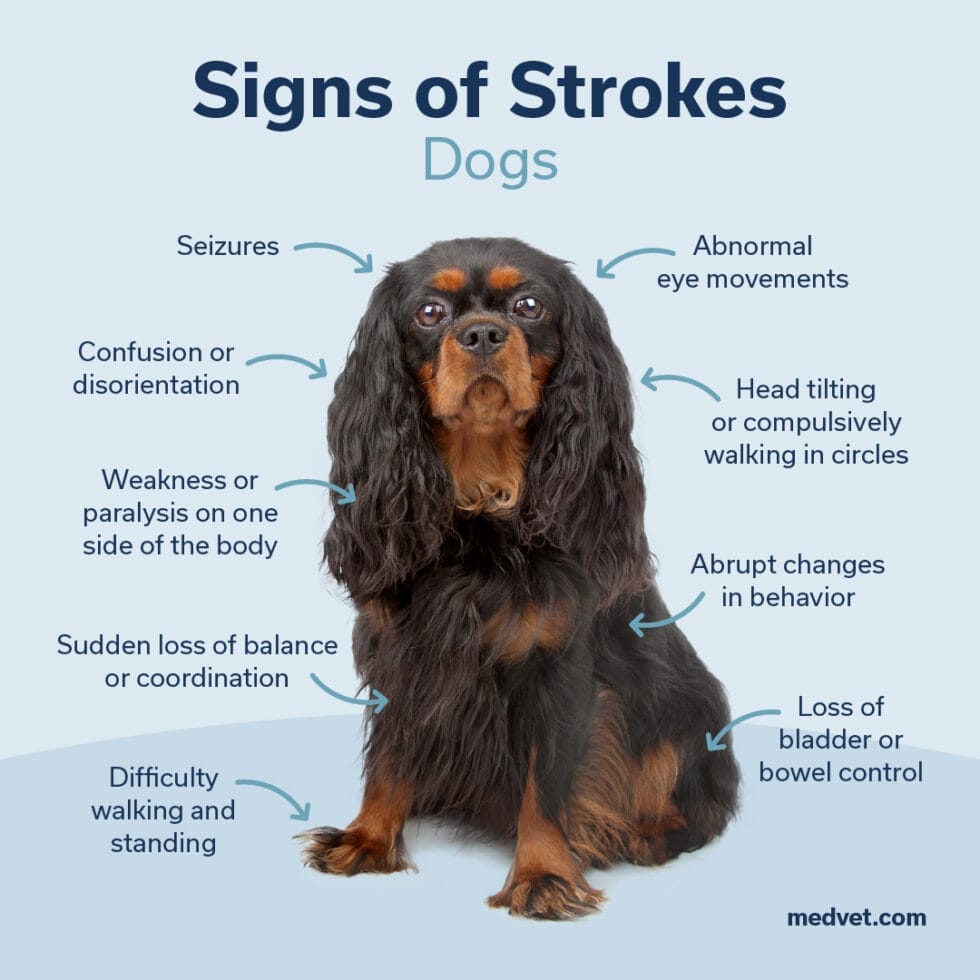
Understanding the Neurological Shifts in Canine Recovery
Witnessing a canine companion navigate recovery following a cerebrovascular event, commonly known as a stroke, requires immense patience, keen observation, and specialized knowledge from caregivers. According to the American Veterinary Medical Association, neurological disturbances in companion animals demand careful clinical assessment and structured, supportive home care tailored to the specific deficit. When blood flow to a portion of the canine brain is temporarily disrupted or blocked, the resulting tissue damage often manifests in sudden, profound alterations in everyday actions, movement patterns, and emotional responses. Recognizing these signs helps families distinguish between normal aging processes and acute medical emergencies requiring veterinary intervention.
💡 Pet Care Key Takeaways:
- Core Focus: Practical health, nutrition, and wellness guidelines for Dog Behavior After Stroke.
- Target Scope: Pet owners, animal caregivers, and veterinary support staff.
- Best Recommendation: Maintain consistent daily routines and consult an accredited veterinarian before introducing major diet or medical changes.
Defining Post-Stroke Behavioral Changes in Dogs
Dog behavior after stroke encompasses a wide range of neurological abnormalities, including sudden disorientation, loss of learned cues, pacing, and involuntary circling. Unlike human strokes, canine strokes frequently present as vestibular disease—affecting the inner ear and balance centers—causing sudden head tilt, loss of balance, and rapid eye movements known as nystagmus. Affected canines may appear entirely disoriented in familiar surroundings, staring blankly at walls, getting trapped behind furniture, or failing to recognize household members. These sudden alterations stem directly from physical injury to specific neural pathways responsible for spatial awareness, memory processing, and emotional regulation.
The physical and psychological impact of a cerebrovascular accident often leaves a dog feeling intensely vulnerable, fearful, or reactive when approached unexpectedly. Neurological deficits frequently impair coordination, leaving animals struggling to navigate stairs, slippery hardwood floors, or standard feeding stations without assistance. Furthermore, cognitive confusion can alter sleep-wake cycles, leading to nighttime restlessness, vocalization, or house-training lapses that test the endurance of even the most dedicated owners. Managing these multifaceted challenges requires a comprehensive understanding of Dog Care principles, prioritizing safety, environmental predictability, and gentle reassurance above all else.
Canine stroke symptoms often appear suddenly and can include a pronounced head tilt, loss of balance, and sudden inability to navigate familiar spaces — American Veterinary Medical Association
Practical Strategies for Managing Post-Stroke Recovery at Home
Creating a calm, predictable environment is essential for supporting a recovering animal through emotional and physical rehabilitation. Modifying the living space by adding non-slip rugs over slick surfaces, blocking access to staircases with baby gates, and keeping food and water bowls easily accessible minimizes physical strain and accidental injury. Caregivers should approach recovering animals from the front to avoid startling them, using soft, reassuring vocal tones instead of sudden movements. Implementing structured daily routines helps reduce anxiety, providing a secure framework that aids neurological healing and emotional stabilization over time.
Essential Guidelines and Common Pitfalls to Avoid
Successful rehabilitation relies heavily on consistency, positive reinforcement, and avoiding excessive environmental stimulation that might overwhelm a fragile nervous system. Caregivers should refrain from forcing interactions, punitive correction, or scolding animals for house-training mistakes stemming from cognitive confusion. Instead, focus should remain on short, gentle sessions of positive reinforcement and patient guidance during walks or feeding times. For behavioral rehabilitation guidance, consulting resources focused on Dog Training can offer helpful perspectives on modifying environmental triggers safely without resorting to outdated dominance theories.
Providing a secure, non-slip environment significantly reduces anxiety and prevents secondary injuries during canine neurological rehabilitation — American Kennel Club
Pet Care & Wellness Overview Table
| Life Stage | Daily Activity Level | Key Nutrition / Care Focus |
|---|---|---|
| Puppy / Kitten | High (frequent short bursts) | High-protein growth diet & early socialization |
| Adult Companion | Moderate (30–60 mins daily) | Balanced maintenance nutrition & dental hygiene |
| Senior Pets | Low to Gentle (mindful walks) | Joint support (Glucosamine) & routine vet checks |
Images References


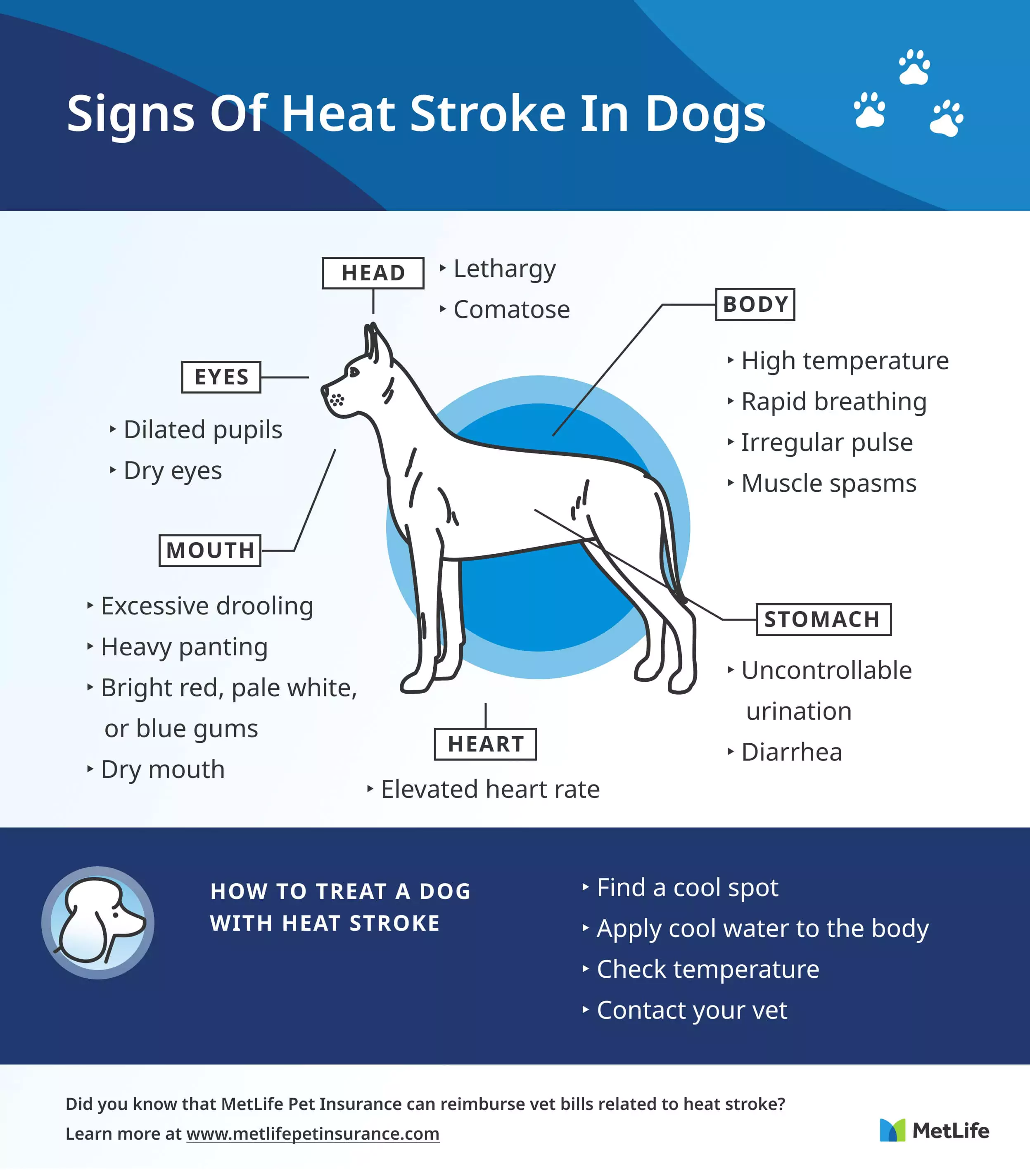


Age, Breed, and Health Factors Influencing Behavioral Recovery
Individual recovery trajectories vary widely based on the underlying cause of the vascular event, the specific area of the brain affected, and the general health status of the dog. While senior dogs often experience age-related comorbidities that can complicate rehabilitation, younger canines may compensate more rapidly due to greater neural plasticity—the brain’s ability to reorganize and form new neural connections. Certain underlying medical conditions, such as hypertension, kidney disease, or endocrine disorders, frequently contribute to vascular incidents and require concurrent management alongside neurological care. Understanding these variables ensures that expectations remain realistic throughout the healing process.
When to Consult a Veterinary Professional Immediately
Professional veterinary guidance is non-negotiable when addressing suspected stroke symptoms, ongoing cognitive decline, or sudden shifts in temperament. Immediate veterinary evaluation is required if a dog experiences sudden collapse, severe respiratory distress, uncontrollable tremors, or prolonged seizures. A veterinarian can perform thorough diagnostic imaging and neurological examinations to rule out other serious conditions like brain tumors, encephalitis, or trauma, establishing a targeted treatment plan. For persistent, severe behavioral changes involving fear-based reactivity or aggression, families should seek assistance from a veterinary behaviorist or a qualified professional certified in humane, fear-free training methodologies.
Supporting Long-Term Recovery and Family Adaptation
Guiding an animal through the aftermath of a neurological event deepens the bond between pet and owner through dedicated, compassionate support. While recovery can be a slow, unpredictable journey, many dogs regain significant functionality and enjoy a good quality of life with proper medical management and environmental adaptation. Exploring additional insights on Dog Behavior can further empower families to interpret subtle body language shifts accurately. Discover more resources, expert advice, and supportive guides by visiting PetsAnimalsWorld.com to ensure every companion receives the highest standard of thoughtful, informed care.




