

Understanding the Importance of Interpreting Canine Communication
Interpreting canine actions is a fundamental responsibility for every owner, as it bridges the communication gap between two different species. According to the American Society for the Prevention of Cruelty to Animals (ASPCA), understanding a dog’s body language is essential for strengthening the human-animal bond and ensuring the safety of all household members. Dogs communicate primarily through subtle shifts in posture, ear position, tail movement, and vocalizations rather than verbal language. By learning to recognize these signals, owners can preemptively address stress, prevent conflict, and foster a more harmonious living environment. This analytical approach moves beyond simple obedience, encouraging a deeper appreciation for the complex emotional and social lives of domestic canines.
💡 Pet Care Key Takeaways:
- Core Focus: Practical health, nutrition, and wellness guidelines for Dog Behavior Analysis.
- Target Scope: Pet owners, animal caregivers, and veterinary support staff.
- Best Recommendation: Maintain consistent daily routines and consult an accredited veterinarian before introducing major diet or medical changes.
Defining Canine Behavior Analysis
Dog behavior analysis involves the objective observation and interpretation of a canine’s responses to its environment, social interactions, and internal states. It is not about assigning human motivations or emotions to a dog, but rather examining the function of a behavior—why a dog performs a specific action and what outcome it achieves. For instance, a dog that jumps on guests may be seeking social interaction or attention. By identifying the root cause, such as the desire for engagement, owners can replace the unwanted behavior with more desirable alternatives, such as sitting for a greeting. This systematic observation requires patience and a neutral perspective, focusing on the facts of the situation rather than personal interpretation or frustration.
The Link Between Physical Health and Behavioral Expression
Behavioral changes are often the first outward indicators of underlying physical discomfort or illness, making health a critical component of behavior analysis. When a dog displays sudden aggression, withdrawal, or repetitive actions, it is vital to consider whether a medical issue, such as dental pain, arthritis, or gastrointestinal distress, is contributing to the change. Dogs are adept at masking pain, which is an evolutionary survival trait; therefore, subtle shifts in activity levels or appetite should never be ignored. A thorough Dog Health assessment by a veterinarian is a necessary first step before assuming a behavioral issue is strictly psychological or training-based.
Behavioral changes, such as sudden irritability or lethargy, are frequently linked to undiagnosed medical conditions that require professional veterinary evaluation. — American Veterinary Medical Association (AVMA)
Strategies for Managing and Modifying Behavior
Effective management and modification of behavior rely on the principles of positive reinforcement and environmental control. Positive reinforcement involves rewarding desired behaviors with high-value items, such as treats, toys, or praise, which increases the likelihood that the dog will repeat those actions. Conversely, managing the environment involves removing triggers that cause undesirable responses, such as closing curtains to prevent barking at passersby or using secure fencing to prevent roaming. For those interested in structured guidance, exploring Dog Training resources can provide a roadmap for teaching essential life skills while keeping the experience rewarding for the animal.
Best Practices for Consistent and Humane Guidance
Consistency is the cornerstone of successful behavior modification, requiring all household members to follow the same rules and expectations. Inconsistent responses, where a dog is sometimes allowed on furniture and other times scolded for the same action, create confusion and anxiety. Instead, clear boundaries should be established and maintained through positive guidance. Avoiding punitive measures is crucial, as intimidation-based techniques often suppress outward signs of distress without addressing the underlying emotional state, which may lead to increased fear or unpredictable aggression. Focusing on what the dog should do, rather than what it should stop doing, creates a more predictable and secure learning environment.
Positive reinforcement training, which focuses on rewarding desired behaviors, is widely considered the most effective and humane method for teaching dogs. — American Kennel Club (AKC)
Pet Care & Wellness Overview Table
| Life Stage | Daily Activity Level | Key Nutrition / Care Focus |
|---|---|---|
| Puppy / Kitten | High (frequent short bursts) | High-protein growth diet & early socialization |
| Adult Companion | Moderate (30–60 mins daily) | Balanced maintenance nutrition & dental hygiene |
| Senior Pets | Low to Gentle (mindful walks) | Joint support (Glucosamine) & routine vet checks |
Images References



Considering Individual Factors in Behavior
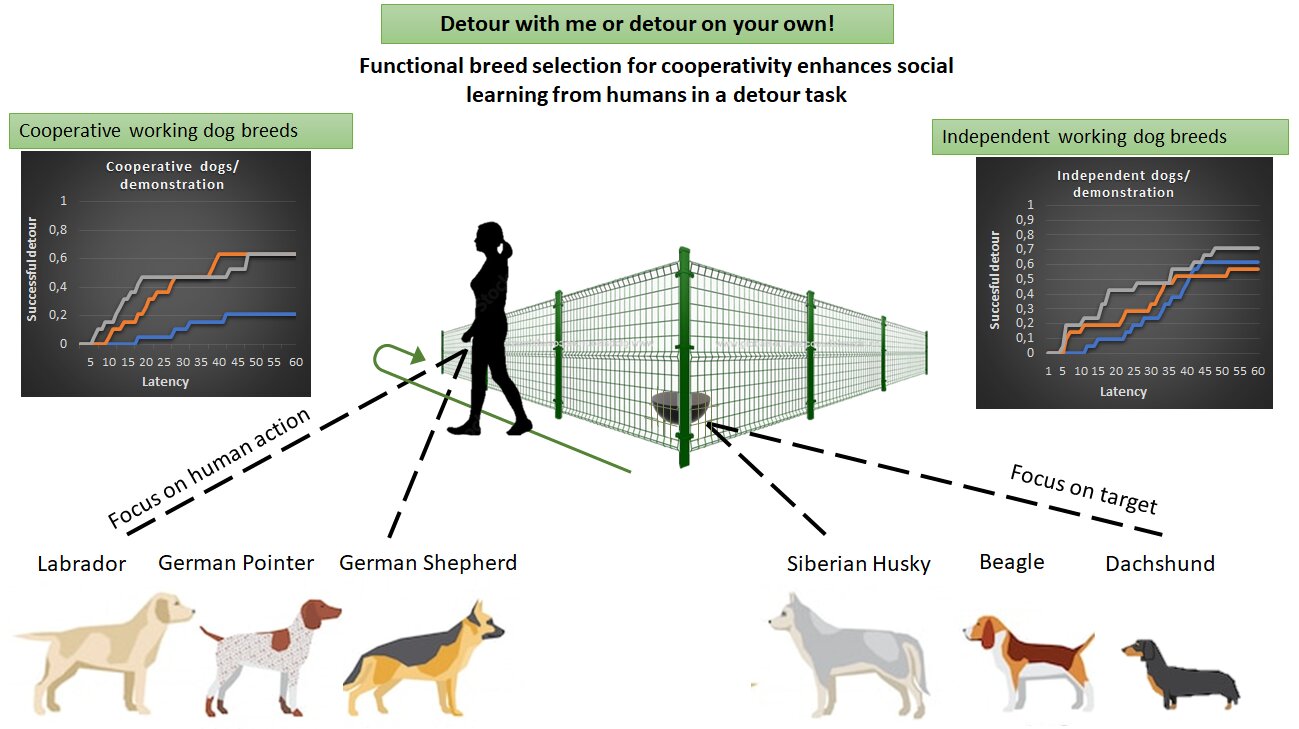
Every dog is an individual shaped by a unique combination of genetics, life experiences, and current environmental influences. While certain Dog Breeds may have been developed for specific tasks—such as herding, guarding, or retrieving—these traits do not guarantee specific behaviors in every individual dog. Age also plays a significant role; puppies are in a critical developmental window where they are highly impressionable and require socialization, while senior dogs may experience cognitive changes that alter their responsiveness to training or social cues. Understanding these life-stage variables allows owners to tailor their expectations and care routines to meet the specific needs of their companions.
When to Consult a Professional
Consulting a professional is necessary when behaviors become dangerous, unmanageable, or significantly impact the quality of life for the dog or the household. If a dog displays persistent aggression, severe separation anxiety, or destructive behaviors that do not respond to basic management, seeking the guidance of a certified professional trainer or a veterinary behaviorist is the safest course of action. These experts possess the specialized knowledge to create comprehensive, individualized behavior modification plans. Early intervention is often more successful than attempting to address deeply ingrained issues, so owners should not hesitate to reach out for support when they feel overwhelmed or concerned about their dog’s safety.
Closing Thoughts on Canine Well-being
Developing a deeper understanding of behavior is a continuous journey that rewards the owner with a stronger, more trusting relationship with their dog. By observing carefully, prioritizing physical health, and employing humane, science-backed methods, owners can ensure their companions thrive. For more guidance on maintaining a healthy, happy lifestyle for your canine, explore the extensive resources available at PetsAnimalsWorld.com, including helpful articles on Dog Care and Dog Behavior. Consistent, compassionate, and informed care remains the most effective way to support a dog throughout its life.




