

Understanding the Shift in Dog Behavior During Pregnancy
The arrival of a new family member brings profound changes to a household, and these adjustments often begin long before a baby is born. According to the American Kennel Club, dogs possess an extraordinary sense of smell and hearing, allowing them to detect subtle physiological shifts in human companions well before physical changes become apparent. This remarkable sensory awareness frequently leads to noticeable modifications in domestic canine conduct. Exploring these behavioral shifts provides insight into how animals process human life events and helps households maintain harmonious relationships throughout the transition.
💡 Pet Care Key Takeaways:
- Core Focus: Practical health, nutrition, and wellness guidelines for Dog Behavior Around Pregnant Owner.
- Target Scope: Pet owners, animal caregivers, and veterinary support staff.
- Best Recommendation: Maintain consistent daily routines and consult an accredited veterinarian before introducing major diet or medical changes.
Domestic dogs rely heavily on olfaction—the sense of smell—to interpret their environment and emotional landscape. When pregnancy occurs, hormonal fluctuations alter human scent profiles in ways that canine receptors pick up almost immediately. Additionally, subtle shifts in posture, gait, center of gravity, and even resting heart rates present observable cues to observant pets. Recognizing that these adjustments stem from sensory perception rather than mere coincidence allows caregivers to view household changes through a biological lens, fostering patience and understanding during an exciting yet potentially confusing time for resident animals.
Interpreting Canine Conduct Changes Toward Expectant Caregivers
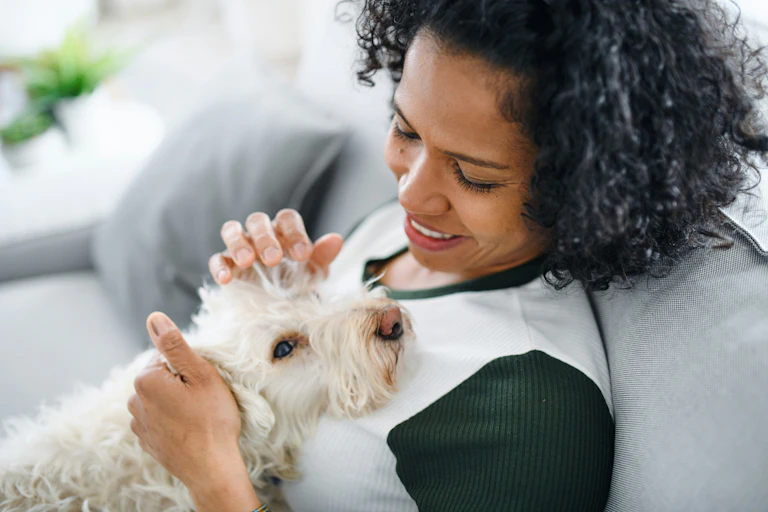
Recognizing typical canine reactions to human pregnancy helps households distinguish between normal affectionate adjustments and signs of distress. Many animals become markedly more clingy, following expectant owners from room to room, resting heads on pregnant bellies, or placing paws gently across laps. This behavior is often described by canine behaviorists as resource guarding or protective bonding, driven by an instinctual desire to monitor and shield vulnerable pack members. Conversely, some animals display avoidance or mild anxiety, withdrawing from routine interactions as household dynamics and environmental arrangements begin to shift.
Observing these patterns requires careful attention to subtle body language indicators. A relaxed, soft-eyed dog leaning against an expectant owner is typically demonstrating comfort and attachment. However, stiff postures, lip-licking, excessive yawning, or displacement behaviors can signal underlying stress or confusion. Understanding these nuanced signals ensures that human responses remain supportive rather than punitive, preventing inadvertent escalation of anxiety as the household prepares for the upcoming lifestyle transformation.
Managing Household Harmony and Environmental Adjustments
Managing the physical and emotional impact of these transitional phases involves proactive environmental management and consistent, reassuring routines. As nurseries are constructed and furniture layouts change, animals may experience mild disruption in their spatial security. Introducing nursery items, baby sounds, and new scents gradually can mitigate sudden stressors. Guidance on these gradual introductions can be found through specialized resources dedicated to Dog Behavior, offering evidence-based strategies for reducing environmental anxiety.
Canines possess olfactory receptors numbering in the hundreds of millions, enabling them to detect minute hormonal and metabolic variations associated with human pregnancy — American Kennel Club
Furthermore, maintaining predictable daily schedules for feeding, exercise, and rest provides stability amidst shifting domestic priorities. When physical limitations reduce an expectant owner’s capacity for rigorous outdoor activities, enlisting alternative household members or professional support ensures the animal’s physical and mental enrichment needs continue to be met adequately.
Proactive Strategies and Common Pitfalls to Avoid
Implementing structured training protocols well in advance of the birth date prevents problematic habits from solidifying during high-stress periods. Teaching reliable boundaries—such as polite greeting behaviors, designated resting mats, and calm responses to human movement—prepares the animal for future household dynamics. Practical guidance for establishing these foundational skills is available via Dog Training resources, which emphasize positive reinforcement and humane, reward-based methodologies.
A frequent pitfall during pregnancy is the inadvertent reinforcement of over-protective or overly demanding behaviors out of a sense of misplaced guilt. Rewarding constant whining, barrier frustration, or excessive guarding can inadvertently amplify anxiety and create unsafe dependency patterns. Caregivers must strive to encourage calm independence, rewarding settled behavior rather than frantic attention-seeking. Sound principles of general animal husbandry and wellness outlined in Dog Care can assist in maintaining balanced routines throughout the gestational period.
Gradual desensitization to infant environmental cues, such as recorded nursery sounds and baby lotions, significantly reduces reactive responses in household pets upon the arrival of a newborn — American Society for Prevention of Cruelty to Animals
Pet Care & Wellness Overview Table
| Life Stage | Daily Activity Level | Key Nutrition / Care Focus |
|---|---|---|
| Puppy / Kitten | High (frequent short bursts) | High-protein growth diet & early socialization |
| Adult Companion | Moderate (30–60 mins daily) | Balanced maintenance nutrition & dental hygiene |
| Senior Pets | Low to Gentle (mindful walks) | Joint support (Glucosamine) & routine vet checks |
Images References





Breed, Age, and Temperament Influences on Pregnancy Responses
Individual reactions to human pregnancy vary widely based on an animal’s specific breed heritage, age, and inherent temperament traits. Working and herding breeds, historically bred for close human collaboration and environmental monitoring, frequently exhibit heightened protective vigilance or intensive shadowing tendencies. Companion breeds, on the other hand, may lean heavily into tactile seeking, displaying increased desires for physical contact and closeness with the expectant person.
Age also plays a crucial role in how physical changes are received. Senior animals with underlying joint discomfort or sensory decline may find sudden demands for constant proximity or environmental disruption stressful, requiring quiet, undisturbed resting spaces. Conversely, adolescent dogs may lack impulse control, necessitating active management to prevent accidental jumping or rough contact with an expectant abdomen. Factoring in these inherent traits allows owners to tailor their management strategies effectively.
When Professional Guidance Becomes Essential
Consulting a qualified veterinary professional or certified animal behaviorist is necessary when behavioral changes escalate into persistent anxiety, resource guarding, or avoidance. Severe behavioral shifts—such as sudden growling when approached, destructive chewing, or uncharacteristic withdrawal—require expert assessment to ensure safety and welfare for all household members. Comprehensive oversight regarding overall physiological health and behavioral counseling can be explored through professional Dog Health networks.
Professional intervention relies on positive, science-based behavioral modification plans designed to alleviate underlying stress without inducing fear. Never utilize punitive, intimidation-based, or dominance-focused correction methods for behavior rooted in anxiety or protective instinct, as these approaches risk worsening defensive reactions. Early professional consultation ensures that minor behavioral friction points are resolved safely long before the arrival of a new infant.
Preparing Your Household for Lifelong Canine and Human Harmony
Navigating the unique dynamics of canine conduct during human pregnancy requires empathy, preparation, and consistent, reward-based management strategies. By understanding the sensory mechanisms behind these behavioral shifts and maintaining predictable routines, households can foster a secure environment for both pets and growing families. Explore further expert advice and educational resources by visiting PetsAnimalsWorld.com to support every stage of your animal companionship journey.




