
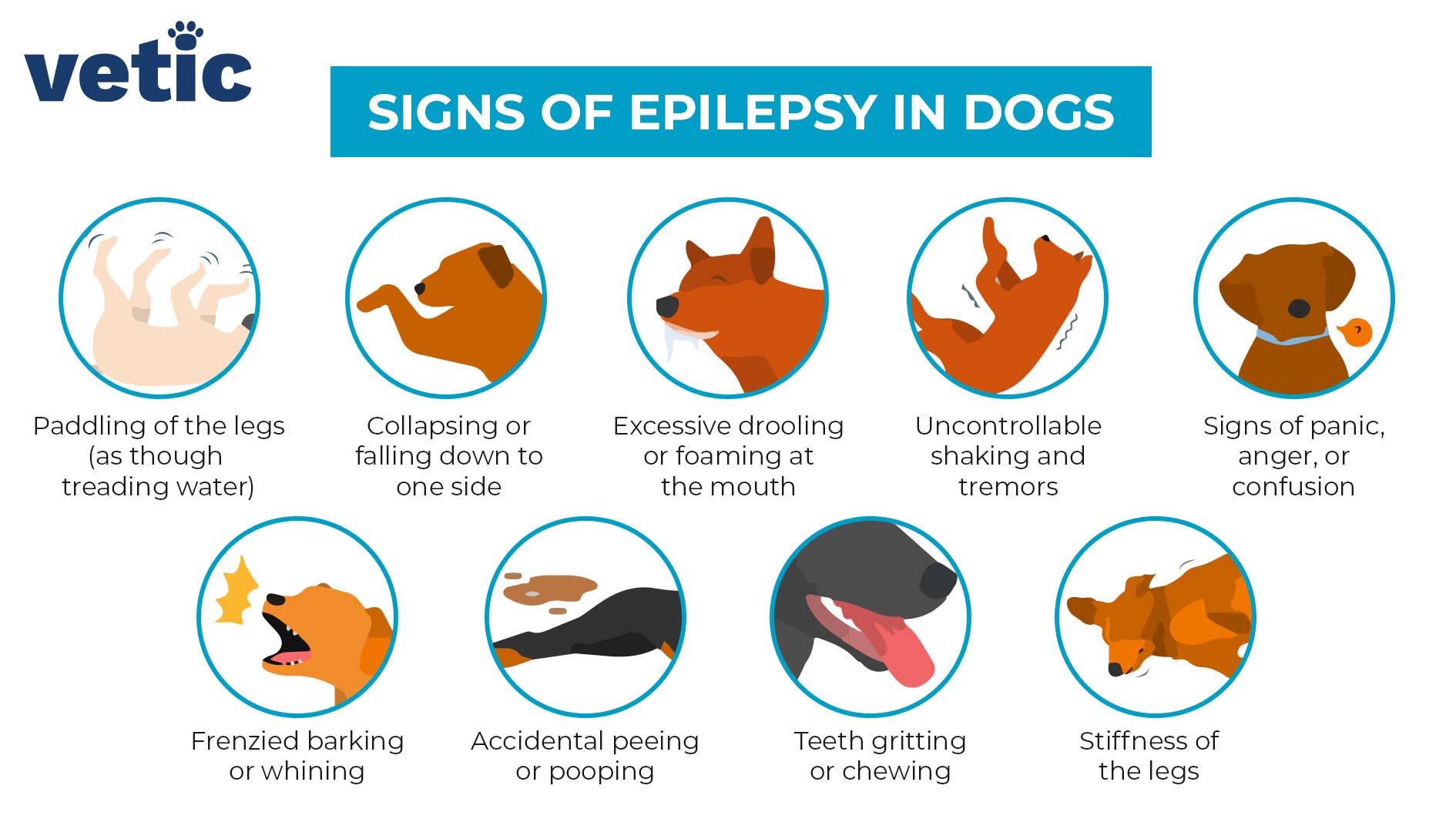
Recognizing the Subtle Signs of Seizure Activity in Dogs
Understanding the shifts in canine conduct prior to a medical episode provides critical insight for maintaining animal wellness and safety. According to the American Veterinary Medical Association, neurological conditions require careful observation and structured documentation by caretakers to assist clinicians with accurate assessments. When a household pet experiences a neurological disruption, the entire event is typically divided into three distinct phases: the prodrome, the ictal phase, and the post-ictal phase. Recognizing the initial phase allows observers to implement safety measures before the primary event begins. Comprehensive knowledge of these physiological patterns forms a cornerstone of responsible Dog Health management, helping families respond calmly and effectively during vulnerable moments.
💡 Pet Care Key Takeaways:
- Core Focus: Practical health, nutrition, and wellness guidelines for Dog Behavior Before Seizure.
- Target Scope: Pet owners, animal caregivers, and veterinary support staff.
- Best Recommendation: Maintain consistent daily routines and consult an accredited veterinarian before introducing major diet or medical changes.
Defining the Prodromal and Aura Stages of Canine Seizures
The prodrome and aura represent the earliest clinical indicators that precede active muscle spasms or loss of consciousness in canines. The prodrome refers to a subtle behavioral shift or mood change that can occur hours or even days before an episode, manifesting as unusual clinginess, restlessness, confusion, or uncharacteristic withdrawal from household members. Following the prodrome, the aura serves as the immediate neurological warning sign or the very beginning of the seizure itself, often marked by pacing, whimpering, excessive salivation, or staring blankly into space. These early manifestations arise from abnormal electrical activity within the brain before generalizing across both hemispheres. Observing these shifts requires quiet attentiveness, as many dogs display only mild deviations from their normal daily routines during this pre-ictal window.
The Physiological and Emotional Impact on the Canine Body
Neurological disruptions place significant physiological and emotional strain on the animal system, altering both neurological stability and behavioral output. During the pre-ictal window, the brain undergoes abnormal electrochemical discharges that can trigger sensory hallucinations, fear responses, or disorientation, causing the animal to seek out dark, confined spaces or cling excessively to familiar humans. This heightened state of stress activates the sympathetic nervous system, leading to elevated heart rates, dilated pupils, and trembling long before physical convulsions become visible. Caretakers must recognize that these alterations are entirely involuntary, stemming from central nervous system dysfunction rather than willful disobedience or behavioral misbehavior.
Veterinary neurology guidelines indicate that identifying pre-ictal behavioral changes helps establish accurate timelines for diagnostic evaluations. — American Veterinary Medical Association
Practical Protocols for Managing Pre-Seizure Episodes
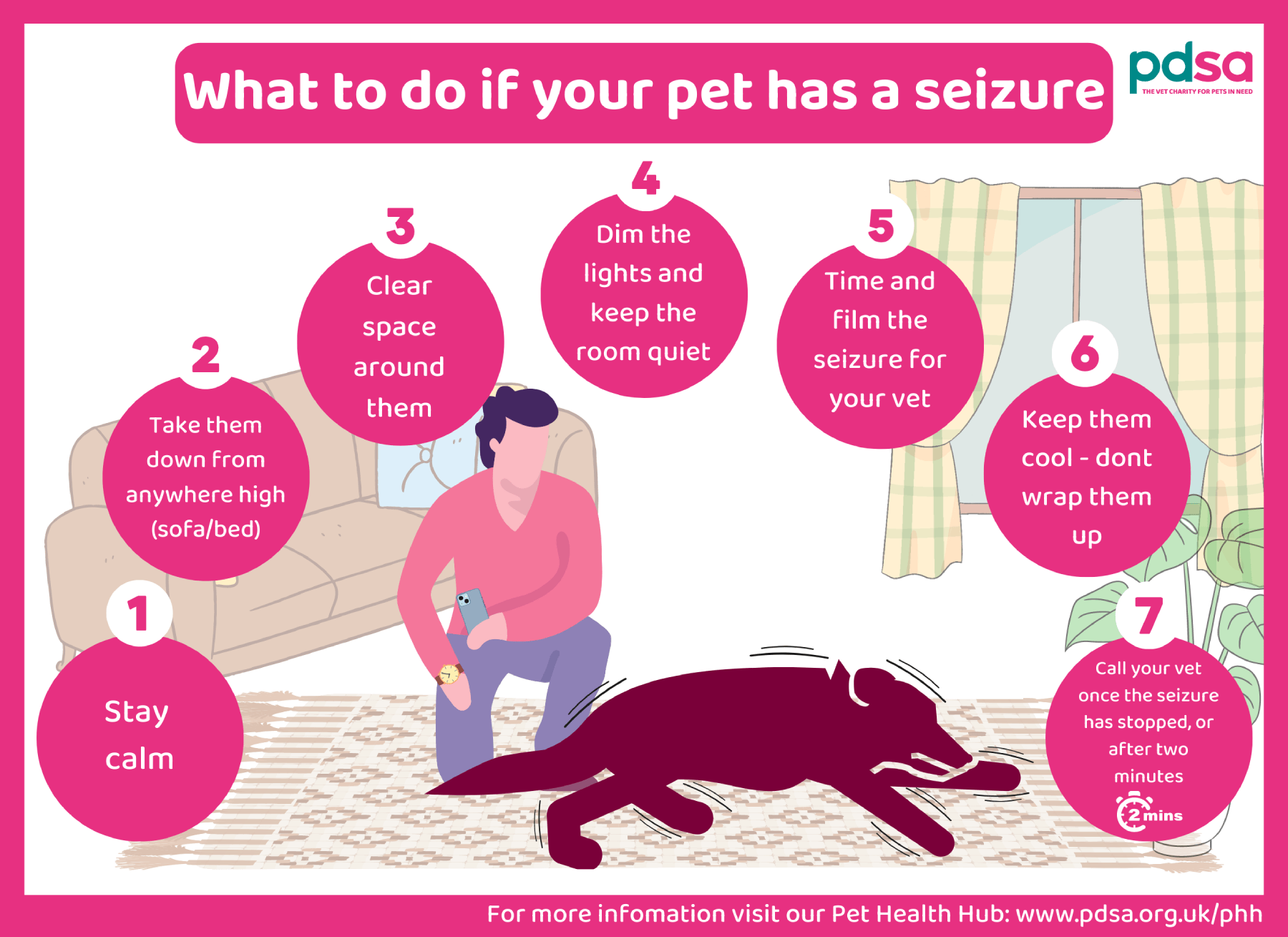
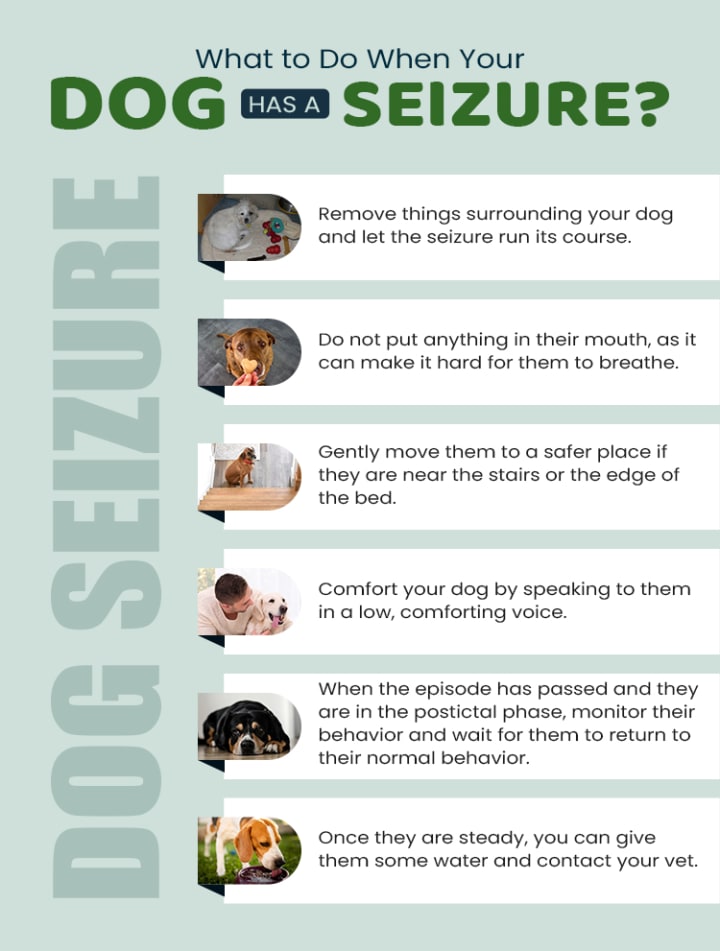
Managing the moments preceding a neurological event involves minimizing environmental stressors and preparing a secure, hazard-free physical space. When unusual restlessness or clinginess appears, observers should dim bright lights, reduce loud household noises, and gently guide the animal away from stairs, sharp furniture edges, or bodies of water where accidental injury could occur. For chronic conditions diagnosed within Dog Care frameworks, maintaining a strict daily routine regarding medication administration and feeding times remains essential for minimizing physiological triggers. Keeping a detailed journal that records the exact duration, specific pre-seizure behaviors, and environmental context of each occurrence provides invaluable data for subsequent veterinary consultations.
Essential Safety Measures and Common Management Pitfalls
Safeguarding a vulnerable animal requires avoiding common reactive mistakes that can inadvertently escalate stress during the pre-ictal phase. A frequent error involves attempting to physically restrain or hug a panicked, disoriented dog, which can provoke defensive biting or heightened anxiety due to sensory overload. Hands should be kept away from the mouth, as involuntary jaw snapping can occur suddenly when neurological control begins to falter. Furthermore, administering unprescribed human medications, herbal supplements, or unverified home remedies is strongly discouraged, as improper substances can complicate clinical diagnoses or interact dangerously with prescribed anticonvulsant therapies. Maintaining a calm, reassuring presence without overwhelming the animal creates the safest possible environment during these critical transitional phases.
Documenting the precise duration and warning signs of each episode provides veterinarians with critical diagnostic metrics. — American Kennel Club
Pet Care & Wellness Overview Table
| Life Stage | Daily Activity Level | Key Nutrition / Care Focus |
|---|---|---|
| Puppy / Kitten | High (frequent short bursts) | High-protein growth diet & early socialization |
| Adult Companion | Moderate (30–60 mins daily) | Balanced maintenance nutrition & dental hygiene |
| Senior Pets | Low to Gentle (mindful walks) | Joint support (Glucosamine) & routine vet checks |
Images References


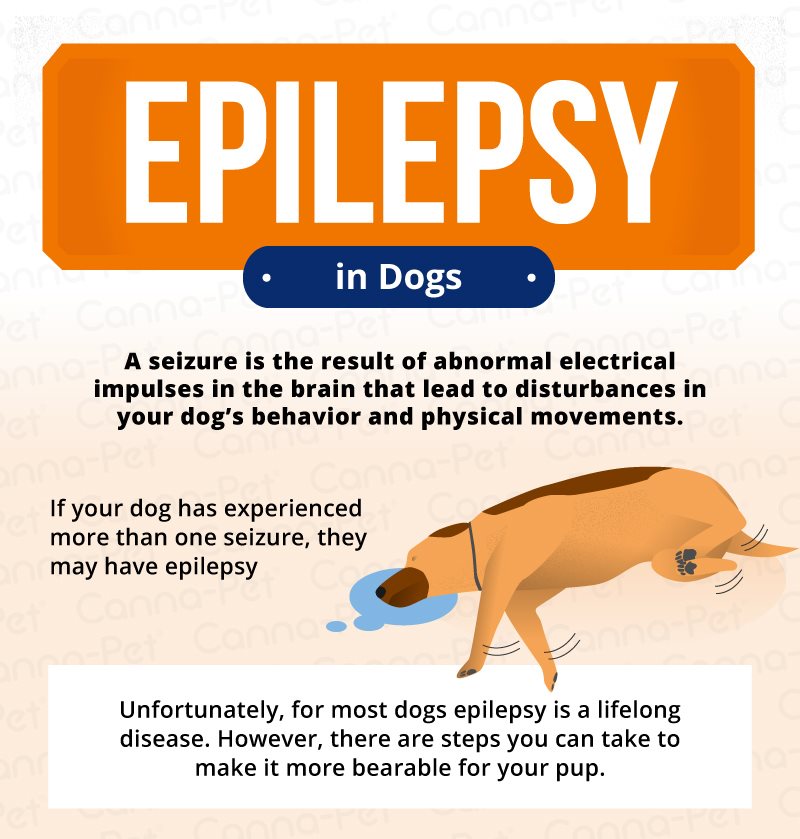
Breed Predispositions, Age Factors, and Temperament Variations
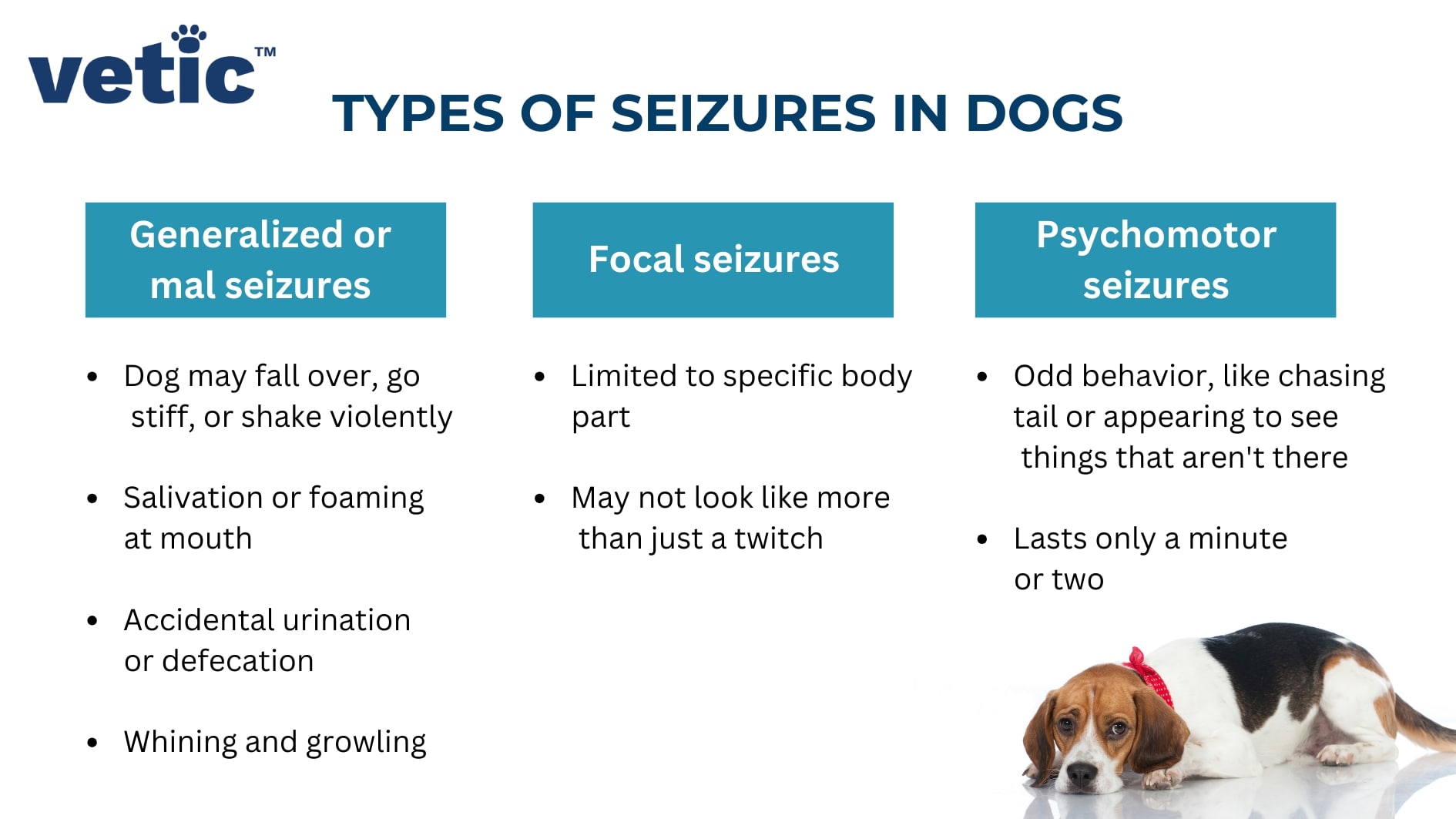
Certain genetic lineages, developmental stages, and personality profiles exhibit higher statistical probabilities of developing primary neurological disorders. Idiopathic epilepsy—a seizure disorder of unknown origin—frequently appears in specific breeds such as Labrador Retrievers, German Shepherds, Belgian Malinois, and Standard Poodles, typically manifesting between the ages of six months and five years. Conversely, older canines that experience sudden neurological symptoms are more likely to have secondary causes linked to systemic illness, metabolic disease, or intracranial lesions. Understanding these Dog Breeds specific tendencies allows owners and clinicians to anticipate hereditary health concerns, tailor preventive wellness plans, and monitor senior companions with heightened vigilance for subtle cognitive or physical shifts.
When to Consult a Veterinary Professional Immediately
Immediate veterinary intervention is mandatory if an episode lasts longer than five minutes, if multiple episodes occur in rapid succession without full recovery between them, or if severe respiratory distress develops. Routine veterinary appointments should be scheduled promptly whenever a first-time pre-seizure pattern or behavioral change is observed, as early professional evaluation ensures proper diagnostic testing, including blood panels and neurological imaging. For ongoing management, collaborating closely with a licensed veterinarian or a board-certified veterinary neurologist ensures that therapeutic interventions, such as antiepileptic drug protocols, are adjusted safely to match the evolving needs of the individual animal.
Closing Insights on Canine Neurological Wellness
Navigating canine neurological health requires unwavering patience, attentive observation, and close partnership with qualified medical professionals. By understanding the subtle warning signs that precede active episodes, caretakers can significantly improve safety and quality of life for their animal companions. Explore further resources across Dog Behavior and related topics to deepen your understanding of canine wellness. Visit PetsAnimalsWorld.com for comprehensive guidance on nurturing healthy, resilient pets throughout every stage of life.




