
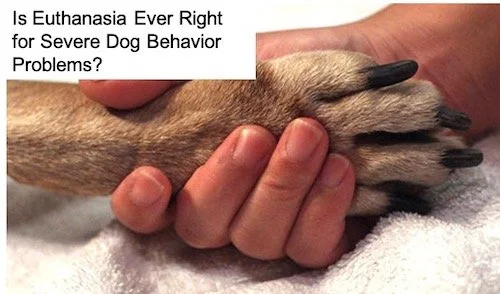
Navigating severe canine behavioral challenges requires immense compassion, careful observation, and objective guidance from qualified professionals. According to the American Veterinary Medical Association (AVMA), behavioral issues are among the leading causes of relinquishment and euthanasia in companion animals, highlighting a profound welfare and public safety concern. When a household pet displays extreme aggression, severe anxiety, or self-harming tendencies that fail to respond to intervention, the decision-making process becomes deeply complex. Dog owners often find themselves grappling with profound grief, ethical dilemmas, and social isolation when standard training methods do not succeed. Understanding the realities of severe behavioral conditions allows caretakers to approach difficult choices with clarity, empathy, and a strong commitment to animal welfare.
💡 Pet Care Key Takeaways:
- Core Focus: Practical health, nutrition, and wellness guidelines for Dog Behavior Euthanasia.
- Target Scope: Pet owners, animal caregivers, and veterinary support staff.
- Best Recommendation: Maintain consistent daily routines and consult an accredited veterinarian before introducing major diet or medical changes.
Defining Behavioral Euthanasia in Veterinary Contexts
Behavioral euthanasia refers to the humane termination of a companion animal’s life due to severe, untreatable psychological distress, psychiatric disorders, or dangerous aggression that poses an unmanageable risk to humans or other animals. Unlike elective procedures, this sensitive intervention is considered when an animal suffers from profound mental anguish that prevents any meaningful quality of life, or when public safety cannot be reasonably guaranteed through environmental management and behavioral modification. Veterinary professionals evaluate these situations by looking closely at prognosis, predictability of dangerous events, frequency of triggers, and the psychological burden placed on both the animal and the household. The procedure itself mirrors standard medical euthanasia, ensuring a peaceful and pain-free transition, but the preceding emotional journey involves extensive clinical assessment and heartfelt deliberation. For more related activities, check out our Dog Heat Behavior Changes.
Understanding the Impact on Household Dynamics and Safety
Severe behavioral pathology places immense physical, emotional, and psychological stress on everyone sharing a living space with the affected animal. Constant hypervigilance, physical injuries from bites or scratches, and social isolation can severely diminish human well-being and disrupt normal household functioning. Furthermore, dogs experiencing profound fear or unprovoked aggression live in a state of chronic physiological distress, where their nervous systems remain locked in a perpetual fight-or-flight response. This ongoing state of panic prevents the animal from experiencing peace, joy, or relaxation. Balancing human safety with the psychological welfare of the animal is a delicate task that demands rigorous evaluation by licensed veterinary professionals who understand canine neurology and behavioral medicine.
Behavioral conditions such as severe generalized anxiety, cognitive dysfunction syndrome, and predatory aggression can severely compromise an animal’s ability to safely navigate daily life. — American Veterinary Medical Association (AVMA)
Comprehensive Approaches to Complex Behavioral Cases
Addressing severe canine behavioral concerns involves a multi-tiered approach that prioritizes scientific evidence, humane care, and expert collaboration. Before any irreversible decisions are considered, pets must undergo a thorough medical workup by a veterinarian to rule out underlying pain, neurological disorders, hormonal imbalances, or sensory deficits that might fuel the behavioral presentation. Certified applied animal behaviorists or veterinary behaviorists then implement structured management plans. These strategies rely strictly on positive reinforcement, desensitization, counter-conditioning, and environmental modification, strictly avoiding punitive or dominance-based techniques that can escalate fear and defensive reactions. When these comprehensive interventions fail to restore safety or adequate quality of life, the discussion gently shifts toward end-of-life options.
Best Practices and Common Misconceptions
Misconceptions surrounding canine behavioral challenges often increase the emotional burden carried by devoted caretakers. A prevalent myth suggests that severe aggression or panic is always a direct result of poor training or abusive handling, ignoring genetic predispositions, in-utero stress, early trauma, and neurological pathology. Best practices dictate that decisions should never be made hastily or under acute panic, but rather through a structured evaluation of risk, prognosis, and available resources. Consulting an objective third party, such as a veterinary behaviorist, provides essential clarity. Caretakers must also recognize that choosing humane euthanasia to prevent catastrophic harm or endless suffering is a valid, compassionate act of stewardship, rather than a failure of love or commitment.
Veterinary behaviorists hold specialized board certification, allowing them to diagnose complex psychiatric disorders in animals and prescribe appropriate pharmacological support. — American College of Veterinary Behaviorists (ACVB)
Pet Care & Wellness Overview Table
| Life Stage | Daily Activity Level | Key Nutrition / Care Focus |
|---|---|---|
| Puppy / Kitten | High (frequent short bursts) | High-protein growth diet & early socialization |
| Adult Companion | Moderate (30–60 mins daily) | Balanced maintenance nutrition & dental hygiene |
| Senior Pets | Low to Gentle (mindful walks) | Joint support (Glucosamine) & routine vet checks |
Images References





Evaluating Breed Tendencies, Age, and Individual Temperament
Individual temperament, genetic background, age, and developmental history play critical roles in shaping a dog’s behavior and response to intervention. While certain breeds possess historical working traits or high energy levels that require specific outlets, severe psychological pathology can manifest across any breed, mixed-heritage dog, or age group. Senior dogs, for instance, frequently experience canine cognitive dysfunction—a neurodegenerative condition akin to human dementia—which can manifest as profound disorientation, nighttime pacing, sudden reactivity, and altered social interactions. Recognizing how age-related cognitive decline or inherited predispositions interact with environmental triggers helps veterinary teams establish realistic prognoses and determine whether therapeutic interventions can provide genuine relief.
When to Consult a Veterinary Professional or Behaviorist
Prompt professional guidance is essential whenever a dog exhibits sudden behavioral shifts, unprovoked biting, intense self-mutilation, or panic so severe that it prevents basic daily care. Dog owners navigating persistent aggression, unpredictable reactivity, or debilitating phobias should schedule a comprehensive medical examination to rule out hidden pain or organic disease. Following a clean bill of physical health, a referral to a board-certified veterinary behaviorist ensures access to advanced diagnostic insight and safe, medically sound behavioral treatment plans. Professional oversight guarantees that every avenue of relief, safety management, and palliative care is thoughtfully explored before making permanent decisions regarding the animal’s future.
Compassionate Guidance for Difficult Decisions
Making profound choices regarding the end of a pet’s life requires immense courage, reflection, and professional support. While the journey is undeniably painful, prioritizing safety and animal welfare remains the ultimate expression of responsible pet guardianship. For further insights on nurturing canine well-being, exploring specialized Dog Behavior principles, understanding Dog Training fundamentals, and reviewing essential Dog Health guidelines can provide valuable context. Resources dedicated to comprehensive Dog Care assist owners in navigating every stage of their companion’s life with empathy and informed dedication. Visit PetsAnimalsWorld.com to explore additional educational articles designed to support lifelong human-animal bonds.




