Introduction
Dog behavior changes at 4 years old typically reflect the final maturation phase into full social and emotional adulthood, shifting energetic adolescence into steady, predictable adult temperament. According to the American Animal Hospital Association (AAHA), adult dogs require routine life-stage monitoring to differentiate normal psychological maturation from underlying medical conditions or emerging behavioral disorders. Understanding these canine behavioral shifts allows professional caregivers and pet enthusiasts to adjust daily routines, Dog Training protocols, and wellness schedules proactively. Navigating this biological transition successfully safeguards long-term domestic harmony and ensures optimal quality of life for companion animals reaching their prime adult years.
Pet Wellness & Behavior Snapshot:
- Core Focus: Evaluating psychological maturation, stability, and environmental adjustments for four-year-old adult canines.
- Target Scope: Applied companion animal care, veterinary health monitoring, and structured household management.
- Key Recommendation: Schedule comprehensive physical examinations and establish consistent environmental boundaries to support adult stability.
Core Principles and Detailed Overview
Dog behavior changes at 4 years old encompass a definitive transition from erratic puppyhood and adolescent testing into adult emotional equilibrium and established social preferences. Canine behavioral experts observe that adult dogs often display decreased tolerance for chaotic environments, heightened territorial awareness, and stabilized energy levels that vary significantly across Dog Breeds. Pet healthcare management during this life stage must prioritize comprehensive diagnostic evaluations to rule out subclinical pain, dental disease, or metabolic shifts that frequently mimic behavioral deterioration. Maintaining a proactive approach to Dog Health ensures that sudden alterations in reactivity, sleep patterns, or social interactions receive prompt clinical intervention rather than misattribution to simple aging.
Key Specifications and Breakdown
| Observed Indicator / Factor | Veterinary & Behavioral Explanation | Actionable Management Protocol |
|---|---|---|
| Decreased Play Tolerance | Adult neurological maturation reduces impulsive tolerance for high-intensity, chaotic interactions. | Provide structured, predictable exercise sessions and respect social boundaries. |
| Heightened Guarding Cues | Instinctual territorial preservation matures fully during early adult years. | Desensitize to door triggers and consult resources in Dog Behavior. |
| Metabolic & Energy Shifts | Caloric requirements decrease as skeletal growth ceases and adult resting metabolism stabilizes. | Adjust dietary portions in alignment with professional Dog Nutrition standards. |
Annual comprehensive physical examinations and behavioral screenings are strongly recommended by veterinary professionals to detect subclinical pain or early physiological disease that directly alters adult canine conduct. — American Veterinary Medical Association (AVMA)
Step-by-Step Practical Application and Guidelines
Dog behavior changes at 4 years old demand a systematic adjustment of home environments, dietary schedules, and mental enrichment strategies to match adult psychological needs. Caregivers should begin by auditing daily exercise routines, ensuring physical exertion is balanced with complex problem-solving tasks that engage mature cognitive capacities. Next, evaluate the household feeding regimen, consulting Dog Care frameworks to transition away from high-calorie puppy formulas toward maintenance adult diets. Finally, reinforce basic obedience cues consistently to maintain clear communication channels, reducing household stress and supporting the natural stabilization of adult temperament.
Common Challenges and How to Avoid Them
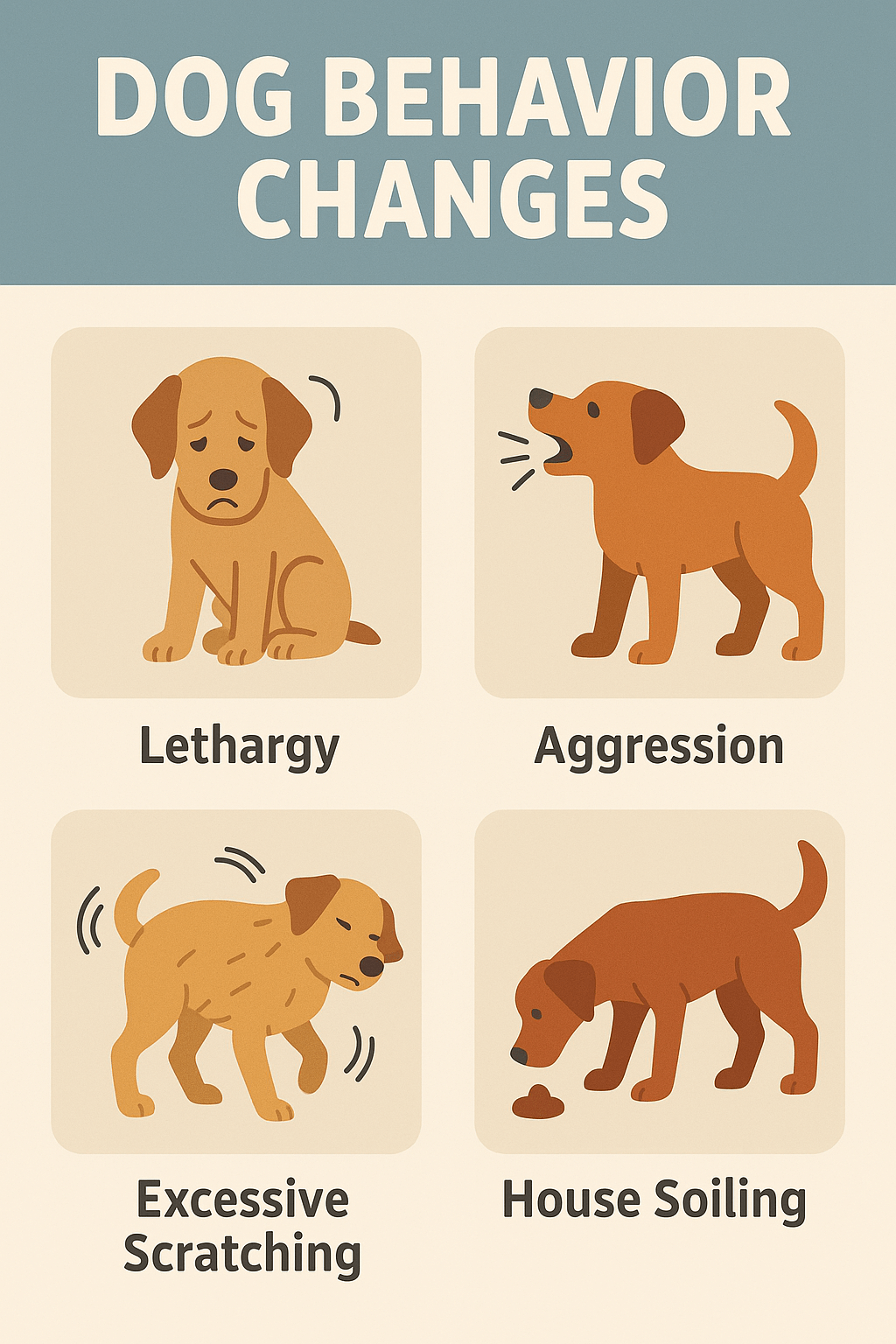
Dog behavior changes at 4 years old are frequently mismanaged when owners misinterpret pain-induced aggression or sensory decline as stubbornness or intentional disobedience. Avoiding these clinical pitfalls requires scheduling veterinary diagnostics immediately whenever an adult dog exhibits sudden lethargy, touch sensitivity, or uncharacteristic withdrawal. Caregivers must also avoid abrupt environmental disruptions, as four-year-old canines possess established territorial habits that increase vulnerability to chronic stress if routines fluctuate unpredictably. Prioritizing objective behavioral tracking alongside regular veterinary oversight prevents minor developmental adjustments from escalating into entrenched behavioral pathology.
💬 Frequently Asked Questions
Explore More Pet Care and Animal Health Guides on PetsAnimalsWorld
Mastering adult canine development and wellness requires continuous education across diverse clinical and behavioral domains. Enthusiasts and caregivers are encouraged to explore the comprehensive resource library available directly through Pets Animals World to support long-term companion animal health and positive human-animal bonds.
Visual Reference Gallery