
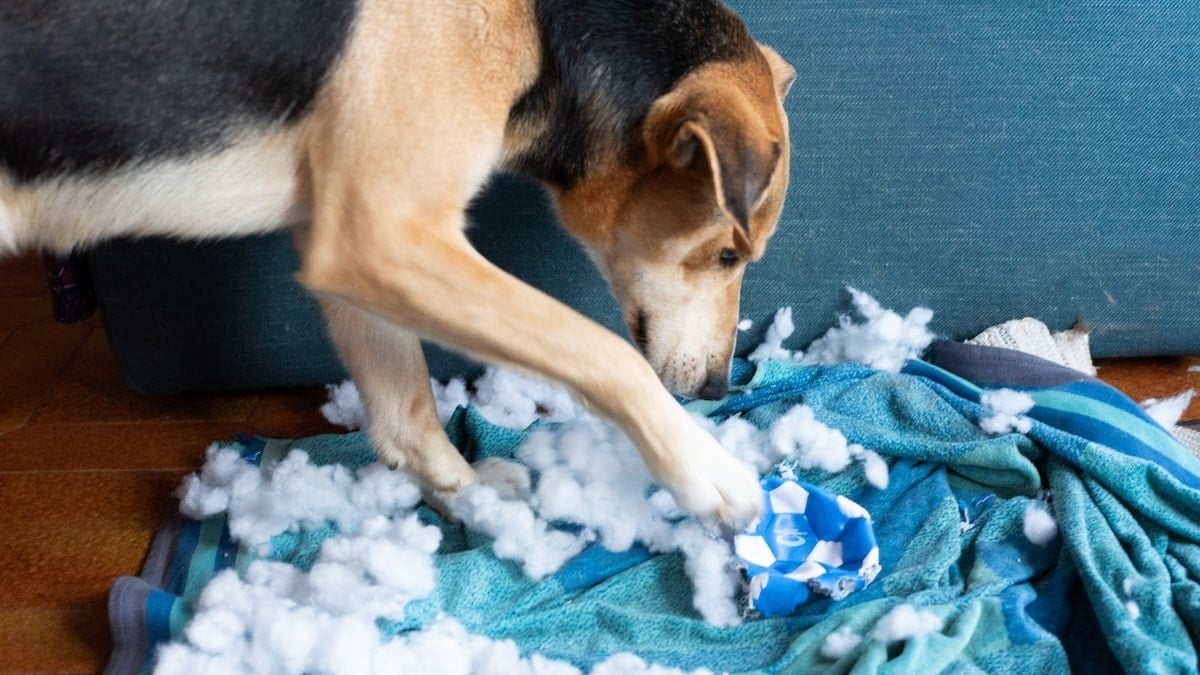
Understanding the Root Causes of Bed Scratching and Paws in Motion
Bed scratching and frantic circling before lying down represent deeply ingrained instincts that connect modern domestic companions to their wild ancestors. According to the American Society for the Prevention of Cruelty to Animals, animals often perform repetitive bedding rituals to modify their immediate microenvironment for safety and comfort. Observing a companion animal furiously pawing at expensive mattresses and plush blankets can test the patience of any household, yet this activity rarely stems from random mischief. Instead, canine scratching serves functional, evolutionary, and emotional purposes that provide valuable insight into physical comfort levels, environmental temperature regulation, and stress management.
💡 Pet Care Key Takeaways:
- Core Focus: Practical health, nutrition, and wellness guidelines for Dog Behavior Digging In Bed.
- Target Scope: Pet owners, animal caregivers, and veterinary support staff.
- Best Recommendation: Maintain consistent daily routines and consult an accredited veterinarian before introducing major diet or medical changes.
Investigating why dogs dig in bed requires examining a combination of ancestral heritage and individual daily routines. While some individuals simply want to fluff a lumpy pillow, others might be reacting to hidden sensory triggers beneath the surface. Grasping the motivations behind this nighttime choreography helps owners distinguish normal canine habits from signs of anxiety or physical discomfort that require professional attention, ensuring peaceful nights for everyone in the household.
Decoding the Evolutionary and Environmental Drivers of Canine Scratching
Scratching and digging at sleep surfaces are leftover survival behaviors designed to create secure, temperature-regulated dens in the wild. Canines in natural settings flatten tall grass, carve out insulating dirt depressions for warmth or cooling, and check for hidden pests or predators before resting. Domesticated companions retain these hardwired motor patterns, translating wild den-building instincts directly onto synthetic duvets, foam pads, and cotton sheets. Additionally, paw pads contain specialized sweat glands that release subtle pheromones, allowing animals to mark familiar resting spots and signal territorial security to other household pets.
Beyond ancestral instincts, environmental factors heavily influence nocturnal pawing routines. Seasonal temperature shifts prompt adjustments; individuals might scratch vigorously at heavy quilts to trap body heat during winter or push away thick covers to expose cooler fabric during summer months. Boredom and pent-up physical energy also manifest through repetitive motion, transforming a cozy bed into an impromptu outlet for late-night restlessness when daily exercise requirements remain unmet.
Assessing the Physical and Behavioral Implications for Household Pets
While occasional mattress adjustments remain completely harmless, excessive or frantic digging can compromise household furnishings and occasionally signal underlying health or behavioral concerns. Chronic pawing frequently tears delicate fabrics, punctures foam cores, and accelerates wear on bedding investments. More importantly, obsessive scratching that disrupts normal rest patterns or leads to self-inflicted paw injuries warrants careful observation by caregivers and veterinary professionals alike.
Behavioral scientists note that repetitive pre-sleep rituals like circling and scratching help domestic canines alleviate mild stress and establish a predictable sense of security before resting. — American Kennel Club
When physical discomfort drives the activity, animals might target specific areas of the body or show signs of agitation while trying to settle. Joint stiffness, skin irritations, or neurological discomfort can make finding a comfortable position challenging, leading to prolonged digging sessions as the animal attempts to relieve localized pressure. Differentiating between normal comfort-seeking rituals and stress-related displacement behaviors relies on monitoring the overall intensity and frequency of the actions alongside other daily indicators of well-being.
Practical Management Strategies for Protecting Sleep Surfaces
Managing nocturnal pawing and protecting household furnishings involves a combination of environmental enrichment, durable equipment selection, and positive redirection techniques. Providing robust, rip-resistant crate pads or chew-resistant covers specifically engineered for active sleepers reduces the risk of ruined household linens. Integrating regular mental stimulation and structured physical activity throughout the day also ensures that animals expend excess energy before bedtime, reducing nighttime restlessness.
Veterinary behavior specialists recommend addressing persistent nighttime anxiety through environmental adjustments rather than punishment, as stress-related habits rarely resolve through intimidation. — American Veterinary Medical Association
Pet Care & Wellness Overview Table
| Life Stage | Daily Activity Level | Key Nutrition / Care Focus |
|---|---|---|
| Puppy / Kitten | High (frequent short bursts) | High-protein growth diet & early socialization |
| Adult Companion | Moderate (30–60 mins daily) | Balanced maintenance nutrition & dental hygiene |
| Senior Pets | Low to Gentle (mindful walks) | Joint support (Glucosamine) & routine vet checks |
Images References








Caregivers should avoid punitive corrections or scolding when animals exhibit natural pre-sleep routines, because fear-based responses frequently exacerbate underlying anxiety. Instead, gently guiding the animal toward an designated blanket or reinforcing calm settling behavior with quiet praise helps establish positive associations with alternative resting areas. Offering varied thermal options, such as breathable mats for warm evenings and cozy nesting pockets for chilly nights, accommodates natural thermoregulation without encouraging destructive furniture scraping.
Best Practices and Common Pitfalls in Managing Bed Activities
Establishing consistent bedtime routines encourages relaxation and reduces the likelihood of frantic mattress modification. Caregivers should introduce durable chew toys or interactive puzzle feeders earlier in the evening to tire out inquisitive minds before lights out. Avoid placing fragile, high-maintenance textiles within reach of enthusiastic diggers, opting instead for easily washable, heavy-canvas covers that withstand repetitive friction without tearing.
A frequent misstep involves ignoring underlying environmental stressors or ignoring physical ailments that trigger compulsive scratching. Punishing an animal for attempting to cool down or escape a draft fails to resolve the root cause of the behavior. Maintaining open communication with veterinary teams regarding sudden changes in sleep habits ensures that physical conditions receive appropriate evaluation and treatment.
Breed Tendencies, Age Factors, and Individual Temperament
Specific breed histories significantly influence how intensely individuals engage in nesting and digging habits around the home. Terriers, hounds, and working breeds originally developed for flushing quarry or burrowing underground often display heightened persistence when interacting with soft furnishings. Conversely, companion breeds may show minimal interest in rearranging bedding, preferring straightforward curling routines.
Age also plays a notable role in nocturnal habits. Developing juveniles explore their environments vigorously and may test various textures through playful pawing, while mature adults often settle into predictable, efficient routines. Senior animals experiencing sensory decline or cognitive changes might display altered sleep cycles or increased restlessness, requiring supportive environmental adaptations outlined further in Dog Behavior guidelines and professional care recommendations.
Recognizing When Professional Guidance Becomes Essential
Consulting a qualified veterinarian or a certified animal behaviorist becomes necessary when bed scratching turns into an obsessive compulsion or coincides with signs of distress. Persistent night waking, vocalization, destructive pawing that damages claws, or sudden alterations in household routines warrant a thorough medical examination to rule out underlying pain, dermatological issues, or neurological concerns.
Professional behavioral assessments help tailor intervention strategies for animals experiencing separation-related panic or generalized anxiety. A structured approach combining veterinary diagnostics with positive, science-based behavior modification ensures long-term comfort and well-being. For additional insights into maintaining overall wellness, consult resources on Dog Health and Dog Care.
Supporting Canine Comfort and Restful Nights at Home
Balancing natural instincts with household preservation requires patience, understanding, and appropriate environmental adjustments tailored to each animal’s unique personality. By recognizing the evolutionary drivers behind bed-scratching routines and providing suitable outlets for resting behaviors, households can foster a harmonious living space for everyone. Explore further guidance across Dog Training topics and visit PetsAnimalsWorld.com for comprehensive care resources designed to support every stage of a companion animal’s life.




