

Understanding the Language of Canines
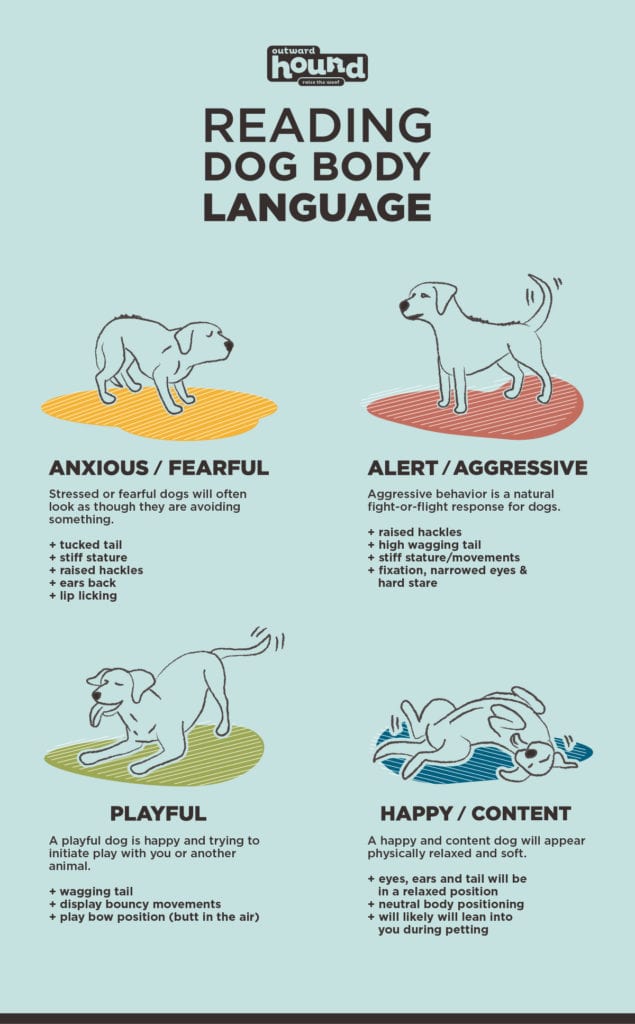
Interpreting dog behavior examples is fundamental to fostering a harmonious relationship between humans and their canine companions. Because dogs communicate primarily through body language, vocalizations, and subtle shifts in posture, learning to decipher these signals allows for more effective communication and deeper trust. According to the American Society for the Prevention of Cruelty to Animals (ASPCA), understanding canine body language is essential for preventing misunderstandings that can lead to fear or aggression. By observing a dog’s ears, tail position, and muscle tension, owners can gain significant insight into their pet’s emotional state, helping to ensure that the environment remains safe and comfortable for everyone involved.
💡 Pet Care Key Takeaways:
- Core Focus: Practical health, nutrition, and wellness guidelines for Dog Behavior Examples.
- Target Scope: Pet owners, animal caregivers, and veterinary support staff.
- Best Recommendation: Maintain consistent daily routines and consult an accredited veterinarian before introducing major diet or medical changes.
Defining Common Behavioral Patterns
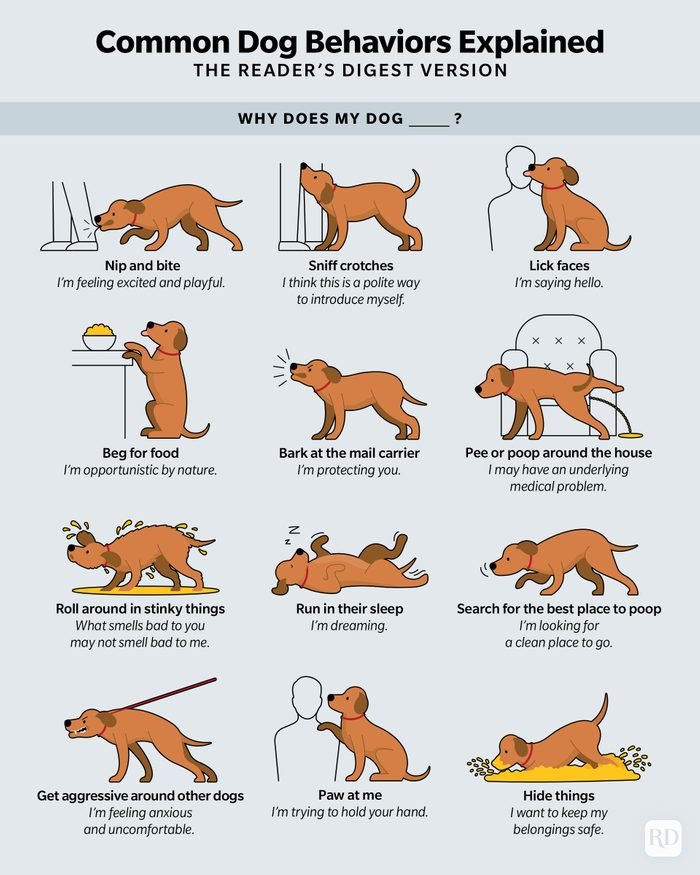
Dog behavior examples encompass a wide range of actions, from natural species-specific instincts to learned responses influenced by training and environment. These behaviors are often categorized into social, investigative, and stress-related actions. For instance, a “play bow”—where a dog lowers its front end while keeping its hindquarters raised—is a classic signal of friendly intent and an invitation to engage in social interaction. Conversely, behaviors such as lip licking, yawning when not tired, or avoiding eye contact may indicate that a dog feels anxious or overwhelmed by a specific situation. Recognizing these subtle nuances prevents the misinterpretation of a dog’s needs and allows owners to provide appropriate dog behavior support.
The Impact of Behavior on Overall Well-being
The way a dog acts is often a direct reflection of its physical and emotional health, making behavioral observation a critical component of responsible care. When a dog exhibits sudden changes in behavior, such as increased lethargy, irritability, or repetitive pacing, these may be clinical indicators of underlying pain or medical distress. Addressing these shifts requires a proactive approach, as behavioral issues often exacerbate stress, which can negatively impact the immune system and long-term health. Ensuring that a dog receives adequate mental stimulation and physical activity is vital for maintaining a balanced temperament and preventing the development of destructive habits born from boredom or frustration.
Canine body language is a complex system of communication involving the entire body, from the ears and eyes to the tail, which helps dogs navigate social interactions and express their needs. — American Kennel Club (AKC)
Managing and Modifying Canine Conduct
Managing behavior effectively relies on the principles of positive reinforcement, which involves rewarding desired actions to increase their frequency. This evidence-based approach focuses on providing high-value rewards—such as treats, praise, or play—when a dog demonstrates calm or cooperative behavior, rather than punishing unwanted actions. Creating a predictable routine helps dogs feel secure, as they learn what is expected of them in various environments. For owners looking to improve their dog training success, consistency across all household members is paramount. By breaking down complex tasks into manageable steps, owners can help their pets succeed without causing undue stress or confusion.
Best Practices and Common Pitfalls
A common mistake in behavior management is the assumption that dogs act out of malice or spite. In reality, behaviors like chewing furniture or barking at passersby are typically rooted in instinct, anxiety, or a lack of appropriate outlets for energy. To manage these, focus on environmental management—such as removing access to forbidden items—and redirecting the dog toward acceptable activities, like chewing on a durable rubber toy. Avoiding the use of intimidation or physical dominance is critical, as these methods can damage the human-animal bond and increase the likelihood of fear-based aggression. Always prioritize the dog’s emotional safety during any learning process.
Positive reinforcement training, which focuses on rewarding good behavior, is widely considered the most effective and humane way to teach dogs new skills and manage behavioral concerns. — American Veterinary Medical Association (AVMA)
Pet Care & Wellness Overview Table
| Life Stage | Daily Activity Level | Key Nutrition / Care Focus |
|---|---|---|
| Puppy / Kitten | High (frequent short bursts) | High-protein growth diet & early socialization |
| Adult Companion | Moderate (30–60 mins daily) | Balanced maintenance nutrition & dental hygiene |
| Senior Pets | Low to Gentle (mindful walks) | Joint support (Glucosamine) & routine vet checks |
Images References






Considerations for Breed, Age, and Individual Temperament
Every dog is an individual, and factors such as breed history, age, and developmental stage significantly influence how they respond to the world. For example, herding breeds may have a natural inclination to chase moving objects, while scent-driven breeds may be more easily distracted by environmental odors during walks. Understanding these dog breeds characteristics allows owners to tailor their training and exercise plans to meet the specific needs of their pet. Furthermore, the needs of a senior dog, who may experience sensory decline or mobility issues, differ greatly from those of a high-energy puppy. Adapting expectations based on the dog’s life stage is essential for maintaining a positive and supportive relationship throughout the animal’s life.
When to Consult a Professional
While many behavioral challenges can be managed through consistent, humane training at home, certain situations require the expertise of a qualified professional. If a dog displays persistent aggression, extreme fear, or behaviors that pose a safety risk to themselves or others, it is imperative to seek guidance from a certified professional dog trainer or a veterinary behaviorist. Additionally, any sudden, unexplained change in behavior should be addressed first with a veterinarian to rule out medical conditions, such as dental pain, metabolic issues, or neurological concerns. Professional intervention provides a structured, safe, and science-based path forward, ensuring that the dog receives the specialized care necessary for long-term improvement.
Building a Stronger Bond Through Understanding
Cultivating a deep understanding of dog behavior examples serves as the foundation for a fulfilling life with a canine companion. By approaching behavioral challenges with patience, empathy, and scientific knowledge, owners can create an environment where their pets feel secure and valued. Whether exploring the nuances of play or addressing the complexities of anxiety, prioritizing the dog’s well-being ensures a healthy, long-lasting partnership. For more guidance on all aspects of dog care and behavior, visit PetsAnimalsWorld.com, where resources are available to help every owner navigate the rewarding journey of pet guardianship.




