
Understanding the roots of modern canine actions
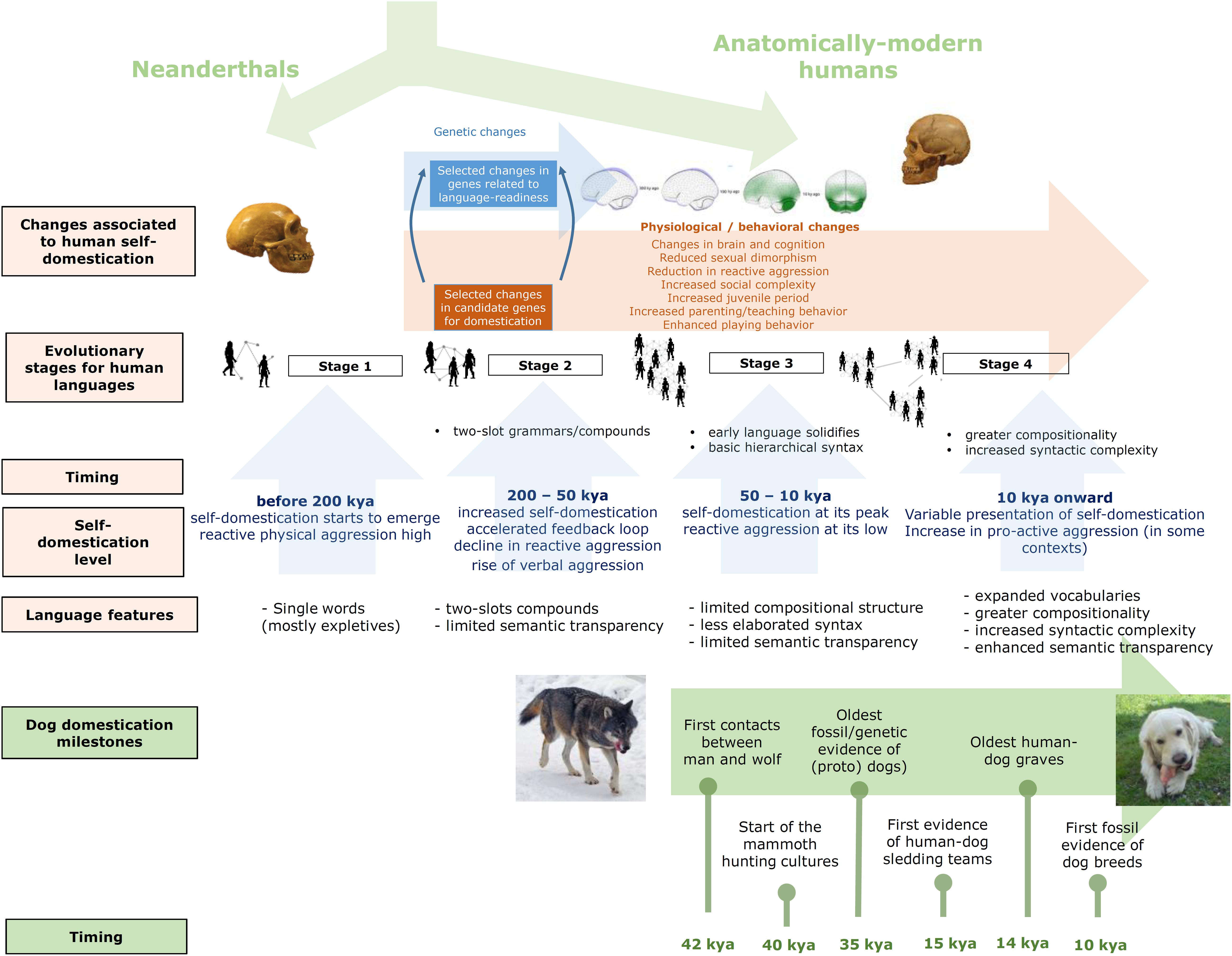
According to the American Kennel Club, domestic dogs share a remarkably close evolutionary lineage with ancient wolves, yet thousands of years of human partnership have uniquely reshaped their neurological makeup. Examining dog behavior evolution and cognition reveals how ancestral survival traits transitioned into domestic social competencies. This deep historical bridge influences every interaction shared within modern households, transforming wild instincts into cooperative companionship.
💡 Pet Care Key Takeaways:
- Core Focus: Practical health, nutrition, and wellness guidelines for Dog Behavior Evolution And Cognition.
- Target Scope: Pet owners, animal caregivers, and veterinary support staff.
- Best Recommendation: Maintain consistent daily routines and consult an accredited veterinarian before introducing major diet or medical changes.
Observing a household dog look toward a human for guidance when a puzzle toy proves too difficult offers a tangible window into this evolutionary shift. Unlike wild canids, domesticated dogs display an extraordinary capacity for interspecies communication, often outperforming other mammals when reading human gestures. Recognizing these innate tendencies allows caregivers to appreciate the rich mental landscape operating beneath the surface of everyday canine actions.
The science behind canine thinking and ancestral shifts
Dog behavior evolution and cognition refers to the biological development of mental processes—such as memory, problem-solving, and emotional processing—shaped by domestication and selective breeding. As dogs transitioned from scavenging edges of human settlements to living inside the hearth, natural selection favored individuals with lower stress thresholds and heightened social tolerance. This evolutionary bottleneck altered brain structure, particularly areas associated with impulse control and cooperative attention.
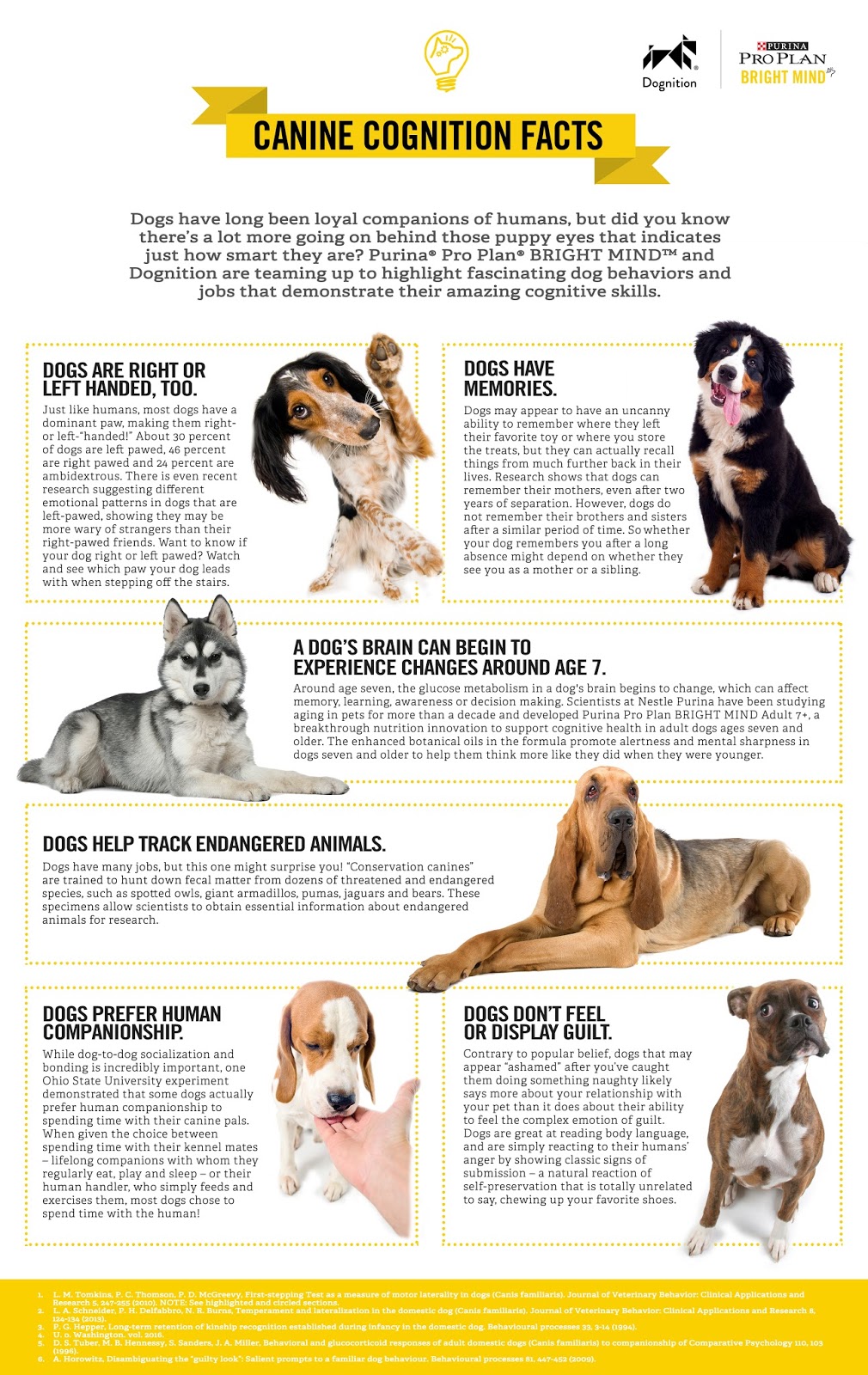
Cognitive research demonstrates that dogs possess complex social-referencing skills, meaning they actively check human emotional cues to navigate ambiguous situations. Anthropogenic selection prioritized cooperation over independent hunting prowess, resulting in a unique cognitive profile. Domestic dogs process human facial expressions, vocal intonations, and pointing gestures with an intuitive fluency rarely observed in non-domesticated species, highlighting a profound neurological adaptation.
The impact of cognitive evolution on daily wellness
Understanding these cognitive and evolutionary foundations directly impacts daily Dog Health and behavioral balance. Mental enrichment is just as vital as physical exercise for modern canines, because an under-stimulated brain often leads to destructive chewing, excessive vocalization, or chronic anxiety. When dogs cannot express species-appropriate problem-solving behaviors, frustration manifests as undesirable household habits.
Behavioral research indicates that dogs regularly exposed to novel problem-solving tasks exhibit lower indicators of stress-related cortisol elevation in unfamiliar environments. — Association of Professional Dog Trainers
Furthermore, recognizing that dogs experience emotional states like frustration and curiosity helps caregivers set realistic expectations. Supporting cognitive well-being involves structuring daily routines that honor ancestral drives, such as foraging, sniffing, and cooperative exploration, rather than expecting passive compliance at all times.
Fostering mental growth through positive learning strategies
Managing and encouraging healthy cognitive development requires humane, evidence-informed approaches that build confidence through positive reinforcement. Training sessions should act as collaborative games where dogs learn to think and make choices independently, rather than relying on punitive measures or intimidation. Establishing clear communication channels reduces cognitive load and helps dogs navigate human environments successfully.
Best practices and pitfalls in cognitive engagement
Introducing mental challenges gradually ensures the dog experiences manageable success rather than overwhelming frustration. Caregivers should avoid sudden, overly complex puzzles that trigger stress or encourage avoidance behaviors. Consistency in cue delivery and patience during problem-solving moments build reliable neural pathways, strengthening the bond between dog and human.
Structured nosework and scent tracking activities stimulate natural foraging instincts, which significantly reduce resting heart rates in shelter and domestic dogs. — American Veterinary Medical Association
Pet Care & Wellness Overview Table
| Life Stage | Daily Activity Level | Key Nutrition / Care Focus |
|---|---|---|
| Puppy / Kitten | High (frequent short bursts) | High-protein growth diet & early socialization |
| Adult Companion | Moderate (30–60 mins daily) | Balanced maintenance nutrition & dental hygiene |
| Senior Pets | Low to Gentle (mindful walks) | Joint support (Glucosamine) & routine vet checks |
Images References





Another common misstep involves overwhelming a sensitive dog with too many environmental variables during learning phases. Keeping training sessions short, engaging, and rewarding ensures optimal cognitive retention without causing mental fatigue.
Breed heritage, age, and individual cognitive profiles
Breed backgrounds and life stages play a significant role in how Dog Breeds express inherited cognitive traits. Herding breeds often display intense focus and hyper-awareness of movement, while scent hounds process their surroundings primarily through olfaction. Recognizing these specialized evolutionary purposes prevents mismatched expectations during daily activities.
Age also shifts cognitive capacity; senior dogs may experience age-related cognitive decline, similar to human dementia, which alters sleep patterns, house-training habits, and spatial orientation. Conversely, adolescent dogs undergo neurological rewiring that temporarily tests impulse control. Tailoring mental enrichment to match a dog’s specific developmental stage ensures lifelong neurological health.
When professional guidance becomes necessary
Persistent behavioral shifts, sudden fear responses, or severe anxiety warrant evaluation by a qualified veterinary professional or certified behaviorist. Physical discomfort often masks itself as behavioral change, making a thorough veterinary examination the essential first step before addressing complex behavioral concerns.
For severe aggression, compulsive tendencies, or profound phobias, punitive methods must be avoided entirely, as punishment frequently escalates fear. Working with an expert ensures a safe, structured rehabilitation plan tailored to the individual dog’s unique history and emotional needs.
Exploring the future of canine enrichment
Appreciating the intricate history of dog behavior evolution and cognition empowers owners to cultivate balanced, fulfilling lives for their canine companions. Utilizing insights from Dog Training and Dog Care resources helps bridge the gap between human expectations and canine nature. Visit PetsAnimalsWorld.com to explore additional guides dedicated to nurturing happy, healthy Pets.




