

Understanding Canine Estrus and Why Preparation Matters for Households
Navigating the physiological and psychological shifts of a young canine experiencing estrus requires patience, observation, and informed preparation. According to the American Society for the Prevention of Cruelty to Animals (ASPCA), female dogs typically reach sexual maturity and experience their first estrus cycle between six and twelve months of age, though larger breeds may mature later. During this transition, a young female undergoes a complex hormonal cascade that directly influences daily routines and household dynamics.
💡 Pet Care Key Takeaways:
- Core Focus: Practical health, nutrition, and wellness guidelines for Dog Behavior During First Heat.
- Target Scope: Pet owners, animal caregivers, and veterinary support staff.
- Best Recommendation: Maintain consistent daily routines and consult an accredited veterinarian before introducing major diet or medical changes.
Defining Estrus Physiology and Behavioral Manifestations
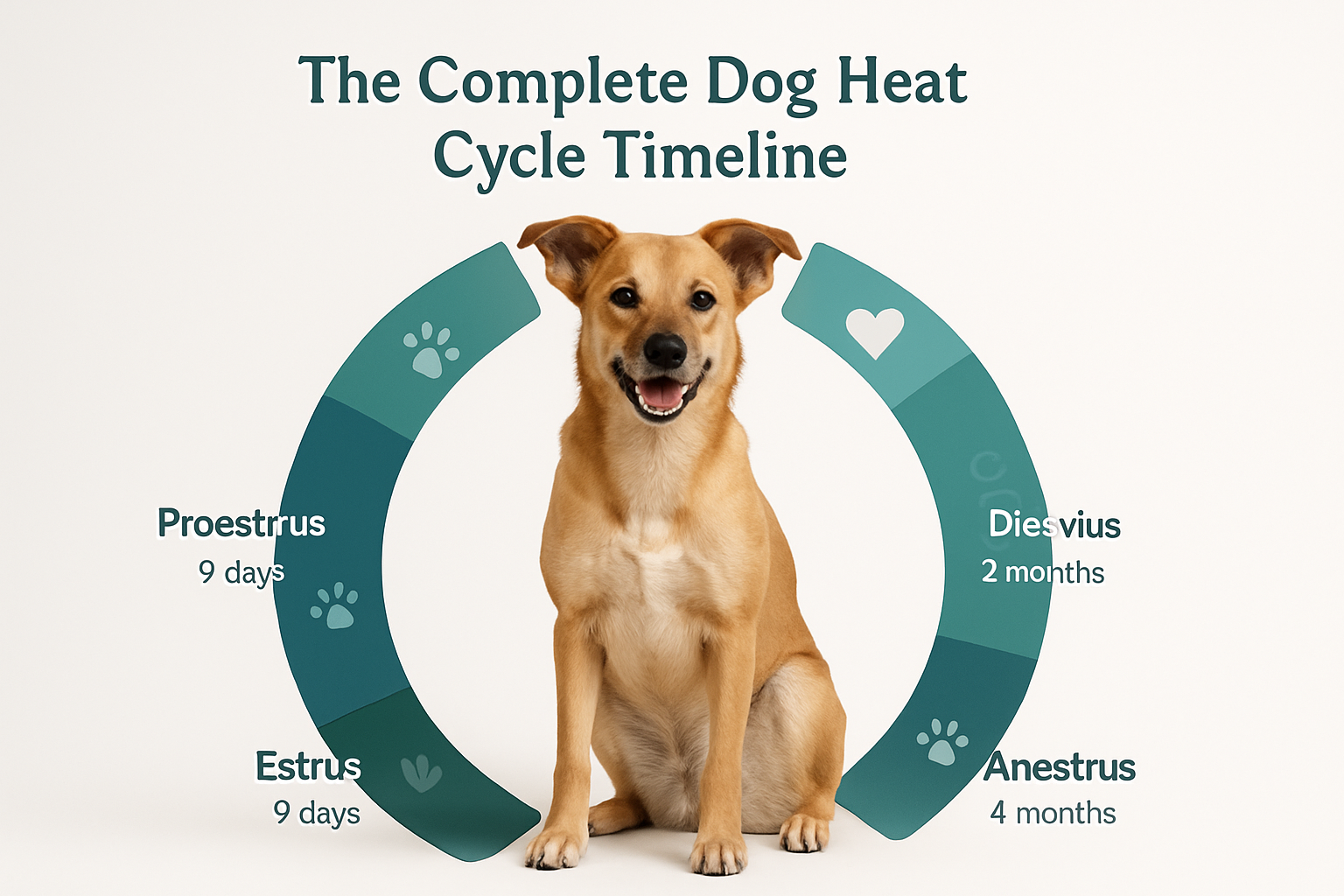
Dog behavior during first heat refers to the distinct physical and psychological changes exhibited by a female dog during her reproductive cycle, scientifically known as estrus. The reproductive cycle consists of multiple phases, starting with proestrus, where hormone levels shift significantly. Outward signs during this initial phase include vulvar swelling and a bloody vaginal discharge. Psychologically, the animal may display clinginess, restlessness, or subtle shifts in temperament as estrogen levels rise. Understanding that these alterations stem from biology rather than disobedience helps maintain a calm and supportive environment.
Recognizing the Physical and Psychological Impact on Young Dogs
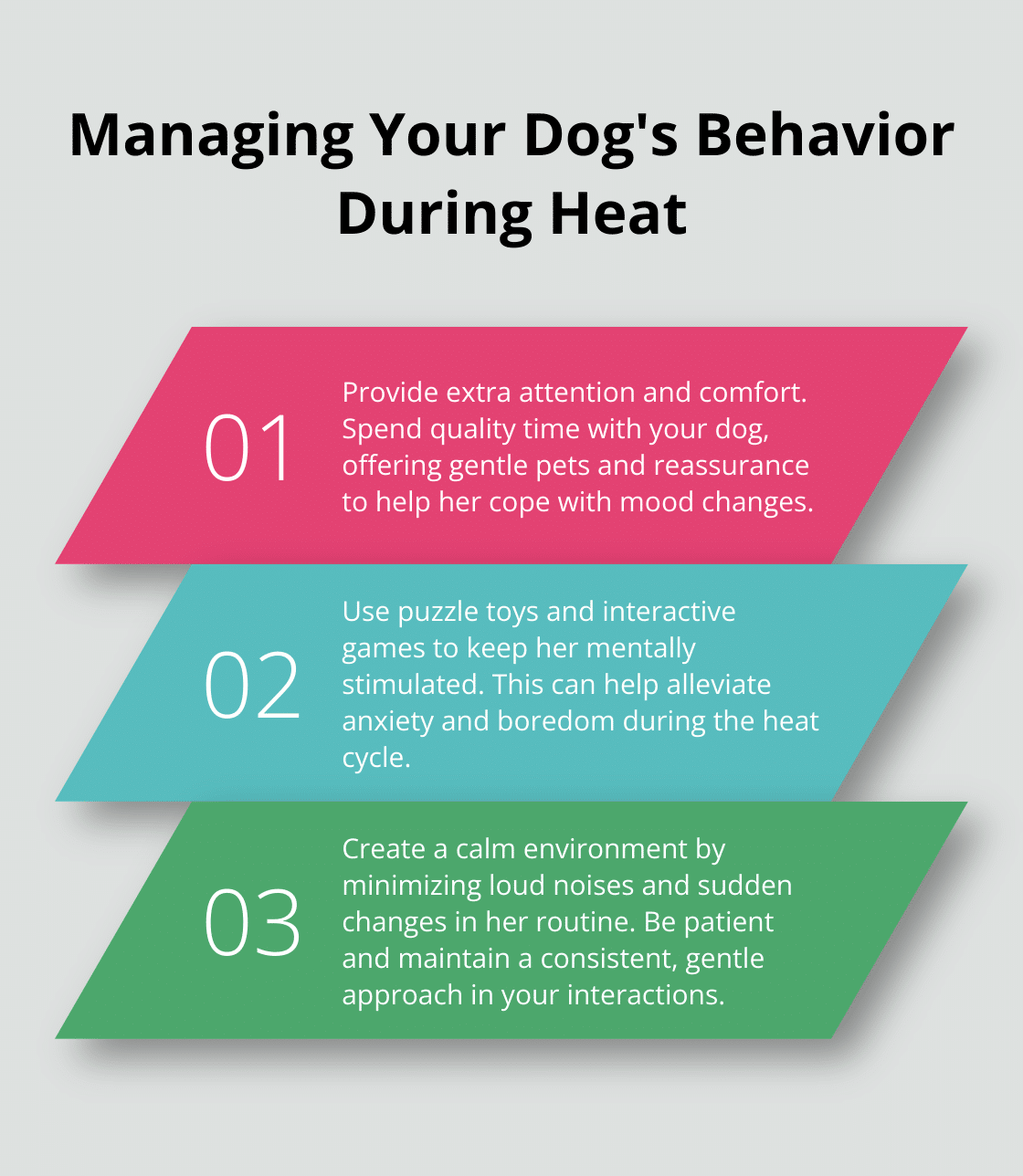
The physiological demands of the estrus cycle can leave a young canine feeling physically vulnerable, tired, or unusually restless. Behavioral shifts vary widely among individual animals; some become exceptionally affectionate, while others display nervous pacing, nesting behaviors, or irritability when approached. Environmental management becomes essential during this sensitive window, as hormonal changes can also alter interactions with other household pets. Maintaining predictable daily routines helps mitigate anxiety and provides stability while the animal navigates unfamiliar internal sensations.
Female dogs typically experience their first estrus cycle between six and twelve months of age, though maturity timelines vary significantly by breed and individual development. — American Society for the Prevention of Cruelty to Animals (ASPCA)
Managing dog behavior during first heat effectively relies on proactive environmental control, strict physical security, and consistent daily routines. Because scent changes heavily attract intact male dogs from considerable distances, traditional off-leash walks and open dog parks must be suspended immediately. Utilizing secure indoor confinement, specialized canine protective garments, and leashed backyard exercise safeguards the animal from accidental matings and unwanted neighborhood attention. Providing interactive indoor puzzle toys can help redirect nervous energy and stimulate the mind constructively.
Best Practices and Common Management Pitfalls to Avoid
Establishing clear boundaries while avoiding punitive measures ensures the animal remains calm and trusting throughout the cycle. One common mistake involves scolding a dog for restlessness or vocalization, which only increases stress levels during a naturally confusing hormonal phase. Instead, focus on positive reinforcement, quiet resting spaces, and rigorous supervisory protocols. Furthermore, never underestimate a young dog’s agility or determination to escape when driven by biological instincts, making sturdy doors, secure fencing, and vigilant supervision absolute priorities.
Maintaining strict leash control and secure indoor boundaries is essential during estrus to prevent accidental roaming and unwanted litters. — American Kennel Club (AKC)
Pet Care & Wellness Overview Table
| Life Stage | Daily Activity Level | Key Nutrition / Care Focus |
|---|---|---|
| Puppy / Kitten | High (frequent short bursts) | High-protein growth diet & early socialization |
| Adult Companion | Moderate (30–60 mins daily) | Balanced maintenance nutrition & dental hygiene |
| Senior Pets | Low to Gentle (mindful walks) | Joint support (Glucosamine) & routine vet checks |
Images References


Breed, Size, and Temperament Variations in Estrus Expression
Individual development, breed characteristics, and natural temperament heavily influence how a dog responds to her first reproductive cycle. Smaller breeds often mature earlier, sometimes experiencing estrus closer to the six-month mark, whereas giant breeds may not exhibit their first cycle until eighteen months of age or older. High-energy working breeds might display intense physical restlessness and pacing, while more reserved companion breeds may withdraw and seek quiet, hidden spaces. Recognizing these unique inclinations allows caregivers to tailor Dog Care strategies effectively to the specific needs of the animal.
When Professional Veterinary Guidance Becomes Necessary
Consulting a veterinary professional is vital if unexpected symptoms arise or if behavioral changes appear excessively severe, persistent, or distressing for the animal. While typical estrus involves manageable discharge and mild restlessness, warning signs such as lethargy, loss of appetite, extreme pain, or unusually prolonged and heavy bleeding require prompt clinical evaluation. A veterinarian can rule out underlying medical complications, such as a uterine infection known as pyometra, and offer tailored guidance regarding long-term reproductive health and appropriate Dog Health management strategies.
Supporting Canine Wellness Through Informed Lifecycle Care
Navigating the physiological and behavioral milestones of maturity requires a balanced blend of patience, environmental structure, and veterinary insight. By understanding the biological drivers behind shifting conduct, households can ensure safety and comfort during this developmental stage. Exploring additional resources on Dog Behavior and Dog Training empowers owners to build strong, lifelong bonds with their pets. Visit PetsAnimalsWorld.com for further guidance on supporting canine well-being at every stage of life.




