

Decoding Canine Actions Through Scientific Observation
Understanding the subtle signals that dogs communicate daily helps foster a harmonious relationship between households and their canine companions. According to the American Society for Prevention of Cruelty to Animals (ASPCA), recognizing normal versus problematic behavioral shifts remains essential for maintaining lifelong physical and emotional wellness in domestic dogs. Observers frequently misinterpret canine body language, viewing complex emotional states through a simplistic human lens. Establishing an objective, structured catalog of canine actions allows handlers to decode what an animal communicates during everyday interactions. By shifting toward an evidence-informed perspective, caretakers can better evaluate Dog Behavior patterns without resorting to guesswork or unfounded assumptions.
💡 Pet Care Key Takeaways:
- Core Focus: Practical health, nutrition, and wellness guidelines for Dog Behavior Ethogram.
- Target Scope: Pet owners, animal caregivers, and veterinary support staff.
- Best Recommendation: Maintain consistent daily routines and consult an accredited veterinarian before introducing major diet or medical changes.
Defining the Canine Behavioral Catalog
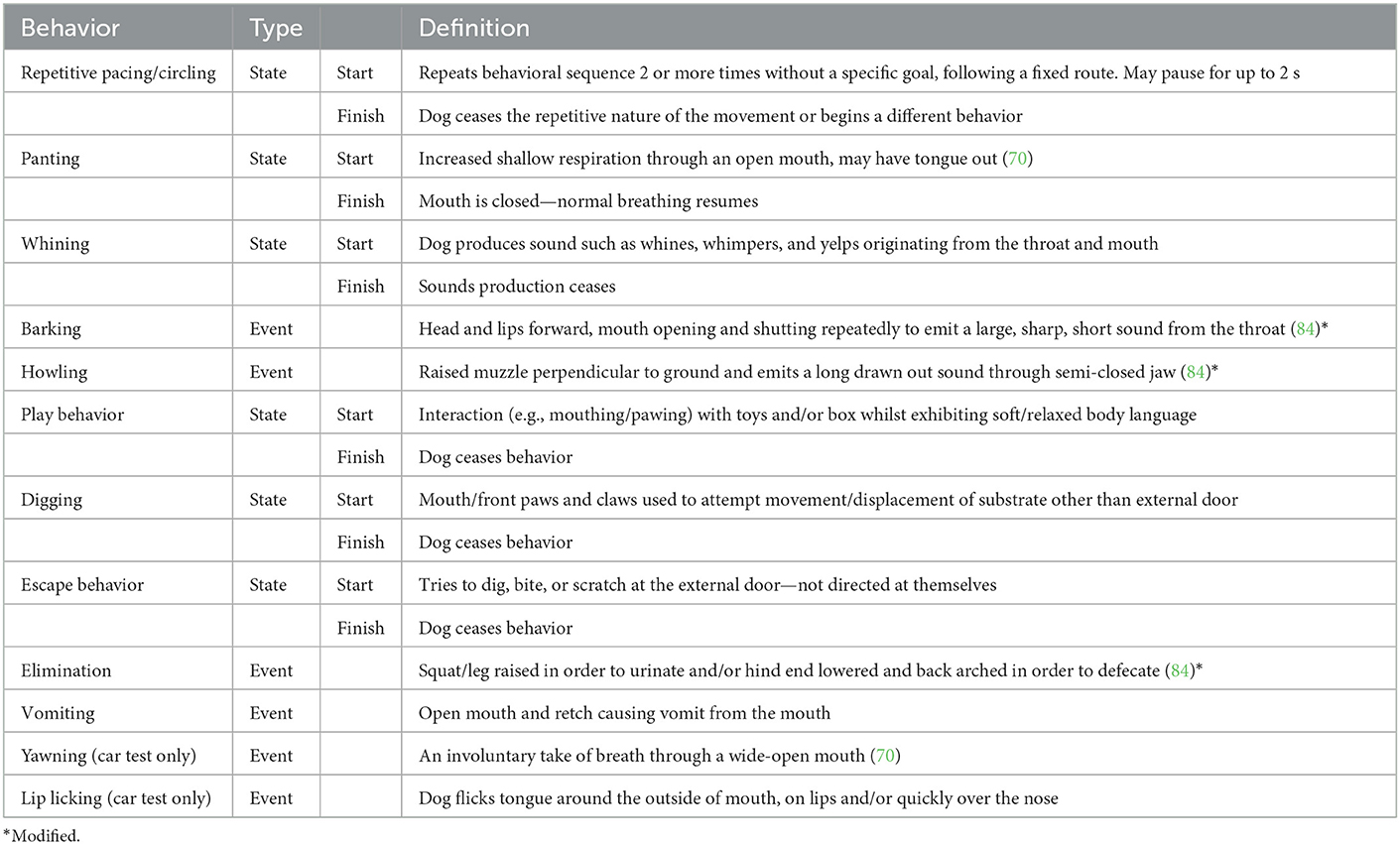
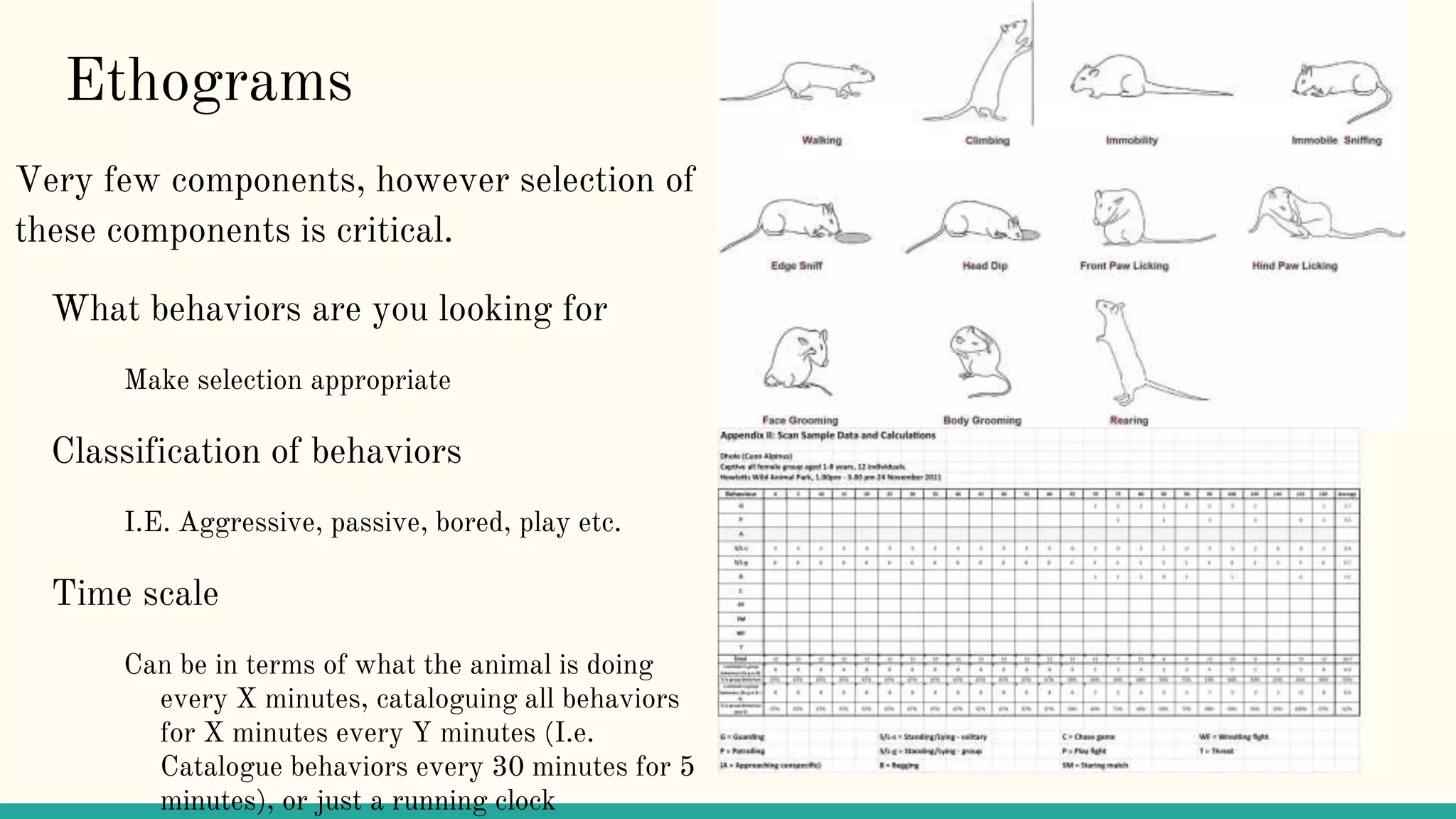
A dog behavior ethogram functions as a comprehensive, objective inventory of specific, observable actions and postures performed by canines during daily life. Rather than assigning human emotions like spite or guilt to an animal, scientific observers record exact physical markers—such as ear position, tail carriage, piloerection along the spine, and shifting weight distribution. This systematic method breaks continuous streams of activity into discrete, measurable units. Ethologists and researchers rely on these structured inventories to study social structures, play styles, and stress responses without introducing subjective bias into their findings. Applying this framework at home enables observers to notice minute alterations in posture that precede overt reactions.
Evaluating the Impact on Welfare and Daily Care
Utilizing a behavioral inventory significantly enhances general Dog Care by uncovering early signs of discomfort, fear, or chronic physical illness long before overt symptoms manifest. When caretakers learn to identify subtle displacement behaviors—such as frequent lip-licking, yawning in non-fatigued contexts, or sudden head-turning—they can remove environmental triggers before an animal reaches a threshold of distress. This proactive approach reduces chronic stress, lowers the likelihood of defensive reactions, and supports positive welfare standards. Careful tracking of baseline routines also assists veterinary professionals during wellness exams by providing concrete details regarding activity levels, resting postures, and subtle changes in daily pacing.
Systematic behavioral inventories help differentiate between exploratory play, social appeasement, and stress-induced avoidance in domestic canines. — American Veterinary Medical Association
Implementing Structured Observation in Domestic Settings
Observing canine actions objectively requires separating factual physical descriptions from personal interpretations of animal mood. When watching a dog interact with new toys, unfamiliar environments, or human family members, caretakers should note specific parameters: the tension of the facial muscles, the velocity of tail movement, and the presence of vocalizations. This practice forms the foundation of humane Dog Training, where handlers reward calm focus while avoiding aversive techniques that elevate stress hormones. By observing natural patterns rather than forcing compliance, humans build predictable environments that encourage emotional stability.
Best Practices and Common Interpretations to Avoid
Maintaining strict objectivity during behavioral assessments prevents common pitfalls like anthropomorphism, which occurs when human feelings are mistakenly attributed to canine actions. For instance, a dog cowering and lowering the body is typically communicating appeasement or fear rather than guilt over a chewed household item. Handlers should focus on environmental context, noting what occurred immediately before and after a specific posture occurs. Avoiding rapid escalations and respecting an animal’s choice to withdraw from overwhelming situations ensures safer, more transparent interactions across diverse living environments.
Recording discrete postural changes over fixed time intervals yields reliable data regarding how companion animals acclimate to novel household stimuli. — Association of Professional Dog Trainers
Pet Care & Wellness Overview Table
| Life Stage | Daily Activity Level | Key Nutrition / Care Focus |
|---|---|---|
| Puppy / Kitten | High (frequent short bursts) | High-protein growth diet & early socialization |
| Adult Companion | Moderate (30–60 mins daily) | Balanced maintenance nutrition & dental hygiene |
| Senior Pets | Low to Gentle (mindful walks) | Joint support (Glucosamine) & routine vet checks |
Images References






Considering Breed Background, Age, and Individual Temperament
While all canines share fundamental communication pathways, specific behavioral baselines vary widely based on individual genetics, developmental stages, and Dog Breeds heritage. Herding lines may display heightened sensitivity to sudden movement and noise, whereas scent hounds often dedicate substantial time to ground-level investigation. Furthermore, senior animals experience age-related sensory declines or joint stiffness that alter their resting postures and social interactions. Recognizing these inherent differences ensures that behavioral expectations align with the physical and genetic reality of the individual dog.
When to Seek Professional Guidance for Behavioral Shifts
Sudden or dramatic deviations from a dog’s normal behavioral baseline require prompt evaluation by a qualified veterinarian to rule out underlying Dog Health conditions, acute pain, or neurological discomfort. Medical ailments frequently manifest as uncharacteristic reactivity, reluctance to be touched, or changes in sleep cycles. For persistent fear, anxiety, or defensive displays, pet owners should consult a veterinary behaviorist or a certified professional trainer who utilizes humane, science-informed methodologies. Professional assessments ensure that both medical and environmental factors receive appropriate, comprehensive attention.
Supporting Lifelong Canine Wellness
Systematic observation transforms everyday pet ownership into an informed, empathetic partnership based on clear communication and mutual trust. Exploring additional resources across PetsAnimalsWorld.com provides further insight into fostering balanced routines, supporting proper Dog Nutrition, and enhancing overall quality of life for companion animals at every stage of development.




