

Understanding Canine Estrus and Behavioral Shifts
Managing a female canine through her reproductive phase requires patience, observation, and an understanding of normal hormonal fluctuations. According to the American Kennel Club, female dogs typically experience their first estrus cycle between six and twelve months of age, though larger breeds may mature at a slower pace. This biological milestone introduces significant hormonal shifts that alter routine habits, energy levels, and interactions with other animals. Recognizing these shifts allows caretakers to provide appropriate support during a potentially stressful time.
💡 Pet Care Key Takeaways:
- Core Focus: Practical health, nutrition, and wellness guidelines for Dog Behavior During Heat Cycle.
- Target Scope: Pet owners, animal caregivers, and veterinary support staff.
- Best Recommendation: Maintain consistent daily routines and consult an accredited veterinarian before introducing major diet or medical changes.
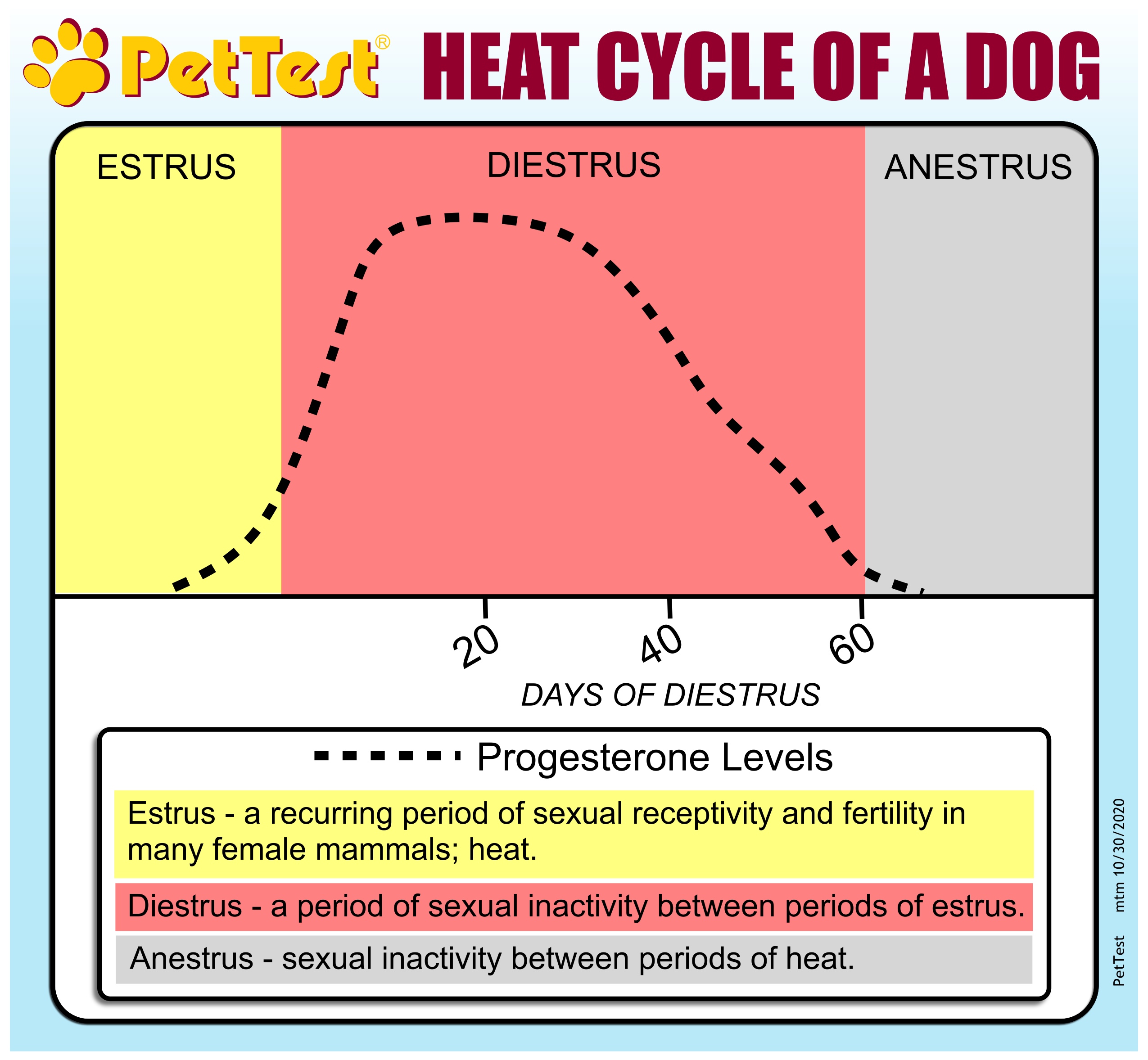
The estrus cycle, commonly referred to as being in heat, marks the period when a female canine becomes receptive to mating. Hormones such as estrogen and progesterone surge and recede, triggering profound neurological and physical changes. Observing these patterns helps differentiate typical cyclical responses from underlying medical issues that require veterinary evaluation. For more related activities, check out our How Do You Correct A Dog’S Behavior.
Defining Canine Estrus and Hormonal Influences
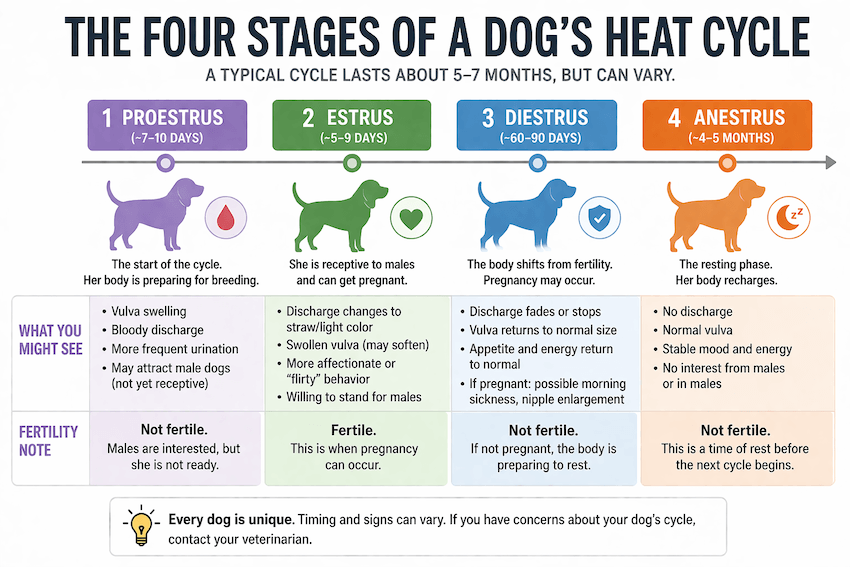
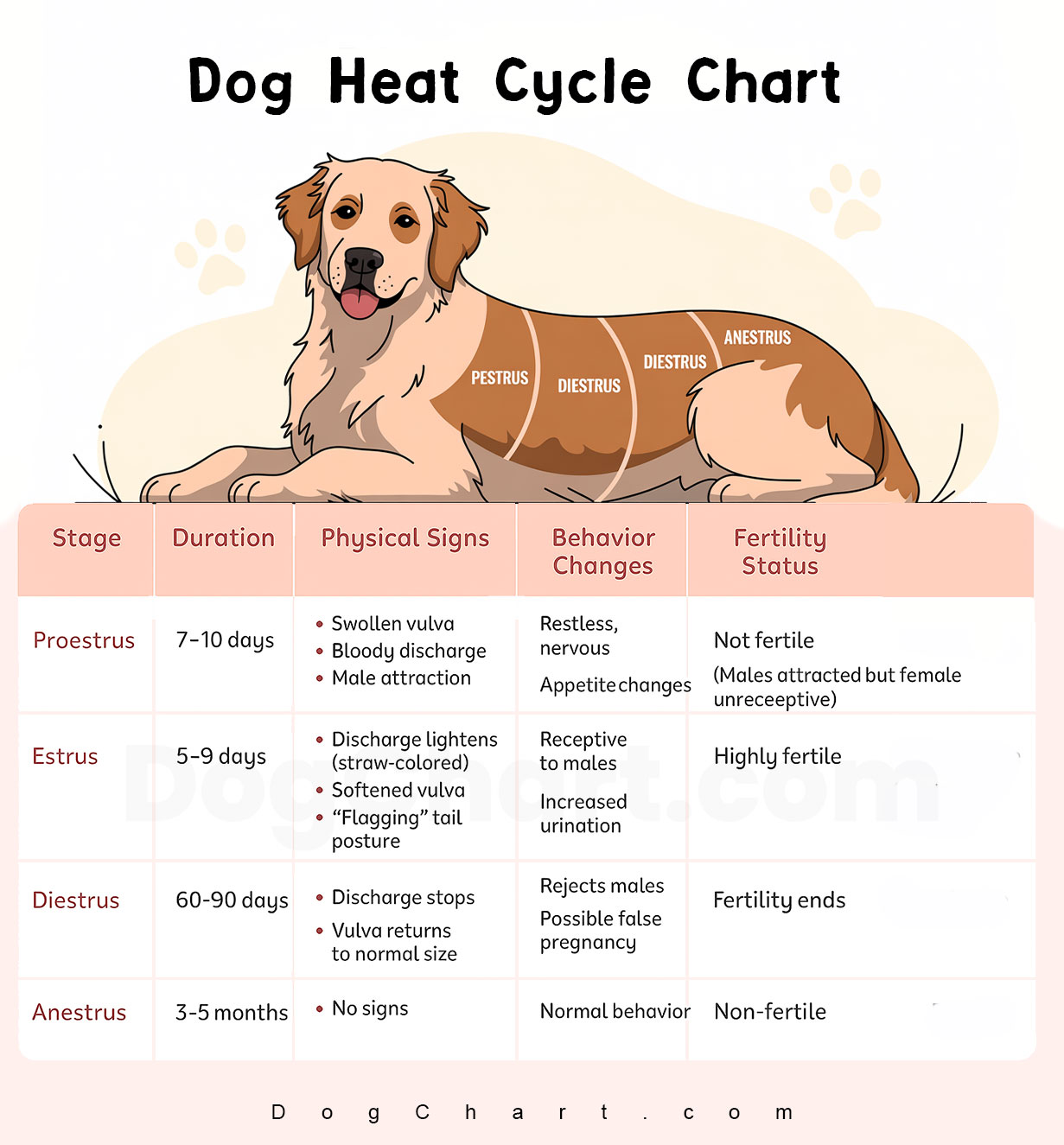
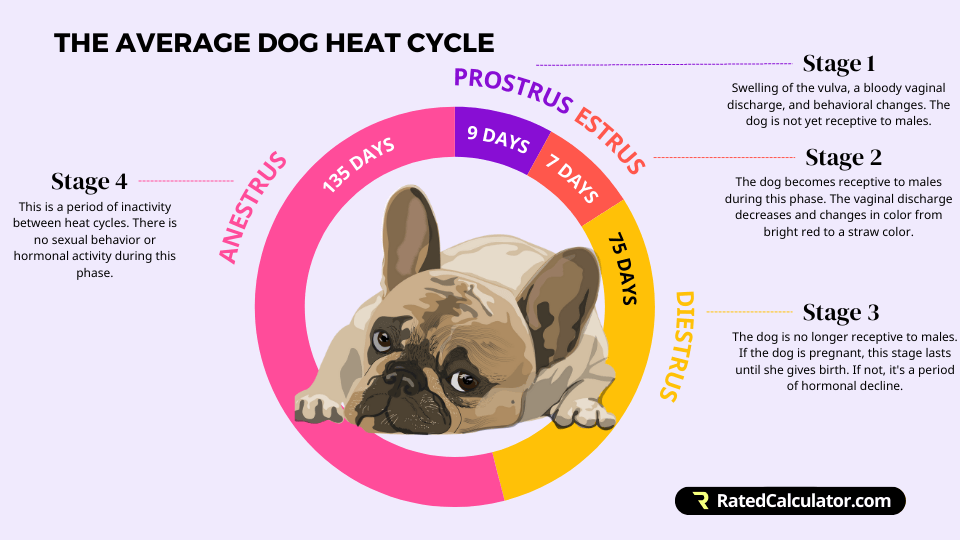
Dog behavior during heat cycle is primarily driven by rising estrogen levels during proestrus and subsequent progesterone dominance during estrus. Proestrus serves as the initial phase, lasting roughly nine days, where females attract males but remain unreceptive to breeding. During this stage, caretakers often notice swollen vulval tissue, bloody discharge, and increased scent-marking around the home or yard. Canines might become unusually clingy, seeking constant physical contact, or conversely, display sudden irritability when approached.
As the cycle progresses into true estrus, the discharge lightens in color, and the canine actively seeks out male counterparts. Behavioral manifestations peak here, characterized by flagging—deflecting the tail to one side when touched along the lower back—and restless pacing. Understanding this physiological timeline helps households prepare for the weeks ahead without resorting to punitive measures for natural instincts.
Hormonal fluctuations often lead to restlessness, altered sleep patterns, and changes in appetite that require careful environmental management. Canines experiencing estrus may vocalize more frequently, whine near doors or windows, or attempt to escape secure areas in search of roaming males. Maintaining strict indoor confinement is essential during this phase, utilizing secure fencing and leash walks exclusively.
The American Kennel Club notes that unspayed female dogs typically go through estrus cycles twice a year, though the exact frequency varies by individual breed and size. — American Kennel Club (AKC)
Introducing structured mental enrichment, such as puzzle toys and scent games indoors, helps channel restless energy safely. Caretesters should maintain familiar daily routines as much as possible, offering reassurance through calm, positive interactions without reinforcing anxious vocalizations.
Practical Strategies for Managing Estrus at Home
Effective management of a canine in heat involves a combination of hygiene protocols, physical security, and attentive supervision. Utilizing specialized canine sanitary pants can protect household furnishings from discharge, provided they are changed frequently to maintain skin health. Walks must be conducted on secure leashes in low-traffic areas, avoiding dog parks and communal canine spaces entirely to prevent unwanted approaches from intact males.
Avoiding Common Missteps and Applying Best Practices
One frequent misstep involves letting down vigilance during the final days of the cycle when bleeding subsides, mistakenly assuming the fertile window has closed. In reality, female canines remain receptive and fertile as the discharge clears, making strict supervision necessary through the complete conclusion of estrus. Another error is scolding a canine for increased vocalization or restlessness; punishment only heightens stress during an already hormonally volatile period. Instead, focus on calm reassurance and redirection.
According to the American Veterinary Medical Association, reproductive health management, including spaying, reduces the risk of serious uterine infections and certain types of tumors in female dogs. — American Veterinary Medical Association (AVMA)
Pet Care & Wellness Overview Table
| Life Stage | Daily Activity Level | Key Nutrition / Care Focus |
|---|---|---|
| Puppy / Kitten | High (frequent short bursts) | High-protein growth diet & early socialization |
| Adult Companion | Moderate (30–60 mins daily) | Balanced maintenance nutrition & dental hygiene |
| Senior Pets | Low to Gentle (mindful walks) | Joint support (Glucosamine) & routine vet checks |
Images References




Creating a quiet, comfortable resting area away from household commotion gives the animal a secure retreat when sensory overload occurs. Regular grooming and careful inspection of the skin around the hindquarters ensure comfort and prevent secondary irritation from moisture.
Breed, Age, and Temperament Variations
The intensity and presentation of estrus behaviors vary considerably depending on a canine’s breed heritage, age, and individual temperament. Working and herding breeds often display heightened pacing and high-energy restlessness due to their inherent drive and sensitivity to environmental stimuli. Conversely, guardian or primitive breeds might show increased protectiveness or territorial guarding of their resting spaces.
Younger canines undergoing their first cycle frequently exhibit confusion and disorientation as they experience hormonal shifts for the first time. Older females, while more accustomed to the pattern, may experience physical fatigue or joint stiffness that makes the active phases more challenging, requiring additional comfort measures.
When Professional Veterinary Guidance Becomes Necessary
Consulting a veterinarian is essential if behavioral changes become extreme, or if physical symptoms suggest complications such as pyometra, a severe and life-threatening uterine infection. Warning signs requiring prompt professional attention include lethargy, loss of appetite, vomiting, excessive abdominal swelling, or foul-smelling discharge. For persistent behavioral distress or extreme anxiety related to hormonal cycles, discussing long-term reproductive planning or behavioral support with a qualified professional is recommended.
Supporting Canine Well-Being Through Life Stages
Navigating the complexities of canine estrus requires consistent attention, empathy, and proactive management from dedicated households. By understanding the physiological drivers behind these temporary shifts, families can ensure a safe and comfortable environment for their animal companions. Explore further resources on Dog Behavior, proper Dog Care, and proactive Dog Health guidance available at PetsAnimalsWorld.com.




