

Understanding the Language of Canine Conduct
Interpreting canine actions requires moving beyond anthropomorphism, which is the tendency to attribute human emotions and motivations to non-human animals. Understanding specific dog behavior names—the descriptive terminology used by professionals to categorize physical actions and vocalizations—is essential for fostering a safe, harmonious environment. According to the American Society for the Prevention of Cruelty to Animals (ASPCA), observing body language is the most reliable way to understand a dog’s internal state, as these signals provide a window into the animal’s intentions and comfort levels. By learning to identify these behavioral labels, owners can transition from guessing at a pet’s needs to responding with informed, compassionate care that respects the unique way dogs communicate.
💡 Pet Care Key Takeaways:
- Core Focus: Practical health, nutrition, and wellness guidelines for Dog Behavior Names.
- Target Scope: Pet owners, animal caregivers, and veterinary support staff.
- Best Recommendation: Maintain consistent daily routines and consult an accredited veterinarian before introducing major diet or medical changes.
Defining Common Dog Behavior Names
Dog behavior names are standardized terms used by experts in dog behavior to classify repetitive, instinctive, or learned responses to environmental stimuli. These names serve as a shorthand for complex physical sequences; for instance, “displacement behaviors” refer to actions like yawning, lip licking, or sniffing the ground when a dog feels conflicted or stressed. Another common term is “appeasement signals,” which are small, non-threatening gestures designed to de-escalate tension, such as looking away or turning the body to the side. By utilizing these precise labels, owners can better distinguish between play-based actions, such as the “play bow” (lowering the front end while keeping the hindquarters elevated), and defensive responses that might indicate a need for more space or comfort.
The Impact of Behavioral Awareness on Well-being
Recognizing the nuances of canine actions directly influences a dog’s long-term dog health and psychological stability. When owners correctly identify behaviors like “resource guarding”—the act of protecting valuable items such as food or toys—they can implement management strategies that prevent the behavior from escalating into aggression. Misinterpreting these signals often leads to frustration for both the owner and the dog, potentially damaging the bond. Conversely, a proactive approach to understanding behavioral cues allows for early intervention, ensuring that minor stressors are addressed before they manifest as chronic anxiety or behavioral disorders. Consistent, positive reinforcement based on accurate observation helps maintain a balanced emotional state for the animal.
The American Veterinary Medical Association (AVMA) notes that the most common cause of dog bites is the failure to recognize early warning signs of distress, which are often subtle and easily overlooked by humans. — AVMA
Managing Canine Behavior Through Positive Reinforcement
Addressing specific behavioral patterns requires a foundation of patience and evidence-based dog training methods. The most effective way to modify behavior is to reward desirable actions while removing the reinforcement for unwanted ones. For example, if a dog displays “attention-seeking behavior,” such as jumping or excessive barking, the most effective strategy is often the complete withdrawal of attention, as even negative feedback can inadvertently reinforce the action. Instead, rewarding the dog for calm, “four-on-the-floor” behavior encourages the repetition of the desired state. This approach relies on the principle of operant conditioning, where the consequences of an action dictate the likelihood of that action being repeated in the future.
Best Practices for Behavioral Observation
Successful behavioral management hinges on consistency and the avoidance of punitive measures, which can create fear and unpredictability. One major mistake owners make is attempting to punish a dog for “growling,” which is a vital communication tool. Suppressing a warning growl may lead a dog to skip the warning stage entirely in the future, resulting in a bite with no prior notice. Instead, viewing the growl as an important piece of information allows the owner to remove the trigger or change the environment to help the dog feel secure. Always prioritize safety and environmental control over attempts to forcefully “fix” a behavior that is essentially a natural, albeit inconvenient, response to stress or excitement.
Positive reinforcement training is widely endorsed by the American Kennel Club (AKC) as the most effective and humane method for teaching new skills and managing behavioral concerns in dogs of all ages. — AKC
Pet Care & Wellness Overview Table
| Life Stage | Daily Activity Level | Key Nutrition / Care Focus |
|---|---|---|
| Puppy / Kitten | High (frequent short bursts) | High-protein growth diet & early socialization |
| Adult Companion | Moderate (30–60 mins daily) | Balanced maintenance nutrition & dental hygiene |
| Senior Pets | Low to Gentle (mindful walks) | Joint support (Glucosamine) & routine vet checks |
Images References


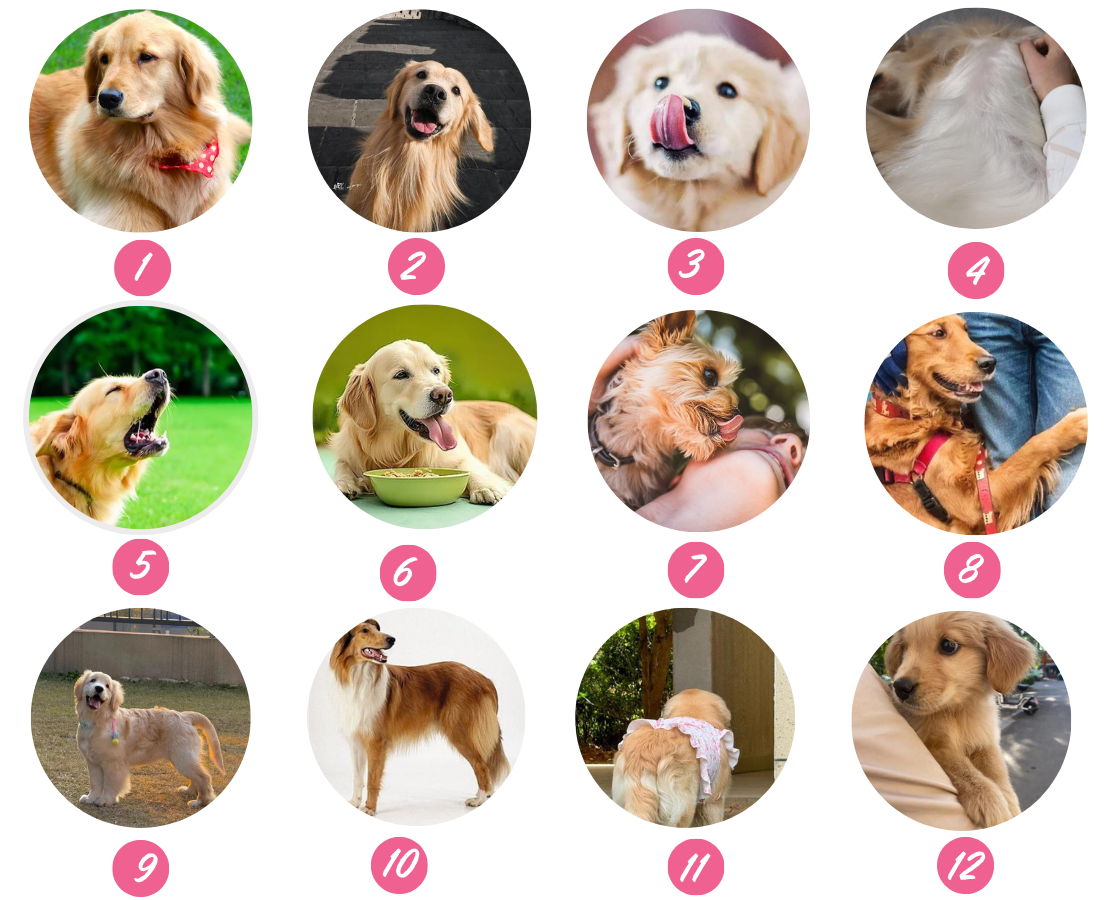
Breed, Age, and Individual Considerations
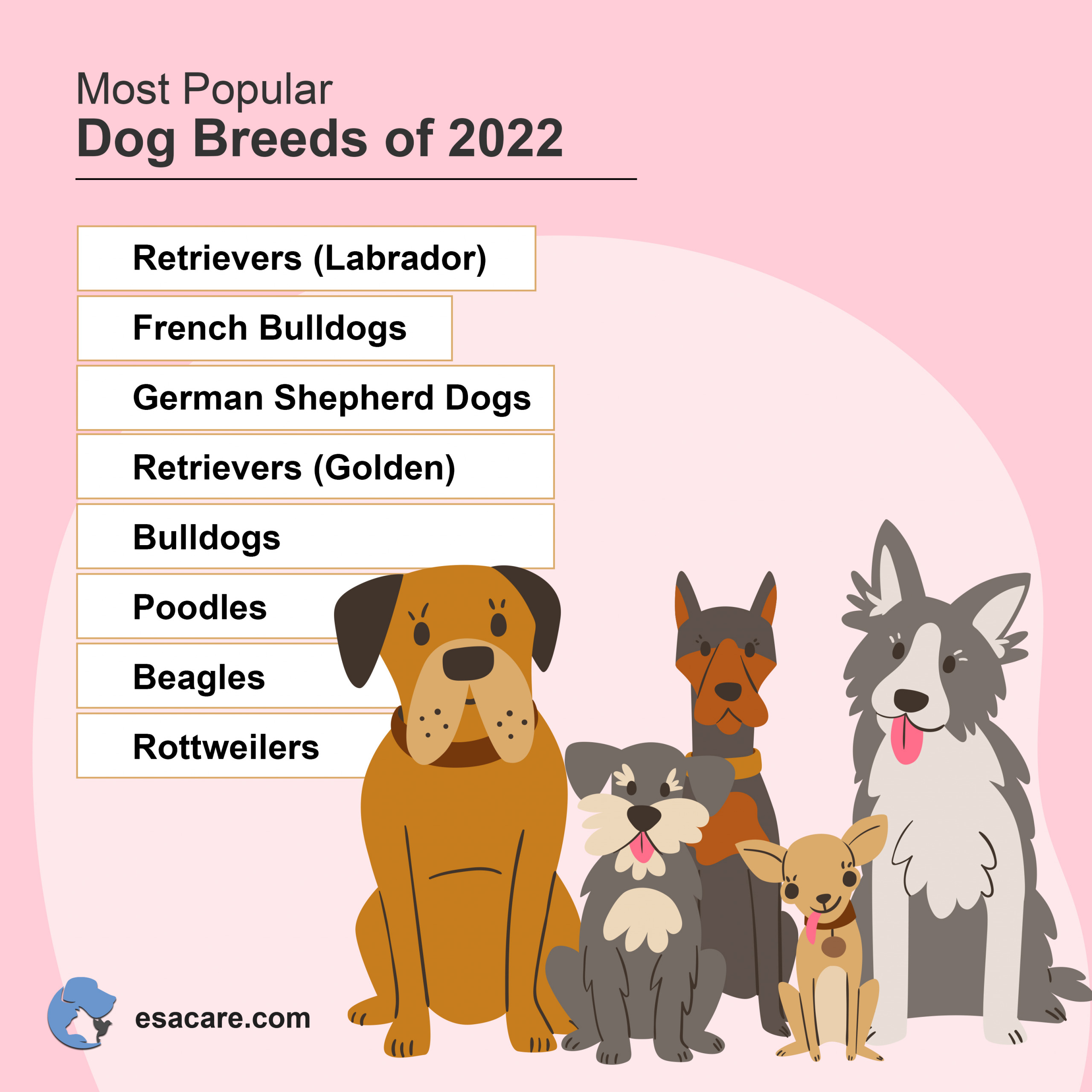
While all dogs share a common language of body signals, individual history and genetic predispositions, often discussed within the context of specific dog breeds, play a significant role in behavior. A herding breed may naturally exhibit “stalking” or “nipping” behaviors, while a scent hound might become entirely unresponsive to commands when tracking an interesting odor. Age is another critical factor; puppies require extensive socialization to learn appropriate behavioral boundaries, while senior dogs may exhibit changes in behavior due to cognitive decline or physical discomfort. Recognizing that a behavior may be breed-typical or age-related helps owners set realistic expectations and tailor their dog care routines accordingly.
When to Consult a Veterinary Professional
Persistent, sudden, or severe changes in behavior always warrant a consultation with a veterinarian to rule out underlying medical issues. Pain, thyroid imbalances, and neurological conditions can manifest as behavioral changes, such as increased irritability, house-soiling, or sudden aggression. If a dog displays dangerous behaviors, such as biting or lunging, or if the behavior significantly interferes with the quality of life, seek the assistance of a board-certified veterinary behaviorist or a certified professional dog trainer. These experts possess the specialized training necessary to conduct a thorough assessment and develop a safe, structured modification plan that prioritizes the welfare of the animal.
Resources for Continued Learning
Developing a deep understanding of canine communication is a lifelong process that significantly enriches the experience of living with a pet. By remaining observant and committed to humane, science-based care, owners can navigate the complexities of dog behavior with confidence. For further guidance on interpreting signals, managing common challenges, and providing the best life for a canine companion, explore the extensive resources available at PetsAnimalsWorld.com. Whether focusing on training, health, or general care, the commitment to learning the language of dogs is the most valuable investment an owner can make.




