
Interpreting Canine Reactions to Human Illness
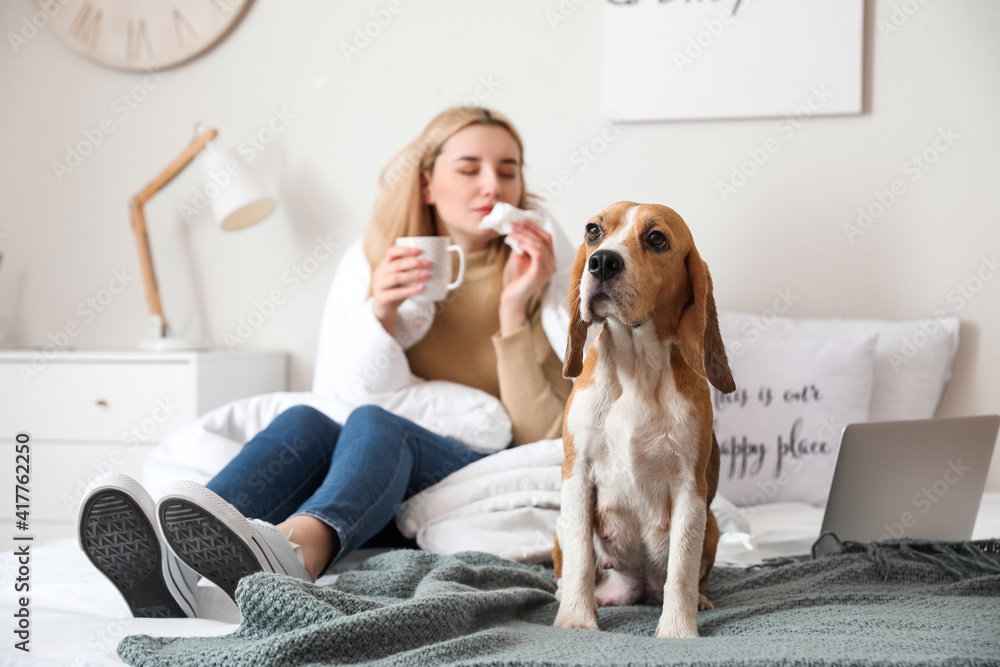
Understanding dog behavior when owner is sick requires recognizing that domestic canines possess an extraordinary capacity to observe subtle shifts in human routines, vocal tones, and scent profiles. According to American Veterinary Medical Association observations regarding the human-animal bond, companion animals frequently monitor household dynamics and respond to environmental changes with notable sensitivity. When an owner falls ill, the household atmosphere shifts instantly, prompting corresponding adjustments in canine conduct. Observing these changes helps maintain strong mutual trust and ensures the companion animal feels secure during periods of household disruption.
💡 Pet Care Key Takeaways:
- Core Focus: Practical health, nutrition, and wellness guidelines for Dog Behavior When Owner Is Sick.
- Target Scope: Pet owners, animal caregivers, and veterinary support staff.
- Best Recommendation: Maintain consistent daily routines and consult an accredited veterinarian before introducing major diet or medical changes.
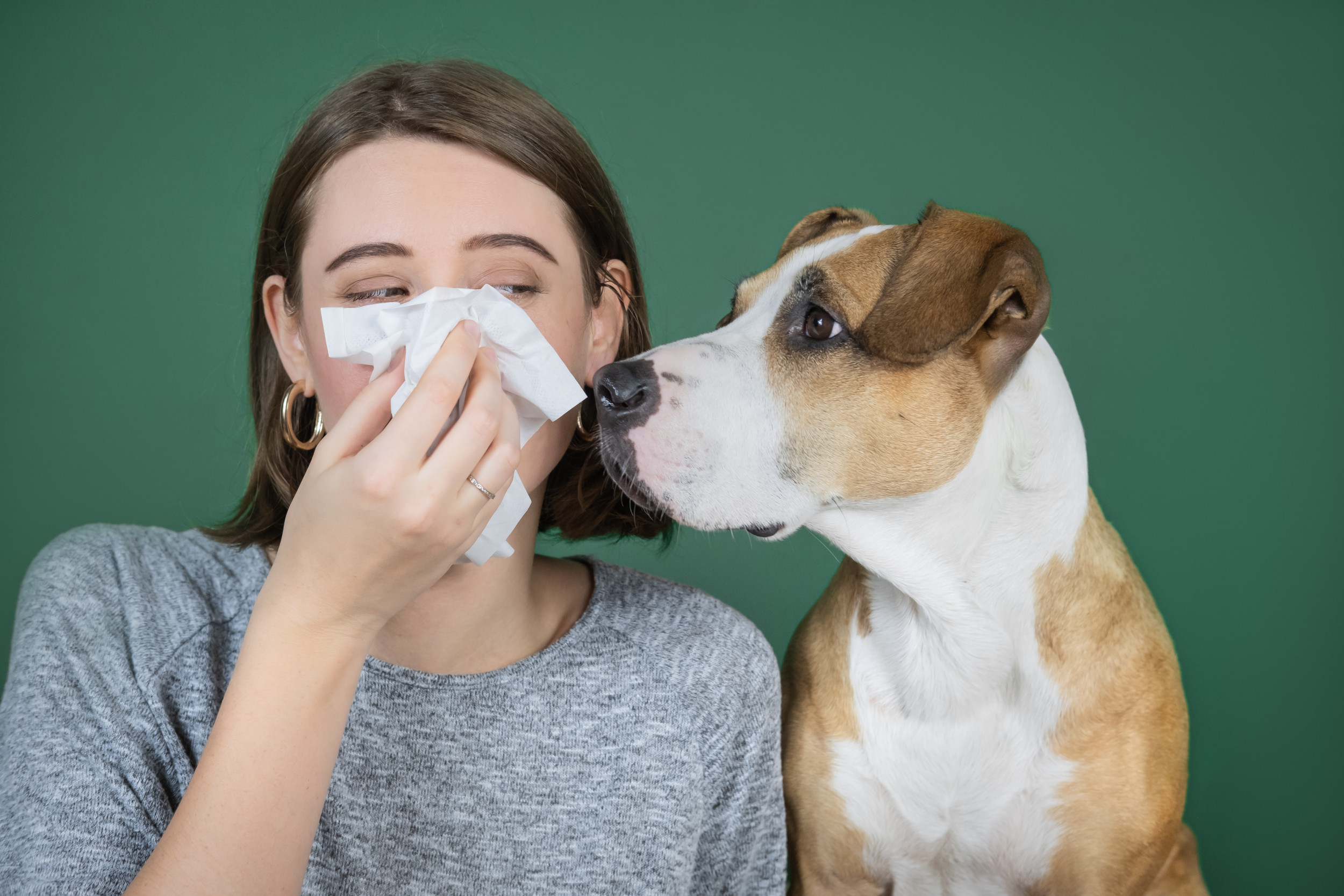
Canines rely heavily on olfactory and visual cues to interpret daily life. A fever, flu, or chronic medical flare-up alters human body chemistry, releasing distinct volatile organic compounds through sweat and breath that keen canine noses detect effortlessly. Alongside chemical changes, modifications in posture, decreased activity levels, and altered vocalizations send clear signals that something is amiss. Rather than processing illness through abstract medical concepts, dogs perceive these anomalies as a disruption in the familiar social structure, triggering various instinctive responses ranging from hyper-vigilance to sympathetic lethargy. For more related activities, check out our Dog Unpredictable Behavior.
Decoding Shifts in Canine Conduct During Human Ailments
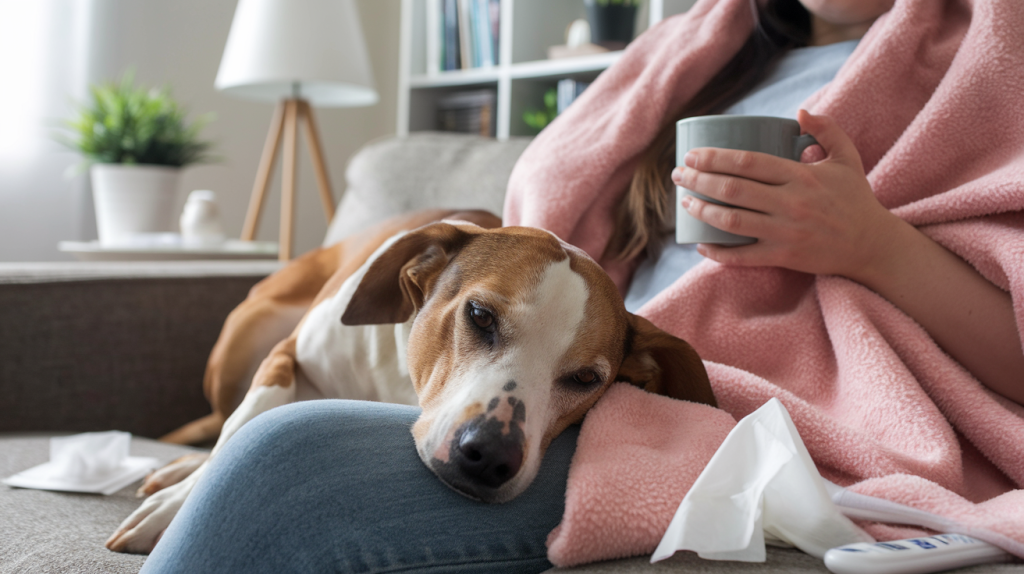
Changes in dog behavior when owner is sick typically manifest as either increased clinginess or defensive standoffishness, depending on individual temperament and past socialization. Clingy actions involve persistent shadowing, resting chins directly on the bed, or placing a paw over the human’s arm to maintain continuous physical contact. Conversely, some individuals retreat or show hesitation, reacting to the unusual smells and quiet environment with cautious withdrawal. Both extremes represent normal communicative efforts to process a disrupted routine and seek reassurance from the primary caregiver.
Another common manifestation involves resting near the bed or doorway for extended periods, effectively guarding the resting human. Olfactory acuity allows animals to detect minute physiological variations long before clinical diagnoses are confirmed by medical professionals. This heightened sensory awareness explains why a faithful companion might refuse to leave the side of a recovering person, occasionally whimpering softly or displaying mild anxiety when the human attempts to move or sleep.
Emotional and Physical Ramifications for the Household Pet
Prolonged human illness can inadvertently introduce stress, anxiety, or boredom for a resident dog due to sudden exercise deficits and irregular feeding schedules. When daily walks cease and indoor playtime dwindles, emotional tension may accumulate, leading to destructive chewing, indoor elimination accidents, or excessive vocalization. Recognizing these secondary impacts ensures that physical care keeps pace with emotional support, preventing minor household adjustments from escalating into entrenched behavioral challenges.
Companion animals often display measurable stress responses, including increased cortisol levels and changes in resting heart rate, when primary human caregivers experience prolonged illness or high anxiety. — American Kennel Club
Furthermore, empathetic animals may mirror human lethargy, refusing meals or sleeping significantly more than usual. While mild drops in activity during a caregiver’s illness are common, prolonged reluctance to eat or play warrants closer attention to ensure the animal remains physically healthy amidst the household disruption.
Managing Canine Needs While Recovering at Home
Managing dog behavior when owner is sick involves establishing predictable indoor routines and engaging trusted friends or professional pet care providers to handle exercise demands. Enlisting secondary family members or neighbors for regular walks maintains essential physical activity without overwhelming the recovering owner. Mental stimulation tools, such as puzzle toys packed with approved treats or snuffle mats, provide constructive outlets for energy while confinement indoors continues.
Maintaining calm, reassuring communication reinforces emotional stability for the animal. Providing a designated, comfortable resting space near the recovering human, yet outside heavy traffic zones, allows the animal to feel included without overwhelming the healing environment. Consistent feeding times and simple indoor training games help preserve a sense of normalcy.
Best Practices and Common Pitfalls During Recovery
Caregivers should avoid unintentionally reinforcing anxious behavior by offering excessive, frantic attention whenever the animal whines or paces nervously. Providing calm, quiet reassurance during neutral moments promotes emotional balance rather than rewarding high-stress states. Additionally, ignoring basic exercise requirements altogether risks building up frustration that surfaces later as undesirable habits.
Another frequent misstep involves leaving unmanaged medication or toxic human foods unattended on bedside tables where a curious companion might reach them. Strict vigilance regarding household safety remains paramount during periods of human fatigue or brain fog. Utilizing secure storage containers for all pharmaceuticals and discarding waste promptly protects inquisitive animals from accidental poisonings.
Ingestion of common over-the-counter pain relievers and cold medications represents a leading cause of accidental household toxicity in domestic dogs. — American Society for the Prevention of Cruelty to Animals
Pet Care & Wellness Overview Table
| Life Stage | Daily Activity Level | Key Nutrition / Care Focus |
|---|---|---|
| Puppy / Kitten | High (frequent short bursts) | High-protein growth diet & early socialization |
| Adult Companion | Moderate (30–60 mins daily) | Balanced maintenance nutrition & dental hygiene |
| Senior Pets | Low to Gentle (mindful walks) | Joint support (Glucosamine) & routine vet checks |
Images References



Age, Breed, and Temperament Influences on Illness Responses
Individual reactions to human illness vary significantly based on breed heritage, developmental stage, and innate personality traits. Working and herding backgrounds often intensify protective shadowing behaviors, whereas independent guardian types might maintain a watchful distance from across the room. Senior animals may struggle with joint stiffness if kept confined near a stationary bed for days, requiring gentle bedding adjustments and modified resting arrangements to support physical comfort.
Puppies and adolescent dogs typically display more disruptive energy when human routines stall, requiring structured enrichment to channel restless impulses constructively. Understanding these individual differences helps owners tailor their management strategies, ensuring that distinct age and breed requirements receive proper consideration even when human caregivers feel unwell.
When to Consult a Veterinarian or Professional Trainer
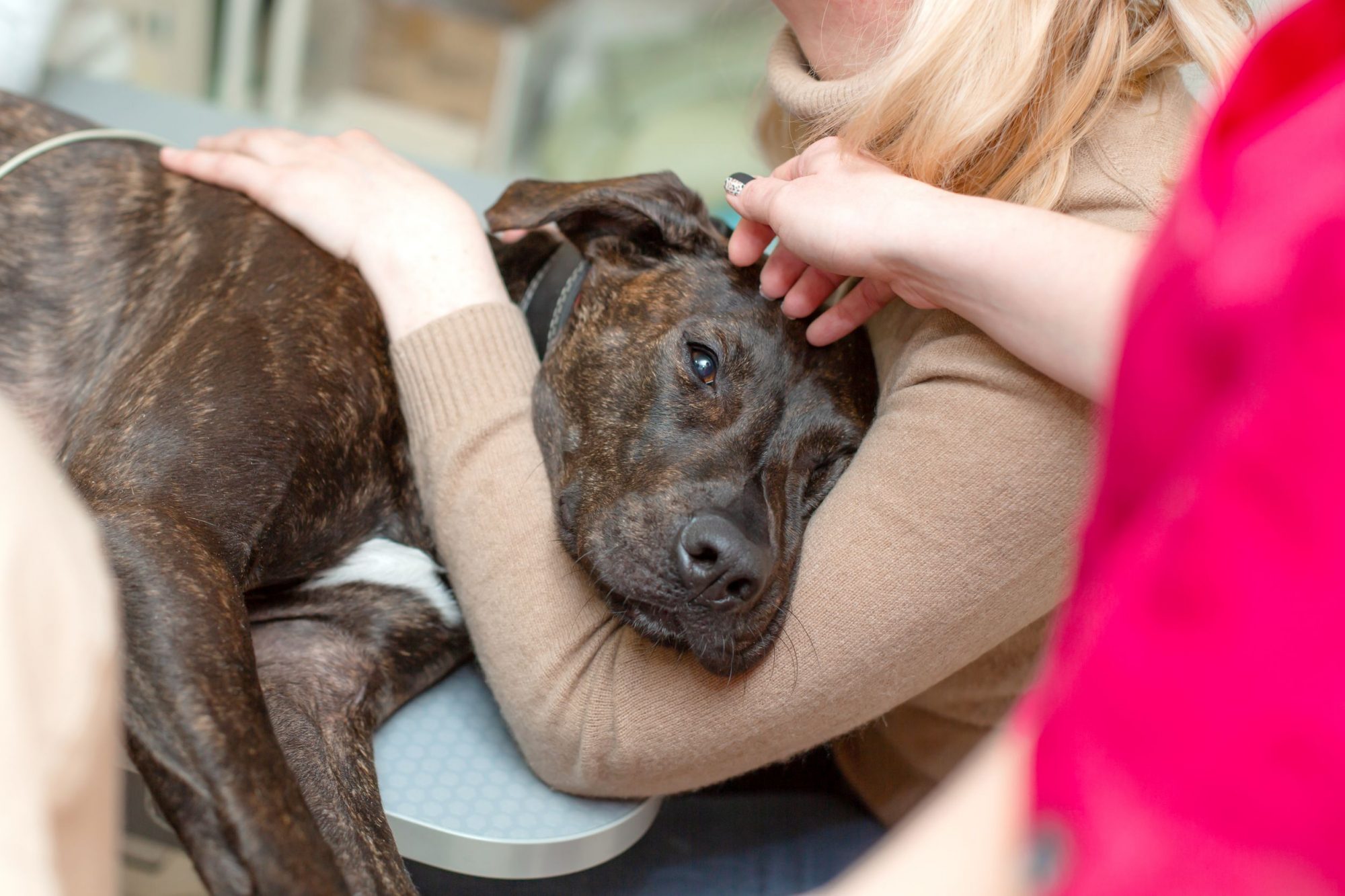
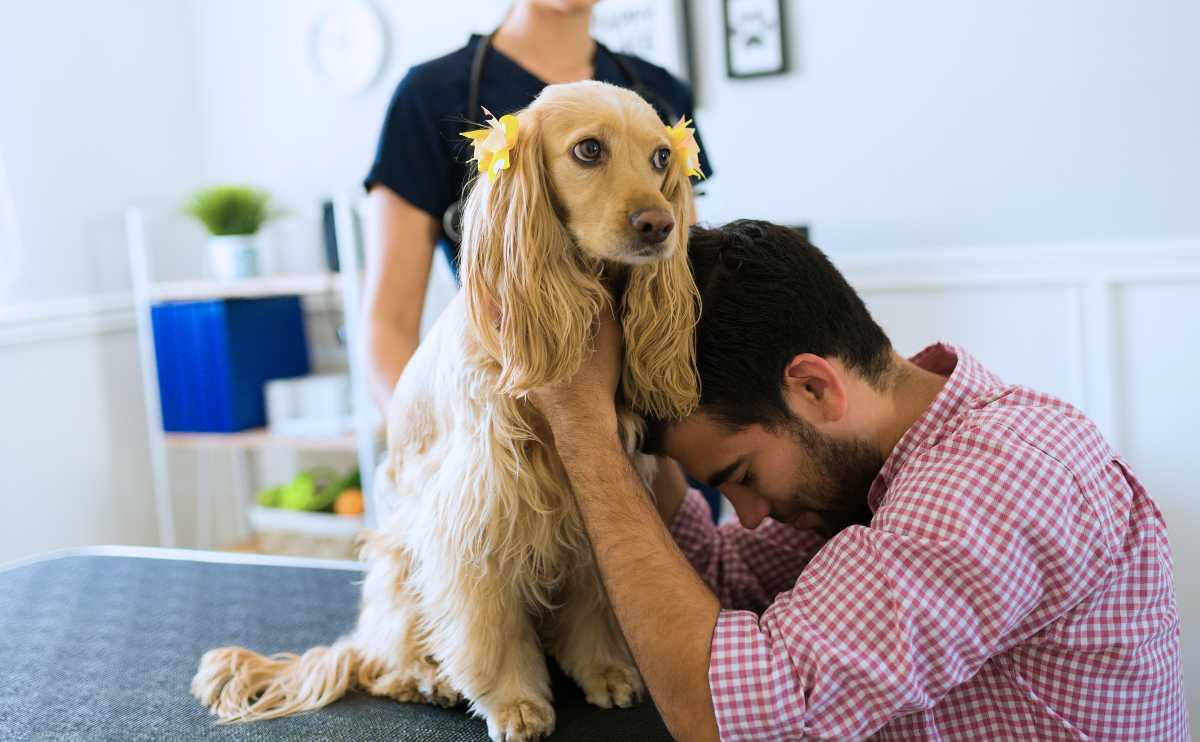
Severe changes in demeanor, persistent aggression, complete refusal to eat, or signs of self-harm require prompt professional evaluation. If a companion animal displays extreme destructive panic, relentless vocalization, or uncharacteristic snapping when approached during a period of human illness, consult a qualified veterinary behaviorist or a certified dog trainer who utilizes positive, force-free methods. For sudden physical lethargy, vomiting, or suspected toxin ingestion involving discarded human remedies, contact a licensed veterinarian immediately to secure appropriate clinical guidance.
Supporting Canine Well-Being Through Life’s Disruptions
Navigating canine reactions to human illness highlights the profound emotional bridge connecting humans and animals within the shared household environment. By balancing compassionate understanding of animal intuition with practical management of daily care routines, owners protect both their own recovery and their animal’s emotional stability. Exploring additional resources through Dog Behavior, Dog Care, and Dog Health expands knowledge on fostering harmonious, resilient relationships with household companions. Visit PetsAnimalsWorld.com for further guidance on responsible animal stewardship.




