

Decoding Subtle Physical and Emotional Shifts in Canine Wellness
According to the American Veterinary Medical Association, recognizing early signs of illness through subtle behavioral shifts is critical for maintaining long-term canine health and ensuring timely veterinary intervention. Canines often mask physical discomfort as a natural survival instinct inherited from wild ancestors, making standard daily routines the primary baseline for detecting health issues. When a domestic companion begins to feel unwell, the underlying physiological distress invariably alters everyday actions, ranging from minor posture adjustments to major disruptions in rest cycles. Observing these nuanced changes allows household caregivers to act before mild ailments escalate into severe medical emergencies.
💡 Pet Care Key Takeaways:
- Core Focus: Practical health, nutrition, and wellness guidelines for Dog Behavior When Sick.
- Target Scope: Pet owners, animal caregivers, and veterinary support staff.
- Best Recommendation: Maintain consistent daily routines and consult an accredited veterinarian before introducing major diet or medical changes.
Interpreting Meaningful Alterations in Daily Canine Habits
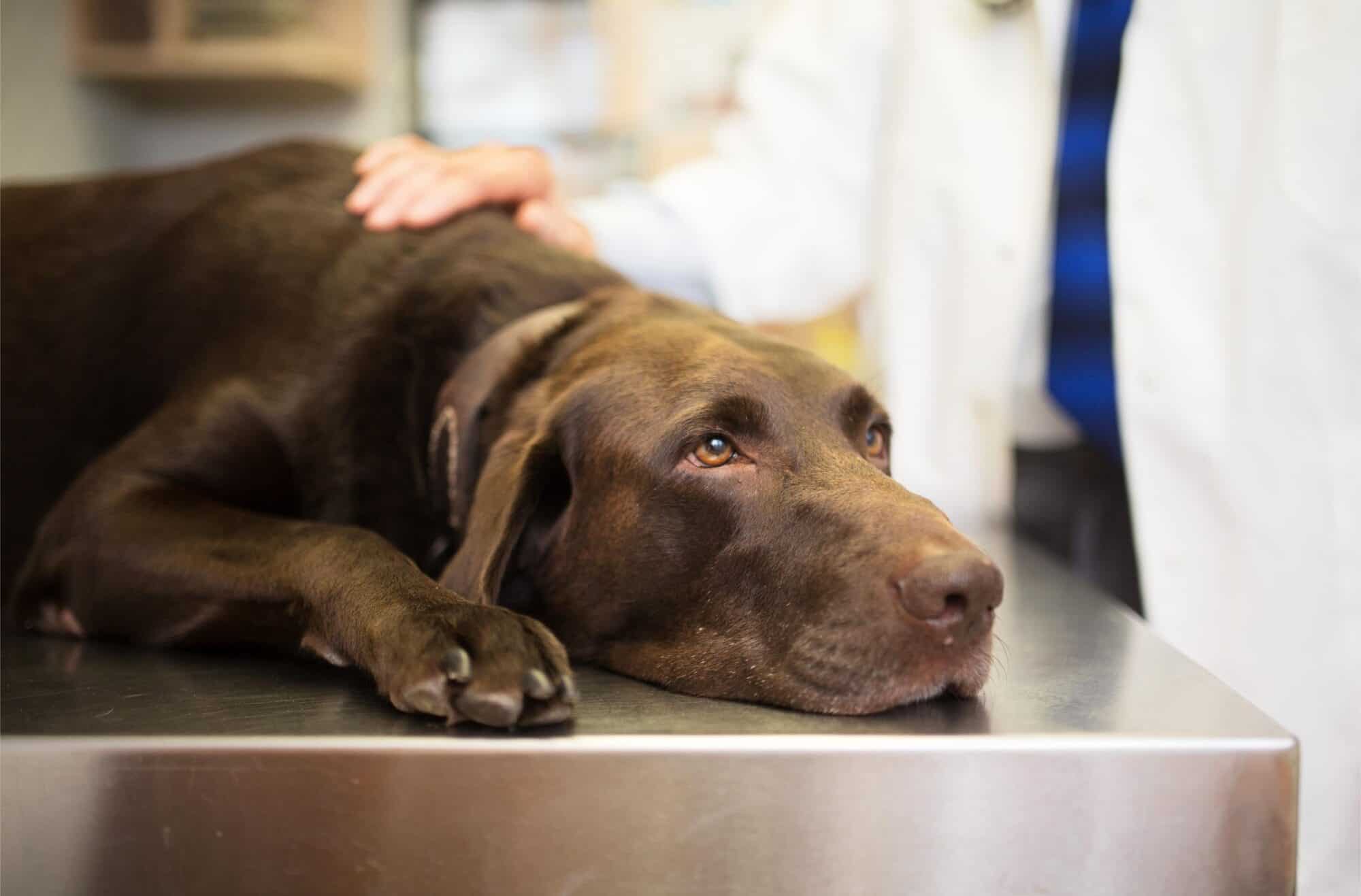
Recognizing dog behavior when sick involves identifying departures from established routines, such as sudden lethargy, altered vocalization, or unexpected withdrawal from family interaction. Lethargy is a generalized indicator of underlying pathology, characterized by reluctance to rise, diminished enthusiasm for walks, and prolonged resting periods that exceed normal sleep requirements. Conversely, restlessness, trembling, or panting without physical exertion often signal acute pain, nausea, or systemic inflammation. Furthermore, changes in appetite—ranging from complete anorexia to selective refusal of normally favored foods—serve as key physiological indicators that digestive, metabolic, or systemic disease processes are actively disrupting internal homeostasis.
Assessing the Broad Impacts on Physical Health and Emotional Well-Being
Unaddressed illness creates a cascade of physiological and emotional stress that compromises immune function and accelerates the progression of underlying diseases. When systemic illness alters endocrine balance and neurological function, dogs frequently exhibit behavioral changes such as increased irritability, defensive aggression when touched near a painful area, or abnormal clinginess. These emotional shifts stem directly from vulnerability and discomfort rather than behavioral disobedience. Maintaining meticulous records of these behavioral fluctuations provides invaluable diagnostic clues during clinical evaluations Dog Health professionals conduct.
Systemic infections and metabolic disorders frequently manifest first through behavioral deviations rather than localized physical symptoms — American Veterinary Medical Association
Implementing Supportive Care and Safe Observation Protocols
Managing a sick animal requires establishing a calm, quiet, and temperature-controlled resting environment that minimizes environmental stressors and promotes physiological recovery. Caregivers must monitor vital signs, track water intake, and record the frequency and consistency of elimination habits without resorting to unverified home remedies or human medications. Because many household substances and over-the-counter drugs are toxic to canines, administering any unauthorized therapeutic substance can cause catastrophic organ damage. Providing fresh water in easily accessible bowls and offering highly digestible nutritional formulas recommended by veterinary professionals support recovery while awaiting clinical guidance.
Essential Best Practices and Critical Safety Precautions During Illness
Prioritizing safety means avoiding punitive measures when a sick animal exhibits uncharacteristic house-soiling, irritability, or reluctance to obey known cues. A common mistake involves assuming that minor behavioral changes will resolve spontaneously without professional input, which can allow progressive conditions to worsen unchecked. Caregivers should maintain strict observation logs detailing the exact onset, duration, and frequency of symptoms, including vomiting, diarrhea, lethargy, or behavioral withdrawal. This detailed documentation ensures that attending clinicians receive accurate historical data necessary for formulating an effective diagnostic and therapeutic plan.
Early identification of abnormal behavioral patterns significantly improves clinical outcomes across a broad spectrum of infectious and chronic diseases — American Animal Hospital Association
Pet Care & Wellness Overview Table
| Life Stage | Daily Activity Level | Key Nutrition / Care Focus |
|---|---|---|
| Puppy / Kitten | High (frequent short bursts) | High-protein growth diet & early socialization |
| Adult Companion | Moderate (30–60 mins daily) | Balanced maintenance nutrition & dental hygiene |
| Senior Pets | Low to Gentle (mindful walks) | Joint support (Glucosamine) & routine vet checks |
Images References






Accounting for Individual Breed Traits, Age, and Temperament
Evaluating canine wellness requires understanding that individual breed characteristics, age brackets, and temperaments heavily influence how illness is expressed and perceived. Stoic working or guarding breeds often conceal pain and illness far longer than sensitive companion breeds, requiring exceptionally keen observation from caregivers. Senior dogs may experience cognitive decline or age-related joint degeneration that mimics or masks acute systemic illness, complicating behavioral assessments. Exploring broader resources on Dog Behavior and specific traits outlined in literature regarding various Dog Breeds helps caregivers establish realistic baselines tailored to specific physiological profiles.
Determining When Immediate Professional Intervention Becomes Necessary
Immediate veterinary evaluation is required whenever a dog exhibits signs of severe respiratory distress, acute trauma, persistent vomiting, suspected poisoning, sudden collapse, or seizures. Waiting to see if these critical symptoms resolve independently introduces life-threatening risks, as rapid clinical deterioration can occur within hours. Even when symptoms appear subtle or non-emergency, persistent behavioral shifts lasting longer than twenty-four to forty-റിന്റെ eight hours warrant a comprehensive physical examination by a licensed veterinarian. Professional assessment ensures that underlying pathologies are diagnosed accurately using advanced diagnostics rather than guesswork.
Conclusion and Additional Resources on Canine Wellness
Interpreting canine behavior during illness bridges the gap between everyday observation and effective clinical intervention, safeguarding the long-term well-being of animal companions. By remaining attentive to subtle shifts in routine, physical posture, and emotional engagement, caregivers foster a safer environment for recovery. To expand knowledge on daily maintenance, review educational materials available across Dog Care and related topics at PetsAnimalsWorld.com to ensure comprehensive, informed support for every stage of a dog’s life.




