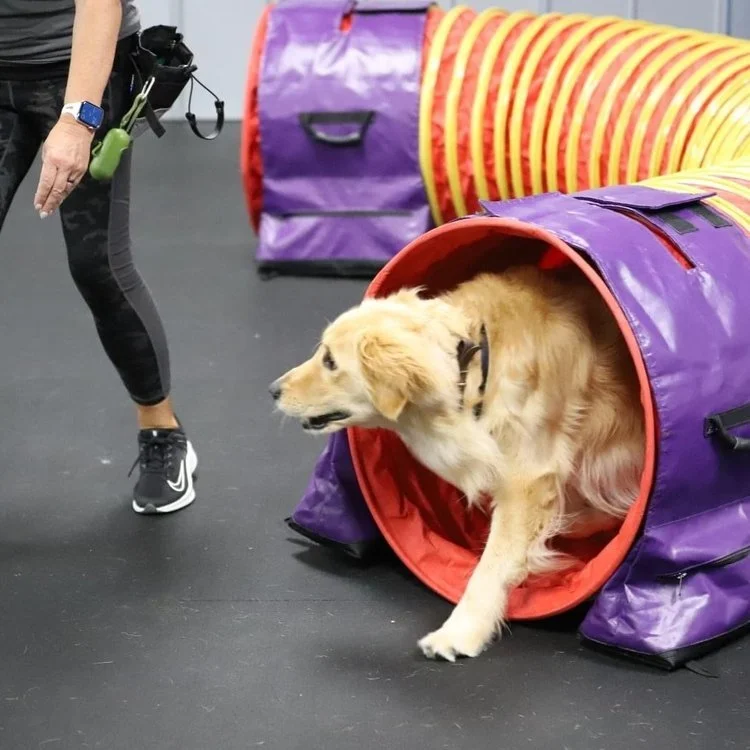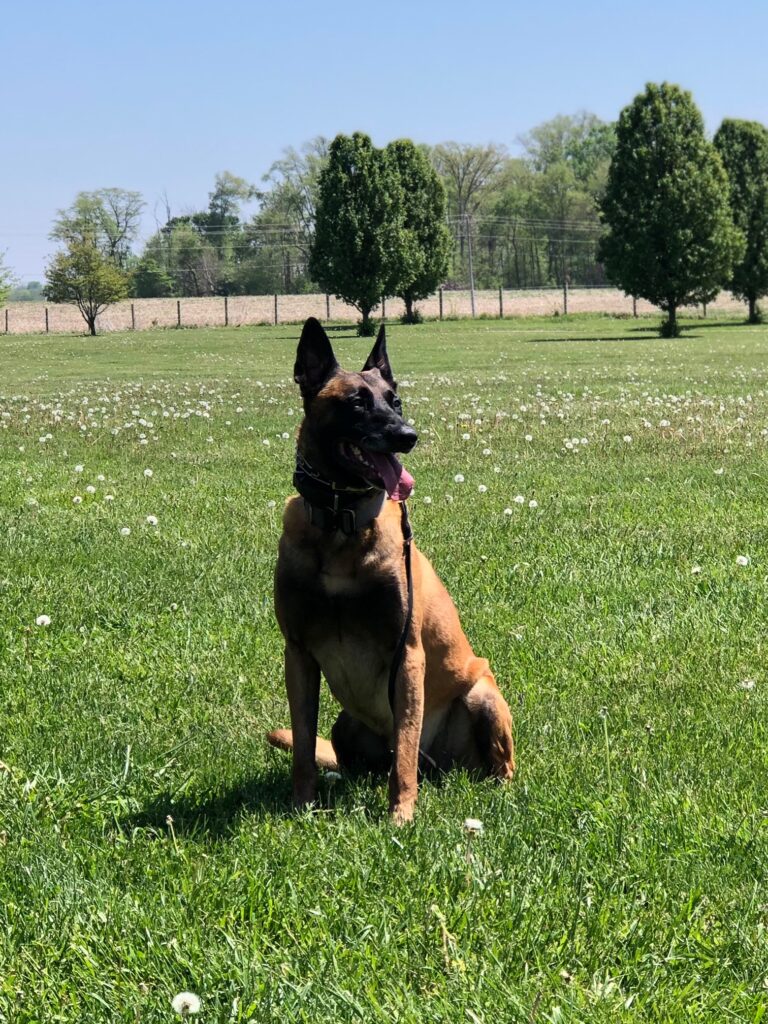
Understanding the Importance of Dog Training Zionsville for Local Canines
Establishing clear communication between humans and canines remains a foundational element of responsible pet ownership, particularly within vibrant communities like Zionsville, Indiana. According to the American Veterinary Medical Association, behavioral issues represent a primary reason companion animals are relinquished to shelters, making proactive education essential. When canine companions understand expectations, household harmony increases significantly. Local dog owners often seek structured guidance to navigate daily challenges, ranging from polite leash walking along neighborhood sidewalks to greeting unfamiliar visitors without excessive jumping. Investing time into structured learning strengthens the bond between owner and animal while ensuring community safety.
💡 Pet Care Key Takeaways:
- Core Focus: Practical health, nutrition, and wellness guidelines for Dog Training Zionsville.
- Target Scope: Pet owners, animal caregivers, and veterinary support staff.
- Best Recommendation: Maintain consistent daily routines and consult an accredited veterinarian before introducing major diet or medical changes.
Defining Structured Canine Education and Methods
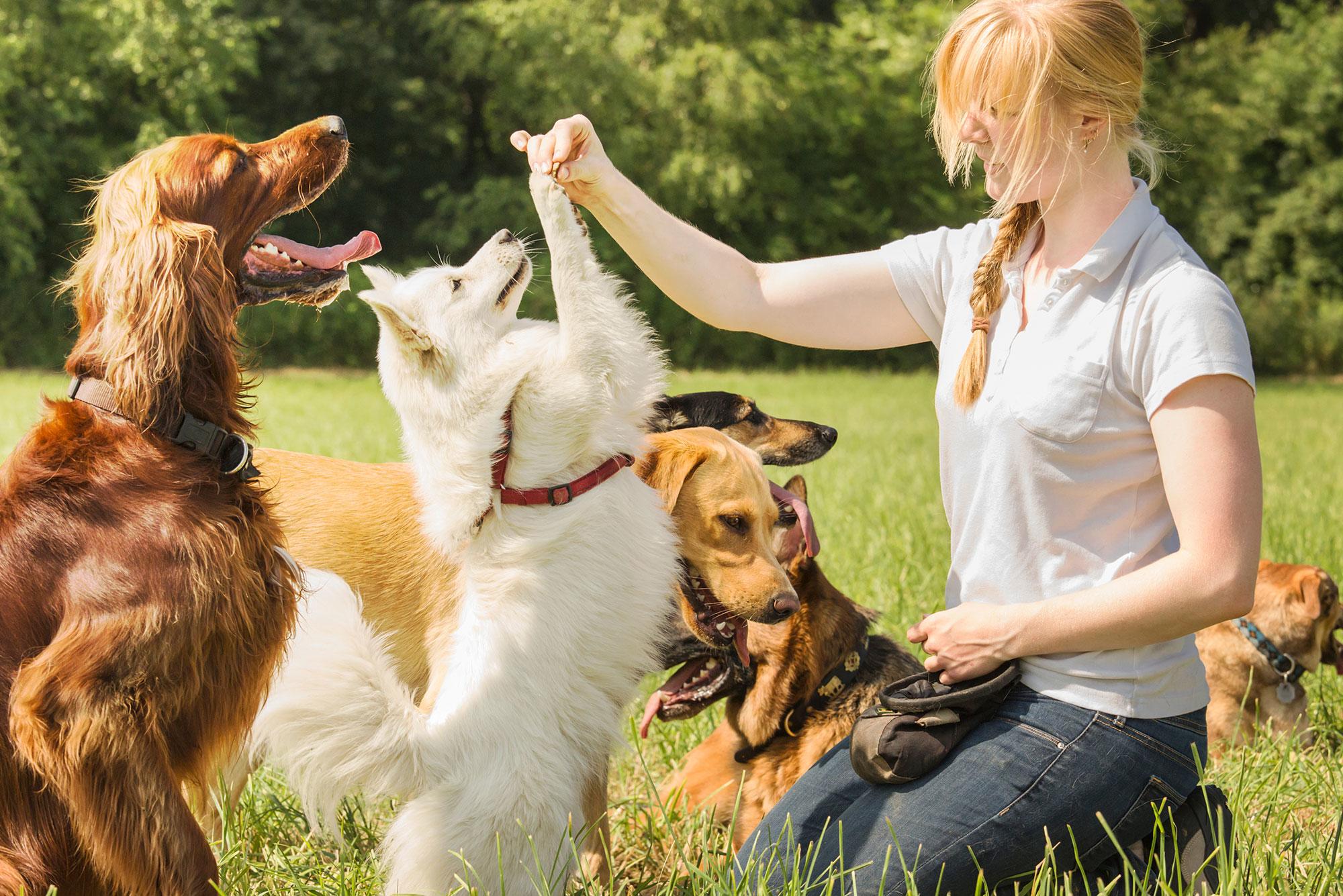
Effective dog training zionsville programs focus on evidence-based, humane methodologies that prioritize positive reinforcement rather than intimidation. Positive reinforcement relies on rewarding desired actions with treats, praise, or play, which encourages the animal to repeat those choices willingly. This scientific approach builds confidence and emotional stability in dogs by removing fear and confusion from the learning process. Modern educational frameworks encompass basic obedience, impulse control, and socialization, preparing animals to handle various environmental stimuli encountered during daily routines. Consistency across household members ensures that rules remain clear, preventing the confusion that often stalls behavioral progress.
The Behavioral and Social Impact on Companion Animals
Structured obedience and socialization directly influence a dog’s emotional well-being and long-term adaptability within shared human environments. Canines that receive proper guidance display lower stress levels when confronted with novel situations, such as passing cyclists, loud vehicles, or veterinary examinations. Furthermore, structured mental stimulation tires a growing dog far more effectively than physical exercise alone, reducing destructive behaviors like excessive chewing or nuisance barking. Owners exploring Dog Behavior resources often discover that predictable routines alleviate anxiety and foster a secure, relaxed household dynamic.
Behavioral modification plans grounded in positive reinforcement reliably reduce fear-based reactivity and improve long-term emotional stability in companion animals. — American Veterinary Society of Animal Behavior
Implementing Practical Strategies for Lifelong Success
Successful progression relies on short, frequent practice sessions integrated naturally into everyday household routines. Dogs process information best through repetition and immediate feedback, meaning rewards must occur within seconds of the desired behavior to establish a clear connection in the animal’s mind. Environmental management also plays a crucial role; preventing rehearsal of unwanted habits—such as counter-surfing or door- darting—stops those actions from becoming ingrained patterns. Patience remains vital, as learning occurs at varying rates depending on the individual animal’s temperament, age, and previous life experiences.
Avoiding Common Pitfalls and Applying Best Practices
A frequent mistake among pet owners involves inconsistent rule enforcement or relying on punishment after a behavior has already occurred, which only serves to confuse the animal. Timing is everything when shaping canine conduct; reacting after the fact teaches the dog nothing about what action was actually requested. Additionally, expecting adult levels of focus from a young puppy often leads to frustration for both parties. Owners should keep sessions brief, upbeat, and tailored to the current developmental stage of their companion. Exploring comprehensive Dog Training guides offers additional insight into troubleshooting plateaus and maintaining enthusiasm during practice.
Short, engaging practice sessions lasting five to ten minutes yield superior retention and focus compared to lengthy, repetitive drills. — American Kennel Club
Pet Care & Wellness Overview Table
| Life Stage | Daily Activity Level | Key Nutrition / Care Focus |
|---|---|---|
| Puppy / Kitten | High (frequent short bursts) | High-protein growth diet & early socialization |
| Adult Companion | Moderate (30–60 mins daily) | Balanced maintenance nutrition & dental hygiene |
| Senior Pets | Low to Gentle (mindful walks) | Joint support (Glucosamine) & routine vet checks |
Images References




Breed, Age, and Temperament Considerations
Individual characteristics heavily influence how a dog responds to various teaching techniques and environmental stimuli. Working or herding breeds often require intense mental engagement to channel their natural drive productively, whereas companion-oriented breeds may thrive primarily on social interaction and gentle praise. Age is another critical variable; while puppies absorb social cues rapidly during their critical developmental windows, older rescue dogs can successfully learn new habits through patience and consistent motivation. Reviewing specialized Dog Breeds information helps families align their expectations with the specific traits and instincts inherent to their particular animal.
When to Consult a Qualified Professional Trainer or Veterinarian
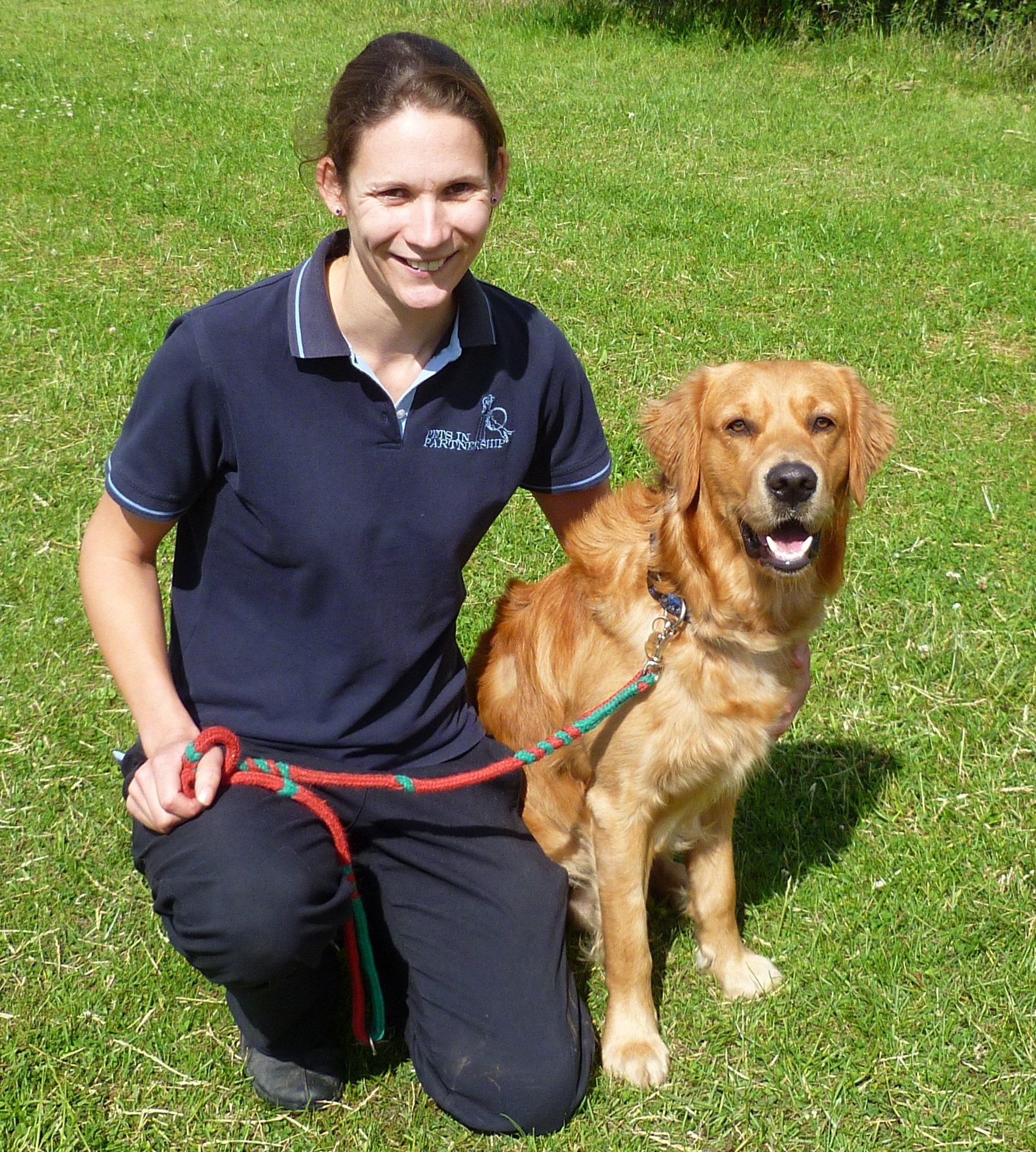
Persistent behavioral concerns, such as sudden aggression, severe separation anxiety, or intense fear responses, require professional intervention rather than standard obedience instruction. Consulting a qualified, certified trainer or veterinary behaviorist ensures that underlying medical issues causing pain or discomfort are ruled out before addressing the symptoms. Severe fear and aggression require specialized, low-stress modification plans administered by experts who understand the nuances of canine mental health. Early intervention by qualified professionals protects both the animal and the public, establishing a safe path forward.
Conclusion and Further Local Pet Resources
Navigating the journey of canine education requires commitment, empathy, and access to accurate, science-based guidance. For ongoing support regarding daily maintenance, optimal nutrition, and overall wellness, explore the expert collections available on PetsAnimalsWorld.com. Delve deeper into specialized care topics by browsing Dog Care and Dog Health to ensure a vibrant, well-adjusted companion for years to come.