Understanding the Role of Doggy Daycare in Modern Urban Canine Care
Modern urban living often presents unique challenges for pet guardians striving to provide adequate daily stimulation and companionship for their canine companions. According to the American Kennel Club, regular mental enrichment and physical exercise are essential components of maintaining a balanced, healthy domestic dog. When work commitments, family responsibilities, or long hours away from home disrupt routine schedules, alternative care solutions become necessary. Utilizing a structured community environment like doggy daycare Zetland allows dogs to expend excess energy, engage in supervised peer interactions, and avoid the potential destructive behaviors associated with prolonged isolation. Evaluating these facilities requires an understanding of how group environments operate and what specific benefits or adjustments they bring to a household.
💡 Pet Care Key Takeaways:
- Core Focus: Practical health, nutrition, and wellness guidelines for Doggy Daycare Zetland.
- Target Scope: Pet owners, animal caregivers, and veterinary support staff.
- Best Recommendation: Maintain consistent daily routines and consult an accredited veterinarian before introducing major diet or medical changes.
Defining Doggy Daycare Zetland and Structured Group Environments
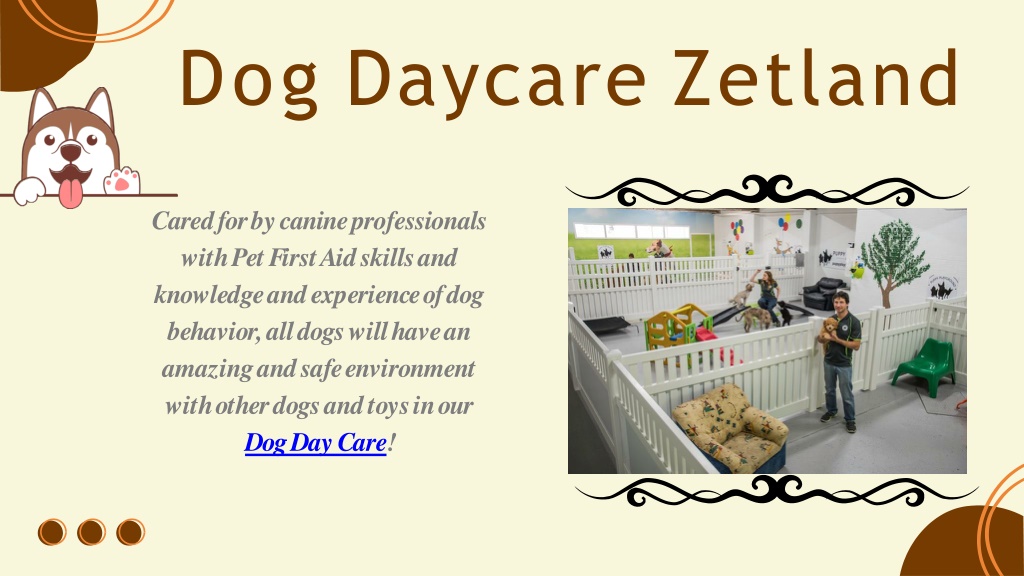
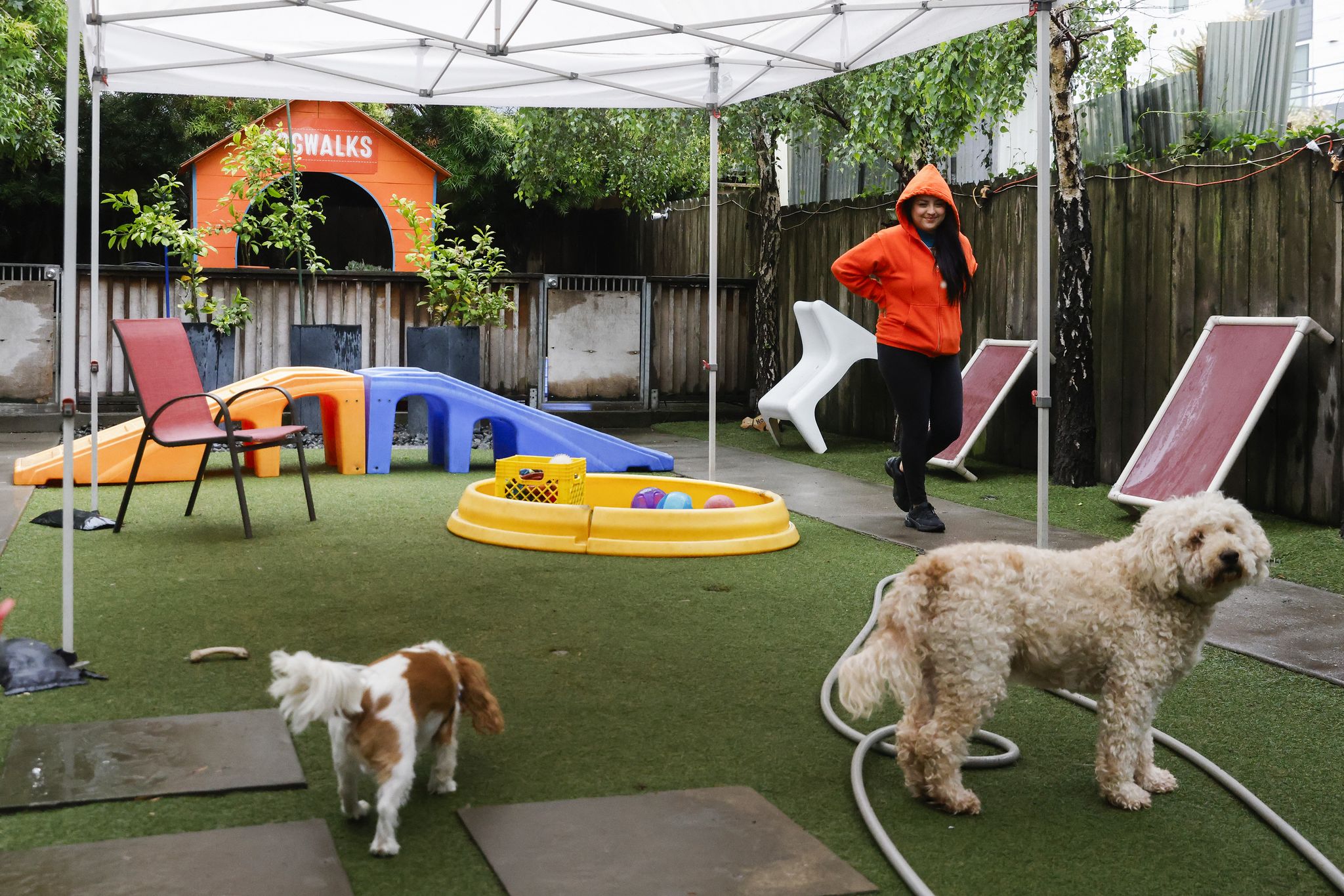
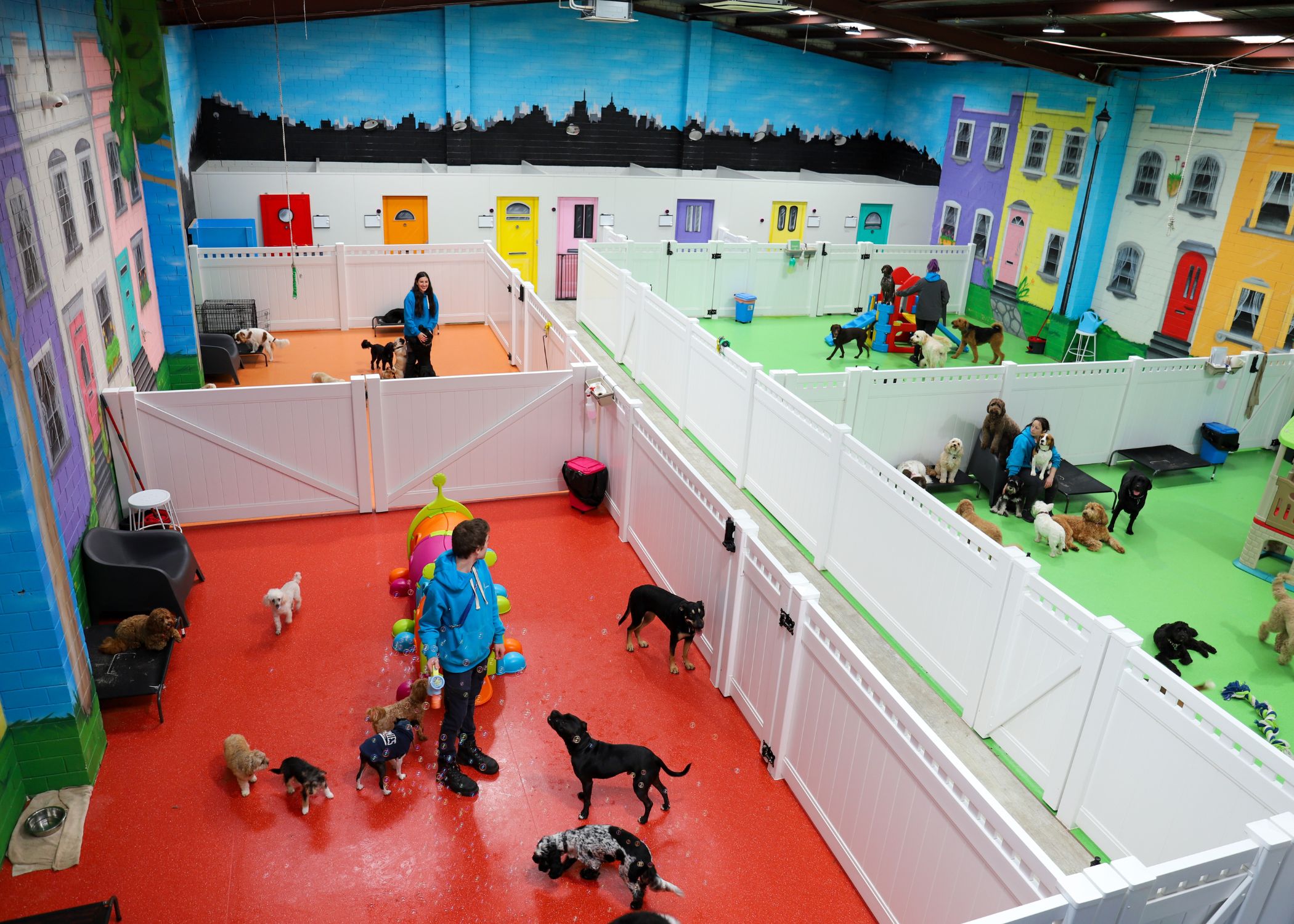
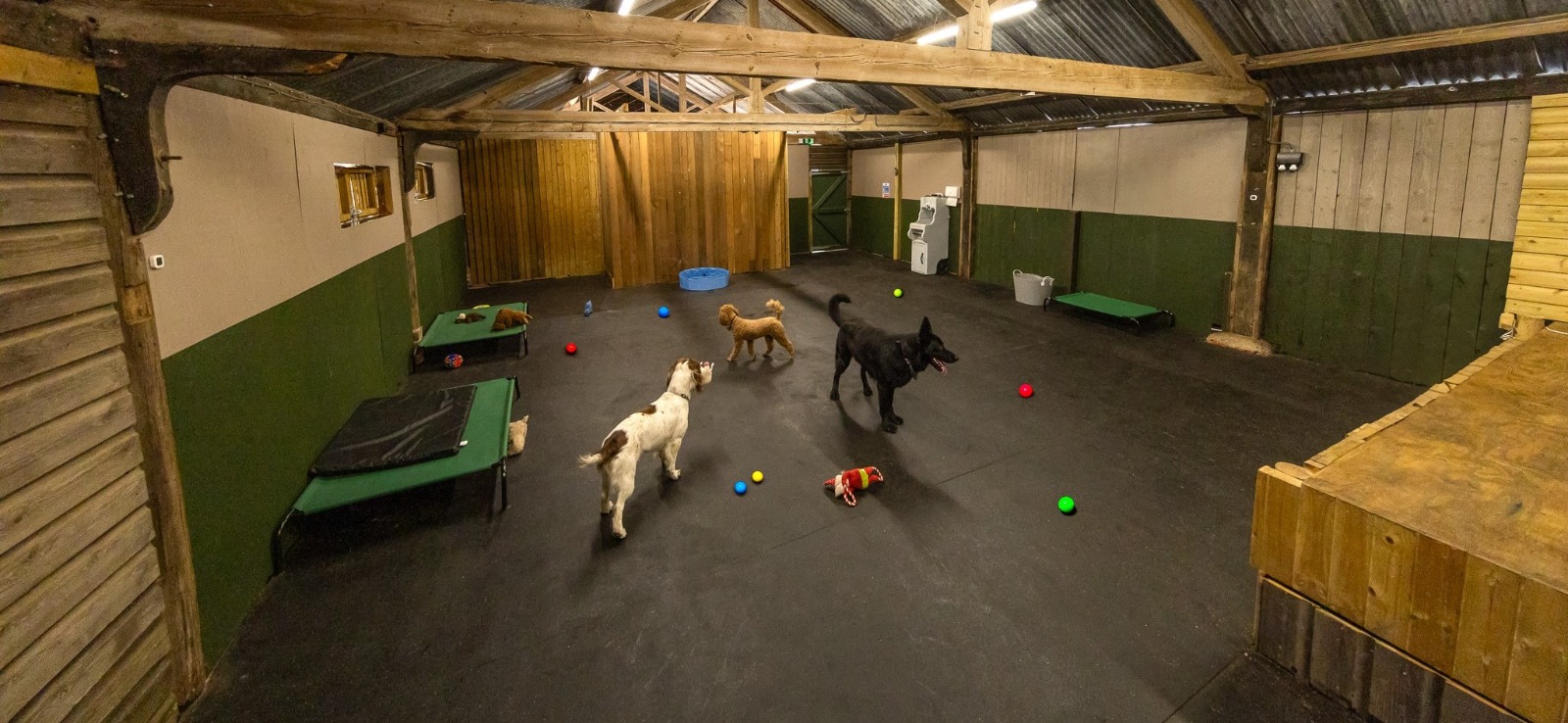
Professional canine group care facilities provide supervised daytime supervision, structured playgroups, and rest periods for dogs within localized urban communities. Doggy daycare Zetland specifically refers to specialized regional facilities designed to cater to the needs of local pet owners seeking safe, engaging daytime environments for their companion animals. These spaces typically feature indoor and outdoor play areas, climate-controlled environments, and professional staff trained in animal handling. Unlike unsupervised dog parks, reputable daycare centers carefully screen attendees for temperament, verify vaccination status, and group dogs based on size, play style, and energy levels to minimize stress and prevent conflict.
Assessing the Behavioral and Social Impact on Group-Housed Dogs
Participating in structured group care can significantly influence canine social development, stress levels, and overall energy expenditure. Positive group experiences help dogs build confidence and improve communication signals when meeting unfamiliar conspecifics, meaning other dogs. However, high-stimulus environments are not universally suitable for every temperament. Introverted, highly anxious, or reactive dogs may find continuous group settings overwhelming rather than enriching. Facility operators must monitor group dynamics closely, watching for subtle stress signals such as whale eye, lip licking, or excessive mounting, and provide quiet crates or separate rest zones to prevent overarousal and fatigue.
Proper behavioral screening and temperament assessments help reduce the risk of group conflict and ensure that all participating dogs are comfortable in a communal setting. — American Kennel Club
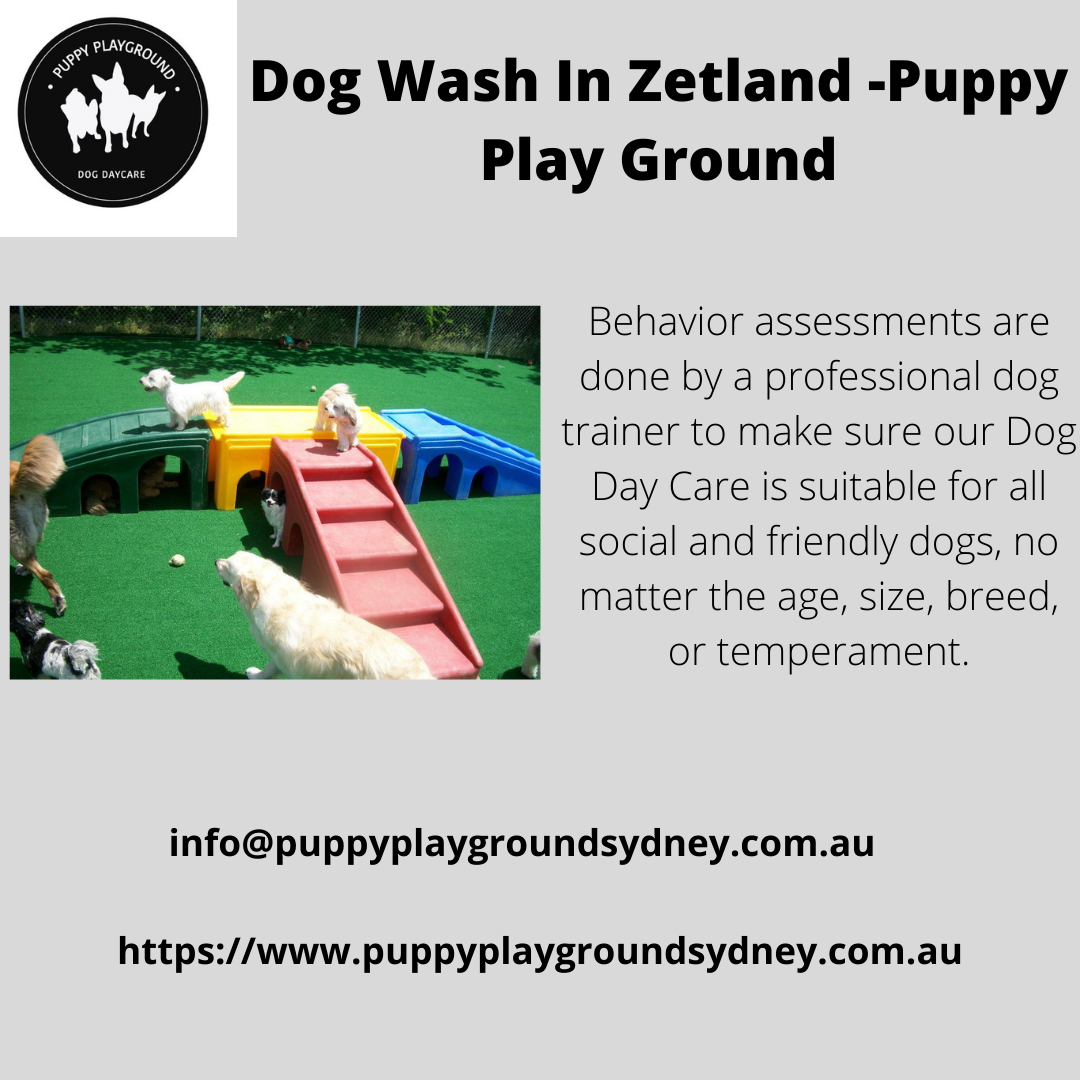
Selecting an appropriate facility involves examining staff-to-dog ratios, facility cleanliness, emergency protocols, and daily scheduling structures. Introducing a dog to a new environment should always be handled gradually, beginning with a comprehensive behavioral evaluation rather than an immediate full-day stay. Owners should observe how staff manage group play and whether positive reinforcement techniques are utilized to guide behavior. Furthermore, maintaining consistent routines between home and the facility helps ease transitions and prevents separation anxiety flare-ups upon returning to domestic life. For further insights into managing everyday routines, explore specialized resources on Dog Care.
Best Practices, Common Mistakes, and Operational Guidelines
Maximizing the benefits of group care requires avoiding common pitfalls, such as assuming every dog naturally enjoys group play or neglecting proper rest schedules. Overtired dogs often exhibit cranky or reactive behavior, making scheduled nap times an essential marker of a high-quality facility. Additionally, pet owners should ensure their dogs are fully protected against common contagious pathogens through up-to-date vaccinations, including Bordetella and canine influenza, prior to enrollment. Monitoring physical health for signs of minor strains, scrapes, or kennel cough is equally vital for prompt veterinary intervention when necessary. Comprehensive guidance on health monitoring can be found via Dog Health.
Maintaining rigorous vaccination protocols and environmental sanitation standards is critical for preventing the transmission of infectious respiratory and gastrointestinal illnesses in communal dog facilities. — American Veterinary Medical Association
Pet Care & Wellness Overview Table
| Life Stage | Daily Activity Level | Key Nutrition / Care Focus |
|---|---|---|
| Puppy / Kitten | High (frequent short bursts) | High-protein growth diet & early socialization |
| Adult Companion | Moderate (30–60 mins daily) | Balanced maintenance nutrition & dental hygiene |
| Senior Pets | Low to Gentle (mindful walks) | Joint support (Glucosamine) & routine vet checks |
Images References




Breed, Age, Size, and Temperament Considerations
Individual characteristics such as age, breed predisposition, physical size, and baseline temperament heavily dictate a dog’s suitability for communal daycare settings. Senior dogs, puppies under specific vaccination milestones, and brachycephalic breeds prone to respiratory difficulties require tailored accommodation and modified exercise regimens to prevent distress or overheating. Energetic herding or working breeds might thrive on the physical outlet, whereas fragile toy breeds need protection from accidental rough play by larger counterparts. Responsible facilities maintain separated play zones to accommodate these diverse physical and behavioral needs safely.
When to Consult a Veterinarian or Certified Behaviorist
Professional guidance from a veterinarian or a certified, force-free animal behaviorist becomes necessary if a dog displays persistent fear, extreme anxiety, or sudden behavioral changes following daycare visits. While minor physical fatigue is normal after an active day, chronic reluctance to enter the facility, persistent weight loss, or unexplained injuries warrant an immediate medical examination and a reassessment of the dog’s care plan. Never rely on punishment-based or intimidation techniques to address fear or reactivity related to social settings. For structured guidance on handling complex behavioral shifts, consult resources dedicated to Dog Behavior.
Making Informed Decisions for Urban Canine Wellness
Integrating alternative care solutions into a canine routine demands careful planning, ongoing observation, and a commitment to individualized animal welfare. By prioritizing safety, appropriate social matching, and balanced rest, pet owners can enhance their companion’s daily quality of life while balancing modern scheduling demands. Explore additional expert resources, care guides, and educational articles by visiting PetsAnimalsWorld.com to support every stage of your companion’s lifelong journey.