Understanding Canine Conduct and Professional Support in Leeds
Navigating complex canine conduct challenges requires a clear understanding of learning theory, emotional well-being, and structured guidance, particularly when seeking professional support from a dog behaviorist Leeds residents trust. According to the Association of Professional Dog Trainers, addressing underlying emotional triggers through positive reinforcement yields more sustainable modifications than attempting to suppress outward symptoms through punitive measures. Canine behavior is rarely random; rather, it serves as a form of communication reflecting an animal’s internal emotional state, physiological health, and environmental interactions. Dog owners frequently encounter hurdles ranging from leash reactivity and separation anxiety to resource guarding and noise phobias. Recognizing that these patterns stem from fear, confusion, or instinctual drives helps caretakers approach rehabilitation with empathy rather than frustration. Establishing a supportive environment begins with decoding subtle physical signals, such as lip licking, yawning, or stiffness, which often precede overt distress. Education bridges the gap between human expectations and canine reality, fostering a harmonious household where both species thrive safely.
💡 Pet Care Key Takeaways:
- Core Focus: Practical health, nutrition, and wellness guidelines for Dog Behaviorist Leeds.
- Target Scope: Pet owners, animal caregivers, and veterinary support staff.
- Best Recommendation: Maintain consistent daily routines and consult an accredited veterinarian before introducing major diet or medical changes.
Defining Professional Behavioral Support in West Yorkshire
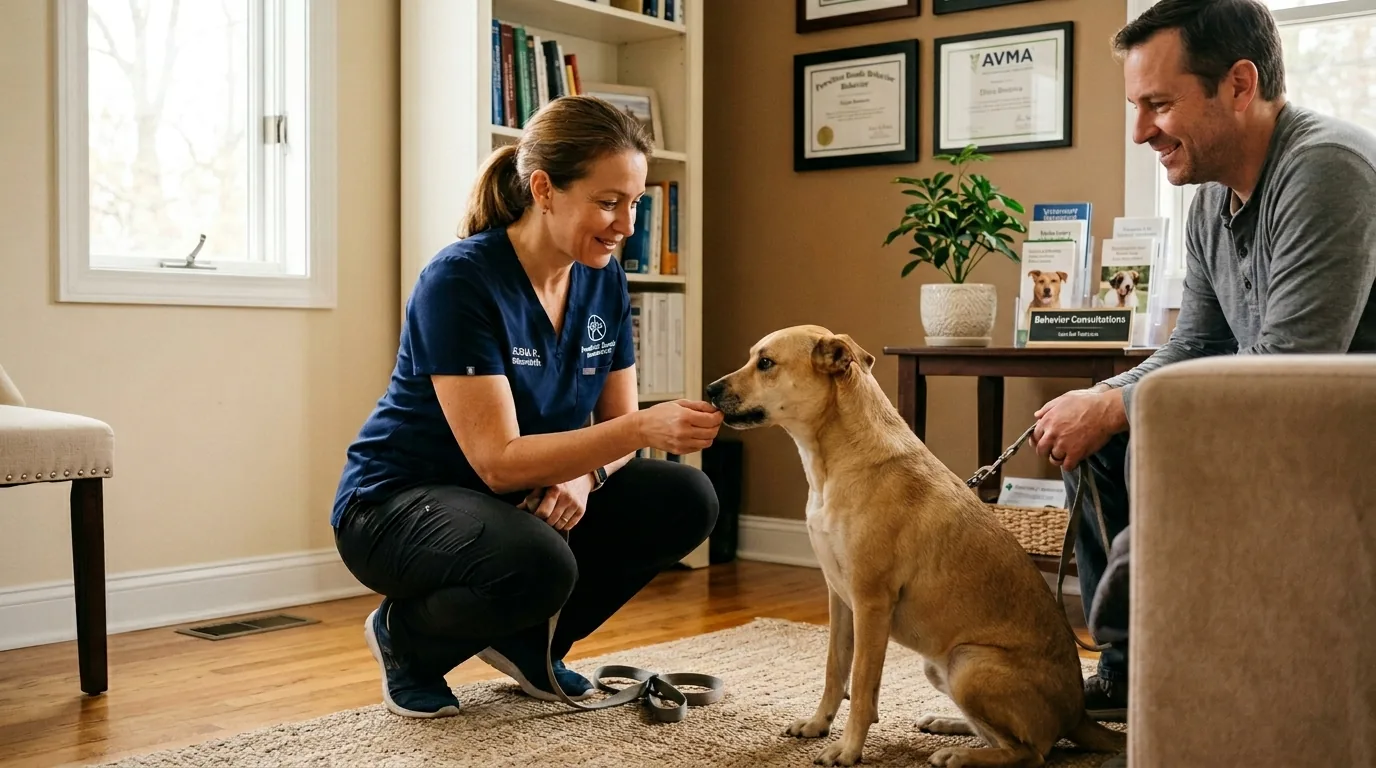
A dog behaviorist Leeds specialists refer to is an expert who evaluates and addresses complex psychological issues in dogs, typically operating beyond standard obedience training. While standard trainers focus primarily on teaching commands like sit, stay, and heel, behaviorists specialize in clinical or applied ethology—the study of animal behavior—to diagnose the root causes of severe emotional or reactive responses. This process involves a comprehensive behavioral assessment, reviewing the animal’s developmental history, daily routine, medical background, and living environment. Specialists design customized modification plans using evidence-informed methodologies, such as desensitization and counter-conditioning, which safely alter how a dog perceives a triggering stimulus. Desensitization involves gradual, low-intensity exposure to a stressor, while counter-conditioning pairs that stressor with a positive association, such as high-value food rewards. Collaborative care ensures that psychological interventions align with overall physical health, as undiagnosed pain or endocrine disorders frequently manifest as behavioral alterations.
The Critical Link Between Medical Health and Behavioral Well-Being
Physical health and behavioral presentation are profoundly intertwined, meaning that sudden shifts in conduct often signal underlying medical discomfort or neurological changes. Chronic pain, dental disease, cognitive dysfunction syndrome, and gastrointestinal distress can significantly lower a dog’s threshold for tolerance, leading to unexpected reactivity, aggression, or withdrawal. Consequently, professional behavioral interventions always begin with a thorough veterinary examination to rule out pathological contributors before implementing psychological strategies. Ignoring potential health issues while attempting purely mechanical training can exacerbate stress and worsen the underlying condition.
Behavioral changes in domestic canines frequently serve as primary indicators of underlying medical discomfort or chronic pain, necessitating veterinary evaluation. — American Veterinary Medical Association
Caretakers must remain vigilant for subtle shifts in posture, appetite, sleep patterns, or mobility, as dogs instinctively mask vulnerability. When medical clearance is secured, behavioral specialists can proceed with confidence, knowing that the animal’s physical vehicle is free from hidden agony. This holistic perspective safeguards animal welfare and ensures that rehabilitation efforts address the complete physiological and emotional profile of the individual dog.
Implementing Evidence-Informed Strategies for Behavioral Modification
Addressing persistent behavioral concerns requires patience, consistency, and strict adherence to humane, science-based protocols that prioritize emotional safety. Management strategies form the foundational layer of any modification plan, deliberately preventing the dog from rehearsing unwanted habits while new neural pathways are formed. For instance, opaque window film can eliminate barrier frustration caused by outdoor triggers, while baby gates prevent access to sensitive areas. Once management is secure, structured learning exercises introduce alternative behaviors that fulfill the dog’s innate needs in an acceptable manner. Caretakers are encouraged to explore resources on Dog Behavior to deepen their understanding of canine communication signals. Clear communication, predictable routines, and empathetic pacing transform overwhelming environments into manageable spaces where learning can occur naturally.
Best Practices and Pitfalls to Avoid During Rehabilitation
Successful behavioral modification relies on precision, timing, and an unwavering commitment to positive reinforcement, avoiding outdated dominance theories that rely on intimidation or physical correction. One common mistake involves flooding—exposing a fearful dog to an intense trigger all at once under the false assumption that the animal will simply get used to it. This harmful practice routinely increases panic and heightens the risk of defensive aggression. Instead, breaking challenges down into microscopic, manageable steps ensures the dog remains under the threshold of emotional overload. Reinforcement must be delivered immediately following the desired response to establish a clear mental connection between the action and the reward. Consistency across all household members prevents confusion and accelerates progress. Exploring guidance on Dog Training can provide additional insights into effective, humane teaching methodologies. Monitoring subtle indicators of fatigue or stress allows handlers to conclude sessions positively before frustration sets in, preserving enthusiasm for future learning opportunities.
The use of aversive training methods that rely on pain or intimidation consistently correlates with heightened stress responses and increased risk of aggression. — American College of Veterinary Behaviorists
Pet Care & Wellness Overview Table
| Life Stage | Daily Activity Level | Key Nutrition / Care Focus |
|---|---|---|
| Puppy / Kitten | High (frequent short bursts) | High-protein growth diet & early socialization |
| Adult Companion | Moderate (30–60 mins daily) | Balanced maintenance nutrition & dental hygiene |
| Senior Pets | Low to Gentle (mindful walks) | Joint support (Glucosamine) & routine vet checks |
Images References





Breed, Age, and Temperament Factors in Behavioral Interventions
Every canine individual possesses a unique genetic blueprint, developmental history, and temperamental disposition that directly influences how they respond to behavioral interventions. Working breeds developed for herding or guarding, for instance, may exhibit intense predatory or protective instincts that require appropriate outlets to prevent displacement-related anxiety. Older dogs experiencing age-related sensory decline or cognitive aging require modified environments that minimize confusion and maximize security. Puppies navigating critical socialization windows need careful, positive exposure to novel sounds, surfaces, and social partners to build resilience against future phobias. Understanding these intrinsic variables helps caretakers establish realistic expectations and tailor management strategies to match the specific needs of their animal companion. Readers interested in exploring specific group traits further can review details on Dog Breeds to gain broader contextual awareness. Recognizing that temperament is dynamic rather than fixed empowers owners to support their dogs through various life stages with adaptability and grace.
Recognizing When to Consult a Veterinary Professional or Specialist
Seeking timely professional guidance is essential when behavioral concerns escalate, persist despite consistent management, or pose any risk to human or animal safety. Severe aggression, unprovoked biting, debilitating panic attacks, or self-injurious habits require the immediate oversight of a certified clinical animal behaviorist or a veterinary behaviorist holding advanced credentials. Attempting to resolve entrenched psychological trauma without expert supervision can inadvertently worsen the animal’s distress and endanger the household. Furthermore, any sudden, inexplicable alteration in conduct warrants an urgent veterinary visit to assess for acute injury, systemic illness, or neurological distress. Emphasizing safety above all else ensures that both human caretakers and their canine companions navigate challenging behavioral landscapes with professional protection and structured support.
Supporting Lifelong Canine Wellness and Harmony
Fostering a balanced, emotionally stable companion involves a lifelong commitment to empathetic communication, preventive health care, and environmental enrichment. By staying informed through reliable resources found at PetsAnimalsWorld.com, caretakers can better navigate the nuances of daily maintenance and behavioral support. Reviewing insights on Dog Care ensures that nutritional, physical, and mental requirements are met comprehensively across every chapter of a dog’s life. Ultimately, investing patience and understanding into the human-animal bond creates a secure foundation of trust, enabling dogs to navigate their world with confidence and peace.