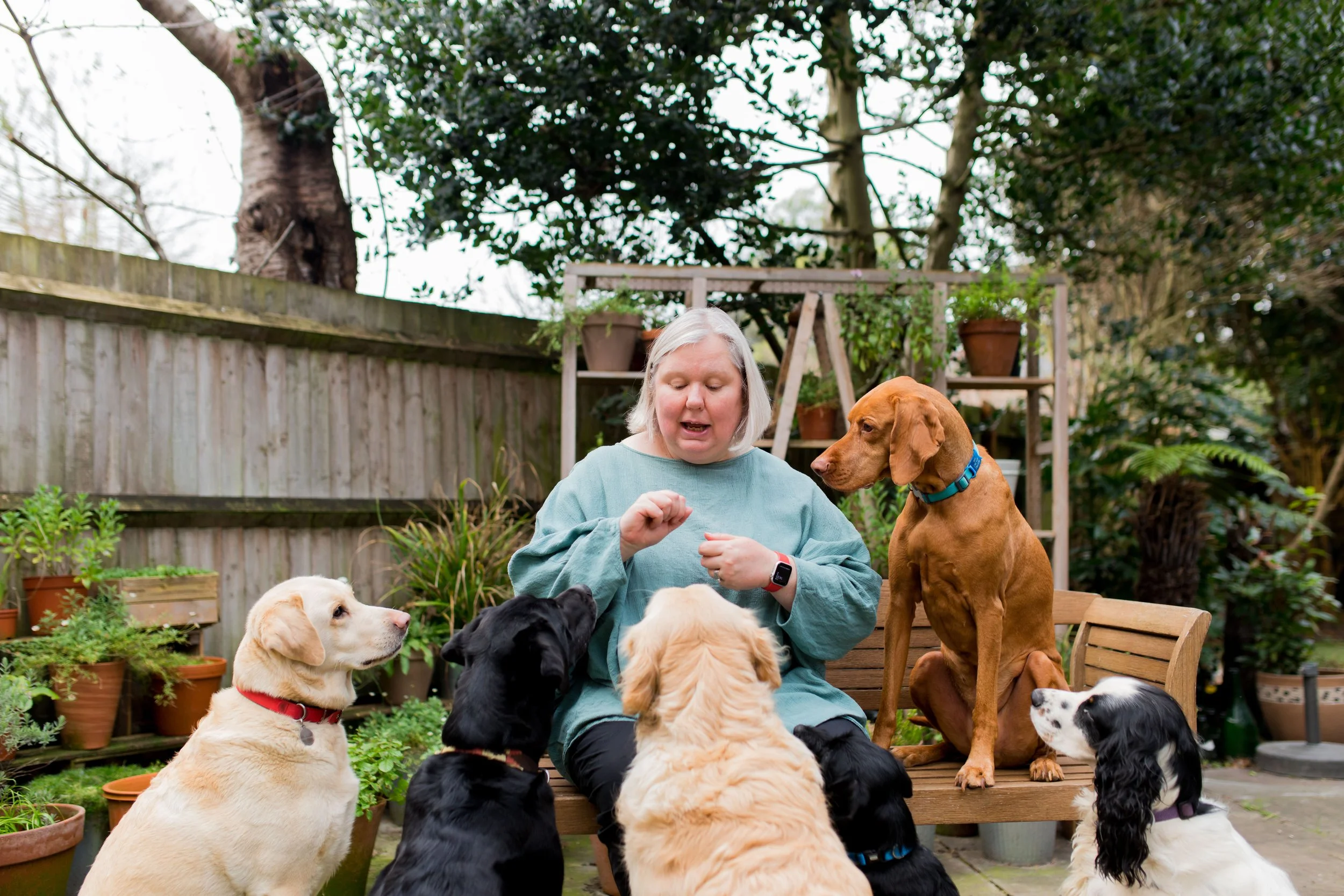
Understanding Canine Conduct Within the Capital Environment
Navigating urban spaces alongside a companion animal presents distinct challenges that require a nuanced understanding of canine psychology and environmental stressors. According to the American Society for the Prevention of Cruelty to Animals (ASPCA), behavioral issues remain a primary reason companion animals are relinquished by their households, making early and informed intervention essential. Urban environments like the British capital introduce unique hurdles, from high-density foot traffic and loud transit systems to restricted green spaces, all of which can significantly influence a dog’s emotional state. Modern animal care emphasizes evidence-informed approaches that look beyond surface-level obedience to address the root emotional drivers of conduct. Dog owners often find that standard obedience classes fall short when underlying fears or anxieties dictate the responses of the animal.
💡 Pet Care Key Takeaways:
- Core Focus: Practical health, nutrition, and wellness guidelines for Dog Behaviorist London.
- Target Scope: Pet owners, animal caregivers, and veterinary support staff.
- Best Recommendation: Maintain consistent daily routines and consult an accredited veterinarian before introducing major diet or medical changes.
Defining the Role of a Professional Canine Specialist in the Metropolis
A dog behaviorist london professional is an expert in animal psychology who evaluates complex conduct issues and formulates structured, science-based modification plans. Unlike standard trainers who typically focus on basic obedience commands such as sitting or staying, a certified behaviorist investigates why an animal reacts in specific ways to particular stimuli. This process involves analyzing environmental triggers, reinforcement history, and physiological health factors. Professionals in this field utilize positive reinforcement methods, which involve rewarding desired actions while removing or managing the triggers that cause fear, frustration, or reactivity. By focusing on humane, science-based techniques, specialists help establish clear communication channels between the animal and the household. For more related activities, check out our Dog Behavior By Age Chart.
The Impact of Urban Stressors on Canine Well-Being
City living exposes domestic animals to a continuous stream of sensory inputs that can trigger chronic stress responses if not properly managed. Chronic stress can manifest as excessive vocalization, destructive chewing, indoor elimination, or sudden reactivity toward unfamiliar people and animals. Addressing these concerns promptly supports long-term mental wellness and prevents minor behavioral adjustments from escalating into entrenched patterns. When an animal experiences prolonged activation of the sympathetic nervous system—the biological system responsible for the fight-or-flight response—physical health can also suffer, leading to elevated stress hormone levels and compromised immune function.
Behavioral problems in companion animals are frequently linked to underlying medical conditions, stress, or unmet environmental enrichment needs rather than simple disobedience. — American Veterinary Medical Association
Implementing Structured Modification Strategies for City Dogs
Addressing persistent behavioral challenges requires a systematic approach rooted in desensitization and counter-conditioning. Desensitization involves gradual, controlled exposure to a triggering stimulus at a level that does not provoke a fearful or reactive response, while counter-conditioning pairs that same stimulus with a highly valued reward to shift the emotional association. Consistent routines, predictable boundaries, and adequate physical and mental stimulation form the foundation of any successful modification plan. Patience and observation allow caretakers to recognize subtle early signs of discomfort, such as lip-licking, yawning, or averted gaze, enabling intervention long before the animal feels compelled to react defensively.
Best Practices and Common Pitfalls in Conduct Management
Avoiding punitive, intimidation-based, or dominance-oriented techniques is paramount, as punishment frequently increases fear and anxiety, often exacerbating aggressive responses. Instead, consistency across all household members ensures the animal receives clear, unambiguous signals regarding expected conduct. A common mistake involves rushing exposure phases in busy urban settings, forcing the animal past its threshold of tolerance before learning can occur. Keeping training sessions short, positive, and tailored to the individual animal’s pace yields much more reliable and lasting results than prolonged, high-pressure sessions.
Positive reinforcement training methods build trust between humans and animals while effectively reducing stress-related problem behaviors. — Association of Professional Dog Trainers
Pet Care & Wellness Overview Table
| Life Stage | Daily Activity Level | Key Nutrition / Care Focus |
|---|---|---|
| Puppy / Kitten | High (frequent short bursts) | High-protein growth diet & early socialization |
| Adult Companion | Moderate (30–60 mins daily) | Balanced maintenance nutrition & dental hygiene |
| Senior Pets | Low to Gentle (mindful walks) | Joint support (Glucosamine) & routine vet checks |
Images References



Individual Variability Across Breeds, Ages, and Temperaments
Every animal possesses a distinct genetic background, developmental history, and personality profile that influences how they perceive and navigate the world. While certain working or herding backgrounds may predispose a dog to high environmental alertness or intense herding instincts, individual variation remains vast within any demographic group. Younger animals require careful socialization during critical developmental windows to prevent future phobias, whereas older animals may experience cognitive decline or sensory losses that alter their behavioral responses. Tailoring expectations to match the specific life stage, physical capacity, and temperament of the individual companion animal ensures a more empathetic and effective approach to daily care.
When to Seek Guidance from Veterinary Professionals and Specialists
Consulting a qualified veterinarian is always the necessary first step when addressing sudden or severe behavioral shifts, as many medical conditions, including painful orthopedic issues or neurological disorders, manifest primarily as changes in conduct. For persistent fear, anxiety, separation distress, or reactivity, seeking out a certified clinical animal behaviorist or a veterinary behaviorist ensures that intervention plans are safe, medically sound, and scientifically rigorous. Never attempt to handle severe aggression without professional oversight, and always seek immediate veterinary attention if a dog exhibits signs of acute distress, injury, or poisoning.
Supporting Lifelong Canine Health and Enrichment
Fostering a balanced, confident companion animal in a bustling metropolitan area involves continuous learning, environmental adaptation, and a deep commitment to humane care principles. By exploring comprehensive resources dedicated to Dog Behavior, understanding foundational Dog Training techniques, and prioritizing overall Dog Health, guardians can ensure their animals lead fulfilling lives. Visit PetsAnimalsWorld.com to discover more expert-backed guidance on Dog Care tailored to modern pet households.