According to the American Veterinary Medical Association, ensuring proper recovery equipment usage is vital to preventing self-trauma after surgical procedures or veterinary treatments. When veterinarians prescribe medical cones, commonly known as Elizabethan collars or e-collars, households often face the challenge of helping a canine companion adjust to unfamiliar medical gear. Clear guidance on dog care e collar instructions helps ensure that pets remain comfortable while protecting surgical incisions, hot spots, or healing wounds from licking, biting, and scratching.
💡 Pet Care Key Takeaways:
- Core Focus: Practical health, nutrition, and wellness guidelines for Dog Care E Collar Instructions.
- Target Scope: Pet owners, animal caregivers, and veterinary support staff.
- Best Recommendation: Maintain consistent daily routines and consult an accredited veterinarian before introducing major diet or medical changes.
Understanding the Purpose of Medical Cones in Veterinary Recovery
Dog care e collar instructions center around a protective barrier device designed to restrict a canine’s range of head motion, thereby preventing interference with sensitive areas of the body. Traditionally constructed from rigid plastic shaped like a truncated cone, modern recovery options also include inflatable rings, soft fabric cones, and flexible polyethylene shields. Choosing the correct style depends heavily on the specific injury location, as facial wounds require different coverage lengths compared to tail or paw incisions. For more related activities, check out our Dog Unusual Behavior.
Managing Physical and Emotional Well-Being During Confinement
Wearing a restrictive medical device profoundly alters sensory perception, often causing temporary disorientation, spatial misjudgments, and heightened stress levels during the initial adjustment period. Canines rely heavily on their whiskers and peripheral vision to navigate environments, both of which become restricted by standard plastic cones. Caregivers can ease this transition by widening narrow hallways, removing fragile household items from floor level, and supervising movement near staircases until the animal masters spatial awareness with the device attached.
Properly fitted recovery equipment prevents the reopening of surgical sites and the secondary introduction of bacteria from the oral cavity. — American Veterinary Medical Association
Proper Application, Adjustment, and Daily Maintenance Practices
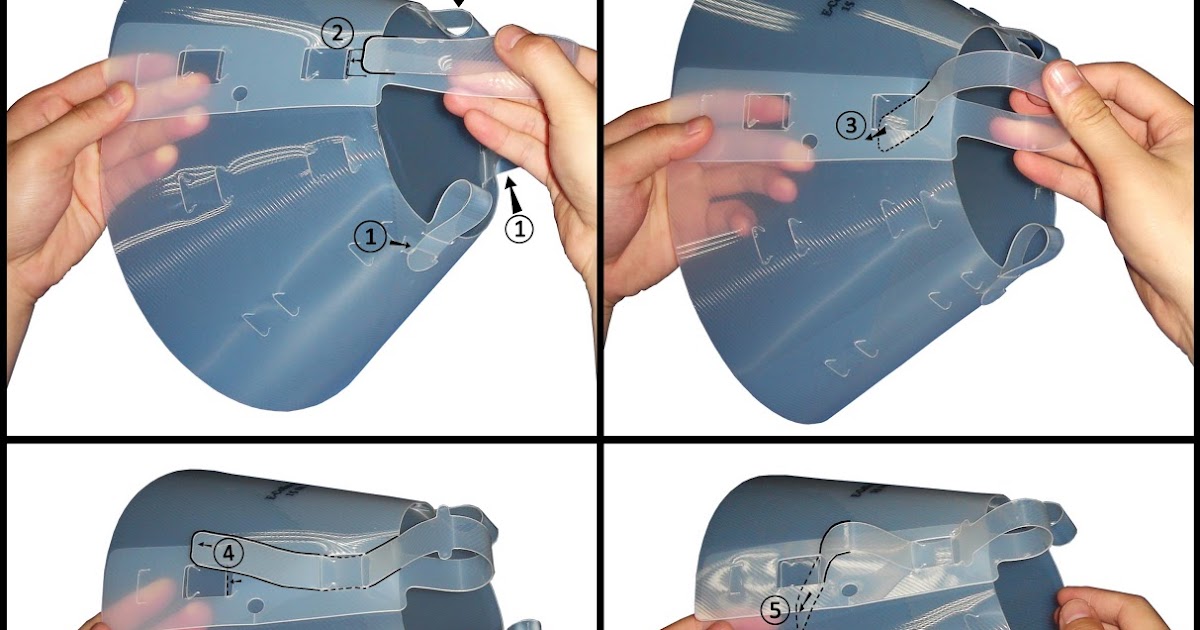
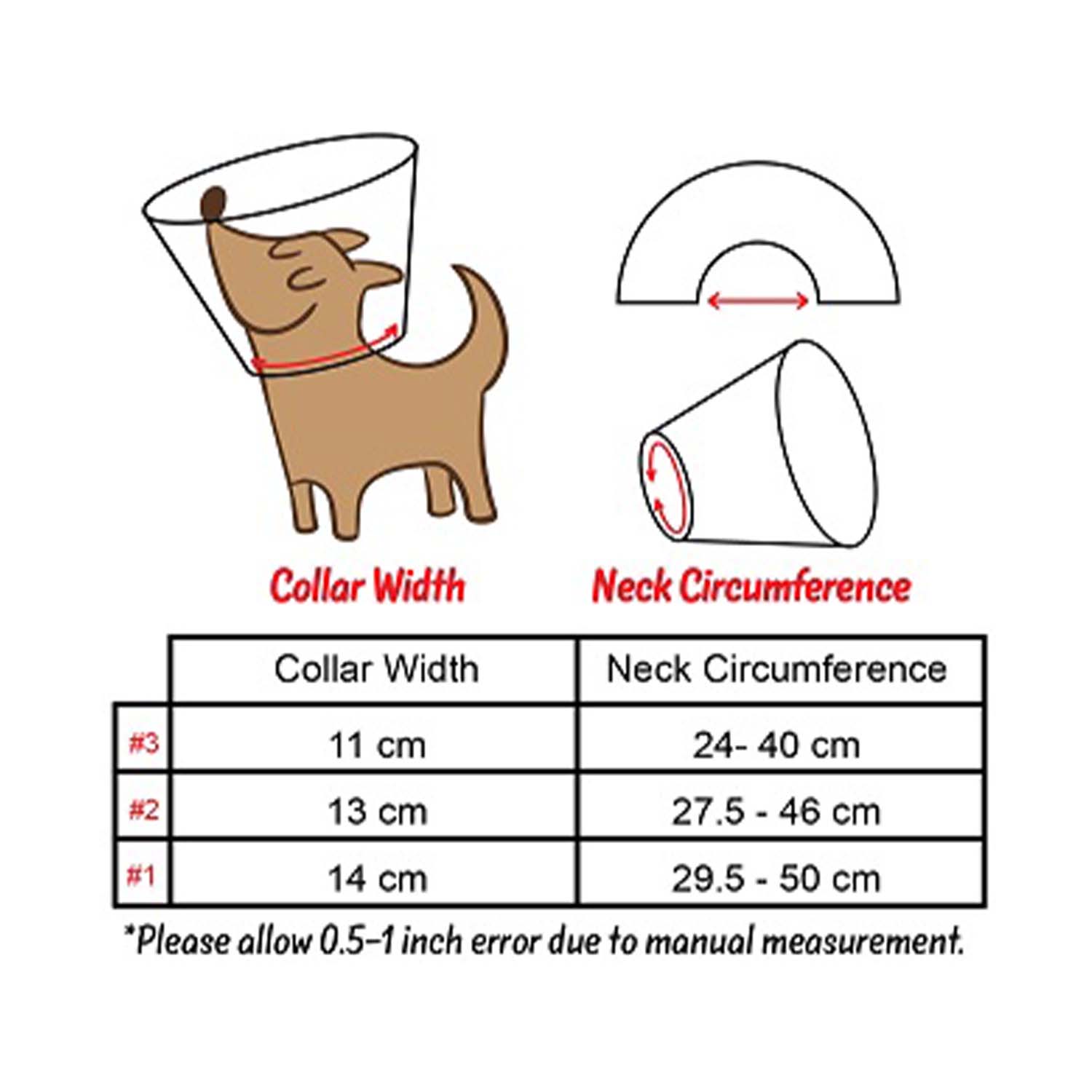
Executing dog care e collar instructions effectively requires securing the device properly to a standard, non-tightening flat collar threaded through the loops at the base of the cone. This anchoring step prevents the animal from simply slipping out of the protection gear. The circumference must allow two fingers to pass comfortably between the neck and the anchoring band, ensuring adequate respiration and preventing chafing against sensitive skin tissues.
Best Practices and Common Pitfalls to Avoid During the Healing Phase
Maintaining hygiene is an essential component of post-procedural management, requiring daily removal for supervised breaks if the veterinarian approves. The inside surface of rigid plastic barriers accumulates saliva, dust, and food particles, necessitating regular cleaning with mild, pet-safe soap and warm water. A frequent mistake involves permanently removing the barrier for feeding sessions without supervision, which frequently leads to sudden, unsupervised access to stitches. Instead, raising food and water bowls onto sturdy platforms allows the animal to eat and drink comfortably without removing the protective shield.
Alternative recovery garments, such as surgical suits or soft pet recovery shirts, offer suitable protection for abdominal wounds for dogs who experience severe anxiety from traditional plastic cones. — American Kennel Club
Pet Care & Wellness Overview Table
| Life Stage | Daily Activity Level | Key Nutrition / Care Focus |
|---|---|---|
| Puppy / Kitten | High (frequent short bursts) | High-protein growth diet & early socialization |
| Adult Companion | Moderate (30–60 mins daily) | Balanced maintenance nutrition & dental hygiene |
| Senior Pets | Low to Gentle (mindful walks) | Joint support (Glucosamine) & routine vet checks |
Images References





Adapting Equipment for Different Body Types, Ages, and Temperaments
Physical proportions dictate which style of recovery protection functions most effectively for a given animal, as broad-headed breeds require different sizing metrics than long-snouted counterparts. Senior dogs with vision impairments or joint stiffness may experience heightened vulnerability when wearing restricted-view gear, necessitating softer, transparent alternatives that minimize sensory deprivation. Energetic puppies often require durable, wipeable polyethylene shields, whereas calmer adult dogs may tolerate lightweight fabric alternatives designed for maximum resting comfort.
When to Consult a Veterinary Professional Regarding Recovery Concerns
Professional veterinary consultation is necessary if persistent distress, complete refusal to eat or drink, or severe behavioral changes occur while using recovery equipment. If swelling, foul odors, discharge, or redness develops around the surgical site despite the presence of the barrier, immediate examination by a veterinarian is required. Never leave an animal unsupervised if frantic escape attempts threaten physical safety or lead to self-inflicted injuries from the equipment itself.
Closing Resources for Canine Health and Wellness
Mastering post-procedural management supports a safe and comfortable healing journey for every canine companion. For additional guidance on keeping pets healthy and well-adjusted, explore resources on Dog Care, Dog Health, and Dog Behavior. Visit PetsAnimalsWorld.com for comprehensive guides tailored to responsible pet ownership.