Introduction
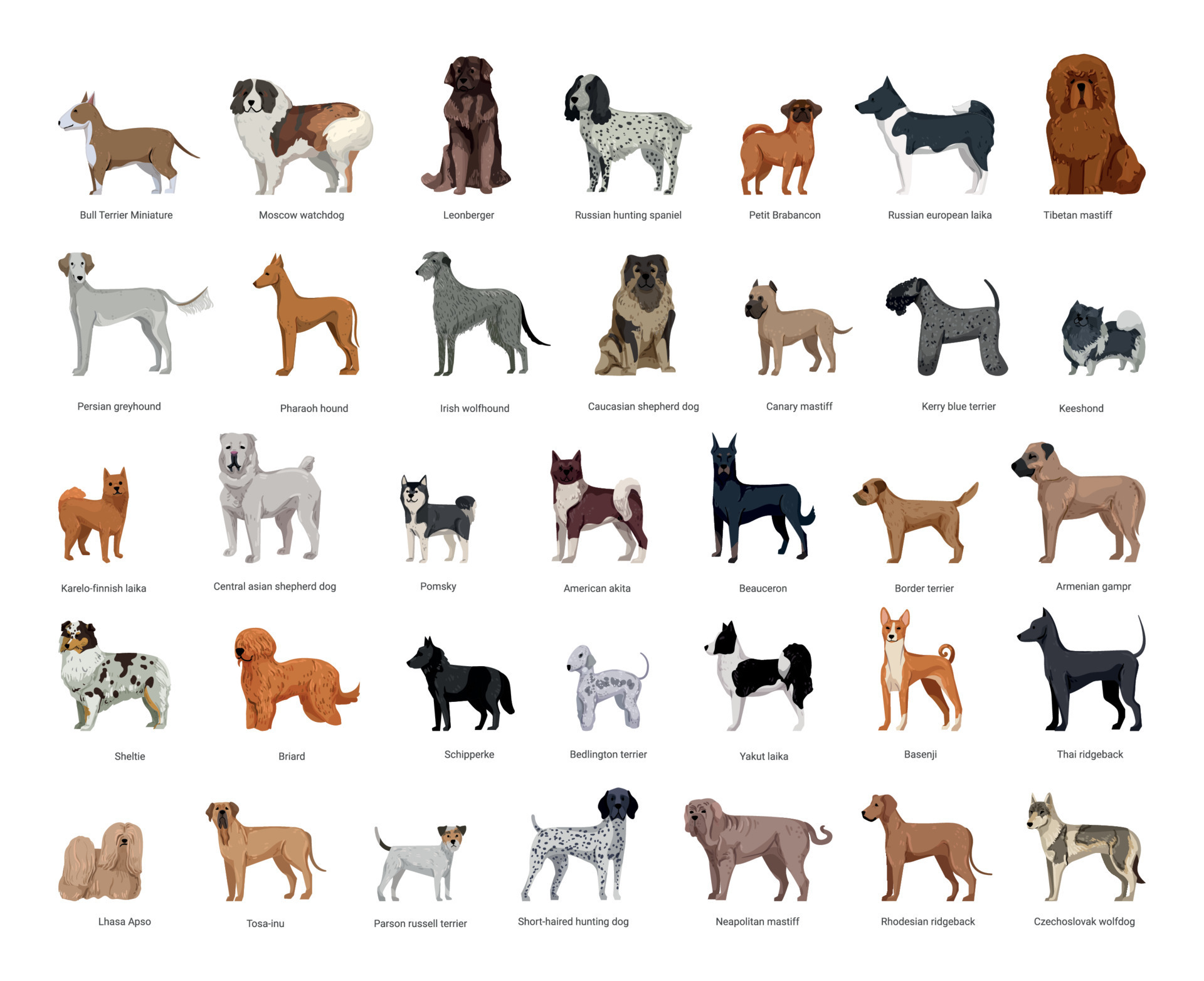
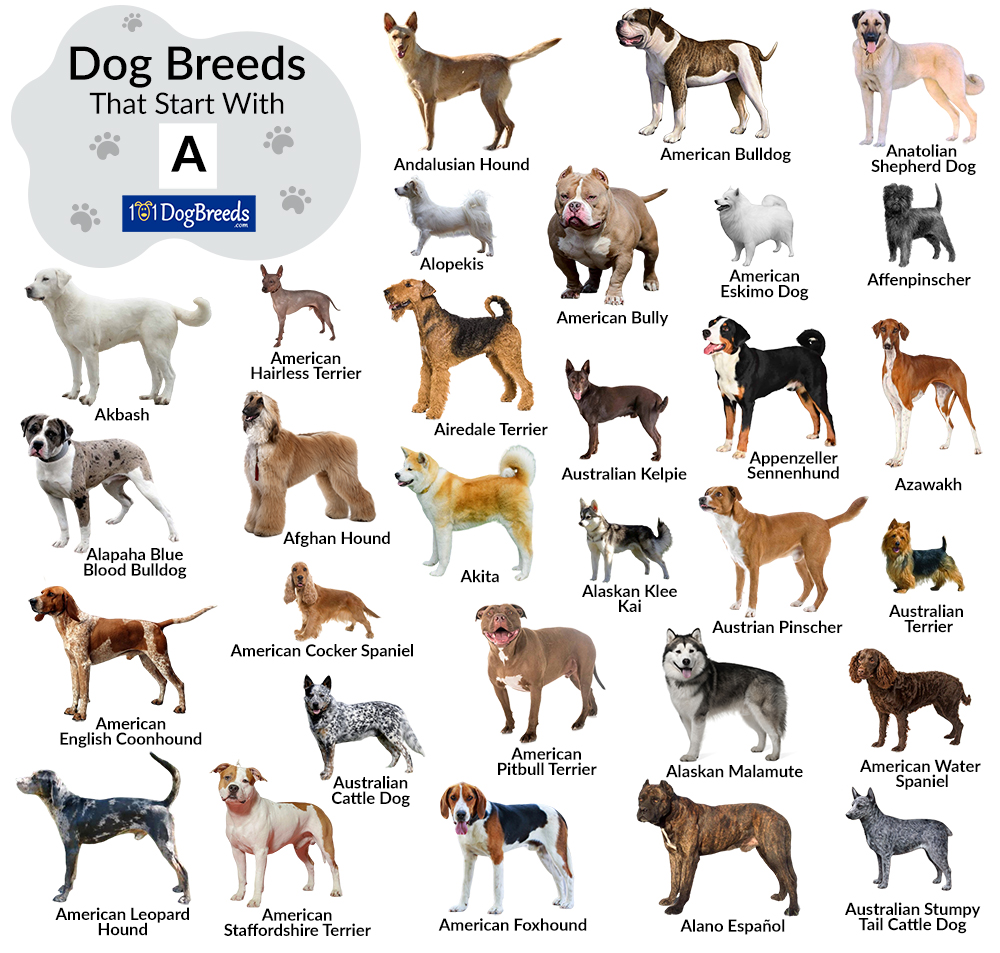
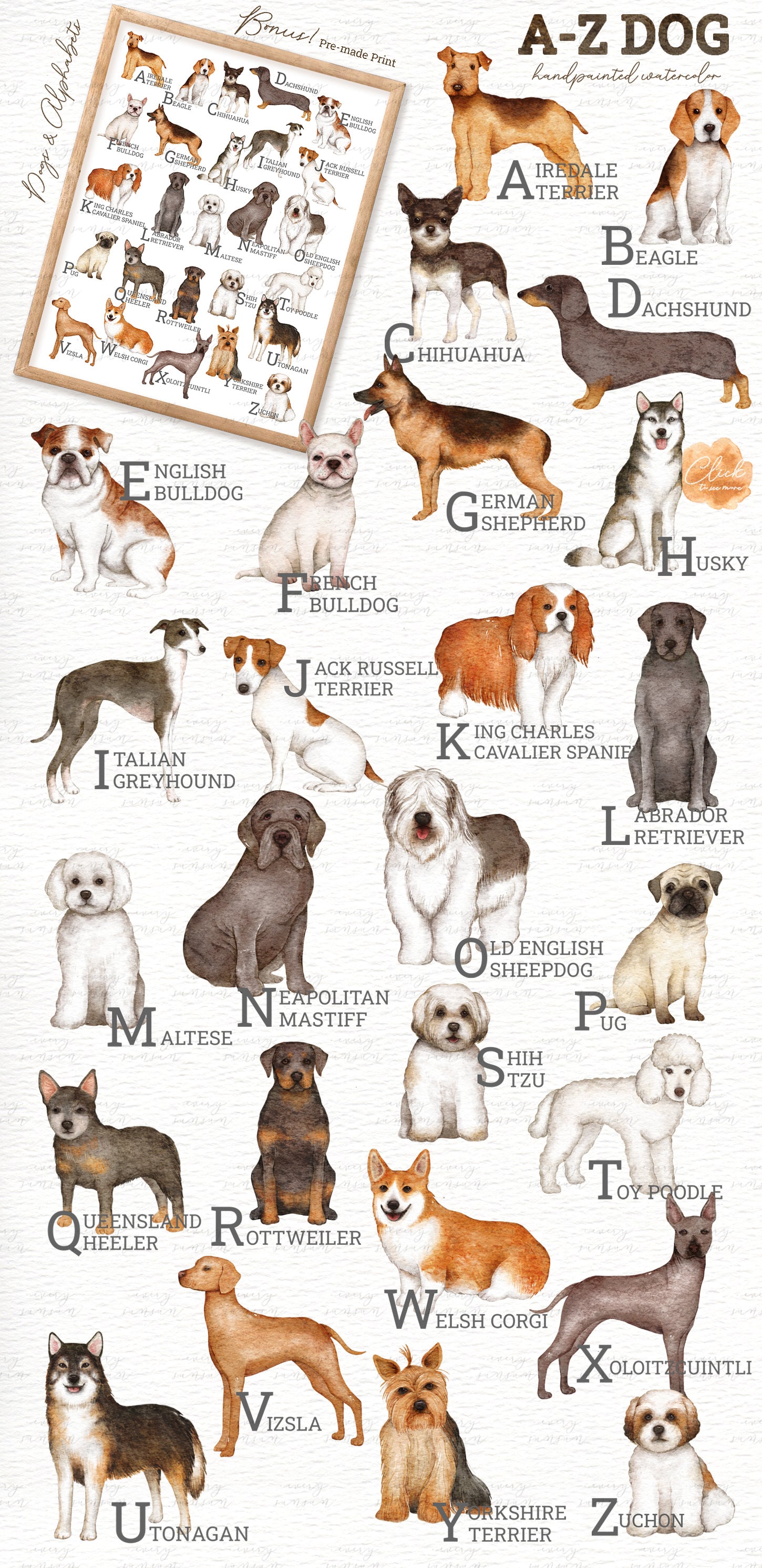
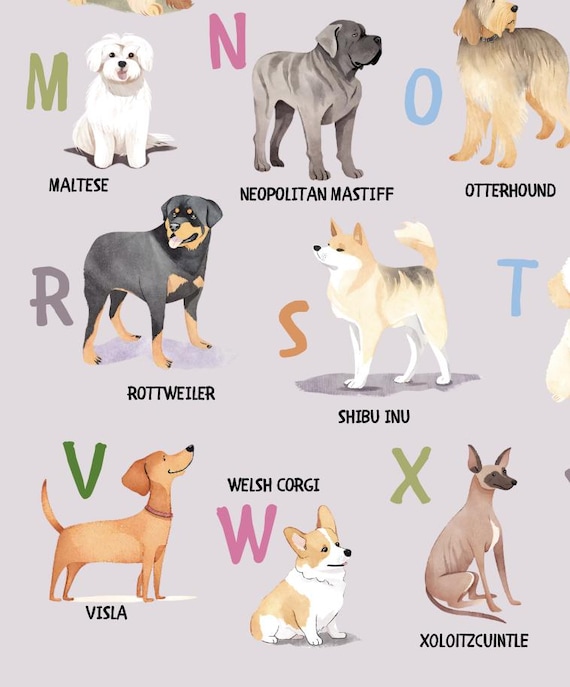
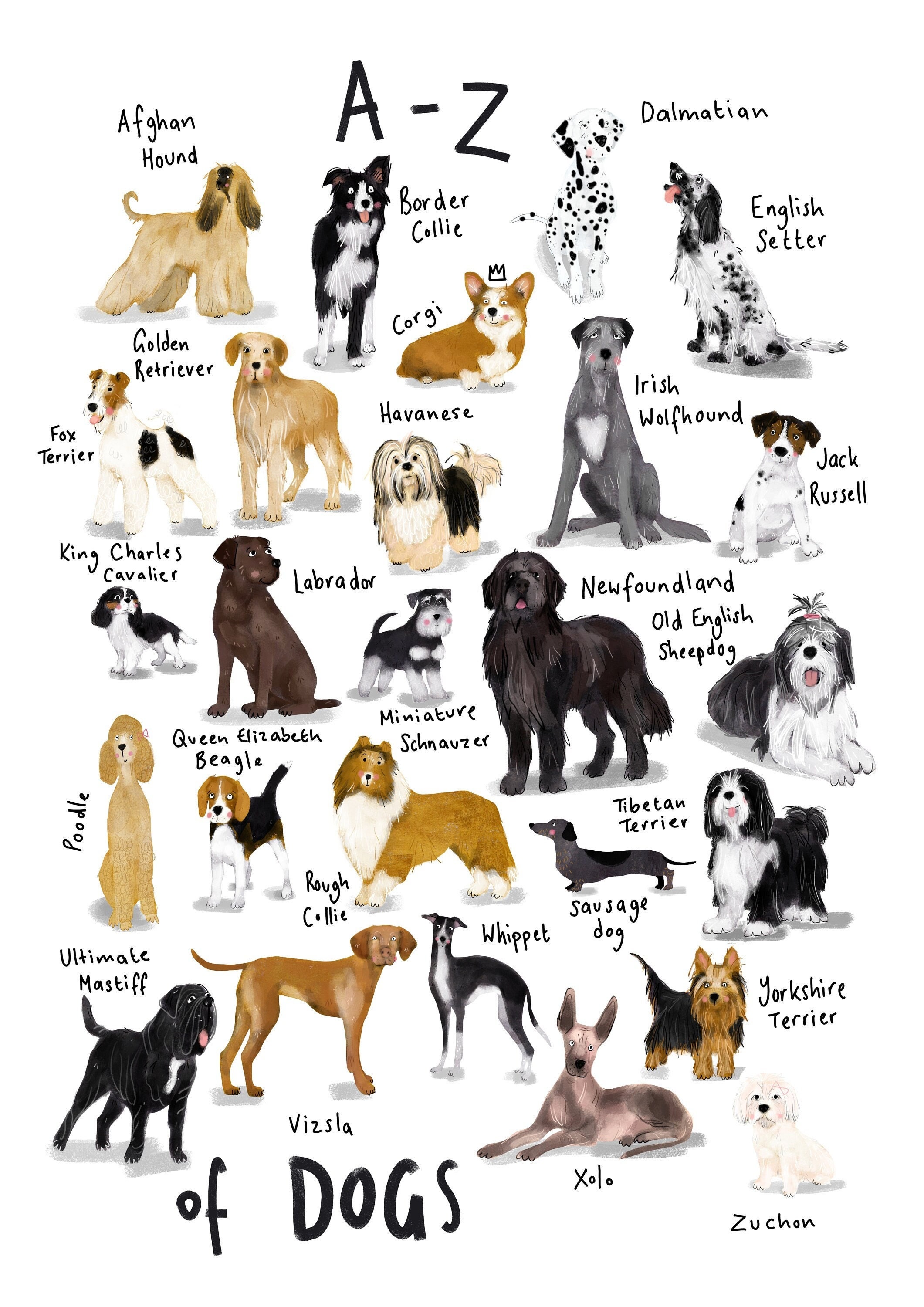
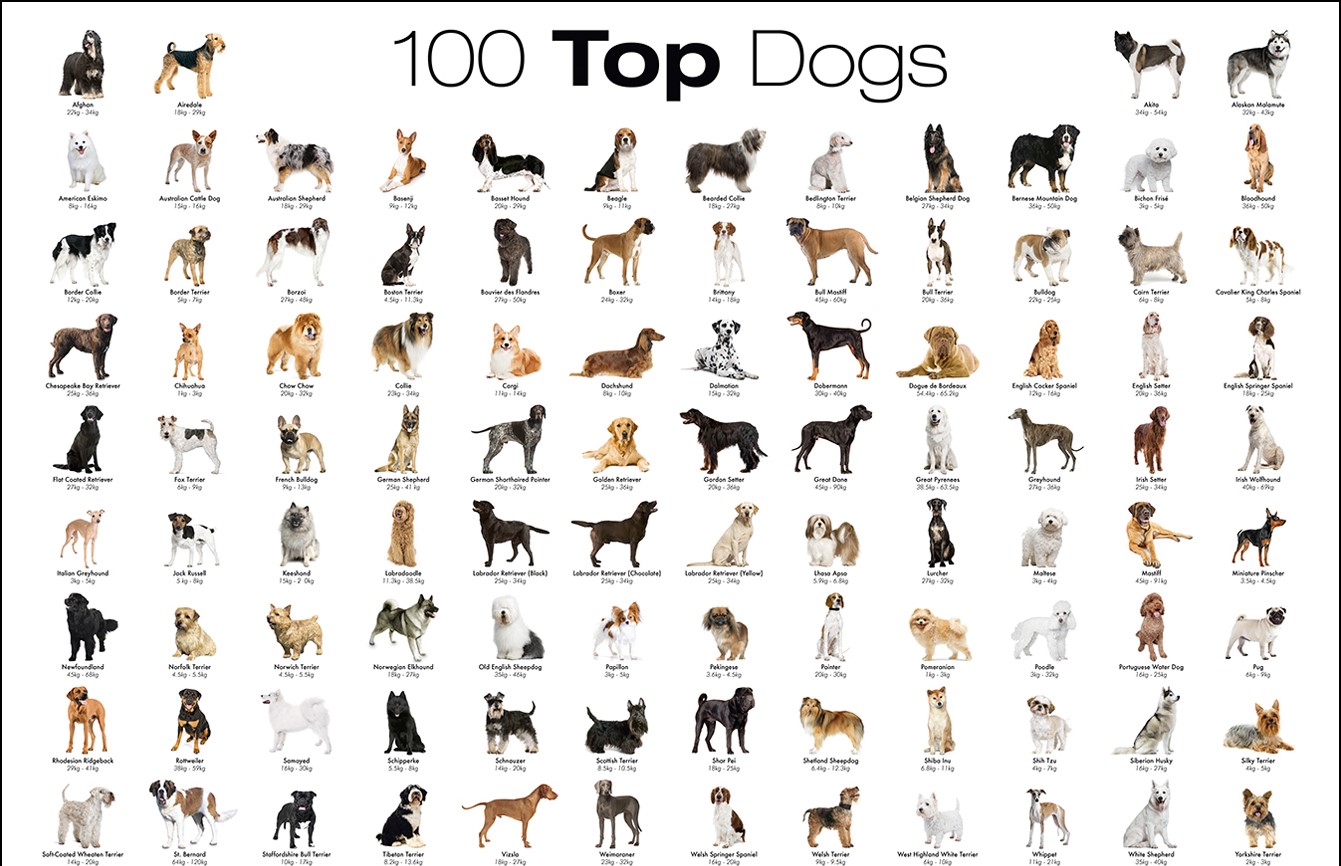
A comprehensive dog breeds a-z list serves as an exhaustive reference catalog categorizing hundreds of distinct canine phenotypes, physiological traits, and specialized care requirements. According to the American Animal Hospital Association (AAHA), understanding specific breed profiles is foundational for establishing proactive preventative healthcare, tailored nutritional strategies, and targeted behavior modification protocols. Navigating this extensive taxonomy allows animal caregivers and veterinary professionals to anticipate breed-specific predispositions, ranging from brachycephalic respiratory challenges to high-drive working dog stimulation needs. Comprehensive exploration of different lineages enhances everyday pet parenting by aligning daily routines with inherited biological traits. Detailed categorical data supports informed decision-making across diverse Dog Breeds selections.
Pet Wellness & Behavior Snapshot:
- Core Focus: Systematic alphabetical taxonomy detailing distinct canine characteristics, health risks, and management requirements.
- Target Scope: Applied across companion animal veterinary diagnostics, behavioral assessments, and specialized nutrition planning.
- Key Recommendation: Cross-reference individual lineage profiles with professional veterinary evaluations before establishing daily husbandry regimens.
Core Principles and Detailed Overview
Systematic alphabetical organization of canine lineages provides immediate access to critical physiological metrics, behavioral tendencies, and veterinary risk factors unique to each group. Every entry within a complete taxonomy encapsulates specific metabolic baselines, coat maintenance demands, exercise quotas, and genetic predisposition markers. Recognizing these baseline indicators allows caregivers to monitor subtle shifts in physical vitality or psychological well-being. For instance, large-working classifications require advanced joint support and complex cognitive engagement, whereas companion toy groups often demand precision dental monitoring and modified caloric density. Integrating these parameters ensures that daily husbandry adapts to the exact physiological blueprint of the animal, promoting systemic wellness and longevity across the Pets spectrum.
Key Specifications and Breakdown
| Observed Indicator / Factor | Veterinary & Behavioral Explanation | Actionable Management Protocol |
|---|---|---|
| Metabolic Rate Variations | Basal energy requirements fluctuate drastically between high-energy sporting dogs and sedentary companion types, directly impacting Dog Nutrition requirements. | Calculate precise daily caloric intake using weight, age, and activity coefficients validated by clinical veterinary guidelines. |
| Breed-Specific Behavioral Drives | Inherited motor patterns like herding, guarding, or retrieving dictate specific canine behavioral cues that require appropriate outlets. | Implement structured Dog Training sessions that redirect instinctual drives into positive, safe activities. |
| Hereditary Health Predispositions | Genetic filtering and selective breeding create known vulnerabilities to specific pathologies, necessitating vigilant Dog Health screenings. | Schedule routine diagnostic panels and physical examinations focusing on known familial vulnerabilities for the specific lineage. |
Comprehensive preventative healthcare requires aligning daily husbandry, parasite control protocols, and nutritional management with the exact physiological and genetic profile documented for each individual canine lineage. — American Veterinary Medical Association (AVMA)
Step-by-Step Practical Application and Guidelines
Utilizing a structured alphabetical index involves matching specific physiological and psychological traits against daily care routines to ensure optimal animal welfare. Caregivers begin by identifying the primary and secondary lineage markers of the companion animal using verified reference charts. Next, veterinary professionals evaluate the reported exercise needs, coat type, and known health vulnerabilities to design customized preventative care schedules. Nutritional formulations are subsequently adjusted to match the predicted metabolic burn rate and adult body condition score. Finally, behavioral enrichment is tailored to satisfy inherent cognitive drives, preventing stress-related maladaptive habits. Detailed insights regarding Dog Behavior further refine these daily intervention strategies.
Common Challenges and How to Avoid Them
Failing to account for specialized breed traits often leads to severe behavioral frustration, nutritional imbalances, and unaddressed hereditary pathology. A frequent oversight involves applying a generalized care regimen to specialized working or hound groups, triggering anxiety, destructive chewing, or obsessive-compulsive behaviors due to under-stimulation. Another critical error is ignoring early clinical signs of breed-specific disorders, such as hip dysplasia in large molosser types or tracheal collapse in small toy breeds. Caregivers avoid these pitfalls by consulting comprehensive reference indexes, establishing baseline veterinary screenings, and implementing targeted Dog Care modifications before clinical issues manifest.
💬 Frequently Asked Questions
Explore More Pet Care and Animal Health Guides on PetsAnimalsWorld
Mastering canine biology, behavioral psychology, and preventative medicine requires continuous education across diverse animal care domains. Caregivers and enthusiasts are encouraged to explore the comprehensive resource library available directly through Pets Animals World to access advanced veterinary insights, expert training methodologies, and up-to-date animal welfare guidelines.
Visual Reference Gallery