Understanding the Role of Technology in Modern Canine Management
The landscape of canine husbandry has evolved significantly, introducing numerous technological tools designed to assist guardians with management and safety. According to the American Society for Prevention of Cruelty to Animals, modern animal care requires a thoughtful balance between effective communication and the psychological well-being of the animal. Selecting appropriate tools for daily routines demands careful consideration of both physical safety and behavioral impact. Modern gear ranges from basic identification tags to sophisticated electronic communication devices, each carrying distinct implications for the human-animal bond.
💡 Pet Care Key Takeaways:
- Core Focus: Practical health, nutrition, and wellness guidelines for Dog Care Remote Collar.
- Target Scope: Pet owners, animal caregivers, and veterinary support staff.
- Best Recommendation: Maintain consistent daily routines and consult an accredited veterinarian before introducing major diet or medical changes.
Defining the Dog Care Remote Collar and Its Mechanics
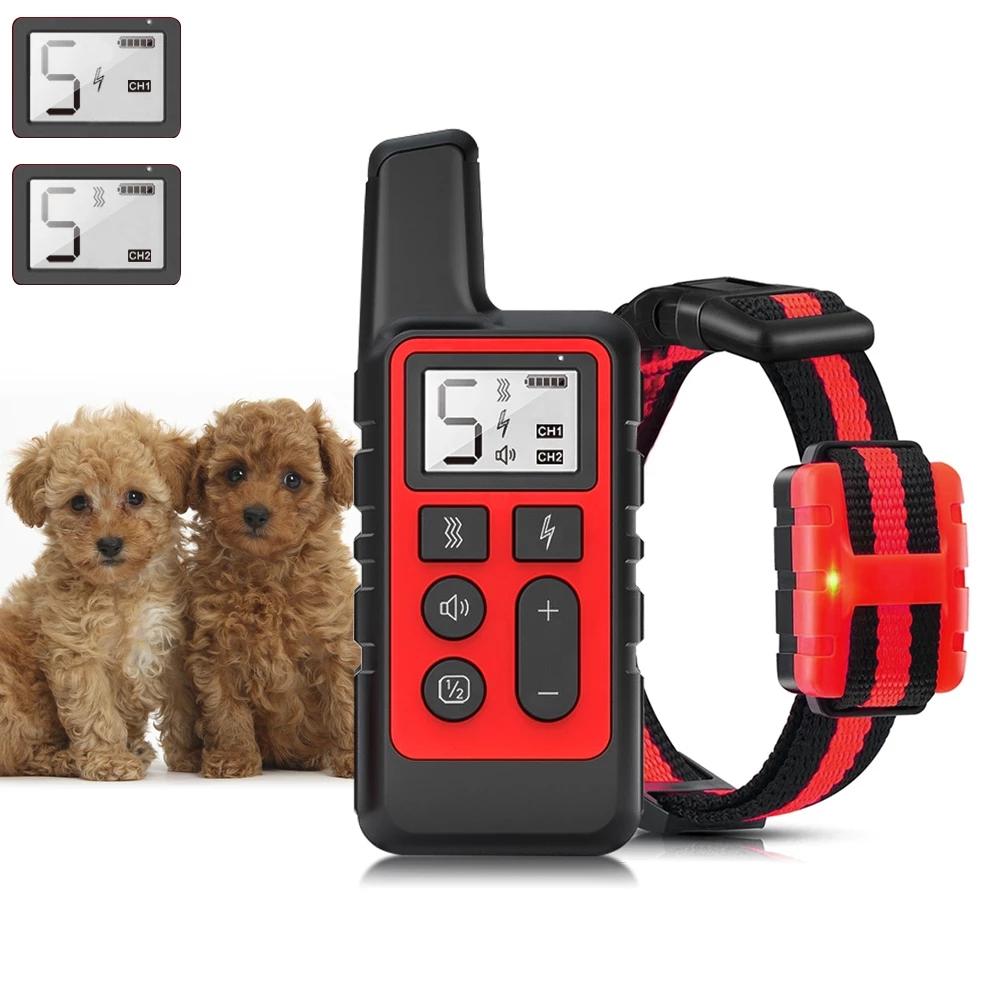
A dog care remote collar typically refers to an electronic training device consisting of a handheld transmitter operated by a human and a receiver unit attached to the canine’s neck strap. These devices are engineered to deliver various forms of remote feedback, ranging from audible tones and mechanical vibration to static electrical stimulation of adjustable intensity. The primary purpose of such equipment is to communicate cues across a distance, particularly when voice commands fail due to environmental distractions or distance. Understanding the technical mechanics requires acknowledging that these instruments rely on operant conditioning principles, specifically the application of consequences to modify frequency of actions.
Behavioral and Psychological Implications of Electronic Devices
The implementation of electronic remote equipment frequently influences stress responses, emotional stability, and overall trust between the dog and the guardian. Certified behavioral professionals emphasize that aversives—stimuli the animal seeks to avoid—can sometimes trigger anxiety, confusion, or defensive reactivity if misapplied. Canine behavior heavily relies on predictable patterns and clear associative learning. When feedback timing is misaligned by even a fraction of a second, the animal may associate the unpleasant sensation with the wrong stimulus, such as the approach of another person or the guardian themselves, rather than the intended misbehavior.
Behavioral science indicates that positive reinforcement methods generally yield more reliable long-term compliance without the associated risks of stress-induced reactivity found with aversive-based tools. — Association of Professional Dog Trainers
Implementing Positive Alternatives and Humane Management Strategies
Establishing reliable obedience without relying on electronic stimulation involves structured Dog Training frameworks centered on clear communication and motivation. Effective management prioritizes environmental setup, proactive supervision, and high-value rewards to reinforce desirable choices. Long lines and secure training enclosures offer physical safety during distance work without introducing unpredictable sensations. Consistency in cue delivery, paired with patience, fosters an environment where the animal learns through understanding rather than avoidance.
Best Practices and Common Pitfalls in Canine Equipment Use
Navigating modern management tools requires strict adherence to safety protocols and an awareness of common operational errors. A frequent mistake involves turning intensity levels too high, which can cause physical discomfort or psychological distress. Furthermore, leaving any receiver unit attached to the neck for extended periods can lead to skin irritation known as pressure necrosis, a medical condition requiring veterinary attention. Guardians must regularly inspect the skin beneath any neck apparatus and limit wear time strictly to active training or containment sessions.
Prolonged contact with device contact points can cause localized skin inflammation and tissue damage if the equipment is worn continuously beyond recommended daily limits. — American Veterinary Medical Association
Pet Care & Wellness Overview Table
| Life Stage | Daily Activity Level | Key Nutrition / Care Focus |
|---|---|---|
| Puppy / Kitten | High (frequent short bursts) | High-protein growth diet & early socialization |
| Adult Companion | Moderate (30–60 mins daily) | Balanced maintenance nutrition & dental hygiene |
| Senior Pets | Low to Gentle (mindful walks) | Joint support (Glucosamine) & routine vet checks |
Images References




Breed, Age, and Temperament Considerations in Equipment Selection
Individual characteristics such as breed sensitivity, age, size, and baseline temperament dramatically alter how a dog perceives external pressures. Sensitive breeds or young puppies require exceptionally gentle guidance, as harsh corrections can severely impact their confidence and development. Exploring general Dog Breeds profiles helps guardians understand natural predispositions, drive levels, and reactivity thresholds. Equipment that might appear manageable for a robust working dog can prove entirely inappropriate for a timid companion animal.
When to Consult a Veterinary Professional or Certified Trainer
Professional guidance becomes essential when addressing persistent behavioral challenges, sudden reactivity, or signs of chronic stress in a companion animal. Certified animal behaviorists and veterinarians can uncover underlying medical or psychological causes for disobedience that equipment alone cannot resolve. Anyone experiencing difficulties with obedience, fear, or anxiety should seek assistance from professionals who utilize humane, evidence-based methodologies. Maintaining comprehensive Dog Health and emotional well-being remains the ultimate priority for responsible animal stewardship.
Building a Harmonious Relationship Through Compassionate Guidance
Creating a balanced, joyful environment relies on mutual understanding, empathy, and evidence-based care practices. Exploring resources on Dog Care empowers guardians to make informed choices that prioritize safety and long-term happiness. Visit PetsAnimalsWorld.com to discover more articles, training guides, and expert advice dedicated to enriching the lives of canine companions everywhere.