

Establishing Consistent Daily Habits for Canine Well-Being
Establishing a reliable daily schedule is fundamental to supporting canine health, emotional stability, and longevity. According to the American Society for Prevention of Cruelty to Animals (ASPCA), predictable environments help minimize stress and anxiety in companion animals, allowing them to feel secure in their surroundings. When pet owners implement structured patterns for feeding, physical activity, and rest, animals quickly learn what to expect, which decreases undesirable stress behaviors such as excessive vocalization or destructive chewing. Structuring these daily responsibilities requires careful planning, consistency, and an understanding of individual physiological and psychological needs.
💡 Pet Care Key Takeaways:
- Core Focus: Practical health, nutrition, and wellness guidelines for Dog Care Routine.
- Target Scope: Pet owners, animal caregivers, and veterinary support staff.
- Best Recommendation: Maintain consistent daily routines and consult an accredited veterinarian before introducing major diet or medical changes.
Defining the Elements of a Comprehensive Care Plan
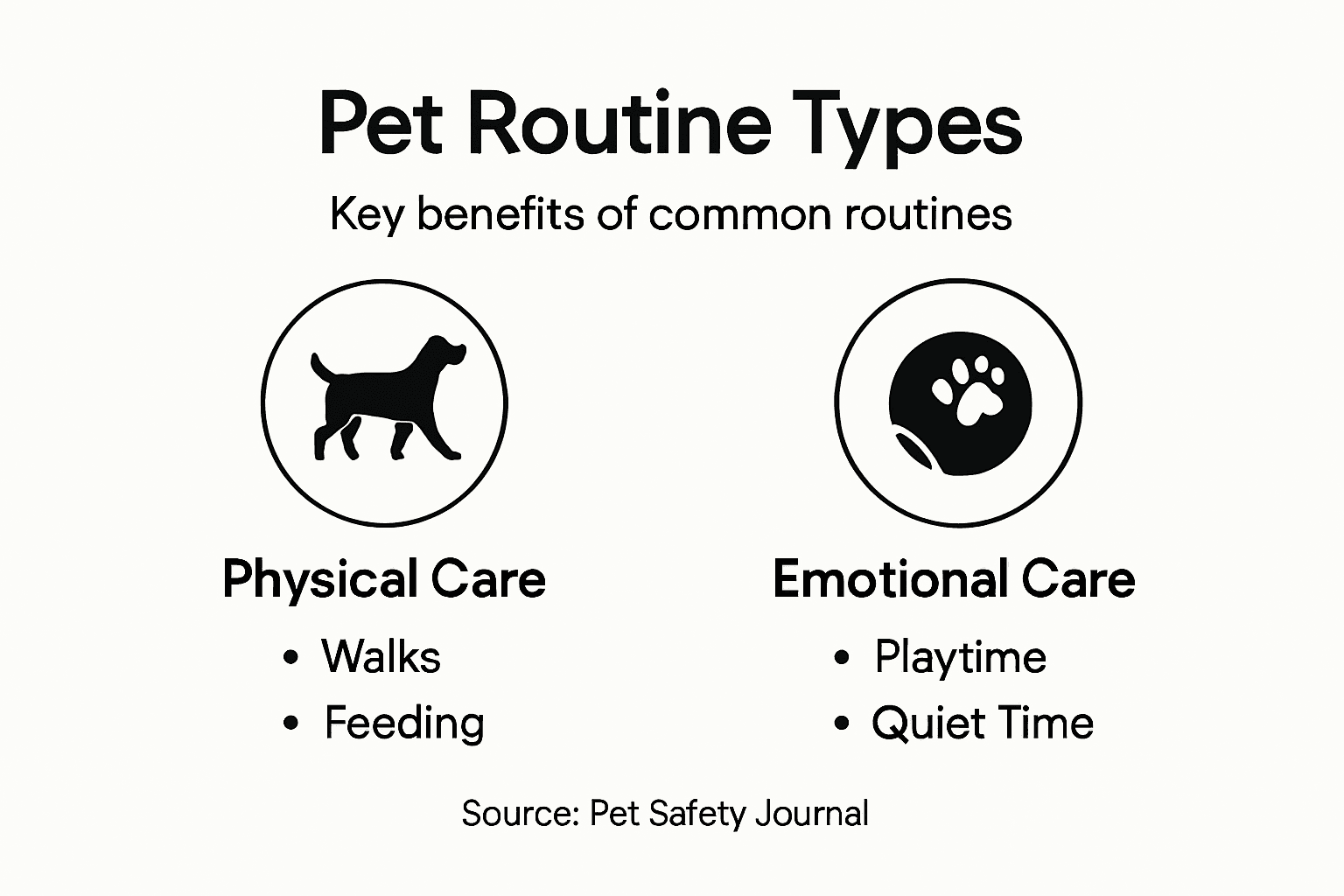
A comprehensive schedule encompasses all aspects of daily maintenance, including nutrition, exercise, grooming, mental stimulation, and rest. Canine wellness relies heavily on meeting core biological requirements systematically rather than sporadically. Dietary management involves scheduled meals appropriate for the animal’s specific life stage, size, and health status, supporting optimal metabolism and body condition score. Physical activity ranges from brisk walks and games of fetch to structured exploration, which helps maintain cardiovascular health, joint mobility, and muscular strength. Furthermore, incorporating time for rest ensures that the nervous system recovers adequately from daily stimuli. For more related activities, check out our Dog Care Shock Collar Instructions.
The Physiological and Behavioral Impact of Daily Structure
Maintaining predictable daily rhythms directly influences hormonal balance, digestion, and emotional equilibrium in domestic dogs. Circadian rhythms—internal biological clocks—regulate sleep-wake cycles, hormone release, and metabolic processes, aligning them naturally with consistent routines. When feeding and walking times fluctuate wildly, digestive processes can be disrupted, and baseline cortisol levels—associated with stress—may elevate. Consistent positive engagement also strengthens the human-animal bond, fostering trust and clear communication between the owner and the animal.
Predictable daily routines significantly reduce stress-related behavioral issues by providing a sense of environmental security and control. — American Society for Prevention of Cruelty to Animals (ASPCA)
Implementing and Managing a Sustainable Schedule
Developing a practical plan involves evaluating household constraints, work schedules, and the specific needs of the animal to ensure consistency. Mornings typically begin with elimination breaks and breakfast, followed by an opportunity for physical activity or mental enrichment before the household settles into work or school responsibilities. Splitting daily exercise into multiple shorter sessions often proves more manageable and beneficial than one exhausting workout, particularly for active breeds. Evening schedules generally mirror the morning cadence, providing a structured transition into nighttime resting periods.
Best Practices and Common Mistakes in Animal Maintenance
Prioritizing consistency while remaining flexible enough to adapt to unexpected schedule changes prevents unnecessary anxiety for the animal. One common mistake involves overwhelming young dogs with excessive exercise before growth plates have fully closed, which can lead to lifelong joint issues. Another pitfall is ignoring signs of fatigue or overstimulation during training or play sessions. Incorporating quiet time in a designated crate or safe zone allows the animal to decompress independently, promoting emotional regulation and healthy rest habits.
Proper portion control and scheduled feeding times are critical measures for preventing canine obesity and associated metabolic disorders. — Association of American Feed Control Officials (AAFCO)
Pet Care & Wellness Overview Table
| Life Stage | Daily Activity Level | Key Nutrition / Care Focus |
|---|---|---|
| Puppy / Kitten | High (frequent short bursts) | High-protein growth diet & early socialization |
| Adult Companion | Moderate (30–60 mins daily) | Balanced maintenance nutrition & dental hygiene |
| Senior Pets | Low to Gentle (mindful walks) | Joint support (Glucosamine) & routine vet checks |
Images References




Age, Breed, and Health Considerations in Daily Management
Individual characteristics such as breed heritage, current age, and underlying health conditions dictate necessary adjustments to the daily plan. Working or herding groups typically demand significantly higher levels of cognitive engagement and physical exertion than companion or toy groups. Senior animals require modified exercise intensity to protect arthritic joints, alongside more frequent veterinary check-ups to monitor age-related conditions. Understanding these specific biological profiles ensures that the adopted practices match the animal’s true capacity rather than imposing generic expectations that fail to fit the individual.
When to Consult a Veterinarian or Professional
Professional guidance becomes necessary whenever sudden behavioral shifts, chronic lethargy, unexplained changes in appetite, or signs of physical pain emerge. For suspected poisoning, difficulty breathing, seizures, collapse, severe bleeding, or other potentially urgent conditions, immediate veterinary care is essential. Do not advise inducing vomiting, giving human medication, or using home remedies for poisoning unless specifically directed by an appropriate veterinary professional. For persistent aggression, intense fear, or severe anxiety, owners should seek assistance from a qualified, appropriately certified trainer or veterinary behaviorist rather than attempting punitive correction methods.
Closing Thoughts on Maintaining Long-Term Wellness
Maintaining an organized lifestyle requires dedication, observation, and an openness to adjusting practices as the animal matures and grows. By integrating reliable daily habits with proper nutrition and attentive health monitoring, owners lay the groundwork for a long, healthy life. Explore further resources on Dog Care, Dog Health, Dog Training, and Dog Behavior to deepen your knowledge. Visit PetsAnimalsWorld.com for continuous guidance on supporting your animal companion.


