

Introduction
Dog leash training is a fundamental aspect of responsible pet ownership, referring to the process of teaching a canine companion to walk politely on a leash without pulling, lunging, or lagging. This essential skill ensures safer and more enjoyable outings for both the dog and its handler, fostering a harmonious relationship built on clear communication and mutual respect. Issues with leash manners commonly arise in various situations, such as with energetic puppies unfamiliar with boundaries, rescue dogs with unknown pasts, or even adult dogs that have developed undesirable habits over time. A well-trained dog on a leash is less likely to escape, encounter dangerous situations, or cause discomfort to others, significantly improving the dog’s well-being, behavior, and overall quality of life by allowing for enriching outdoor experiences in a controlled manner.
💡 Pet Care Key Takeaways:
- Core Focus: Practical health, nutrition, and wellness guidelines for Dog Leash Training.
- Target Scope: Pet owners, animal caregivers, and veterinary support staff.
- Best Recommendation: Maintain consistent daily routines and consult an accredited veterinarian before introducing major diet or medical changes.
Common Causes and Key Factors
Understanding the underlying reasons for challenges in dog leash training is crucial for effective intervention. One primary factor is a lack of early socialization and formal training; puppies not properly introduced to a leash and collar, or taught basic walking etiquette, often struggle later in life. Environmental stimuli and the dog’s natural instincts also play a significant role. High levels of excitement or overstimulation from sights, sounds, and smells can lead a dog to pull vigorously, driven by an innate desire to explore or interact. Conversely, fear or anxiety can cause a dog to pull away from perceived threats or lunge defensively towards triggers. For more related activities, check out our Kikkopupbiting.
A dog’s energy levels are another key consideration; insufficient daily exercise can result in pent-up energy that manifests as exuberant, uncontrolled pulling during walks. Inconsistent training methods among family members can also create confusion for the dog, making it difficult to understand expectations. Furthermore, the choice of equipment can contribute to poor leash manners. Retractable leashes, for instance, often inadvertently teach a dog that pulling extends their reach, while ill-fitting collars can cause discomfort, leading to resistance. Some breeds also have a stronger natural predisposition to pull due to their historical roles as working or sled dogs, making consistent and early training even more vital.
Signs and Symptoms to Observe
Identifying specific behaviors related to problematic dog leash training helps in tailoring appropriate solutions. The most obvious sign is consistent pulling, where the dog strains against the leash, often causing discomfort to both the dog’s neck and the handler’s arm. This can manifest as the dog leading the handler forward with significant force, making walks strenuous rather than relaxing. Lunging is another common indicator, characterized by sudden, forceful movements towards other dogs, people, or objects. This behavior often suggests reactivity or overexcitement and can be startling or even dangerous.
Conversely, a dog might exhibit lagging, dragging behind the handler and resisting forward movement, which can stem from fear, anxiety, or simply a lack of motivation. A tangled leash, where the dog weaves back and forth or crosses in front of the handler repeatedly, signifies a lack of spatial awareness and control. More concerning signs include overt reactivity such as barking, growling, or snapping while on the leash, indicating a need for more intensive behavioral modification. Physical signs like coughing or gagging, particularly with a flat collar, point to excessive pressure on the dogs trachea from constant pulling. In some cases, a dog might even show reluctance to walk altogether once the leash is attached, suggesting a negative association with the experience. These signs can vary based on the dog’s age, breed, and temperament, but all signal an opportunity for improved training.
Practical Solutions and Management Strategies
Effective dog leash training hinges on consistent application of appropriate techniques and equipment. The first step involves selecting the right gear. A fixed-length leash, typically 4 to 6 feet long, provides consistent control and clear communication, unlike retractable leashes which can encourage pulling and offer less security. For dogs that pull significantly, a front-clip harness or a head halter can be highly effective. Front-clip harnesses redirect the dog’s forward momentum when it pulls, gently turning its body, while head halters offer control similar to a horse’s halter, guiding the dog’s head and thus its direction.
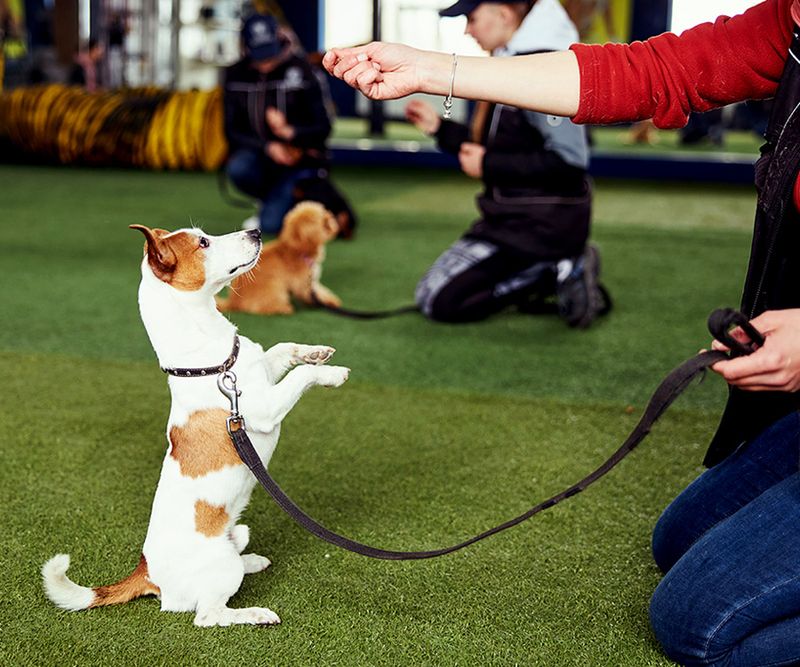
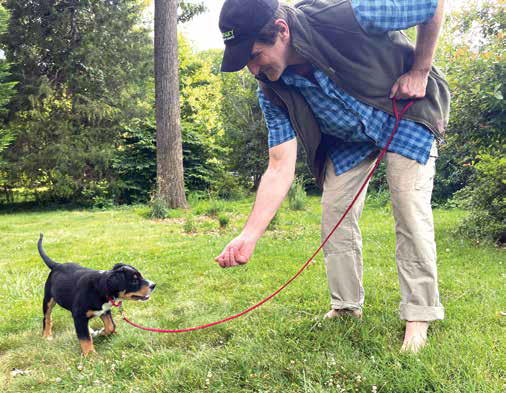
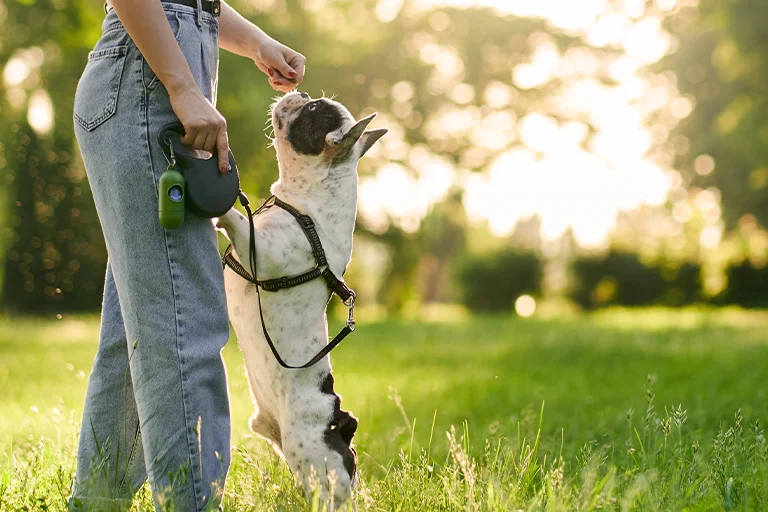
Training techniques should focus on positive reinforcement. The “Stop and Go” method is widely recommended: when the dog pulls ahead, the handler immediately stops. Movement only resumes once the leash goes slack, teaching the dog that pulling halts progress. Similarly, the “Change Direction” technique involves abruptly changing direction every time the dog pulls, requiring it to pay attention and follow. Rewarding loose-leash walking with high-value treats and praise reinforces the desired behavior. Consistency is paramount; all individuals walking the dog should employ the same commands and techniques to avoid confusing the animal. Short, frequent training sessions, especially for puppies, are more effective than long, infrequent ones, gradually increasing the duration as the dog improves. For dogs exhibiting reactivity, a structured program of desensitization and counter-conditioning, introducing triggers at a controlled distance while pairing them with positive experiences, can be highly beneficial. Ensuring the dog receives adequate exercise and mental stimulation before a walk can also help manage excess energy and improve focus.
When Professional Help May Be Needed
While many leash training challenges can be addressed with consistent effort and positive reinforcement, there are situations where professional intervention becomes highly advisable. If a dog exhibits persistent aggressive or highly reactive behaviors on the leash, such as severe lunging, growling, or attempts to bite other dogs or people, a certified professional dog trainer or a veterinary behaviorist should be consulted. These specialists possess the expertise to diagnose underlying behavioral issues, such as fear aggression or extreme anxiety, and can develop a tailored modification plan.
Severe pulling that causes injury to either the dog or the handler, or that significantly impacts the handler’s ability to control the dog safely, also warrants professional guidance. Similarly, if a handler has diligently applied various training strategies over several weeks or months without observing significant progress, a professional can offer fresh perspectives, identify overlooked factors, and refine techniques. Dogs exhibiting extreme anxiety or fear during walks, manifesting as shaking, tail tucking, excessive panting, or strong avoidance behaviors, may benefit from the intervention of a veterinary behaviorist who can assess for medical conditions or prescribe appropriate supportive therapies. For new canine companions, particularly rescue dogs with unknown histories or significant behavioral challenges, an early consultation with a professional trainer can lay a strong foundation for successful integration and training.
Conclusion
Mastering dog leash training is an indispensable part of nurturing a well-adjusted and happy canine companion. It transforms what can be a stressful chore into an enjoyable shared activity, enhancing safety for the dog, the handler, and the community. The journey involves understanding the common reasons behind poor leash manners, recognizing the observable signs of these challenges, and implementing practical, positive reinforcement-based solutions. Consistency, patience, and the appropriate tools are critical components of success. While many owners can achieve excellent results independently, knowing when to seek the guidance of a professional trainer or veterinary behaviorist is a mark of responsible pet ownership, ensuring that complex issues are addressed effectively. Ultimately, dedicating time to proper dog leash training strengthens the bond between a dog and its handler, paving the way for countless confident and adventurous outings together.
Pet Care & Wellness Overview Table
| Life Stage | Daily Activity Level | Key Nutrition / Care Focus |
|---|---|---|
| Puppy / Kitten | High (frequent short bursts) | High-protein growth diet & early socialization |
| Adult Companion | Moderate (30–60 mins daily) | Balanced maintenance nutrition & dental hygiene |
| Senior Pets | Low to Gentle (mindful walks) | Joint support (Glucosamine) & routine vet checks |
Images References


For more expert pet care tips and advice, check out our dedicated Dog Training guides to keep your companions healthy and happy.




