Introduction
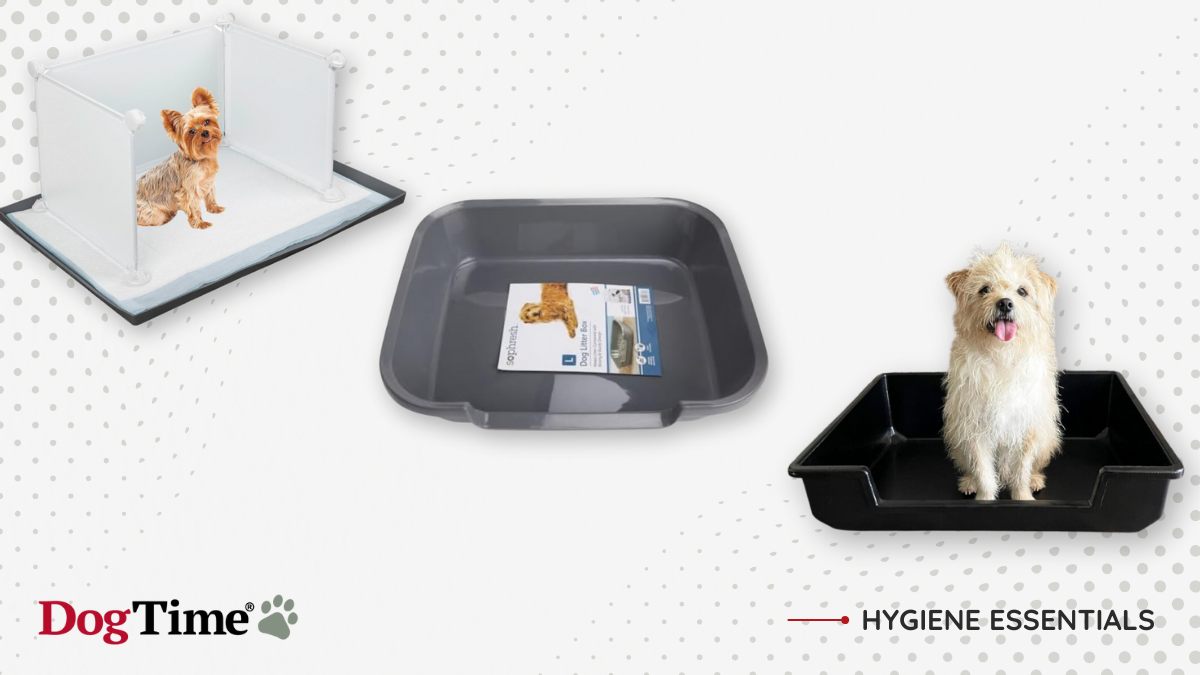
The concept of a “dog litter box” often evokes images of feline counterparts, but for canines, this term refers to an indoor toilet solution designed to help dogs relieve themselves in a designated area within a home environment. Unlike a cat’s litter box which typically contains absorbent granules, a dog litter box usually consists of a tray holding absorbent pads, synthetic grass, or even specialized pellets. This indoor potty solution serves as a valuable tool for dog owners facing unique challenges, such as living in apartments without immediate outdoor access, navigating extreme weather conditions, or caring for puppies, elderly, or mobility-impaired dogs. Understanding the proper use and benefits of a dog litter box can significantly improve a dogs well-being by providing a consistent, accessible, and stress-free option for elimination, thereby fostering a cleaner home and a more harmonious living arrangement. Explore more in our Dog Training collection.
💡 Pet Care Key Takeaways:
- Core Focus: Practical health, nutrition, and wellness guidelines for Dog Litter Box.
- Target Scope: Pet owners, animal caregivers, and veterinary support staff.
- Best Recommendation: Maintain consistent daily routines and consult an accredited veterinarian before introducing major diet or medical changes.
Common Causes and Key Factors
Several factors contribute to the decision to incorporate a dog litter box into a dog’s routine. For puppies, a dog litter box is an invaluable aid in the early stages of house-training, allowing them to learn appropriate elimination habits before they develop full bladder control or are fully vaccinated for outdoor excursions. Environmental challenges frequently necessitate indoor potty solutions; extreme weather conditions such as torrential rain, heavy snow, or scorching heat can make outdoor potty breaks uncomfortable or unsafe for dogs and their handlers. For more related activities, check out our Puppy Bites Skin Not Toys Overstimulated Veterinary Behaviorist Management.
Urban dwelling and apartment living also play a significant role. For dogs residing in high-rise buildings, frequent trips outdoors can be impractical due to elevator waits or long distances to designated potty areas. Furthermore, senior dogs or those with mobility issues, chronic illnesses like kidney disease or diabetes that increase urination frequency, or temporary injuries often benefit from an easily accessible indoor option. A dog litter box minimizes discomfort and the risk of accidents, providing dignity and convenience for these dogs. Owners with demanding schedules or limited mobility themselves may also find this solution offers essential support in meeting their dog’s needs. Discover more free resources across our collection library.
Signs and Symptoms to Observe
While a dog litter box is a solution rather than a response to a problem, observing specific behaviors or situations indicates when such a system could be highly beneficial. For instance, a young puppy exhibiting frequent urination and defecation indoors, especially shortly after waking, eating, or playing, signals a need for immediate and consistent potty training, for which a dog litter box can be a prime tool.
In older or mobility-challenged dogs, signs such as hesitancy to go down stairs, struggling to stand or walk long distances, or increased frequency of indoor accidents despite regular outdoor opportunities, suggest that an accessible indoor relief area would improve their quality of life. Dogs that consistently refuse to go outside during adverse weather conditions, demonstrating anxiety or discomfort, also highlight a situation where an indoor potty solution could prevent stress and unwanted indoor messes. Observing these indicators helps determine the appropriate time to introduce a dog litter box, catering to a dog’s evolving needs and circumstances.
Practical Solutions and Management Strategies
Implementing a dog litter box system effectively requires careful selection, strategic placement, and consistent training. Choosing the right type of litter box is crucial; options range from simple trays with absorbent pads to systems with synthetic grass or specialized pellets designed to mimic natural surfaces. The size of the box should be appropriate for the dog, allowing ample space to turn around comfortably.
Placement of the dog litter box is key for successful use. It should be situated in a quiet, easily accessible location away from food and sleeping areas, but close enough for convenience. Consistency in location helps a dog understand its designated purpose. Training involves positive reinforcement; dogs should be encouraged and praised immediately upon successful use of the box. Regular scheduled trips to the box, particularly after waking, eating, and playing, reinforce the desired behavior. Using an enzymatic cleaner for any accidents outside the box is vital to eliminate odors that might encourage repeat incidents. Maintaining impeccable hygiene of the dog litter box itself, through daily cleaning and replacement of pads or materials, prevents odors and ensures the dog continues to use the area. For dogs primarily using outdoor facilities, a litter box can serve as an emergency option, supplementing rather than replacing regular outdoor exercise and mental stimulation.
When Professional Help May Be Needed
While a dog litter box offers a practical solution for many scenarios, certain situations warrant professional intervention. A sudden onset of incontinence in a previously house-trained dog always necessitates an immediate veterinary consultation. Such changes can indicate underlying medical conditions, including urinary tract infections, kidney disease, diabetes, or cognitive dysfunction, which require proper diagnosis and treatment.
If a dog struggles to learn to use the litter box despite consistent, positive training efforts, or if behavioral issues like marking or anxiety are evident, consulting a professional dog trainer or veterinary behaviorist is advisable. These experts can provide tailored training plans, identify behavioral triggers, and address any stress or fear that might be hindering progress. For dogs requiring a litter box due to chronic health conditions, regular veterinary check-ups are essential to manage their primary illness and ensure their overall comfort and well-being.
Conclusion
The dog litter box serves as a versatile and valuable tool in a dog owner’s repertoire, offering a practical solution for various living situations, age groups, and physical conditions. It is not merely a convenience but often a necessity that significantly contributes to a dog’s comfort and a household’s harmony. Understanding the factors that necessitate its use, implementing effective training and management strategies, and maintaining a clean environment are all pivotal to its success. By being observant of a dog’s needs and consistent in care, dog owners can effectively integrate a dog litter box into their routine, ensuring a dogs well-being and fostering a stronger bond. This commitment to understanding and adapting to a dog’s specific requirements underscores the responsible approach to pet ownership championed by petsanimalsworld.com.
Pet Care & Wellness Overview Table
| Life Stage | Daily Activity Level | Key Nutrition / Care Focus |
|---|---|---|
| Puppy / Kitten | High (frequent short bursts) | High-protein growth diet & early socialization |
| Adult Companion | Moderate (30–60 mins daily) | Balanced maintenance nutrition & dental hygiene |
| Senior Pets | Low to Gentle (mindful walks) | Joint support (Glucosamine) & routine vet checks |
Images References