

Introduction
The challenge of a dog not being house trained at 1 year old can be a source of significant frustration and concern for owners. While puppies typically grasp house training basics within their first few months, discovering that a dog of one year continues to have accidents indoors indicates a persistent issue that warrants attention. This situation can impact household hygiene, create stress for both the animal and its human companions, and potentially strain the bond between them. Understanding the underlying reasons for delayed or incomplete house training at this age is crucial for developing an effective strategy to resolve the problem, ultimately improving the dog’s well-being, behavior, and overall quality of life within the home environment. Addressing this concern with patience and a structured approach can lead to a more harmonious living situation for everyone involved.
💡 Pet Care Key Takeaways:
- Core Focus: Practical health, nutrition, and wellness guidelines for Dog Not House Trained At 1 Year.
- Target Scope: Pet owners, animal caregivers, and veterinary support staff.
- Best Recommendation: Maintain consistent daily routines and consult an accredited veterinarian before introducing major diet or medical changes.
Common Causes and Key Factors
When a dog is not house trained at 1 year, several factors, ranging from physiological to behavioral, could be at play. It is essential to consider these potential causes systematically. For more related activities, check out our How Much Do Animal Behaviorists Cost.
Medical Conditions: One of the first considerations should always be the dog’s physical health. Underlying medical issues can manifest as house training regression or an inability to grasp the concept. Conditions such as urinary tract infections (UTIs), bladder stones, kidney disease, diabetes, or even certain endocrine disorders can cause increased urination or an inability to control the bladder. Gastrointestinal problems, like inflammatory bowel disease or dietary sensitivities, can lead to frequent or unpredictable defecation. A physical examination by a veterinarian is a critical initial step to rule out these possibilities.
Inconsistent Training and Routine: A common non-medical reason involves inconsistencies in the initial house training process. If the dog was never fully taught where and when to eliminate, or if training methods were unclear, sporadic, or too reliant on puppy pads without a transition to outdoor toileting, the dog may not have generalized the concept. A lack of a consistent schedule for potty breaks, feeding, and water intake can also contribute to accidents. Dogs thrive on routine, and a predictable schedule helps them learn when to expect outdoor opportunities.
Environmental Factors: The dog’s living environment can also play a role. If a dog has been confined to a small area where it has no choice but to soil its living space, it may not develop the natural instinct to keep its den clean. Additionally, a dirty environment or the use of inappropriate cleaning products (which do not neutralize enzymatic odors) can encourage repeat accidents in the same spots, as the lingering scent marks the area as an acceptable toileting zone.
Behavioral and Emotional Issues: Stress, anxiety, or fear can significantly impact a dog’s house training. Separation anxiety, for instance, might lead to elimination accidents when the dog is left alone. Submissive urination can occur when a dog feels threatened or overwhelmed, often during greetings or when reprimanded. Excitement urination is common in some dogs, especially younger ones, during highly stimulating interactions. Territorial marking, particularly in intact males or sometimes females, can also lead to indoor urination on vertical surfaces. A dog’s past experiences, such as being punished for accidents, can also create fear around eliminating in front of an owner, even outdoors.
Signs and Symptoms to Observe
Observing a dog’s specific behaviors related to house training issues provides valuable clues to the underlying problem. While the primary sign is, of course, indoor elimination, the context and manner of these accidents can vary.
Frequent Indoor Accidents: This is the most direct indicator. Accidents may occur throughout the day or night, sometimes shortly after being taken outside. The locations of these accidents can be telling; some dogs may consistently choose specific spots, while others might soil various areas.
Lack of Signaling: A well house-trained dog typically signals its need to go outside through behaviors such as pawing at the door, whining, circling, or going to the owner and staring. A dog that is not house trained at 1 year may exhibit no such signaling, simply eliminating where it stands or goes.
Submissive or Excitement Urination: In these cases, urination is not related to a need to relieve the bladder but is a reflex response to an emotional state. Submissive urination often involves a low posture, averted gaze, and sometimes dribbling urine when interacting with people or other animals perceived as dominant. Excitement urination occurs during highly stimulating moments, such as playtime, greeting an owner, or receiving a treat. The volume of urine is usually small.
Urine Marking: This behavior is distinct from emptying a full bladder. Marking typically involves depositing small amounts of urine, often on vertical surfaces like furniture legs, walls, or curtains. It is a territorial behavior, more common in intact males but also observed in females and neutered males. The dog may lift a leg or squat slightly.
Changes in Elimination Patterns: Any sudden increase in frequency, volume, or difficulty during urination or defecation, or a change in the appearance of stool or urine, warrants immediate veterinary attention. These could point to a medical condition rather than a training issue. For example, straining to urinate, frequent squatting with little output, or blood in the urine are critical signs.
Reluctance to Eliminate Outdoors: Some dogs may be hesitant or fearful of eliminating outside. This could be due to negative experiences, loud noises, or an unfamiliar environment. They might hold it in outdoors and then have an accident as soon as they are back inside the home.
Practical Solutions and Management Strategies
Addressing house training issues in a 1-year-old dog requires a structured, patient, and consistent approach. The focus should be on clear communication, positive reinforcement, and environmental management.
Veterinary Examination: The first and most crucial step is a thorough veterinary check-up to rule out any underlying medical conditions. This includes urinalysis, blood tests, and potentially imaging to ensure physical health.
Establish a Consistent Routine: Dogs thrive on predictability. Implement a strict schedule for feeding, watering, and potty breaks. Potty breaks should occur first thing in the morning, last thing at night, after waking from naps, after meals, after play sessions, and every few hours in between. Taking the dog to the same designated outdoor spot each time can reinforce the correct location.
Supervision and Confinement: When direct supervision is not possible, the dog should be confined to a safe, comfortable, and appropriately sized space. Crate training is highly effective for house training, as dogs naturally prefer not to soil their sleeping area. The crate should be just large enough for the dog to stand up, turn around, and lie down comfortably. For longer periods, a larger pen or a small, dog-proofed room can be used.
Positive Reinforcement: Reward the dog immediately and generously (with treats, praise, or a favorite toy) every single time it eliminates in the correct outdoor location. The timing of the reward is critical; it must occur within seconds of the dog finishing its business to create a clear association. Avoid punishment for indoor accidents, as this can create fear and anxiety, leading the dog to hide its accidents or become afraid to eliminate in front of its owner.
Thorough Cleaning of Accidents: Use an enzymatic cleaner specifically designed to neutralize pet odors when cleaning up indoor accidents. Regular household cleaners may mask the smell to humans but often leave behind odors detectable by a dog, encouraging repeat accidents in the same spot.
Leash Walks for Potty Breaks: Simply letting the dog out into a yard may not be enough. Take the dog on a leash to the designated potty spot, wait for elimination, and then reward. This ensures the dog understands the purpose of going outside.
Address Behavioral Triggers: If accidents are linked to excitement, anxiety, or marking, specific behavioral modification techniques may be necessary. For excitement urination, ignoring the dog until it has calmed down upon arrival can help. For anxiety, enrichment, counter-conditioning, and desensitization might be employed. Spaying or neutering can often reduce or eliminate marking behavior, particularly if it is hormonally driven.
Manage Water Intake (within reason): While consistent access to water is important, it can be slightly restricted for a few hours before bedtime, ensuring the dog has had a final potty break. This should only be done under veterinary guidance and never to the point of dehydration.
When Professional Help May Be Needed
While many house training issues can be resolved with consistent effort and a structured approach, certain situations warrant the intervention of a professional. Recognizing when to seek expert guidance is a mark of responsible pet ownership.
Persistent Problems Despite Consistent Efforts: If an owner has diligently applied all the recommended training techniques, maintained a strict schedule, and used positive reinforcement for several weeks without seeing significant improvement, it may be time to consult an expert. This suggests that there might be an overlooked factor or a deeper behavioral issue at play.
Sudden Onset of Accidents in a Previously House-Trained Dog: A dog that was once reliably house-trained but suddenly starts having frequent accidents requires immediate veterinary attention. This is a strong indicator of an underlying medical condition that needs diagnosis and treatment. Once medical causes are ruled out, a professional behaviorist can help address any behavioral changes.
Accompanying Behavioral Issues: If house training problems are accompanied by other concerning behaviors such as extreme anxiety, destructiveness, aggression, excessive vocalization, or fear, particularly when left alone, a certified professional dog trainer or a veterinary behaviorist can provide a comprehensive assessment and develop a tailored behavior modification plan. These experts are equipped to address complex behavioral patterns.
Signs of Medical Distress: Any physical symptoms alongside accidentssuch as excessive thirst or lethargy, straining during elimination, blood in urine or stool, or changes in appetite or activity levelsnecessitate an immediate veterinary visit. These are urgent signs that extend beyond a simple house training challenge.
Overwhelmed Owners: For owners feeling overwhelmed, frustrated, or at their wit’s end, seeking professional help can provide much-needed support and direction. A professional can offer an objective perspective, identify subtle cues that might have been missed, and teach effective strategies to manage the situation, ultimately strengthening the human-animal bond.
A certified professional dog trainer can provide practical, hands-on guidance for training techniques. For more complex behavioral problems, a veterinary behaviorist, who is a veterinarian with specialized training in animal behavior, can diagnose and treat conditions with both behavioral and medical components.
Conclusion
Discovering that a dog is not house trained at 1 year old can be a challenging experience, yet it is a situation that can often be successfully resolved with dedication and a methodical approach. Understanding that numerous factors, from health issues to inconsistent training or behavioral anxieties, can contribute to the problem is the first step toward finding a solution. Diligent observation of a dog’s behaviors, a prompt veterinary consultation to rule out medical causes, and the implementation of a consistent routine with positive reinforcement are fundamental strategies. Patience, persistence, and a supportive environment are crucial throughout the process. When challenges persist or complex behavioral issues are apparent, seeking the guidance of a professional dog trainer or veterinary behaviorist offers invaluable expertise. By taking proactive steps and maintaining a commitment to a dog’s well-being, owners can effectively address house training difficulties, fostering a happier, healthier, and more harmonious life for their canine companion.
Pet Care & Wellness Overview Table
| Life Stage | Daily Activity Level | Key Nutrition / Care Focus |
|---|---|---|
| Puppy / Kitten | High (frequent short bursts) | High-protein growth diet & early socialization |
| Adult Companion | Moderate (30–60 mins daily) | Balanced maintenance nutrition & dental hygiene |
| Senior Pets | Low to Gentle (mindful walks) | Joint support (Glucosamine) & routine vet checks |
Images References


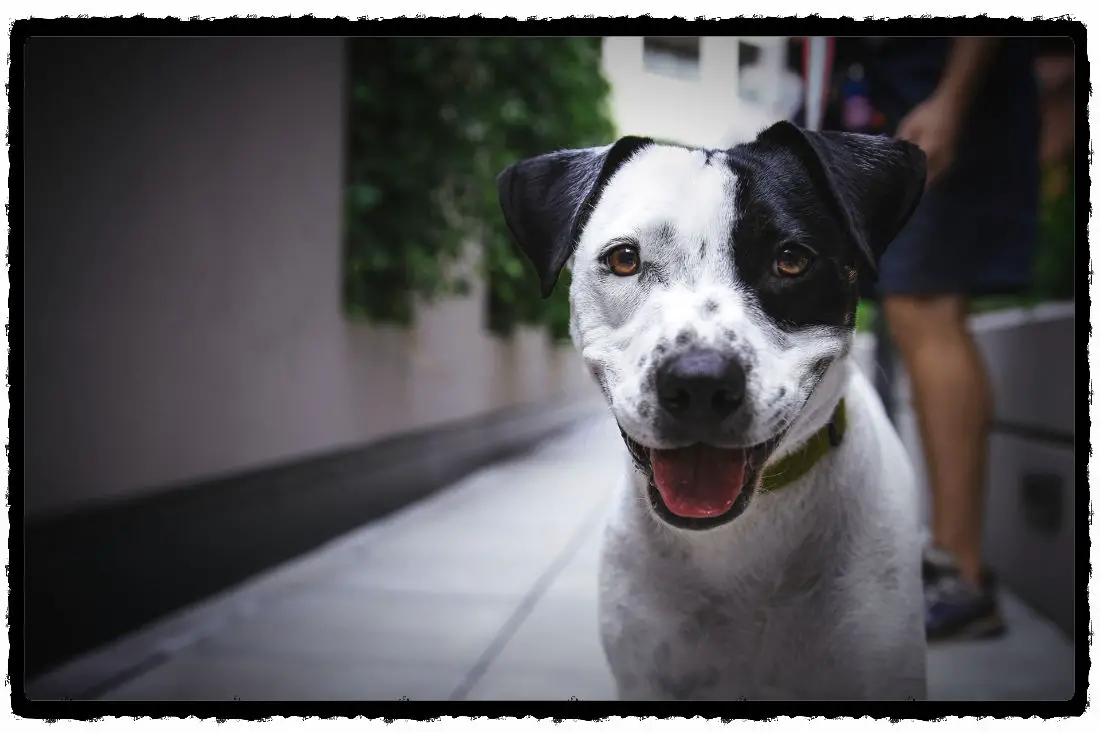


For more expert pet care tips and advice, check out our dedicated Dog Training guides to keep your companions healthy and happy.




