
Introduction
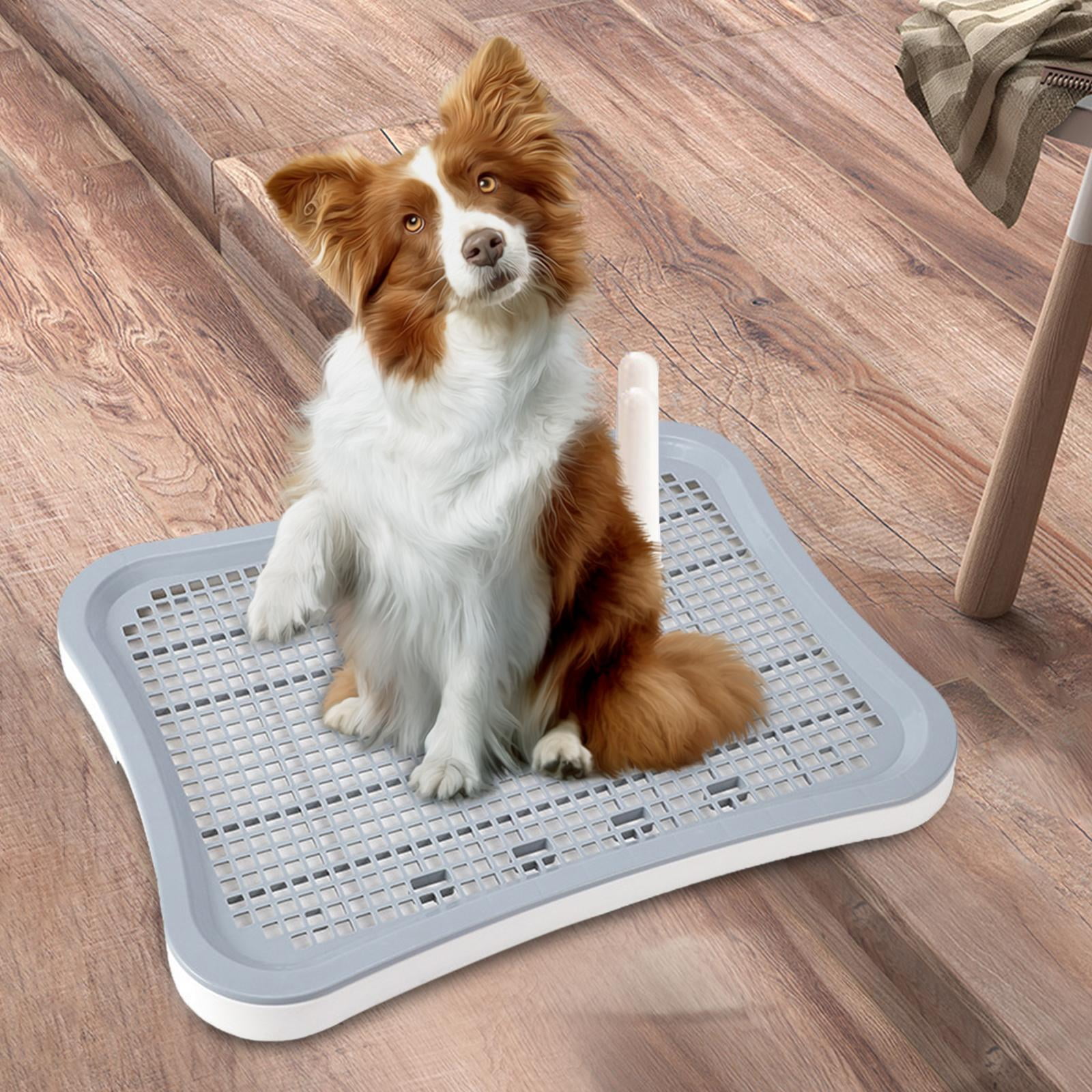
Effective dog potty training forms a foundational pillar for a harmonious relationship between dogs and their human companions. It involves teaching a dog to eliminate waste in specific, approved areas, typically outdoors or in designated indoor spaces like pee pads. This crucial aspect of canine education is vital for maintaining hygiene within the home, preventing potential health issues related to soiled living environments, and significantly reducing stress for both the dog and its owner. Understanding the nuances of dog potty training is especially relevant for new puppy owners, individuals adopting adult dogs with unknown backgrounds, or those seeking to address recurring indoor accidents. Mastering this skill contributes directly to a dogs overall well-being and enhances its integration into the family, fostering a cleaner, more comfortable living space for everyone involved.
💡 Pet Care Key Takeaways:
- Core Focus: Practical health, nutrition, and wellness guidelines for Dog Potty Training.
- Target Scope: Pet owners, animal caregivers, and veterinary support staff.
- Best Recommendation: Maintain consistent daily routines and consult an accredited veterinarian before introducing major diet or medical changes.
Common Causes and Key Factors
Several factors can influence the success and challenges encountered during dog potty training. Age plays a significant role, as puppies possess smaller bladders and less muscle control, necessitating more frequent potty breaks compared to adult dogs. Inconsistent routines are a primary hurdle; irregular feeding times, sporadic access to outdoor areas, or a lack of a predictable elimination schedule can confuse a dog and impede progress. For more related activities, check out our Cesar Millan How To Stop Puppy Biting.
Inadequate supervision is another common cause of setbacks. Without constant monitoring, opportunities to interrupt accidents or reward appropriate elimination can be missed. For adopted adult dogs, past experiences can be influential; prior neglect, extended periods in confined spaces without appropriate relief, or a lack of consistent house-training in previous homes can require a more patient and structured approach.
Environmental factors also contribute. If a dog’s living area is consistently soiled, it can become desensitized to eliminating indoors. Conversely, too much freedom too soon within the home can lead to accidents simply because the dog has not yet learned to associate the entire house with its “den” where elimination is undesirable. Beyond these behavioral and environmental aspects, underlying medical conditions such as urinary tract infections, kidney disease, or diabetes can manifest as increased urination or a sudden loss of bladder control, making veterinary consultation essential if such symptoms arise.
Signs and Symptoms to Observe
Recognizing a dog’s signals indicating the need to eliminate is a key component of successful dog potty training. Common pre-potty behaviors include intense sniffing of the floor, circling in one spot, pacing restlessly, or a sudden change in activity level, such as stopping play abruptly. Some dogs may whine, bark, or scratch at doors as a clear request to go outside.
The frequency and location of urination or defecation can also be telling. An increase in indoor accidents, especially if occurring repeatedly in the same area, suggests a need to reinforce house-training protocols. For an otherwise house-trained adult dog, a sudden onset of accidents warrants careful observation for other changes in behavior or physical health.
Specific behaviors like submissive urination, often triggered by excitement, fear, or greeting, present as a dog urinating in a crouched or rolled-over posture. Marking behavior, typically involving small amounts of urine deposited in various indoor locations, can be a sign of territoriality or anxiety, distinct from a full bladder accident. Observing these subtle and overt cues helps owners anticipate their dogs needs and intervene proactively during the dog potty training process.
Practical Solutions and Management Strategies
Effective dog potty training hinges on consistency, patience, and positive reinforcement. Establishing a predictable schedule is paramount. This involves regular feeding times and frequent potty breaks, especially after waking up, after meals, after playtime, and before bedtime. For puppies, breaks may be needed every one to two hours.
Crate training can be an invaluable tool. Dogs are naturally reluctant to soil their sleeping areas, making a properly sized crate an effective den during supervision gaps. When a dog is out of the crate, constant supervision is crucial. Keeping the dog on a leash tethered to an owner or within a puppy-proofed, confined space allows for immediate intervention if pre-potty signs are observed.
Each successful outdoor elimination should be met with enthusiastic praise and a high-value treat. This positive reinforcement creates a strong association between eliminating outdoors and receiving rewards. Designating a specific outdoor potty spot can also aid consistency. If an accident occurs indoors, it should be cleaned thoroughly with an enzymatic cleaner to eliminate odors that might attract the dog back to the same spot. Punishment for accidents is counterproductive and can lead to fear or secretive elimination. Instead, the focus should remain on managing the environment and reinforcing desired behaviors.
When Professional Help May Be Needed
While many house-training challenges can be resolved with consistent effort, certain situations warrant professional consultation during dog potty training. If a previously house-trained adult dog suddenly begins having frequent accidents, the first course of action should always be a visit to a veterinarian. Medical conditions such as urinary tract infections, kidney disease, or hormonal imbalances can mimic house-training issues and require medical treatment.
Should a veterinary examination rule out medical causes, or if behavioral issues like severe separation anxiety, compulsive marking, or persistent submissive urination are present, consulting a certified professional dog trainer or a veterinary behaviorist is advisable. These specialists can assess the dogs individual situation, identify underlying behavioral triggers, and develop a tailored training plan. They can offer strategies for complex cases that do not respond to standard house-training methods, providing expert guidance to ensure the best possible outcome for the dog and its household.
Conclusion
Successful dog potty training is a fundamental journey that contributes significantly to a dogs integration into its home and the overall happiness of its human family. It demands a commitment to consistency, a keen eye for observable behaviors, and an understanding that patience and positive reinforcement are the most effective tools. By establishing clear routines, providing ample opportunities for appropriate elimination, and celebrating successes, dog owners can guide their companions toward reliable house-training. Always remember the importance of ruling out medical causes for sudden changes in elimination habits and do not hesitate to seek professional guidance when faced with persistent challenges. A well-trained dog leads to a happier, healthier home, reinforcing the strong bond between pets and their people.
Pet Care & Wellness Overview Table
| Life Stage | Daily Activity Level | Key Nutrition / Care Focus |
|---|---|---|
| Puppy / Kitten | High (frequent short bursts) | High-protein growth diet & early socialization |
| Adult Companion | Moderate (30–60 mins daily) | Balanced maintenance nutrition & dental hygiene |
| Senior Pets | Low to Gentle (mindful walks) | Joint support (Glucosamine) & routine vet checks |
Images References


For more expert pet care tips and advice, check out our dedicated Dog Training guides to keep your companions healthy and happy.




