
Introduction
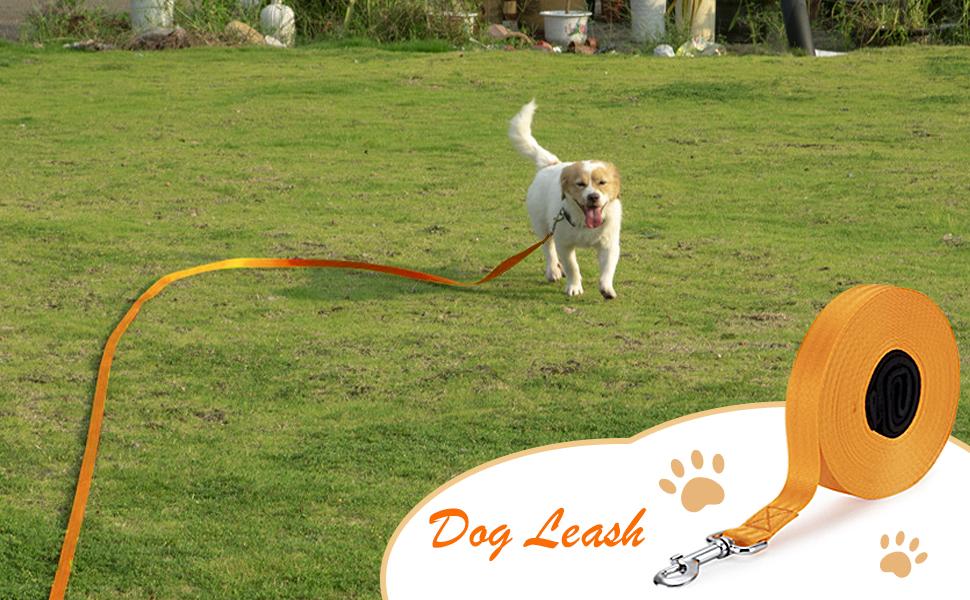
A long dog training lead is a crucial piece of equipment for many dog owners and plays a significant role in a dog’s overall training, safety, and enrichment. Unlike a standard four-to-six-foot leash or a retractable lead, a long training lead, often ranging from 15 to 50 feet or more, provides an extended connection between a dog and its handler. This extended length offers a safe middle ground between full off-leash freedom and close-quarter walking, allowing a dog to explore, sniff, and move more freely while still remaining under control. Understanding the purpose and proper application of a long training lead can dramatically enhance a dogs well-being, improve recall abilities, and foster a deeper bond through effective, controlled exploration and learning. Its importance becomes evident in various training scenarios and when providing safe, stimulating experiences for canine companions.
💡 Pet Care Key Takeaways:
- Core Focus: Practical health, nutrition, and wellness guidelines for Long Dog Training Lead.
- Target Scope: Pet owners, animal caregivers, and veterinary support staff.
- Best Recommendation: Maintain consistent daily routines and consult an accredited veterinarian before introducing major diet or medical changes.
Common Reasons for Use and Key Factors to Consider
The primary motivation for utilizing a long dog training lead stems from specific training goals and the desire to provide controlled freedom. A major factor is the development of a reliable recall. Dogs require practice to learn to return when called, and a long lead allows for this essential training in a safe, open environment, gradually extending the distance while maintaining a crucial tether. For more related activities, check out our Cesar Millan How To Stop Puppy Biting.
Another key consideration is safe exploration. Many dogs thrive on the opportunity to sniff, investigate, and move at their own pace, which a standard leash often restricts. In areas where off-leash exercise is not permitted or safe, a long lead offers the benefits of extended movement and mental stimulation without compromising safety or control.
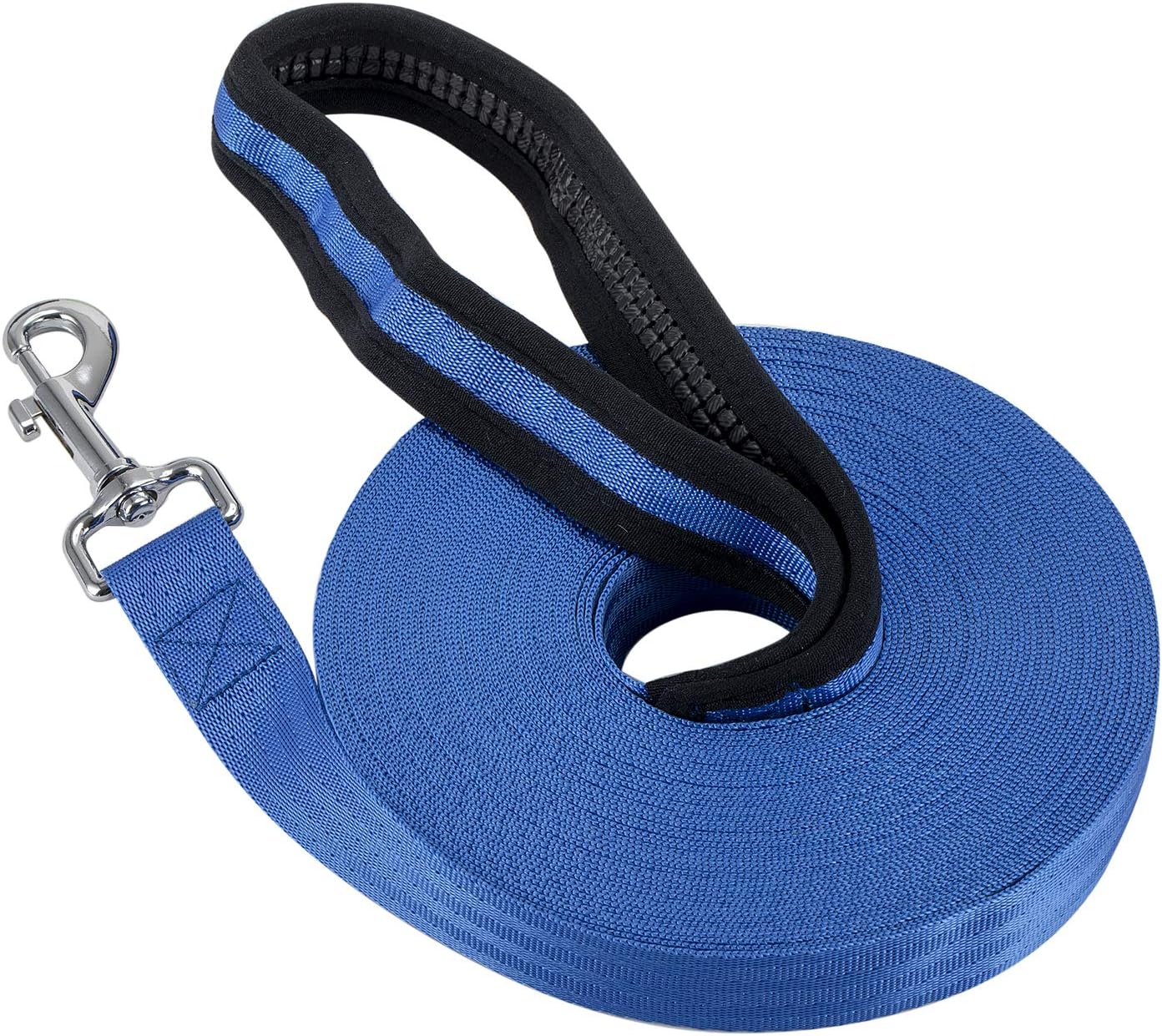
Furthermore, long leads are invaluable for behavior modification, particularly for dogs exhibiting reactivity or anxiety. By allowing a greater distance from triggers, a long lead facilitates desensitization and counter-conditioning work in a controlled manner, preventing the dog from crossing its threshold while still engaging with the environment. Environmental factors, such as the size and safety of available open spaces, directly influence the practicality and effectiveness of using a long lead. Choosing the right length and material (e.g., biothane for durability, cotton for grip) also impacts usability and handler comfort.
Signs and Scenarios Where a Long Lead Is Beneficial
Observing a dogs behavior and specific training needs often indicates when a long training lead could be a highly advantageous tool. A prominent indicator is an inconsistent or unreliable recall. If a dog frequently ignores calls when off-leash or shows reluctance to return, a long lead provides the necessary safety net for practicing and solidifying this vital command without the risk of the dog running off.
Another scenario involves dogs that exhibit excessive pulling or frustration on a standard leash, yet are not ready for off-leash privileges. The increased length can alleviate some of this tension, allowing for more fluid movement and a reduction in pulling behavior, particularly during initial stages of loose-leash training in varied environments.
Dogs that benefit significantly from extensive sniffing and exploration, but whose environment or temperament makes full off-leash interaction risky, are excellent candidates for a long lead. This applies to dogs in suburban parks, larger yards without secure fencing, or nature trails where wildlife might be present. Dogs undergoing rehabilitation for fear-based behaviors or those recovering from injuries, requiring controlled, low-impact exercise over greater distances, also show positive responses to the freedom and safety a long lead provides. The lead allows for structured engagement with the environment, promoting confidence and physical recovery within controlled boundaries.
Practical Solutions and Management Strategies for Using a Long Lead
Effective use of a long dog training lead requires specific techniques and a mindful approach to ensure both safety and training success. First, always attach the long lead to a well-fitting harness, not a collar, to prevent injury to the dogs neck should the lead be checked abruptly. Wearing gloves can also protect hands from rope burn if the dog suddenly bolts or the lead is pulled through the hand.
For recall training, begin in a quiet, distraction-free environment. Allow the dog to wander to the end of the lead, then gently reel in the lead while giving the recall command. Reward generously upon return. Gradually introduce distractions and increase the distance as the dogs reliability improves. The key is to make returning a consistently positive experience.
When allowing exploration, manage the lead to prevent tangles around trees, obstacles, or the dogs legs. Keep the lead relatively slack, only tightening to provide guidance or to prevent unwanted behavior. A consistent communication system, using verbal cues and hand signals, reinforces desired actions. Practice “check-ins” where the dog voluntarily looks back at the handler or approaches, even without a direct command, strengthening the bond and awareness. It is crucial to be constantly aware of the surroundings, including other dogs, people, and potential hazards, to anticipate and manage situations effectively.
When Professional Help May Be Needed
While a long dog training lead is an excellent tool for many owners, there are specific circumstances where professional guidance from a certified dog trainer or behaviorist becomes highly beneficial, or even necessary. If a dog exhibits persistent and severe behavioral issues, such as aggression towards other dogs or people, intense fear, or extreme anxiety that is not resolved with consistent, positive training using a long lead, professional intervention is advisable.
Owners struggling to achieve reliable recall even after consistent practice with the long lead might benefit from a trainer’s assessment of their technique and the dog’s learning style. A professional can identify underlying issues, provide tailored strategies, and demonstrate proper handling to maximize the effectiveness of the training.
Furthermore, if a dog’s reactivity or excitability in new environments continues to escalate despite careful management with a long lead, a professional can offer advanced desensitization and counter-conditioning protocols. Dog trainers possess expertise in reading canine body language and understanding intricate behavioral patterns, offering solutions beyond the scope of general home training. Seeking professional help ensures that both the dog and owner receive appropriate support, leading to safer and more effective outcomes.
Conclusion
The long dog training lead serves as a versatile and indispensable tool for enhancing a dog’s training, safety, and overall quality of life. Its ability to bridge the gap between restricted leash walking and off-leash freedom provides countless opportunities for controlled exploration, reliable recall practice, and effective behavior modification. By understanding its purpose and applying sound management strategies, owners can foster stronger bonds, improve canine manners, and offer enriching experiences that contribute to a dog’s physical and mental well-being. Consistent observation of a dog’s needs and behavior, coupled with patient and positive reinforcement, are key to maximizing the benefits of this essential piece of equipment. With awareness and thoughtful application, the long training lead empowers dog owners to navigate various training challenges and enjoy more fulfilling adventures with their canine companions.
Pet Care & Wellness Overview Table
| Life Stage | Daily Activity Level | Key Nutrition / Care Focus |
|---|---|---|
| Puppy / Kitten | High (frequent short bursts) | High-protein growth diet & early socialization |
| Adult Companion | Moderate (30–60 mins daily) | Balanced maintenance nutrition & dental hygiene |
| Senior Pets | Low to Gentle (mindful walks) | Joint support (Glucosamine) & routine vet checks |
Images References




For more expert pet care tips and advice, check out our dedicated Dog Training guides to keep your companions healthy and happy.




